



Alexander Schmid Podcast


About
Available on








Community
406 episodes
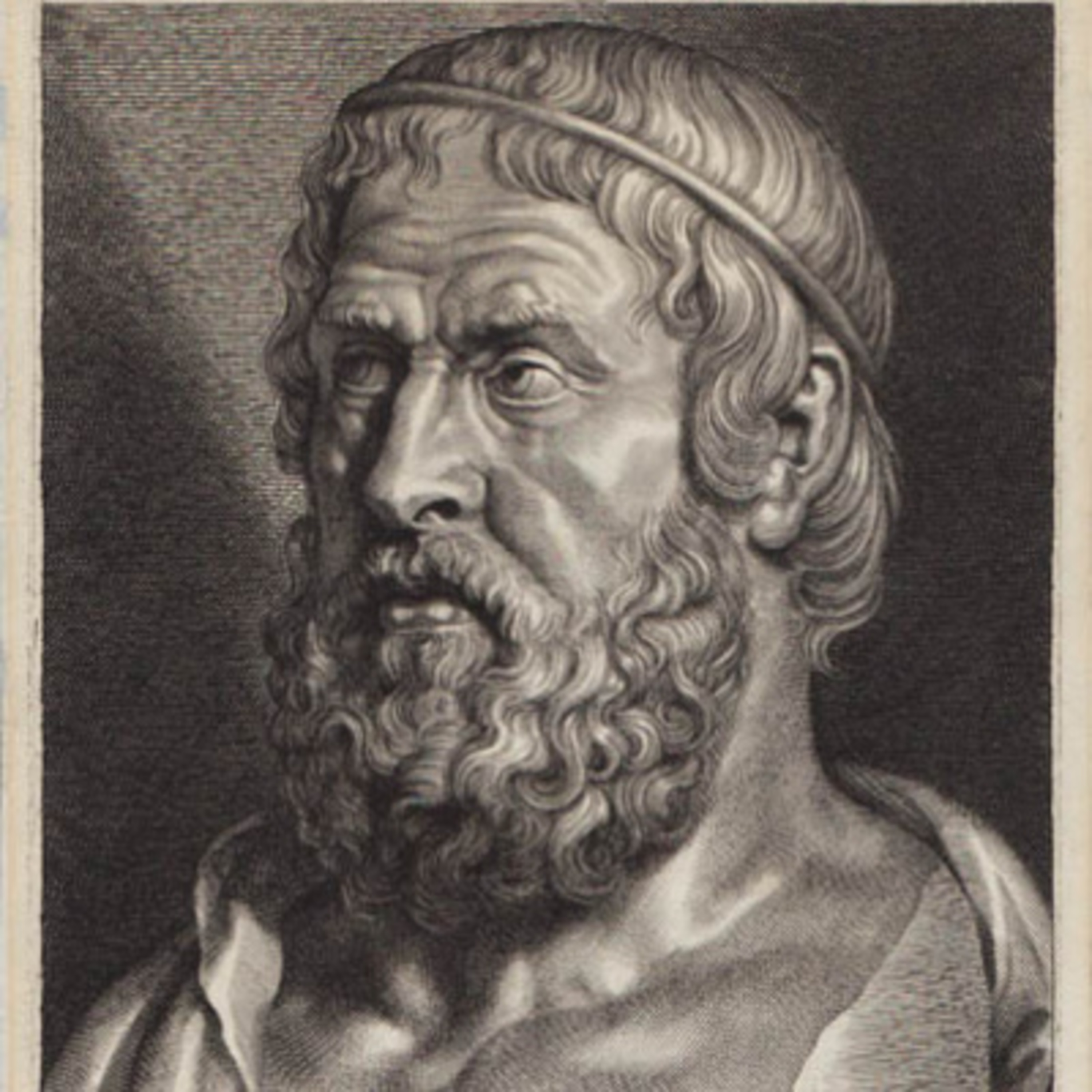
In this lecture, we cover the major plot-points of Sophocles' "Antigone." We consider (a) its chronology in relation to the other two plays from "The Theban Trilogy" which was never meant to be a trilogy; (b) considered Antigone's argument for burying her brother, Polyneices, against the edict of her uncle and the new King of Thebes, Creon; and (c) we considered the position of Creon as a new ruler with a potentially tenuous hold on power. --- Send in a voice message: https://anchor.fm/alexander-schmid9/message Support this podcast: https://anchor.fm/alexander-schmid9/support

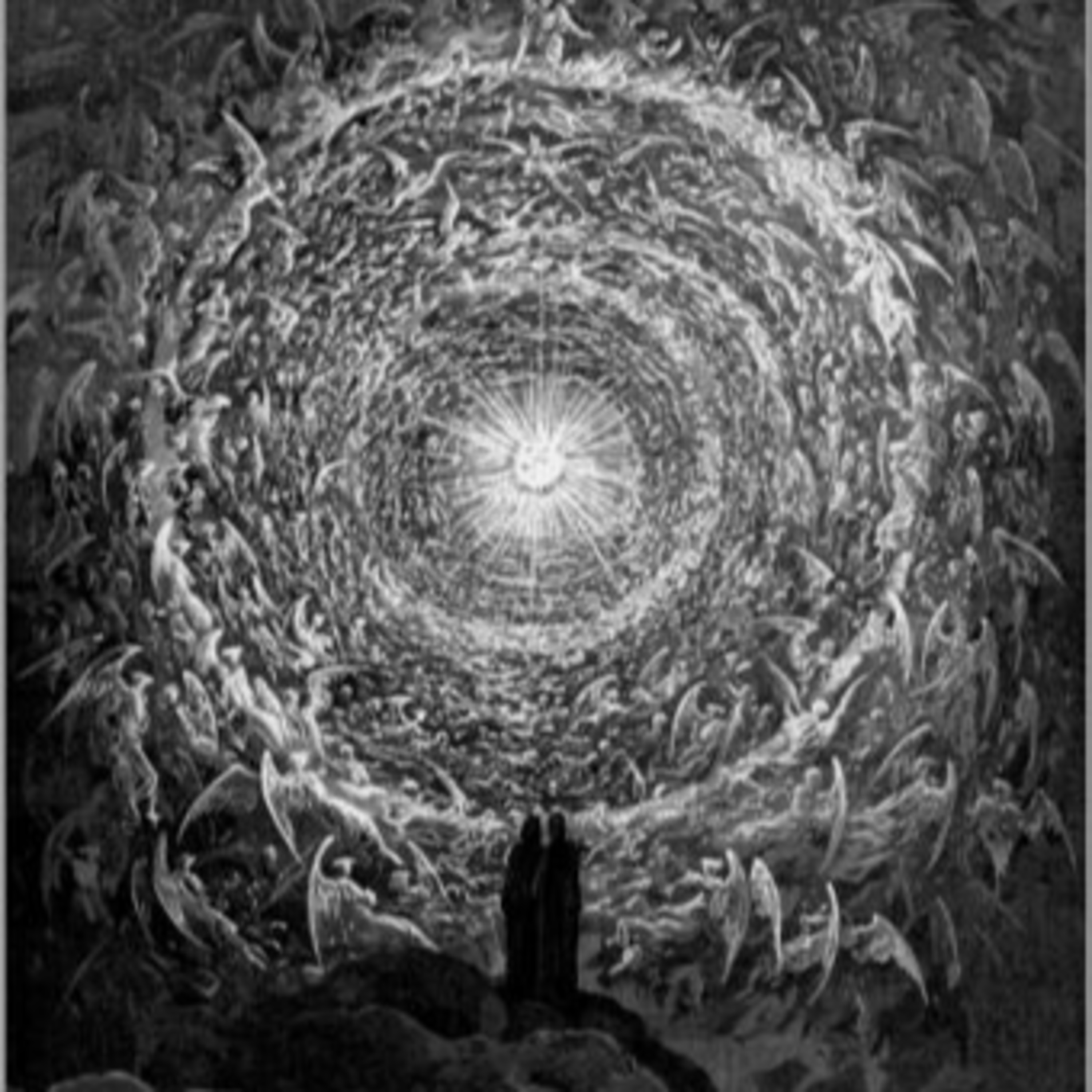
In this review lecture, we review (a) major characters, (b) quotes, and (c) themes from each sphere of the final canticle of Dante's "The Divine Comedy." --- Send in a voice message: https://anchor.fm/alexander-schmid9/message Support this podcast: https://anchor.fm/alexander-schmid9/support

In this lecture, we observe (a) Dante drink from a river of light and witness the majesty of heaven; (b) Beatrice's disappearance and replacement by Dante's final guide, St. Bernard, and then we conclude by seeing (c) Dante's beatific vision of Mary and the Holy Trinity. --- Send in a voice message: https://anchor.fm/alexander-schmid9/message Support this podcast: https://anchor.fm/alexander-schmid9/support
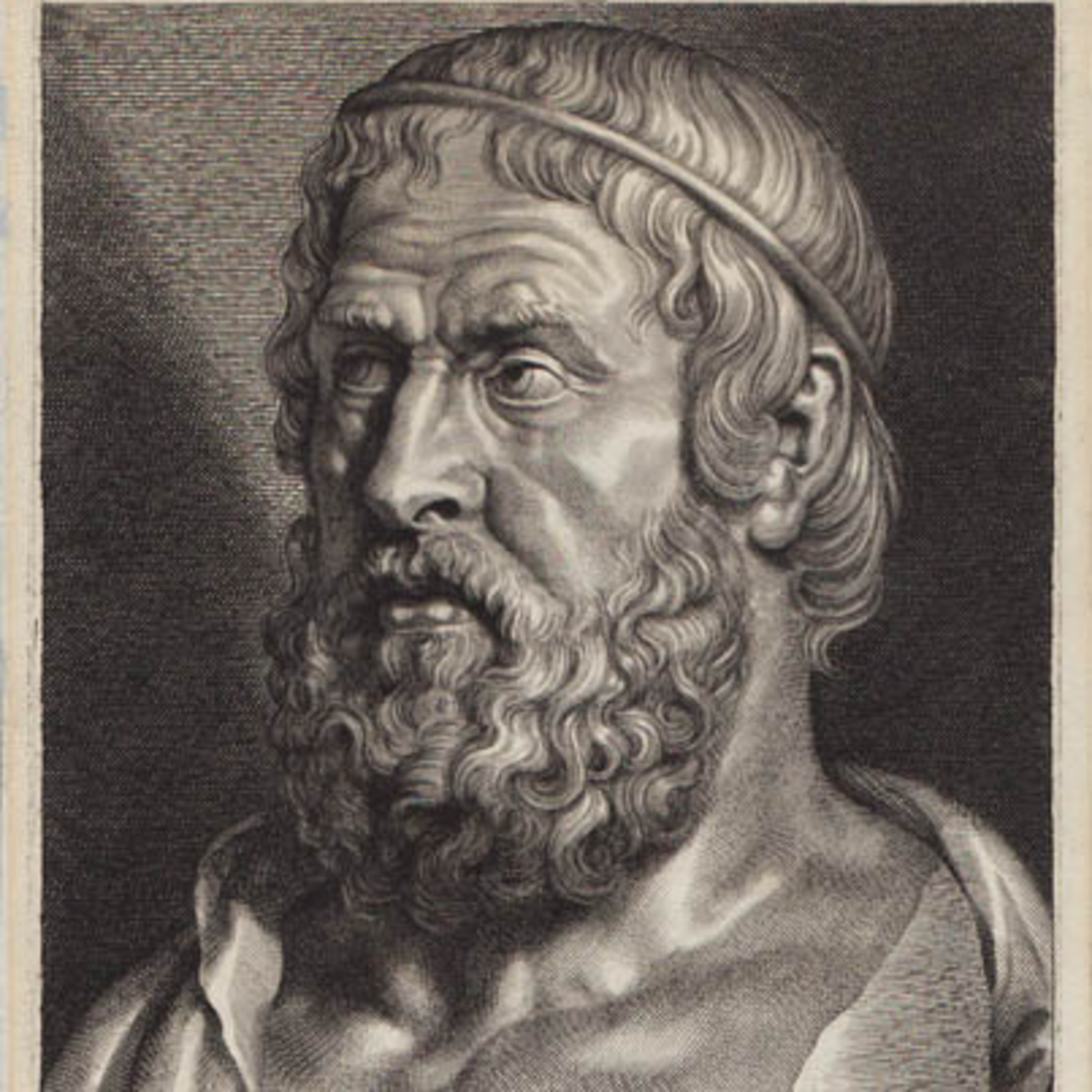
In this lecture, we consider (a) Oedipus' final revelation that he has lived out his fate; (b) witness Oedipus blind himself and what that means; and (c) we conclude by observing Oedipus' final abdication and touching moment with his daughters. --- Send in a voice message: https://anchor.fm/alexander-schmid9/message Support this podcast: https://anchor.fm/alexander-schmid9/support

In this lecture, we consider (a) both Freudian theory and Motivation Theory in order to understand Oedipus' dissonance; we observe: (a) Creon address Oedipus' accusations of treachery and Jocasta's attempt to exonerate both men; and (c) we conclude by considering Jocasta' famous words which serve as the source of Freud's "Oedipal Complex." --- Send in a voice message: https://anchor.fm/alexander-schmid9/message Support this podcast: https://anchor.fm/alexander-schmid9/support
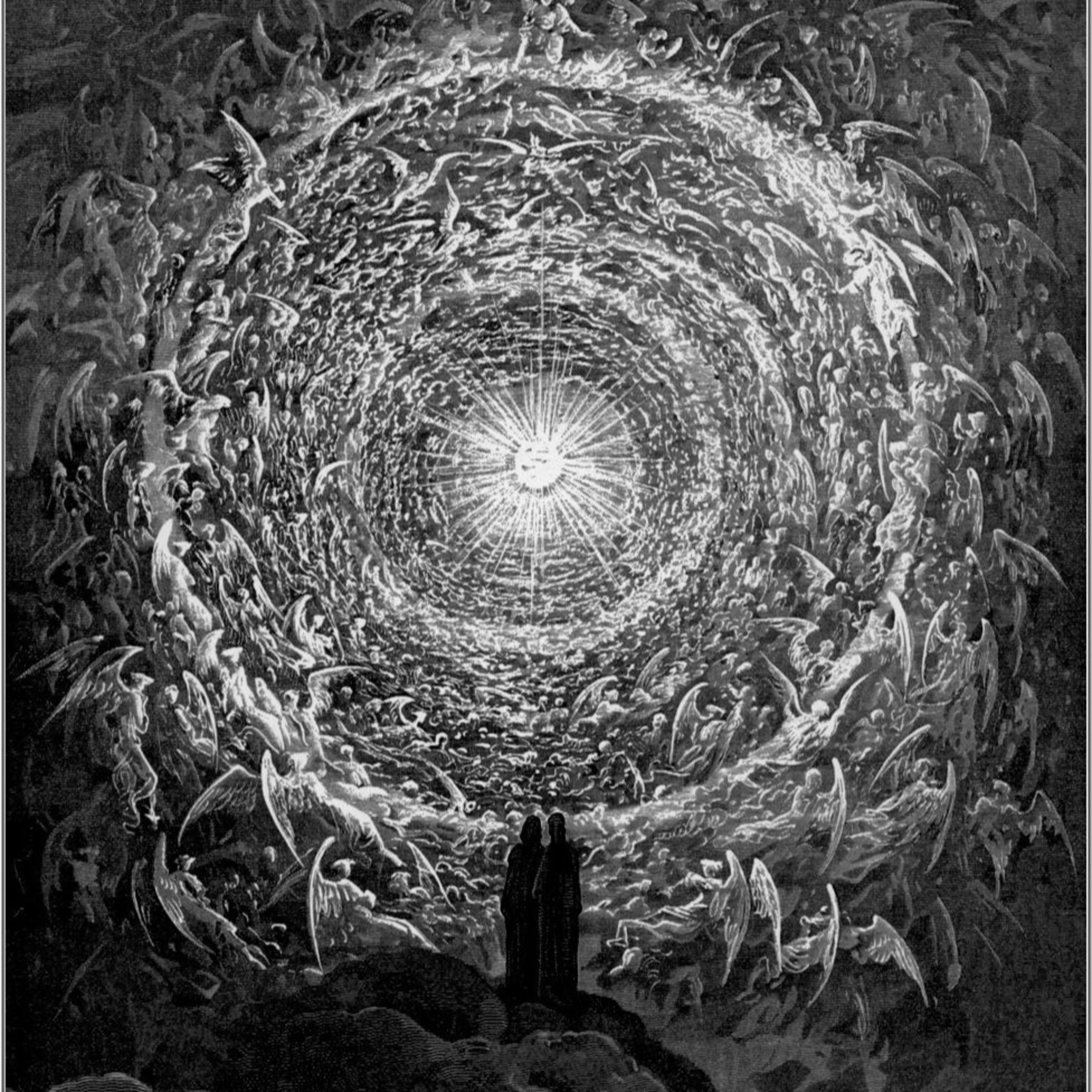
In this lecture we consider (a) the nature of space and time and how "the roots" of all the universe are contained in the Primum Mobile; (b) we think over several cosmological/theological questions: the relative speed of each sphere of heaven, the intelligence and memory of angels, and number of angels; and then (c) we ascend to the Empyrean and see a river of light. --- Send in a voice message: https://anchor.fm/alexander-schmid9/message Support this podcast: https://anchor.fm/alexander-schmid9/support

In this lecture we ask: (a) does Oedipus truly care for his people or is he full of overweening hubris? (b) Using psychoanalysis as a standard, is this a play about being both willing and unwilling to consider a truth/a conflict between one's conscious and unconscious motives; and (c) is Teiresias telling the truth or is he actually colluding with Creon? Is this just a confabulation of Oedipus' to keep him from an even more disturbing truth? --- Send in a voice message: https://anchor.fm/alexander-schmid9/message Support this podcast: https://anchor.fm/alexander-schmid9/support
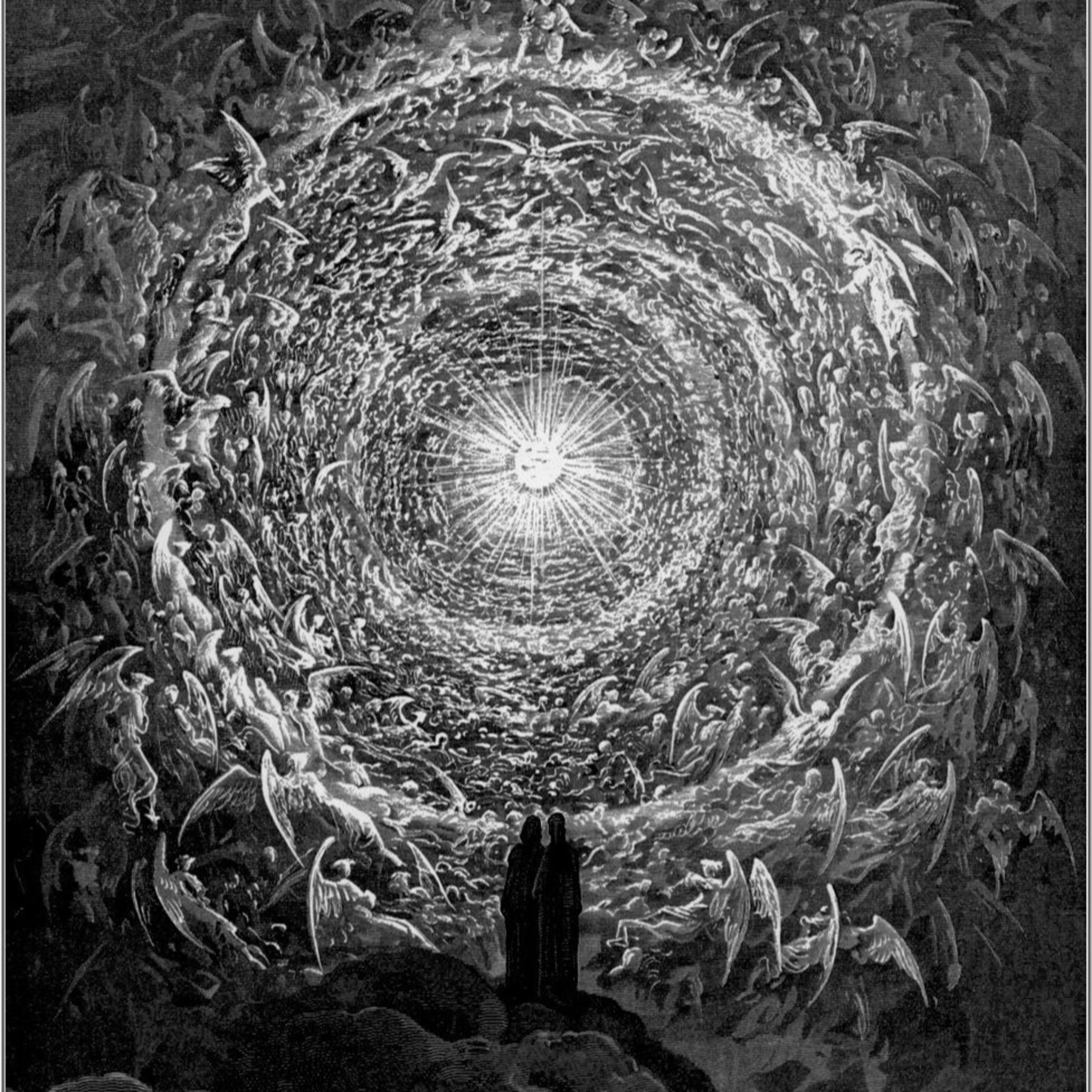
In this lecture, we (a) observe Dante's statement of faith and selections from "The Epistle of St. James" and "The Gospel of John"; (b) we see St. James' position on the debate of faith vs. acts, and then Dante's questioning of Adam, the first man, and then we conclude with (c) an angered St. Peter lambasting the (1) corruption/simony in the church and (2) its support of factionalism. --- Send in a voice message: https://anchor.fm/alexander-schmid9/message Support this podcast: https://anchor.fm/alexander-schmid9/support

In this lecture, we consider (a) Sophocles' political contributions alongside his poetic ones; (b) Sophocles' three "periods" of writing and "Theban Tragedy"; and (c) we concluded by introducing Sophocles' "Oedipus the King". --- Send in a voice message: https://anchor.fm/alexander-schmid9/message Support this podcast: https://anchor.fm/alexander-schmid9/support
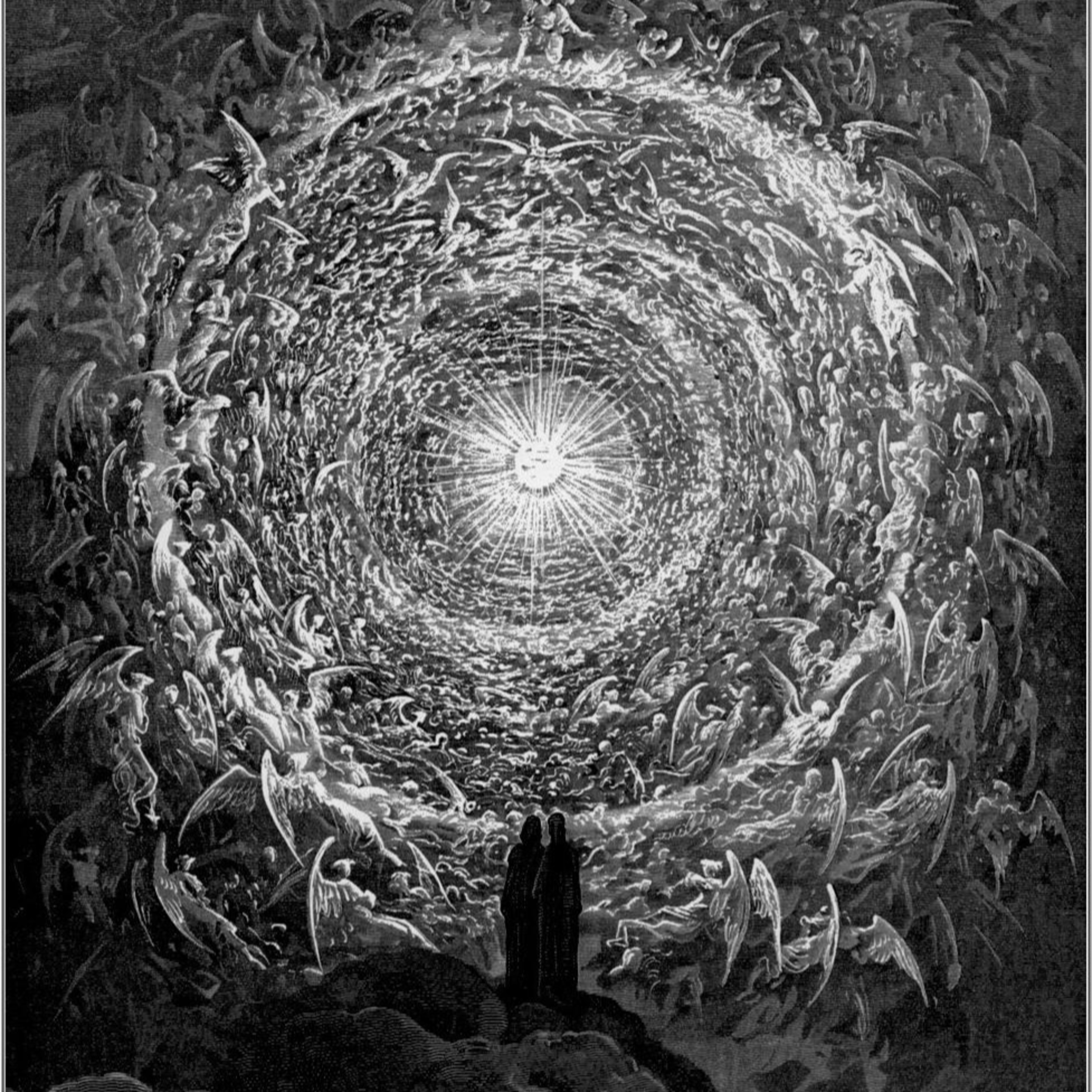
In this lecture we consider (a) Sphere 8: the Fixed Stars/Constellations and the "Church Triumphant" within them; (b) we specifically consider the example of St. Peter, and (c) we witness Dante begin his examination on the theological virtue of faith. --- Send in a voice message: https://anchor.fm/alexander-schmid9/message Support this podcast: https://anchor.fm/alexander-schmid9/support
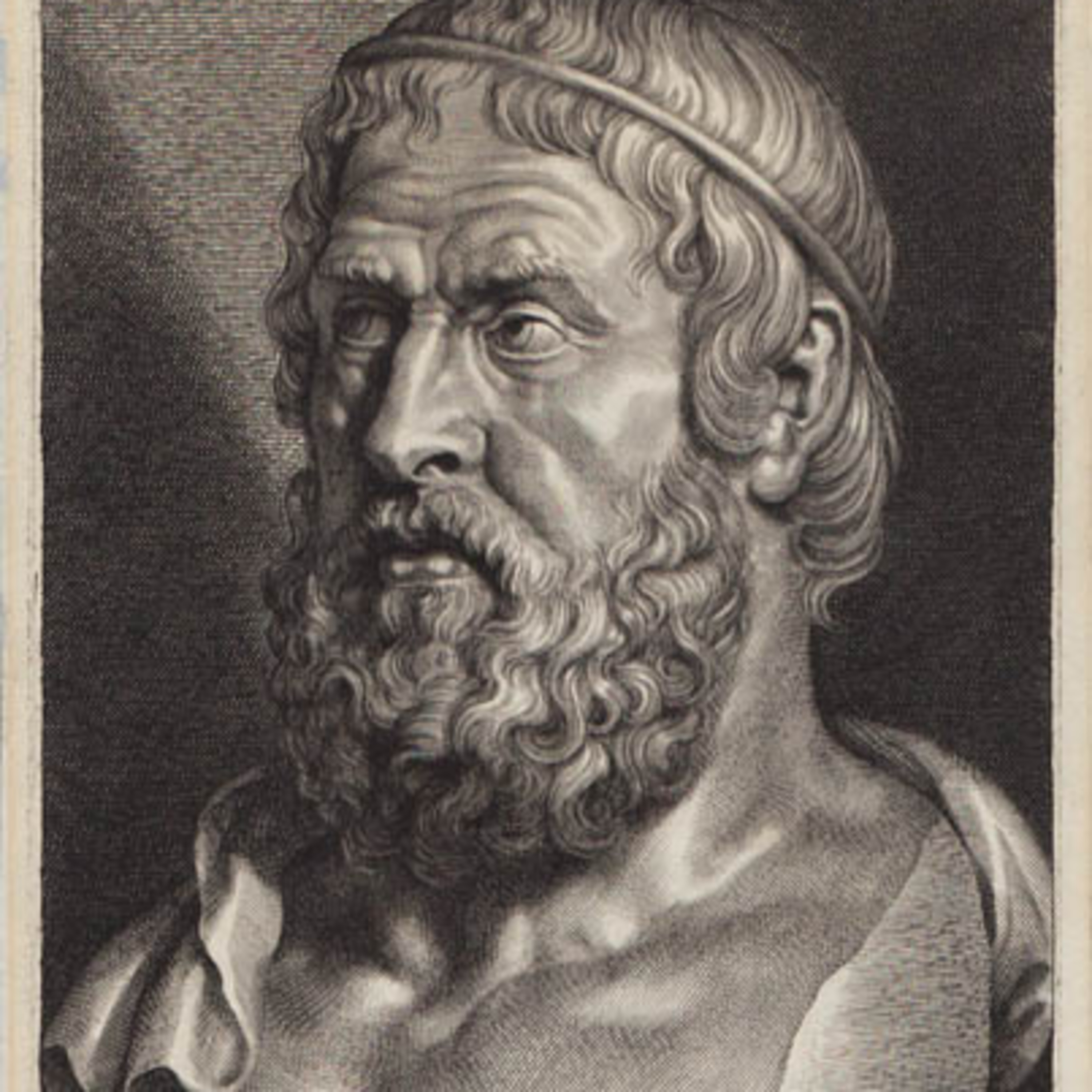
In this lecture, we consider (a) Eugammon of Cyrene's "Telegonus", and then we (b) introduce Athenian drama and tragedy from the 5th century BCE and (c) Sophocles and his place within it. --- Send in a voice message: https://anchor.fm/alexander-schmid9/message Support this podcast: https://anchor.fm/alexander-schmid9/support
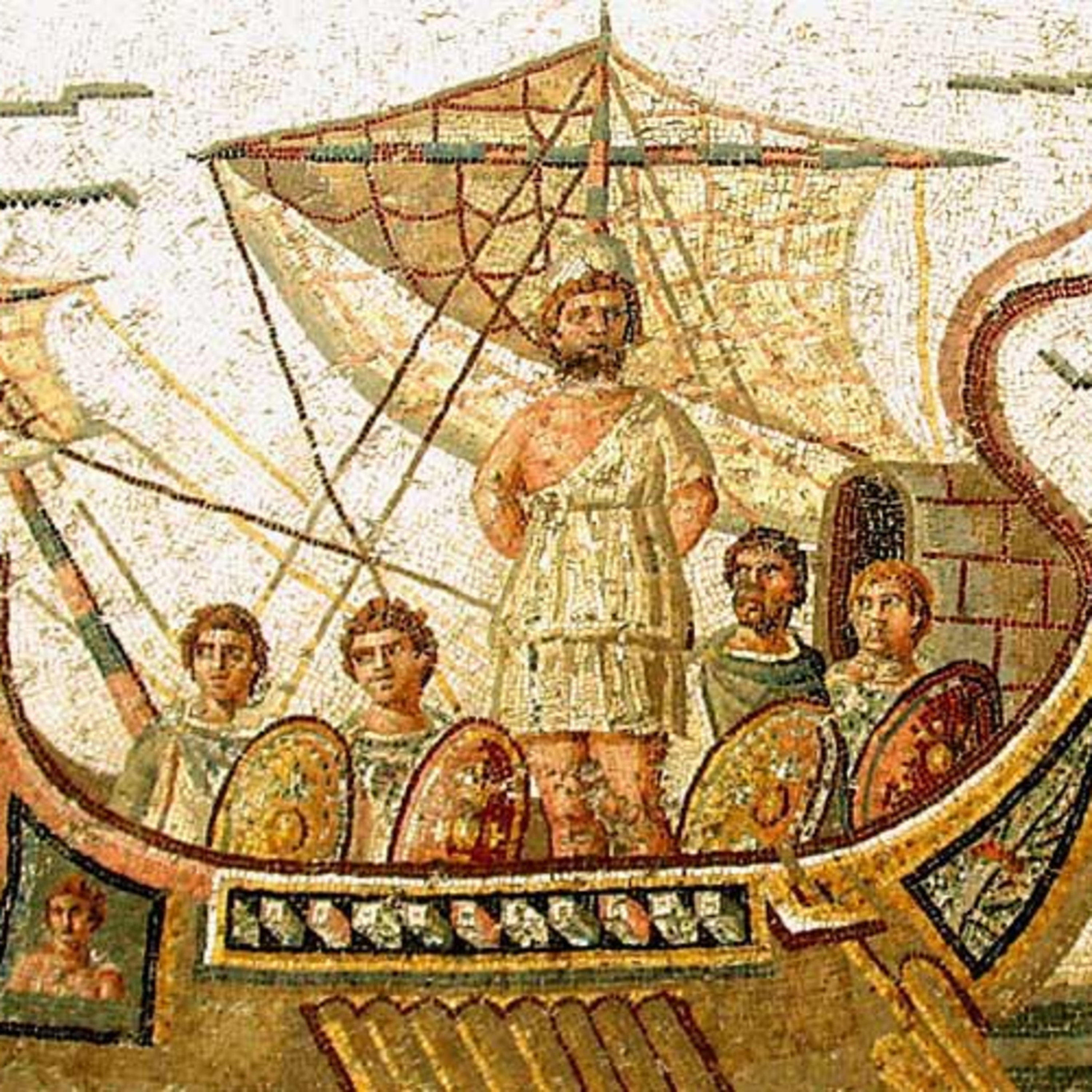
In this lecture, we (a) review the journey of Odysseus and how far he has come; (b) we witness the final testing of Odysseus by Penelope and of Laertes by Odysseus; and (c) we observe the final battle between the suitors' families and Odysseus' family and the peace that the gods call for and that the humans implement. --- Send in a voice message: https://anchor.fm/alexander-schmid9/message Support this podcast: https://anchor.fm/alexander-schmid9/support
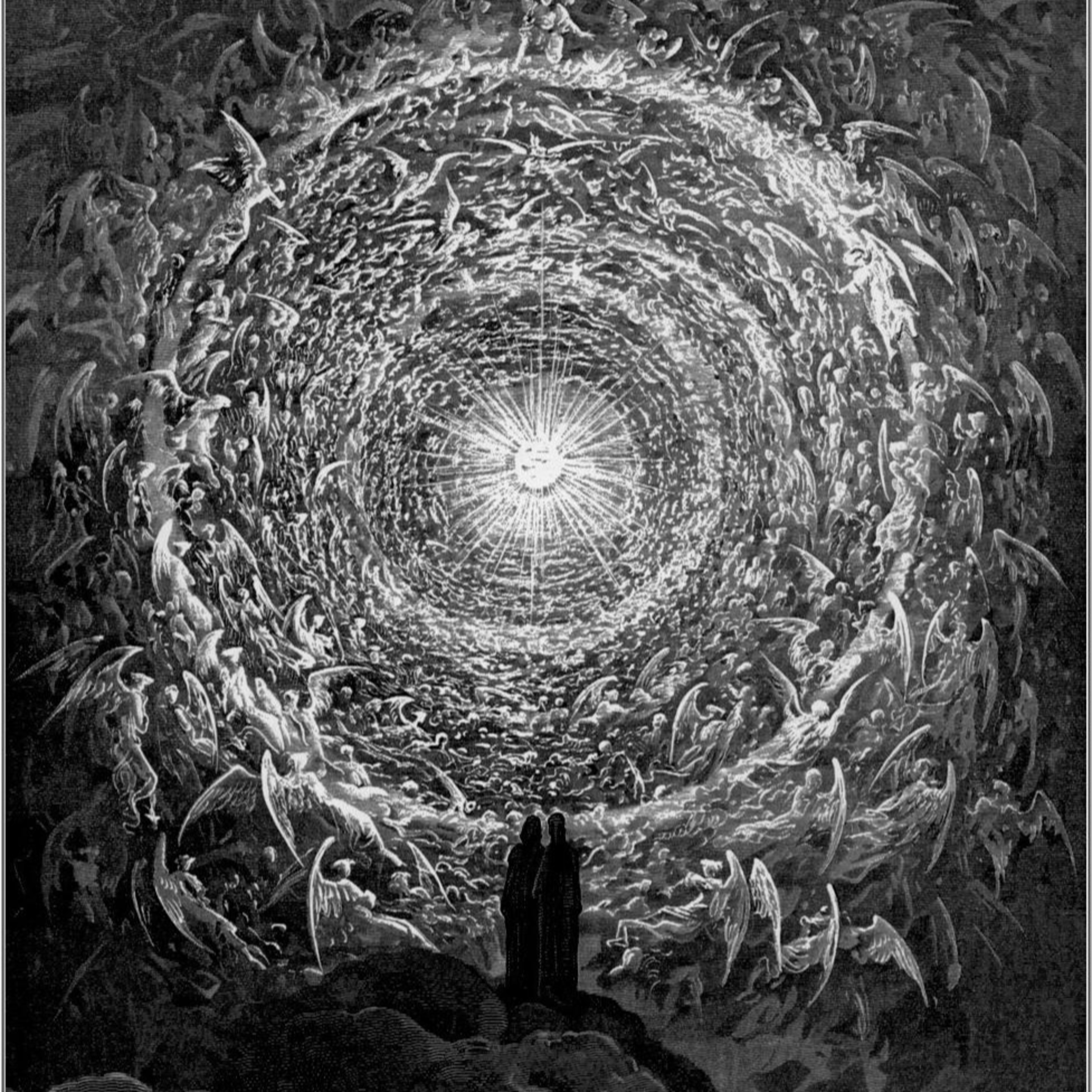
In this lecture, we discuss (a) the inability for a human mind to comprehend the intricacies of free will and predestination; (b) we consider the contemplative nature of Saturn, and we conclude by (c) considering how and why institutions and people "start well" but "end poorly" in the world. --- Send in a voice message: https://anchor.fm/alexander-schmid9/message Support this podcast: https://anchor.fm/alexander-schmid9/support
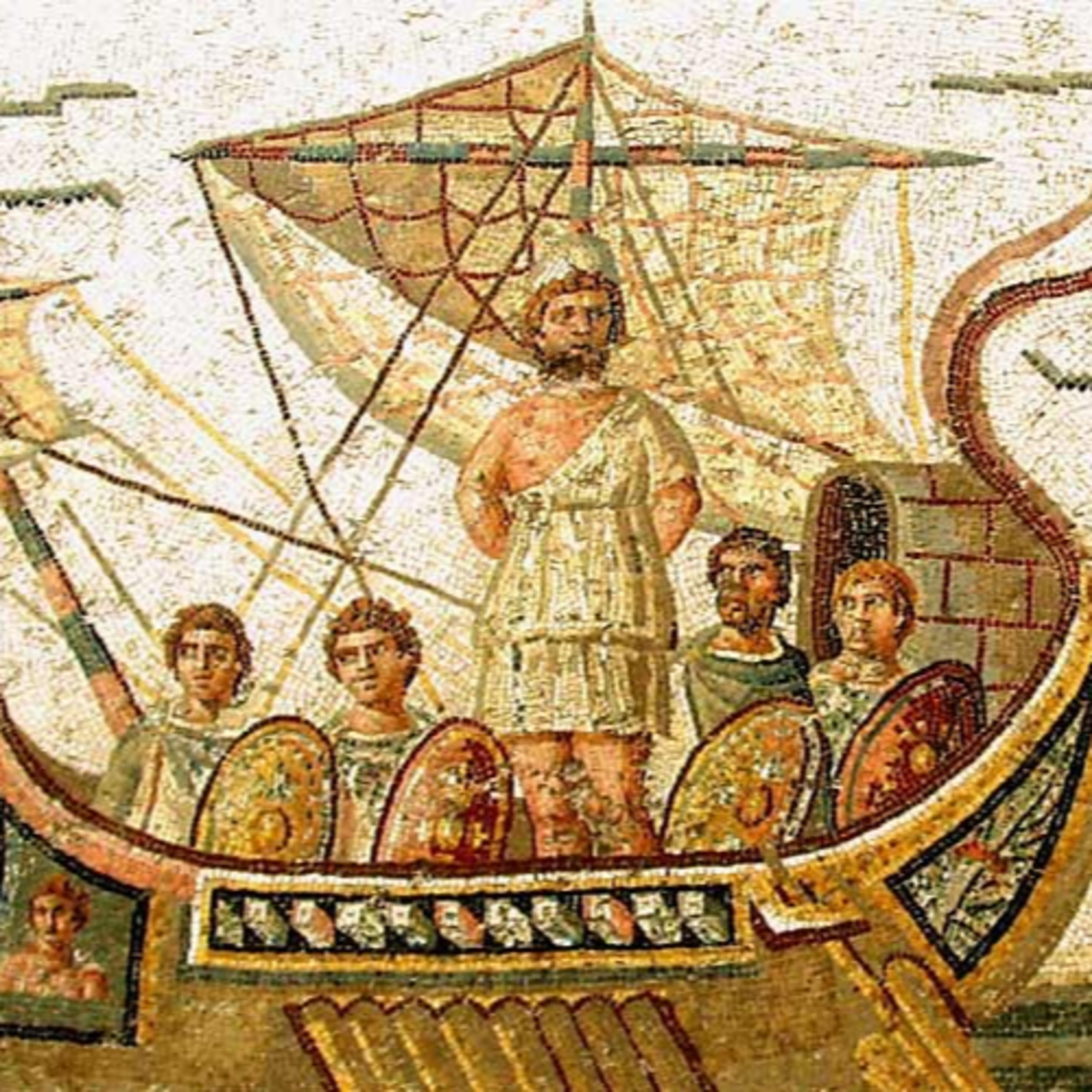
In this lecture, we discuss: (a) the fight between Odysseus' small retinue and the suitors, (b) the perfidy of Melanthios and maturity of Telemachos, and (c) we witness the judgment and punishment of the disloyal maids and Melanthios, and (d) conclude with Odysseus and Penelope sitting across from one another once more. --- Send in a voice message: https://anchor.fm/alexander-schmid9/message Support this podcast: https://anchor.fm/alexander-schmid9/support
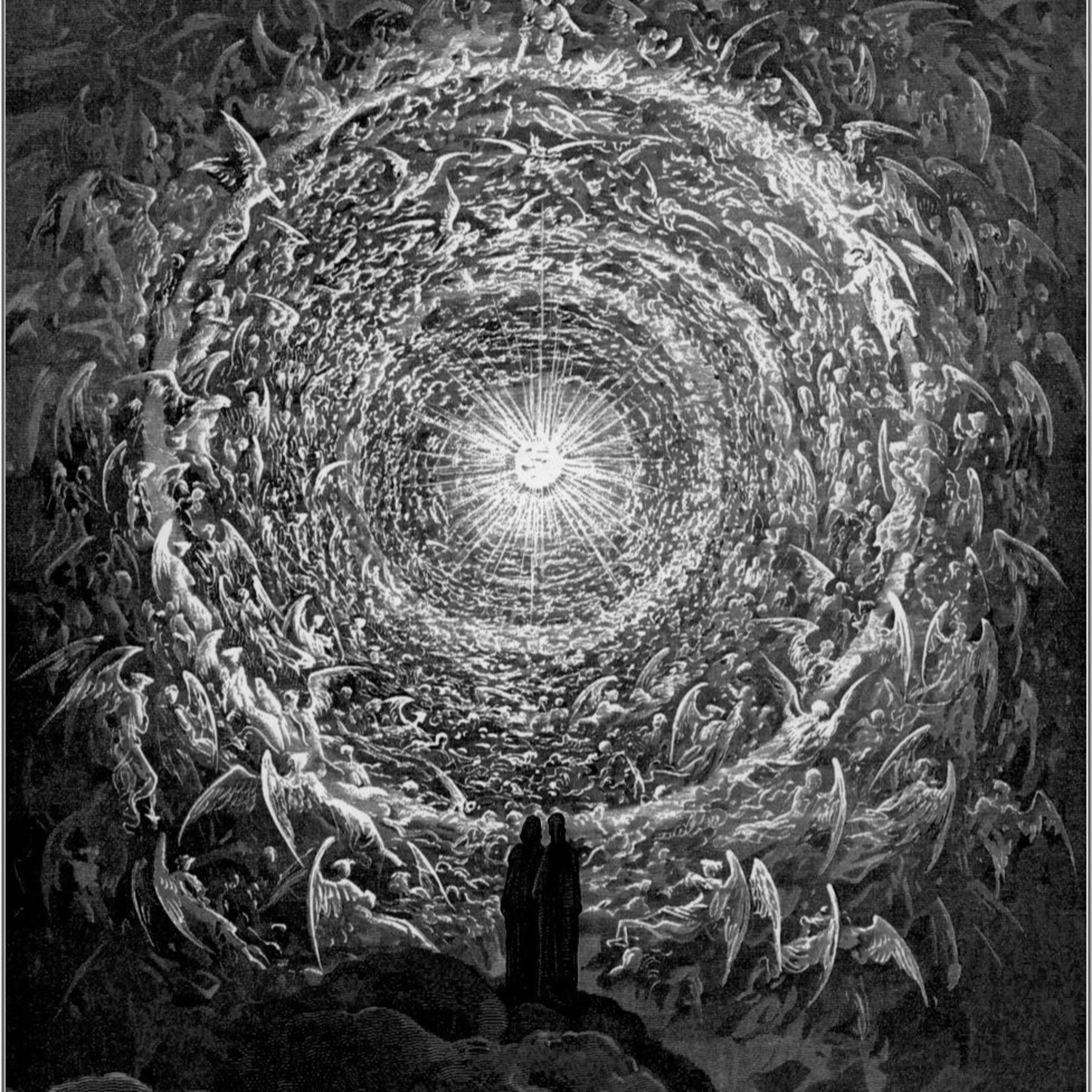
In this lecture, we discuss (a) what makes a good ruler or judge; (b) how can one make it to heaven who has never heard of Christianity, and how humans can('t) know the "root" of predestination, and (c) we conclude with a consideration of exemplary rulers from differing lands and religions and what the implications of their inclusion are for Dante' Paradise. --- Send in a voice message: https://anchor.fm/alexander-schmid9/message Support this podcast: https://anchor.fm/alexander-schmid9/support
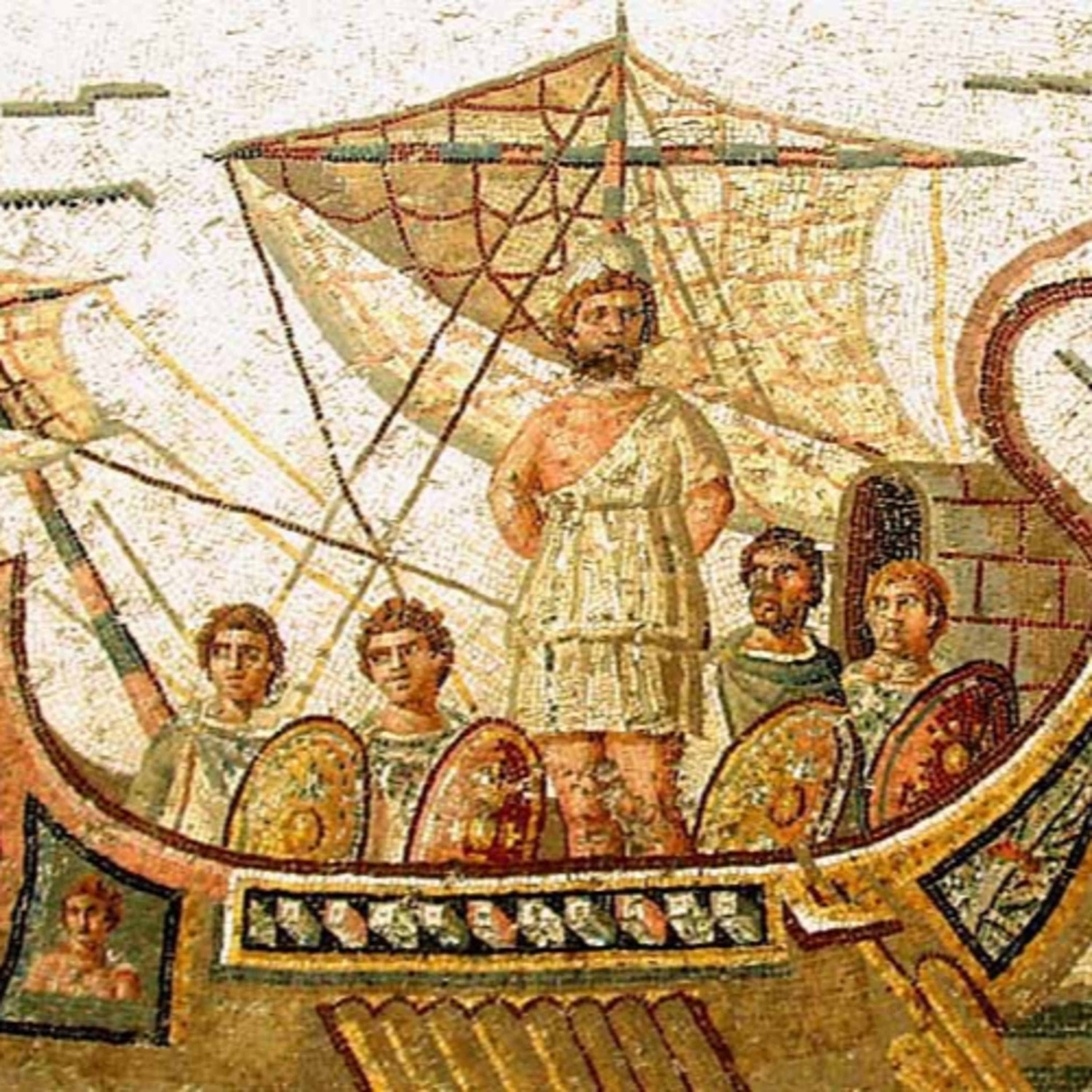
In this lecture, we discuss (a) the story of Odysseus' scar and name, (b) the dream of Penelope and the Gates of Horn and Ivory, and (c) we witness the famous contest of Odysseus' bow! --- Send in a voice message: https://anchor.fm/alexander-schmid9/message Support this podcast: https://anchor.fm/alexander-schmid9/support
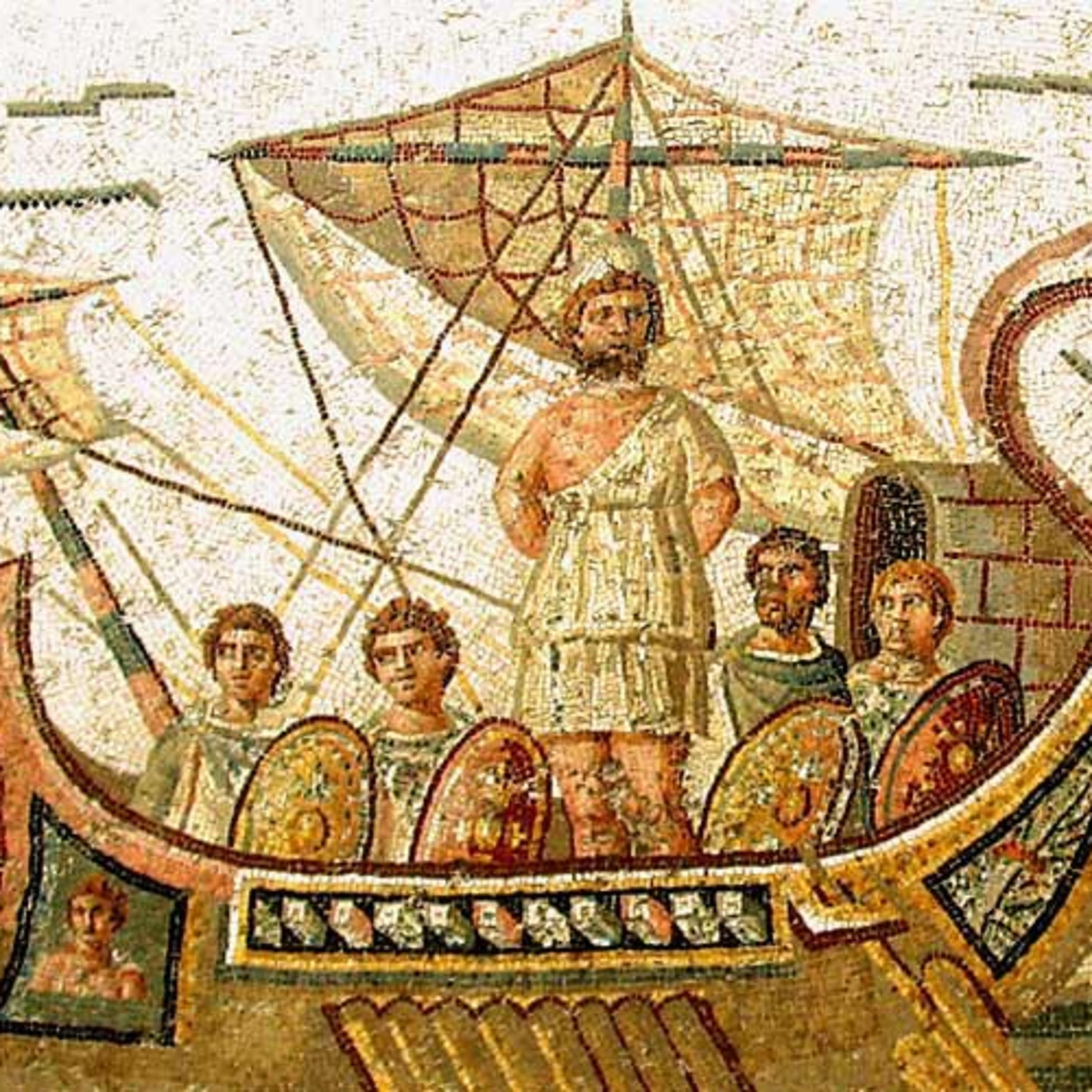
In this lecture, we consider (a) the aftermath of the fight between Iros and Odysseus, (b) the conversation between Penelope and Odysseus, and set up (c) the story of Odysseus' scar and how he received his name. --- Send in a voice message: https://anchor.fm/alexander-schmid9/message Support this podcast: https://anchor.fm/alexander-schmid9/support
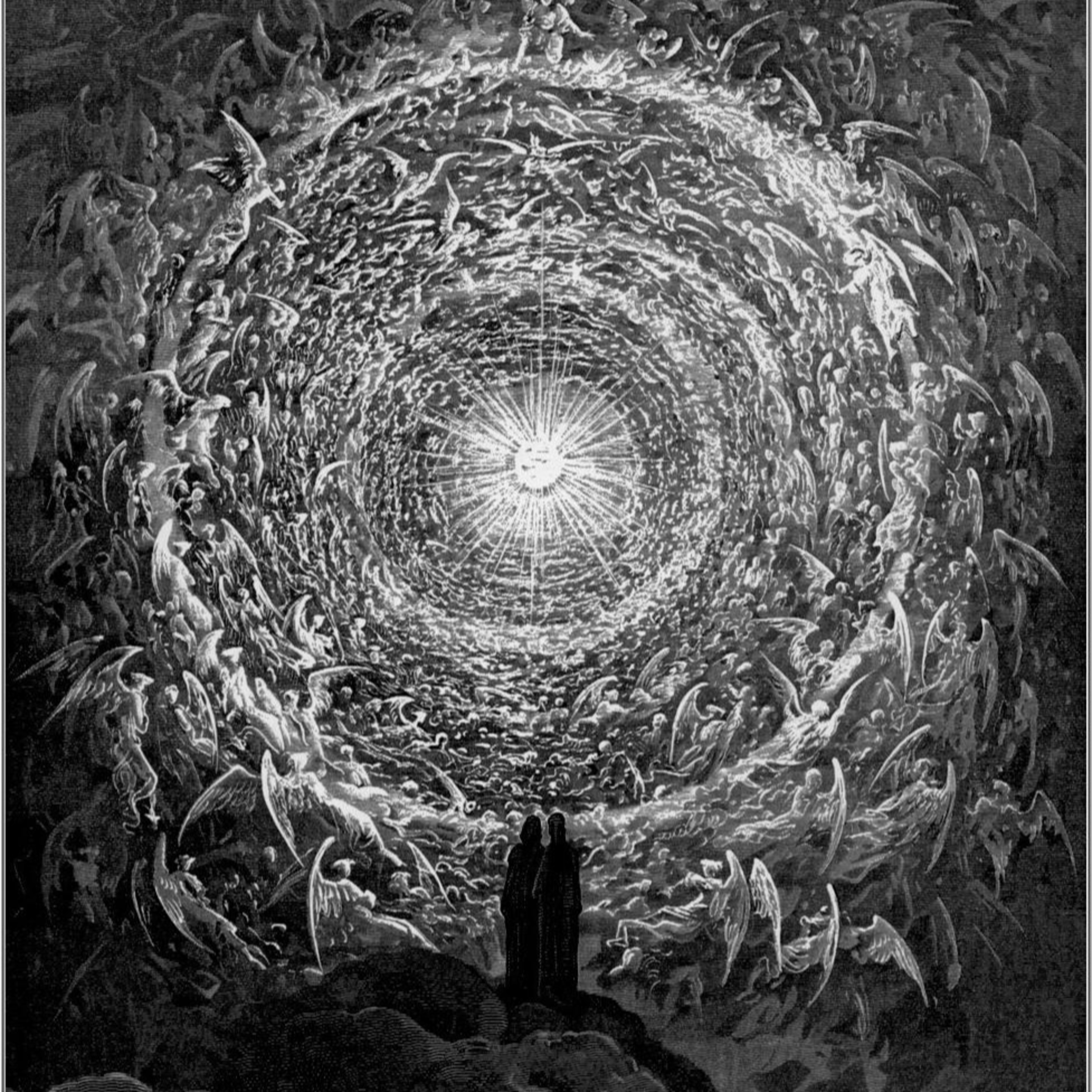
In this lecture we consider (a) Dante's exile and how he will mentally prepare for it (and be rewarded by it); (b) famous crusaders, and (c) we enter Dante's Sphere of Jupiter and see the beginnings of his theory of semiotics or the transition and translation of symbols over time. --- Send in a voice message: https://anchor.fm/alexander-schmid9/message Support this podcast: https://anchor.fm/alexander-schmid9/support
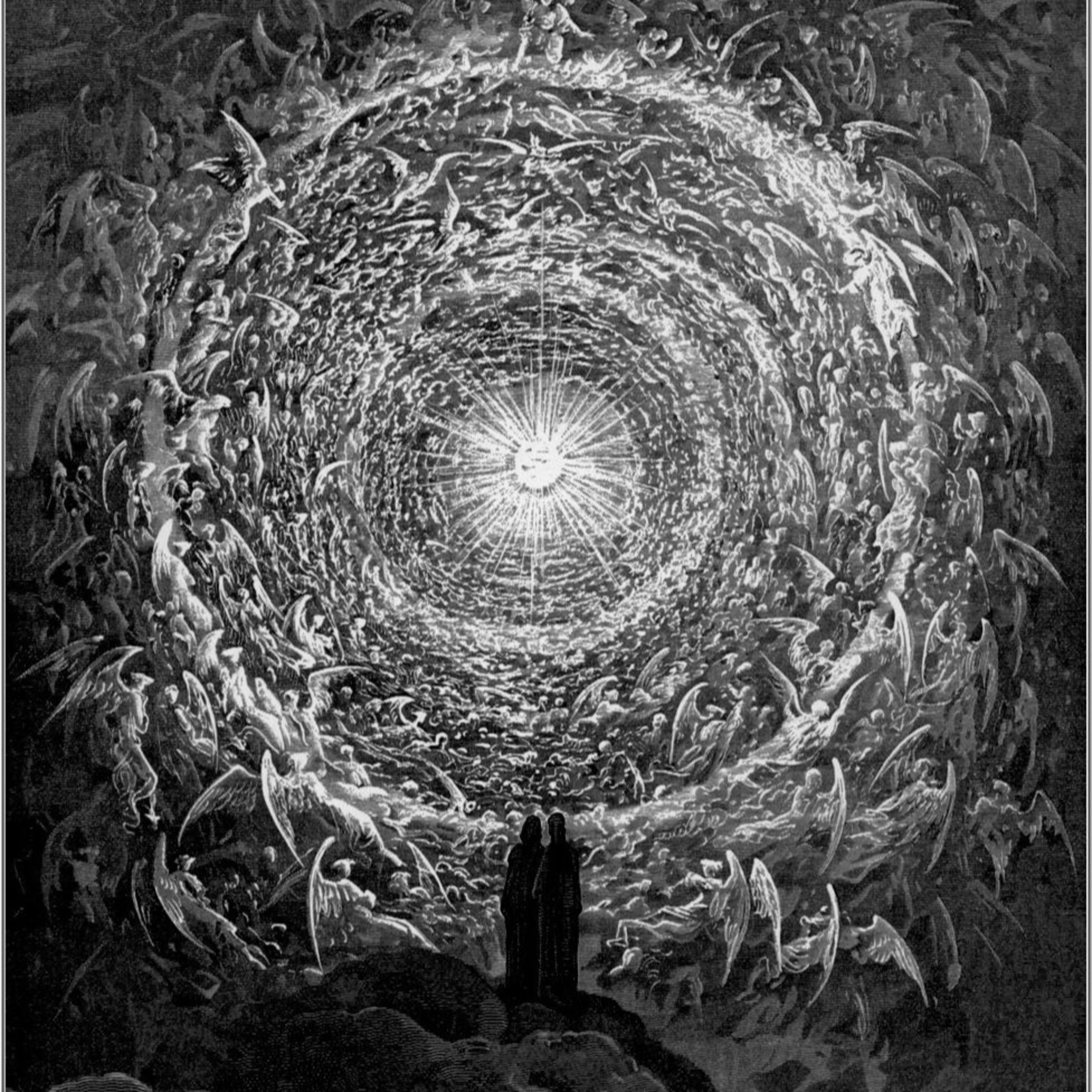
In this lecture we consider, (a) how the cross can be a symbol of the unification of divine and human nature, what the meaning of Mars' red color is, and how suffering and charity are linked to the purpose of human existence; (b) we made connections between Cacciaguida and Anchises from Virgil's and Dante and Aeneas; and (c) we considered whether Dante's exile, though it seems bad, could actually be good because it gives him a new on the problems and factionalism (of which he was a part) in Florence. --- Send in a voice message: https://anchor.fm/alexander-schmid9/message Support this podcast: https://anchor.fm/alexander-schmid9/support
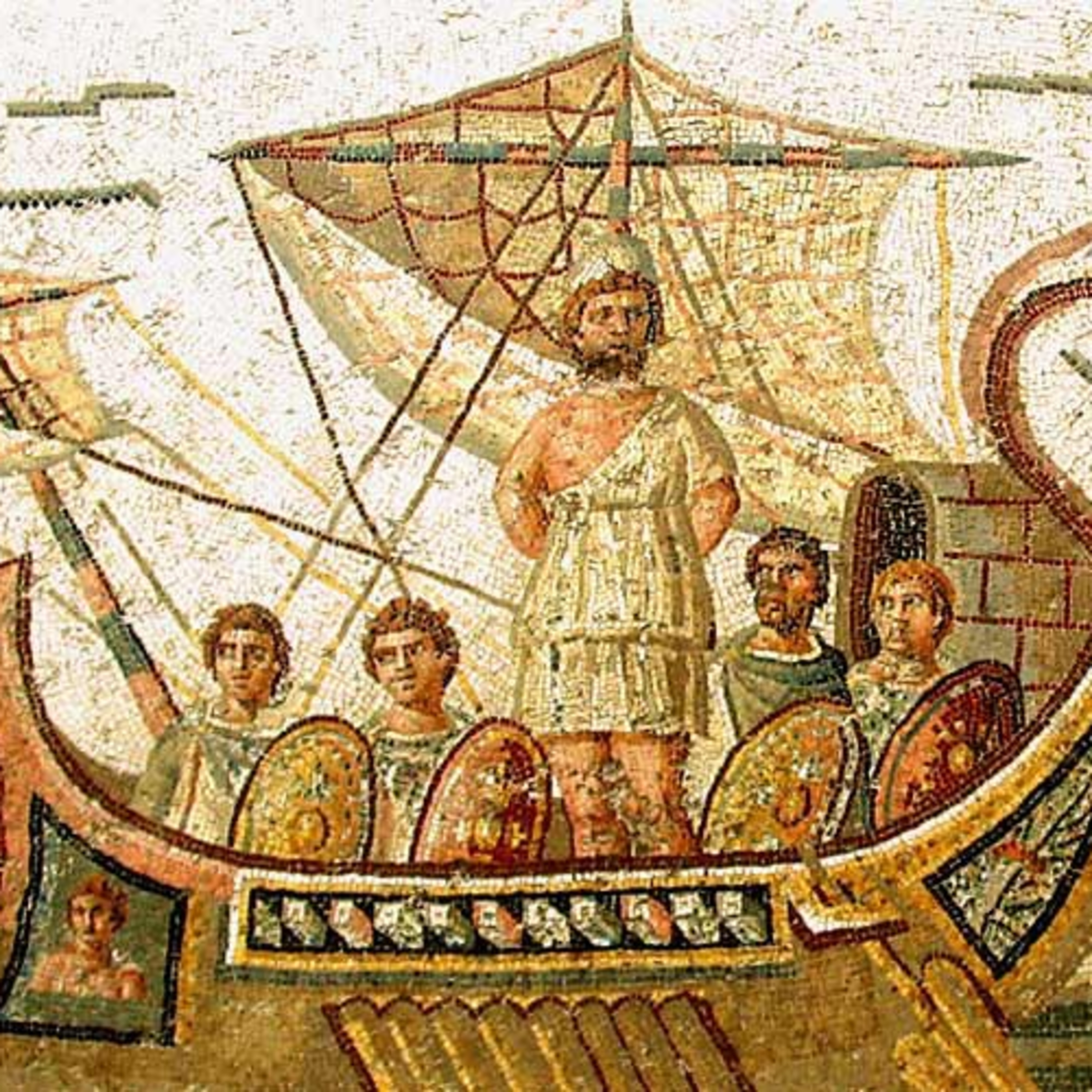
In this lecture, we (a) revisit the many sufferings and humiliations of Odysseus both on Ithaka and from his travels before; (b) witness the beginning stages of the famous between Odysseus in disguise and Penelope; and (c) witness more poor behavior and trampling on the by the suitors and a new beggar named Arnaios, but known as Iros. --- Send in a voice message: https://anchor.fm/alexander-schmid9/message Support this podcast: https://anchor.fm/alexander-schmid9/support
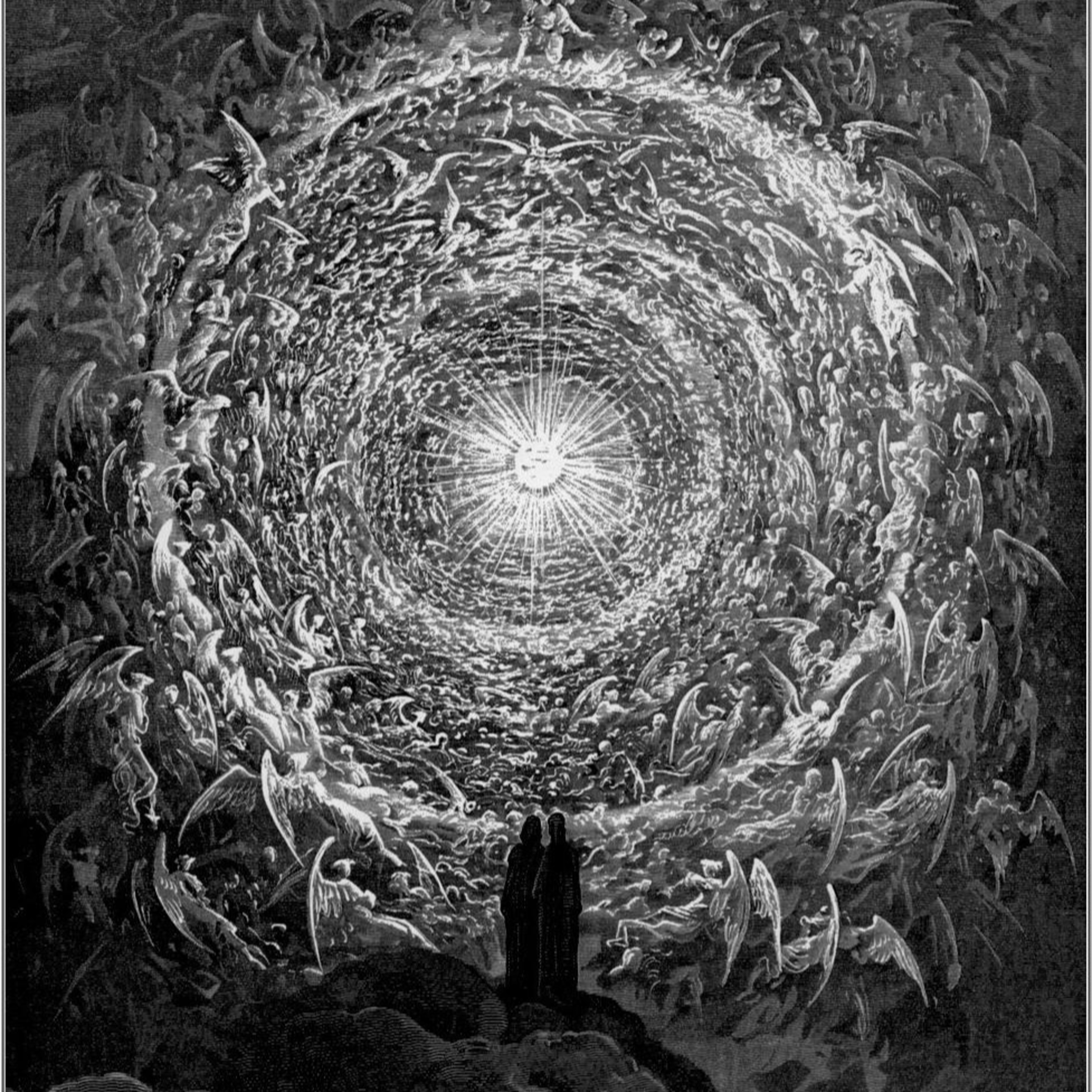
In this lecture, we consider (a) the themes, shape, speakers, of Dante's fourth sphere of heaven, The Sun; (b) we consider the shared perspectives of St. Thomas Aquinas on St. Francis of Assisi (10, 11, 13), and the perspective of St. Bonaventure on St. Dominic; (c) we conclude by considering in which way King Solomon, the fifth light on Aquinas' circle, could be perfect like Adam and Christ. --- Send in a voice message: https://anchor.fm/alexander-schmid9/message Support this podcast: https://anchor.fm/alexander-schmid9/support
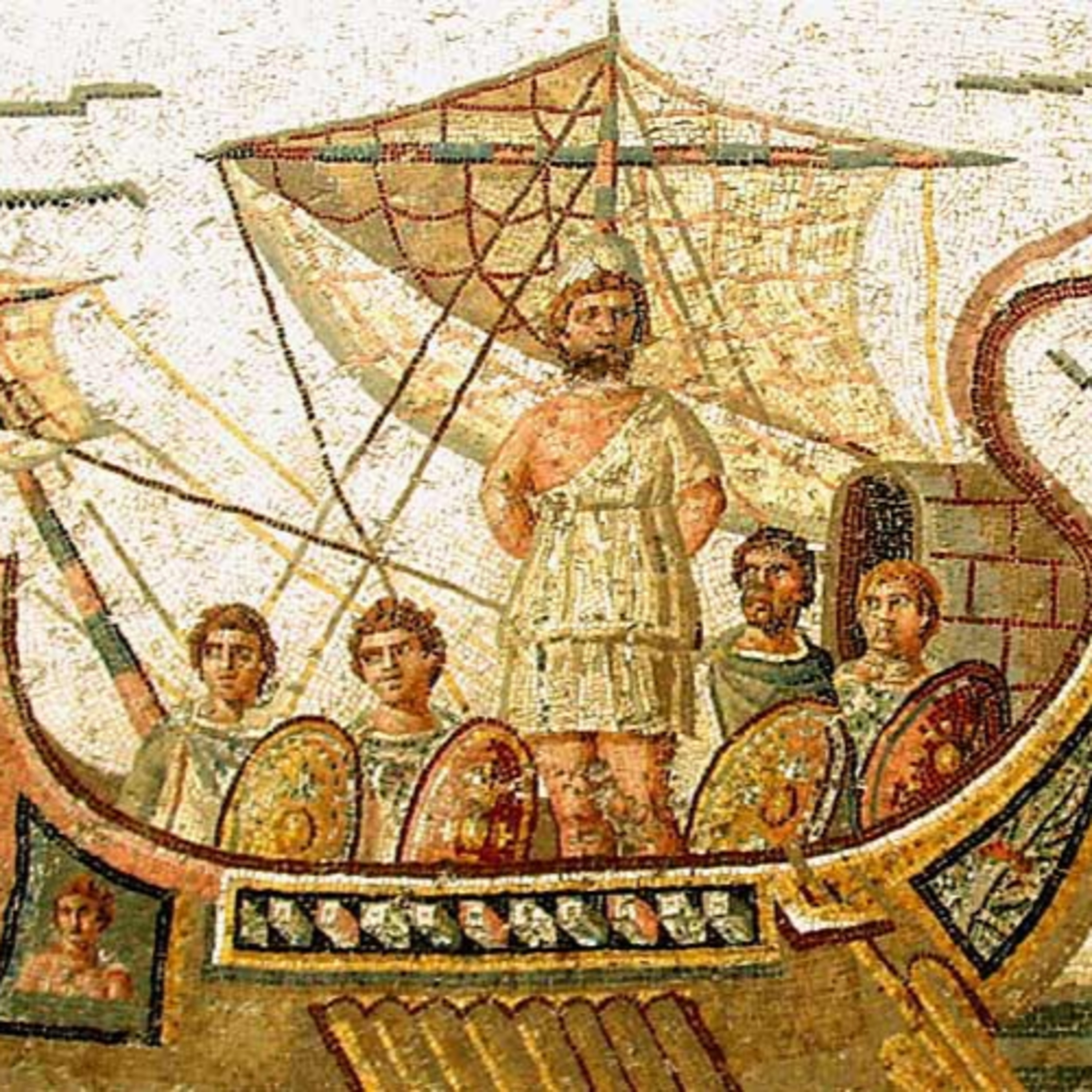
In this lecture, we observe: (a) the reunion of Telemachos and Odysseus and their plot to destroy the suitors; (b) we meet Melanthios, the ungracious goatherd, and observe how some in Ithaka have turned from Odysseus and from what is right; (c) and we conclude with an examination of Argos, the old hunting dog of Odysseus, as a symbol for what Ithaka has become in Odysseus' absence. --- Send in a voice message: https://anchor.fm/alexander-schmid9/message Support this podcast: https://anchor.fm/alexander-schmid9/support
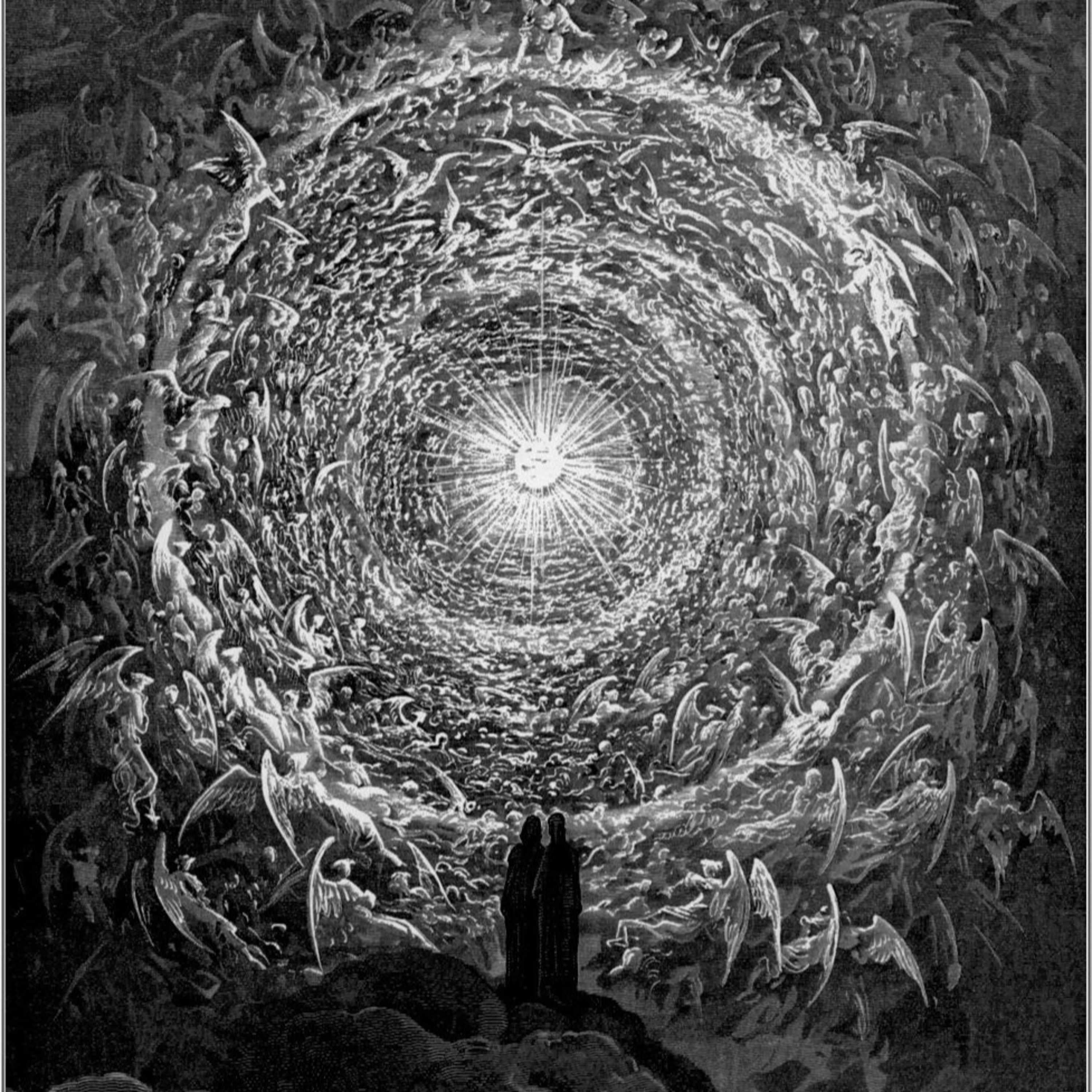
In this lecture we consider, (a) Dante's argument for why god became man; and then we move into (b) Venus, and meet Charles Martel, Cunizza da Romano, Folco de Marseilles, and Rahab, the prostitute of Jericho; (c) we conclude with a brief consideration of the relationship between the stars, one's providential destiny, and one's choices on earth. --- Send in a voice message: https://anchor.fm/alexander-schmid9/message Support this podcast: https://anchor.fm/alexander-schmid9/support
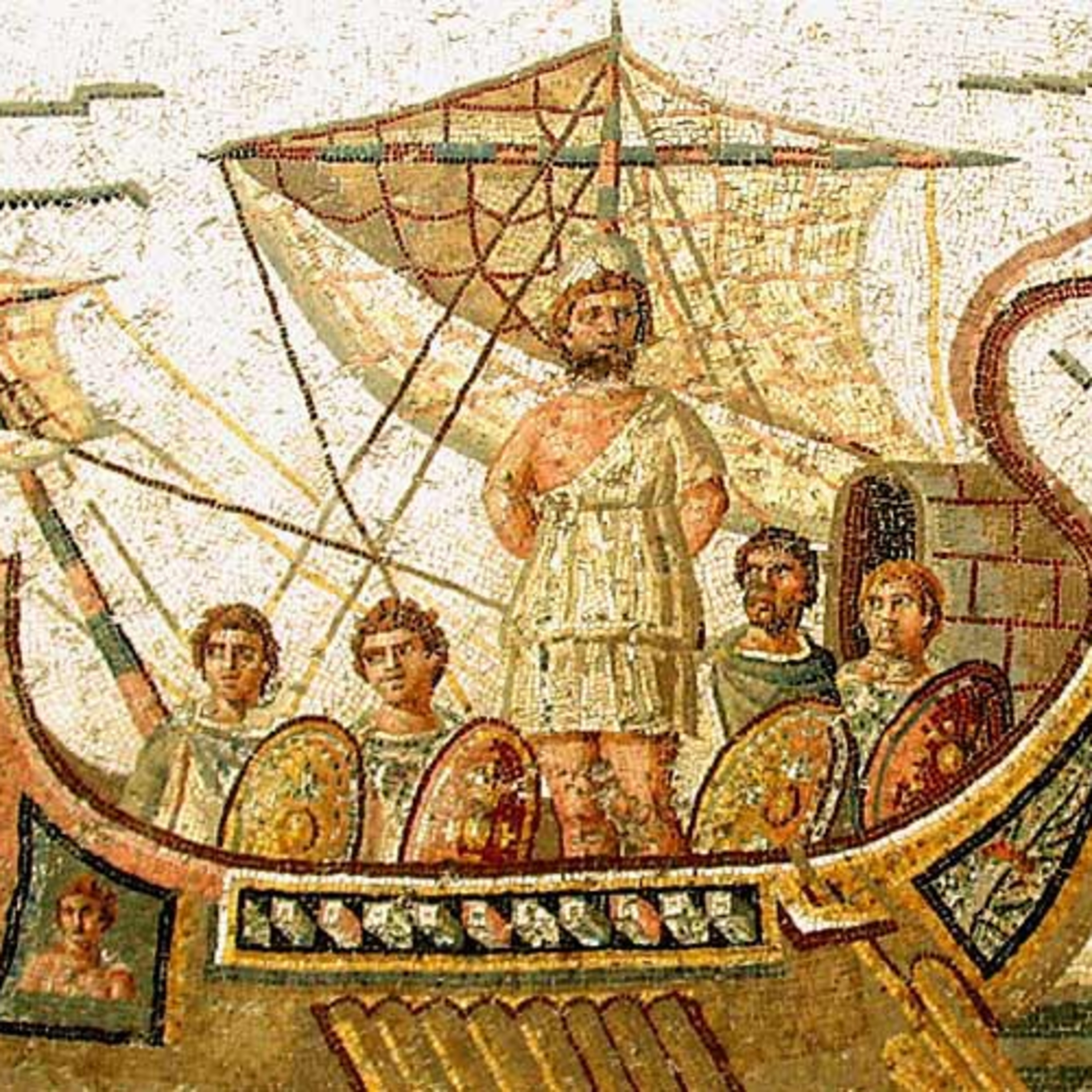
In this lecture, we (a) begin the third and final part of Homer's "Odyssey" (Part 1: Bks 1-4; Part 2: Bks 5-13; Part 3: Bks 14-24) (b) observe the hospitality of Eumaios and parallels between him and Odysseus, (c) and see Telemachos meet Eumaios in front of his long-lost, and disguised, father, Odysseus. --- Send in a voice message: https://anchor.fm/alexander-schmid9/message Support this podcast: https://anchor.fm/alexander-schmid9/support
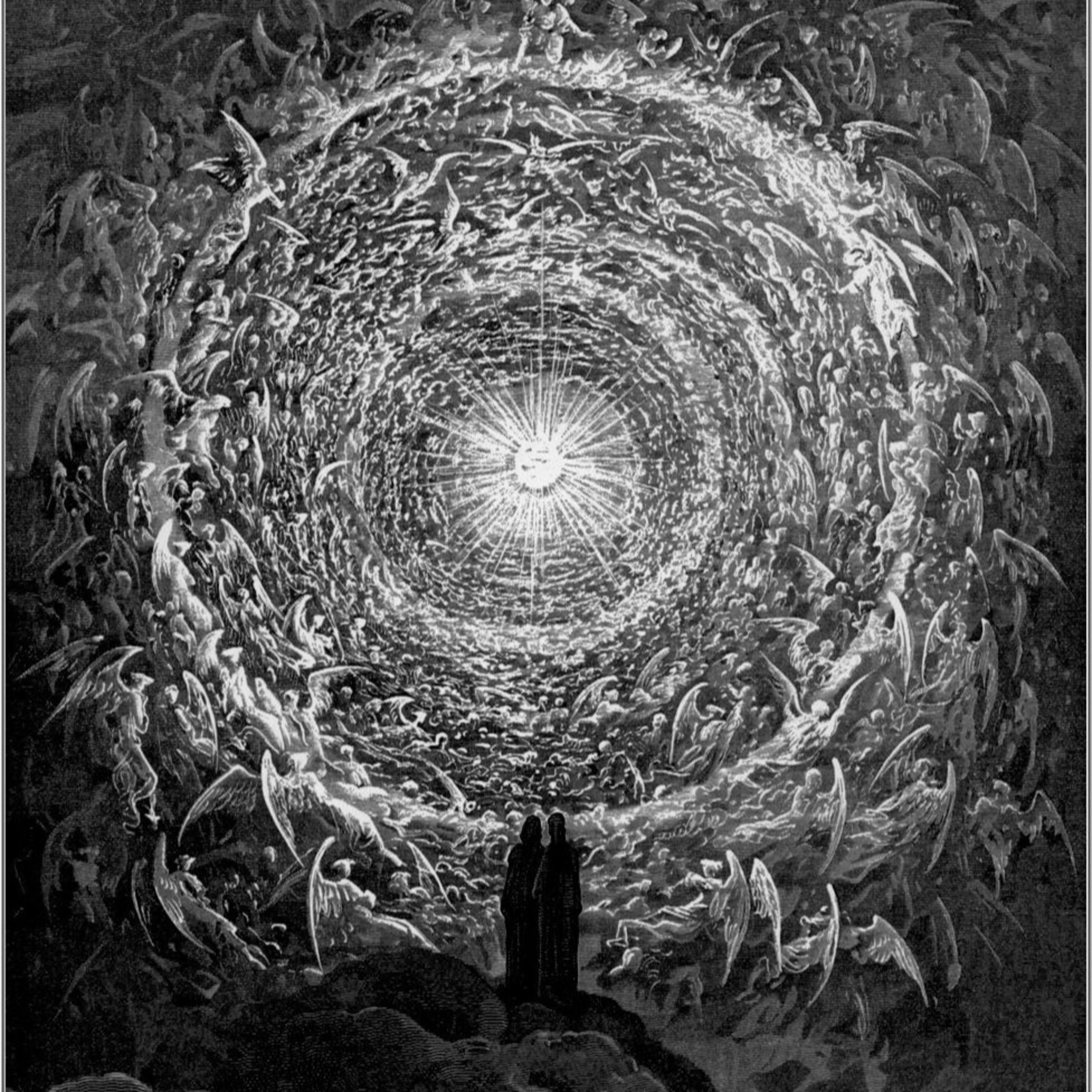
In this lecture, we consider (a) the second sphere of Paradise: Mercury and make several connections between the number six (6th century emperor, 6th cantos in each canticle, 6th book of Virgil's "Aeneid"); (b) we observe the speech of Justinian and the mythological and factual history of Rome from Aeneas to the Caesars to Charlemagne and downward to contemporary Guelphs and Ghibellines; and (c) we conclude by having an emperor consider the humble individual: Romeo de Villenueve. --- Send in a voice message: https://anchor.fm/alexander-schmid9/message Support this podcast: https://anchor.fm/alexander-schmid9/support

In this lecture we observe: (a) Odysseus' encounter with the Sirens, Skylla and Charybdis, and the Cattle of the Sun on Thrinakia; (b) Poseidon turning the Phaiakian ship to stone (and Odysseus being deposited in Ithaka); (c) and Odysseus being reunited with Athene (conspicuously at home), and plotting the destruction of the suitors. --- Send in a voice message: https://anchor.fm/alexander-schmid9/message Support this podcast: https://anchor.fm/alexander-schmid9/support
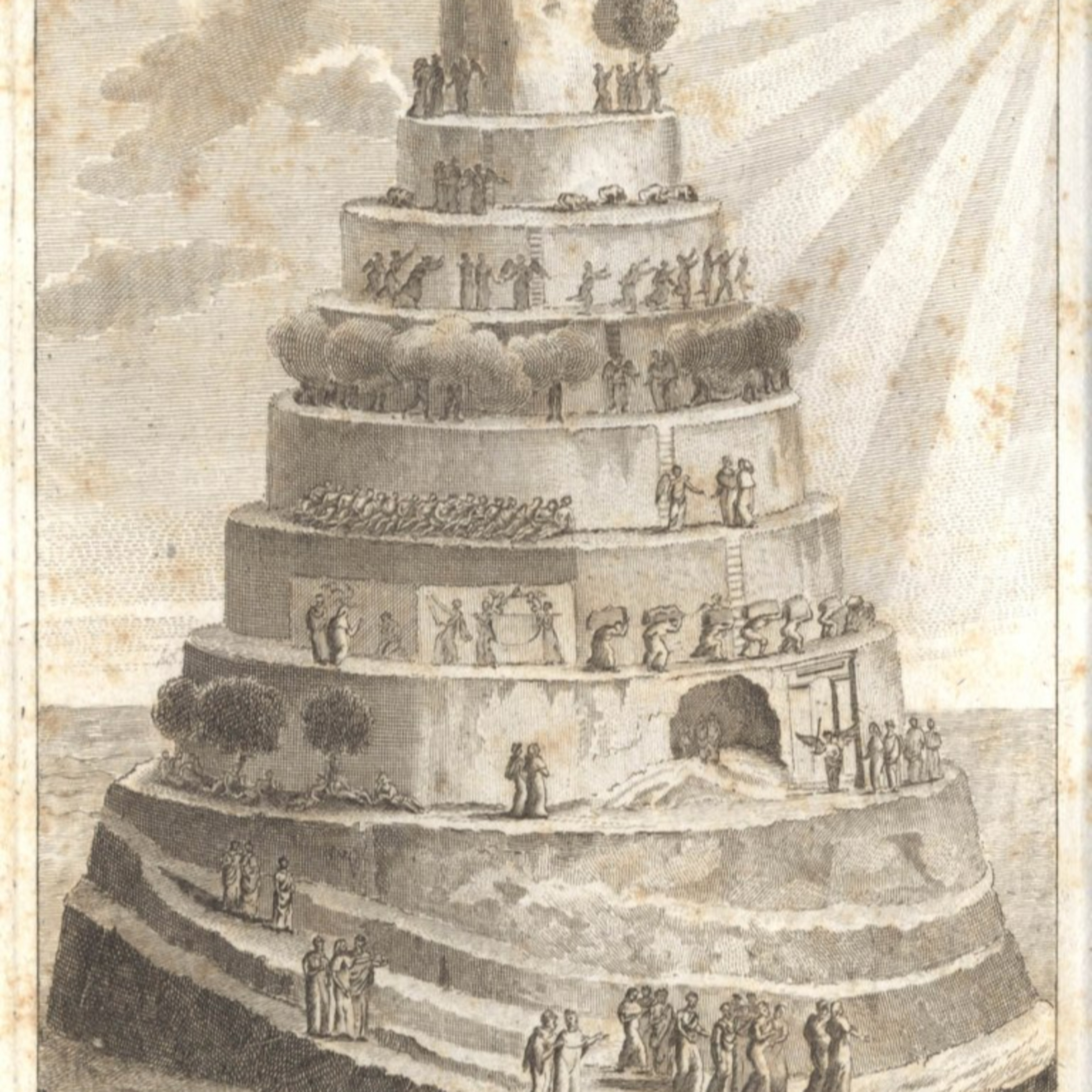
In this review session on Dante's "Purgatorio," cantos 1-28 are reviewed: from Dante's entrance to Purgatory to his third and final dream before his ascent into Terrestrial Paradise. If a review on Terrestrial Paradise is desired, revisit Lecture 27 (Purgatorio Lecture 10) from this year. Students, please note that the audio covers slides 1-89; the final slides (90-120) are covered by Lecture 27 from this year. --- Send in a voice message: https://anchor.fm/alexander-schmid9/message Support this podcast: https://anchor.fm/alexander-schmid9/support
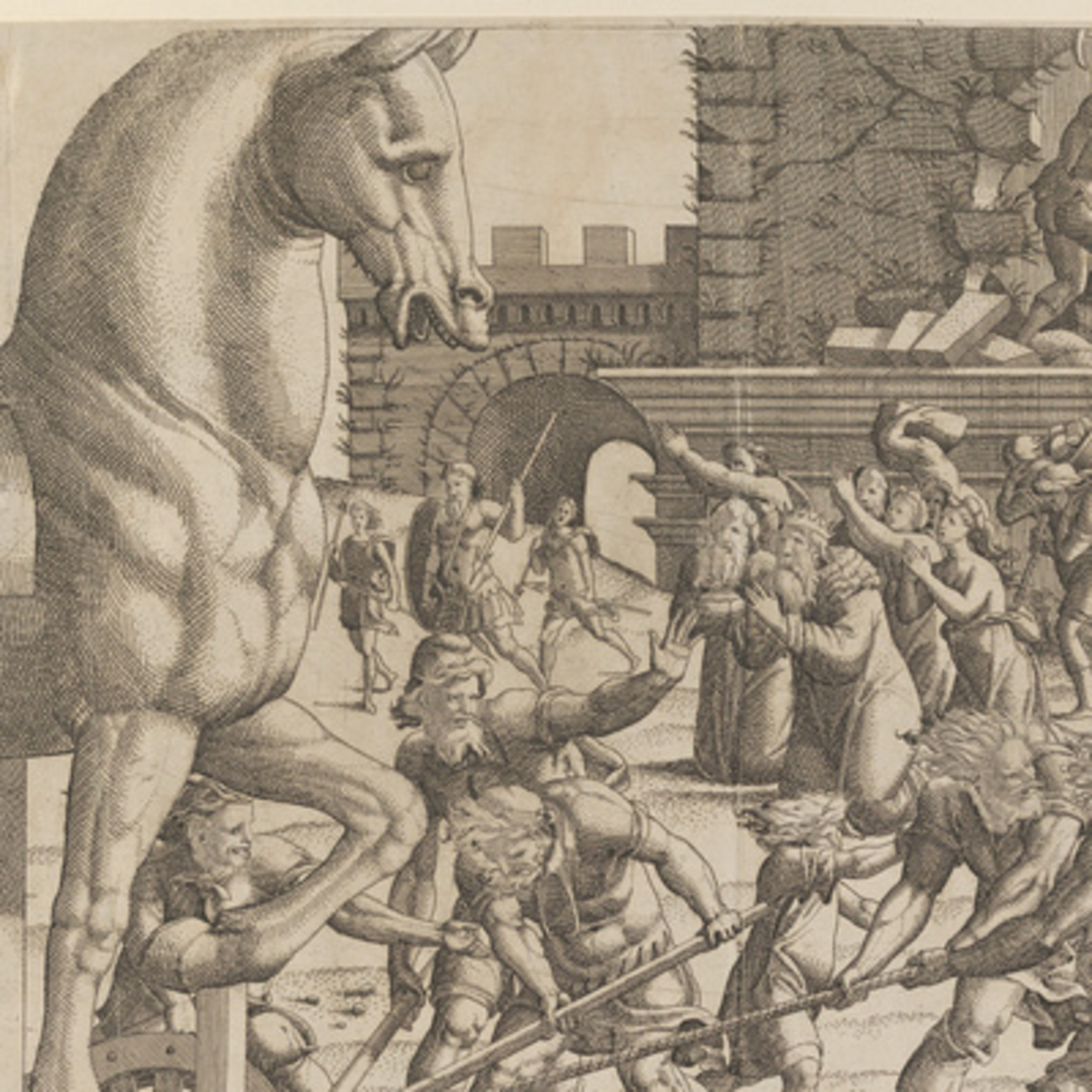
In this lecture, the entire narrative of Homer's "Iliad" is rapidly reviewed. The review includes major events, characters, and themes. --- Send in a voice message: https://anchor.fm/alexander-schmid9/message Support this podcast: https://anchor.fm/alexander-schmid9/support
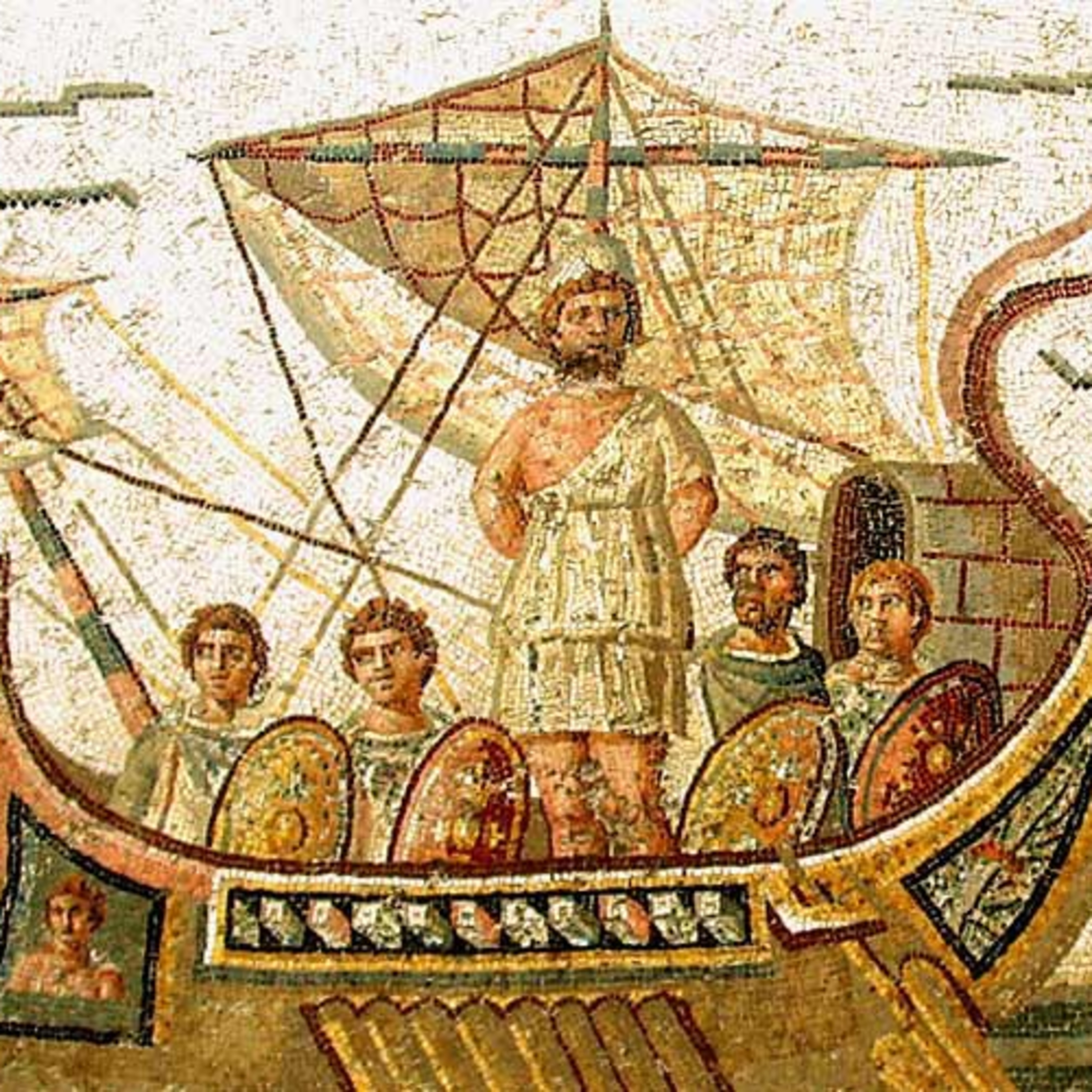
In this lecture, we conclude our trip into Homer's underworld: (a) we meet Agamemnon, Achilleus, and Aias the Greater again, (b) see the arch-sinners Tityos, Tantalos, and Sisyphos, and (c) learn about the strange condition of Herakles, both shade and god. --- Send in a voice message: https://anchor.fm/alexander-schmid9/message Support this podcast: https://anchor.fm/alexander-schmid9/support

In this lecture, we introduce Dante’s “Paradiso”. Specifically, we consider (a) Ptolemy’s geocentric model of the universe and its relation to Paradise; (b) we consider Ovidian elements in Dante’s “Paradiso” as well as whether (1) Dante is fully in Paradise, (2) his mind is in Paradise, or (3) Paradise is within him, and (c) we meet Piccarda Donati and Empress Constance in The Sphere of the Moon and consider six profound questions. --- Send in a voice message: https://anchor.fm/alexander-schmid9/message Support this podcast: https://anchor.fm/alexander-schmid9/support
