


Charlotte Mason Poetry


About
Available on








Community
590 episodes
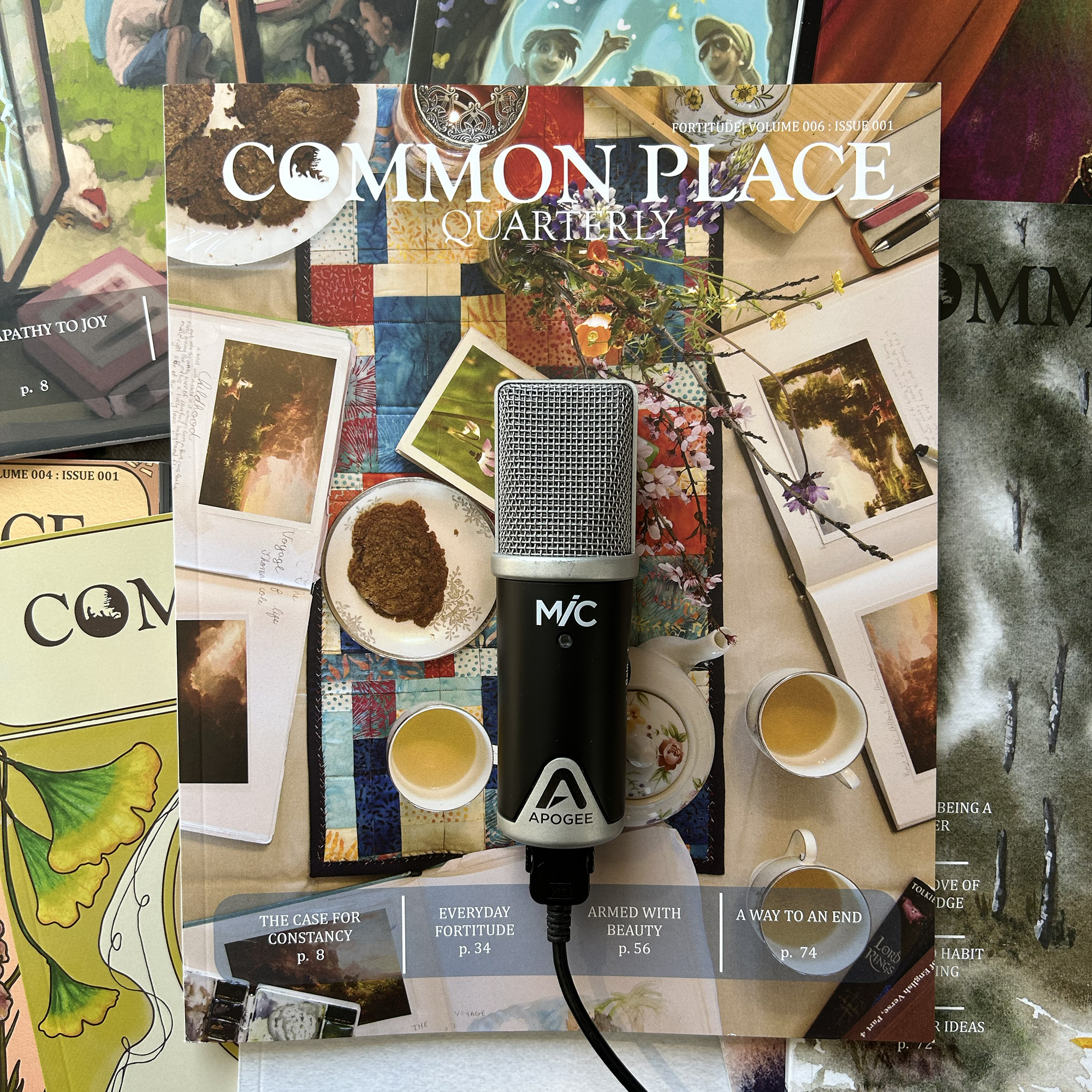
Imagine what it would be like to have a quiet growing place for parents in a digitally saturated world. A place where parents and educators could be mentored and instructed in Charlotte Mason’s ideas without looking at a screen. A place where the beauty of the printed page could speak to the heart. Cara Williams … The post An Uncommon Quarterly https://charlottemasonpoetry.org/an-uncommon-quarterly/ first appeared on Charlotte Mason Poetry https://charlottemasonpoetry.org.

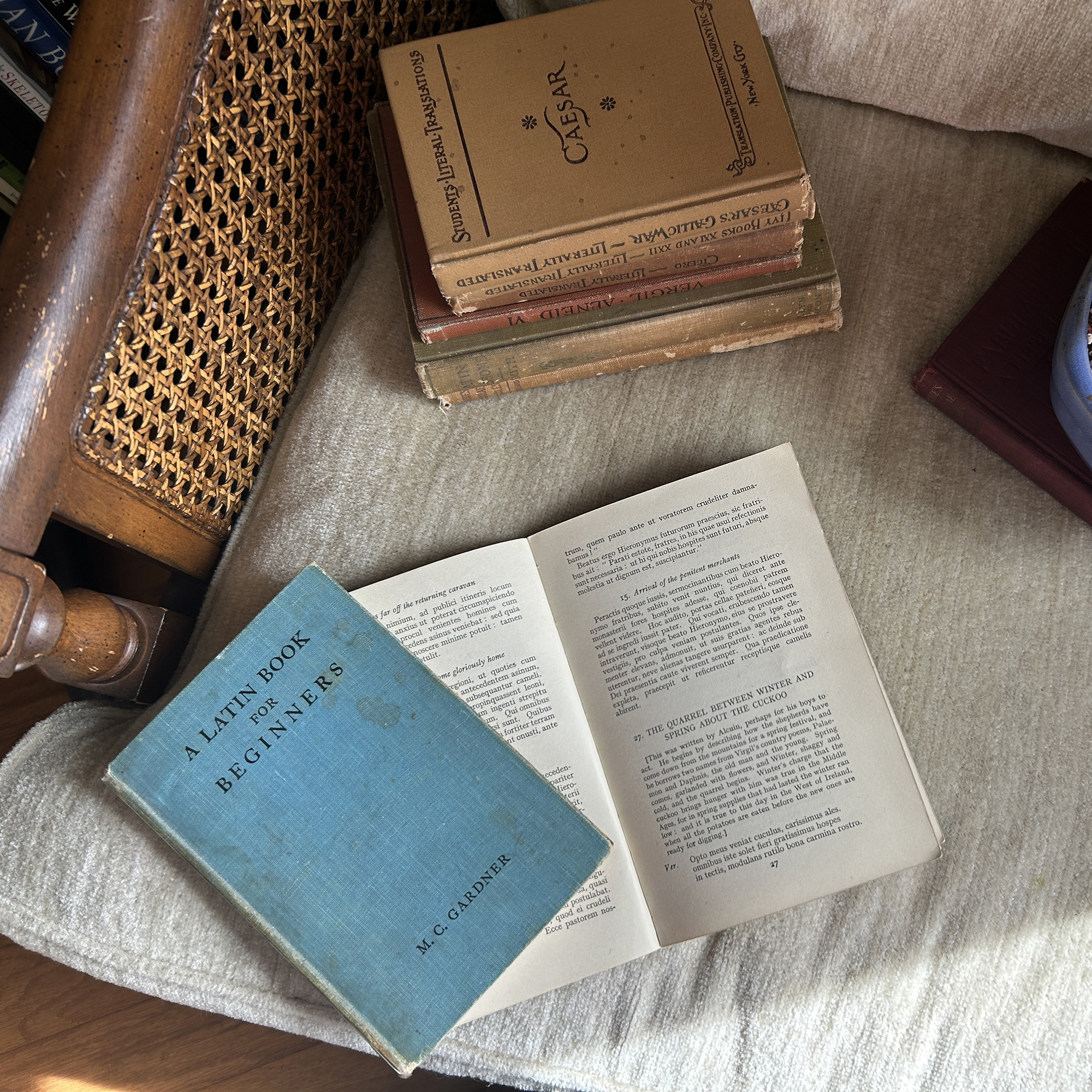
Editor’s Note by Angela Reed The defense of Latin is a tradition almost as old as the language itself. In the modern era, one can find many passionate defenders of lingua Latina in homeschool discussion forums or in Facebook groups, where they swiftly emerge out of the digital woodwork in response to posts like the … The post Latin — the elegant Tongue https://charlottemasonpoetry.org/latin-the-elegant-tongue/ first appeared on Charlotte Mason Poetry https://charlottemasonpoetry.org.
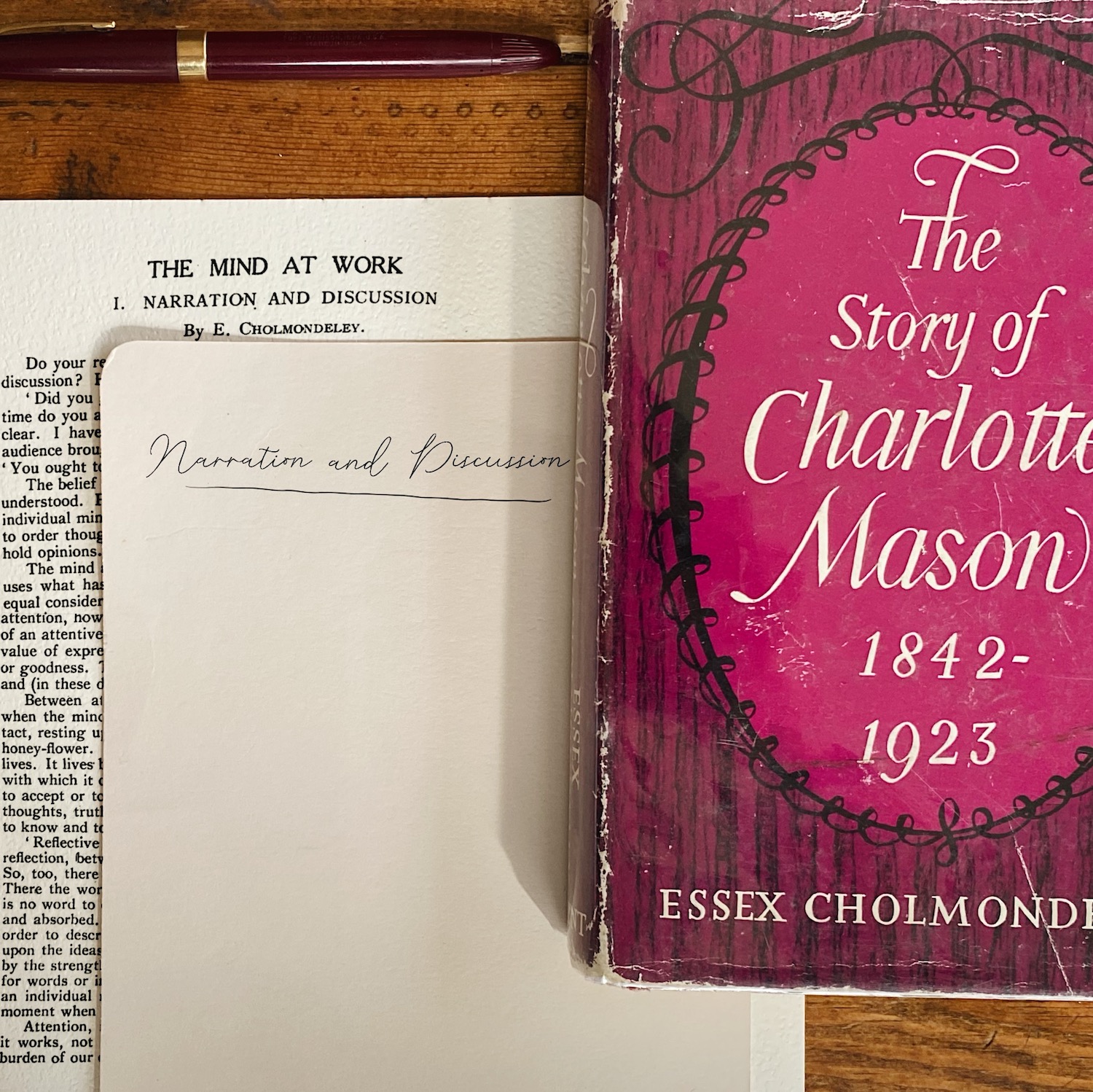
Editor’s Note, by Art Middlekauff In 1944, Essex Cholmondeley had not yet written her biography of Charlotte Mason, and she was no longer principal of the House of Education. Nevertheless she was still quite active in the PNEU, and she occasionally wrote articles for The Parents’ Review to shed light on educational issues of her … The post The Mind at Work https://charlottemasonpoetry.org/the-mind-at-work/ first appeared on Charlotte Mason Poetry https://charlottemasonpoetry.org.

Editor’s Note, by Art Middlekauff Daisy Golding was the Headmistress of the Hanham Road Girls’ Elementary School in Bristol. In 1918, her school took the bold step of adopting the Charlotte Mason method. She quickly became an expert in the method and corresponded frequently with Miss Mason herself. In June 1920, a conference was held … The post The Disappearance of Difficulties https://charlottemasonpoetry.org/the-disappearance-of-difficulties/ first appeared on Charlotte Mason Poetry https://charlottemasonpoetry.org.
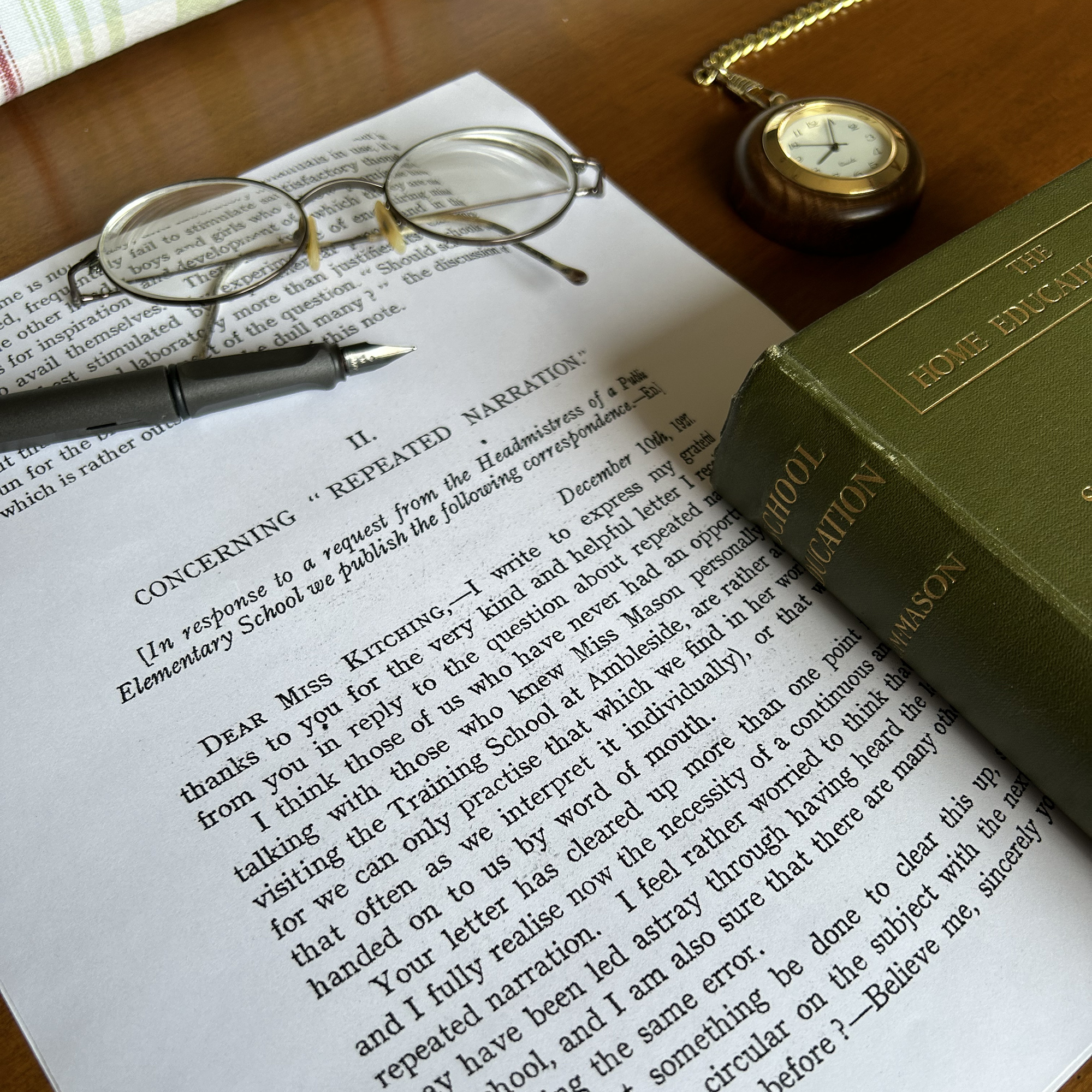
Editor’s Note, by Art Middlekauff In the fall of 1927, a headmistress wrote to Elsie Kitching to ask about a fine point in the practice of narration in a group setting. Elsie Kitching’s response not only clarified the fine point but also provided a robust model for how to interpret and apply Charlotte Mason’s method. … The post Concerning Repeated Narration https://charlottemasonpoetry.org/concerning-repeated-narration/ first appeared on Charlotte Mason Poetry https://charlottemasonpoetry.org.
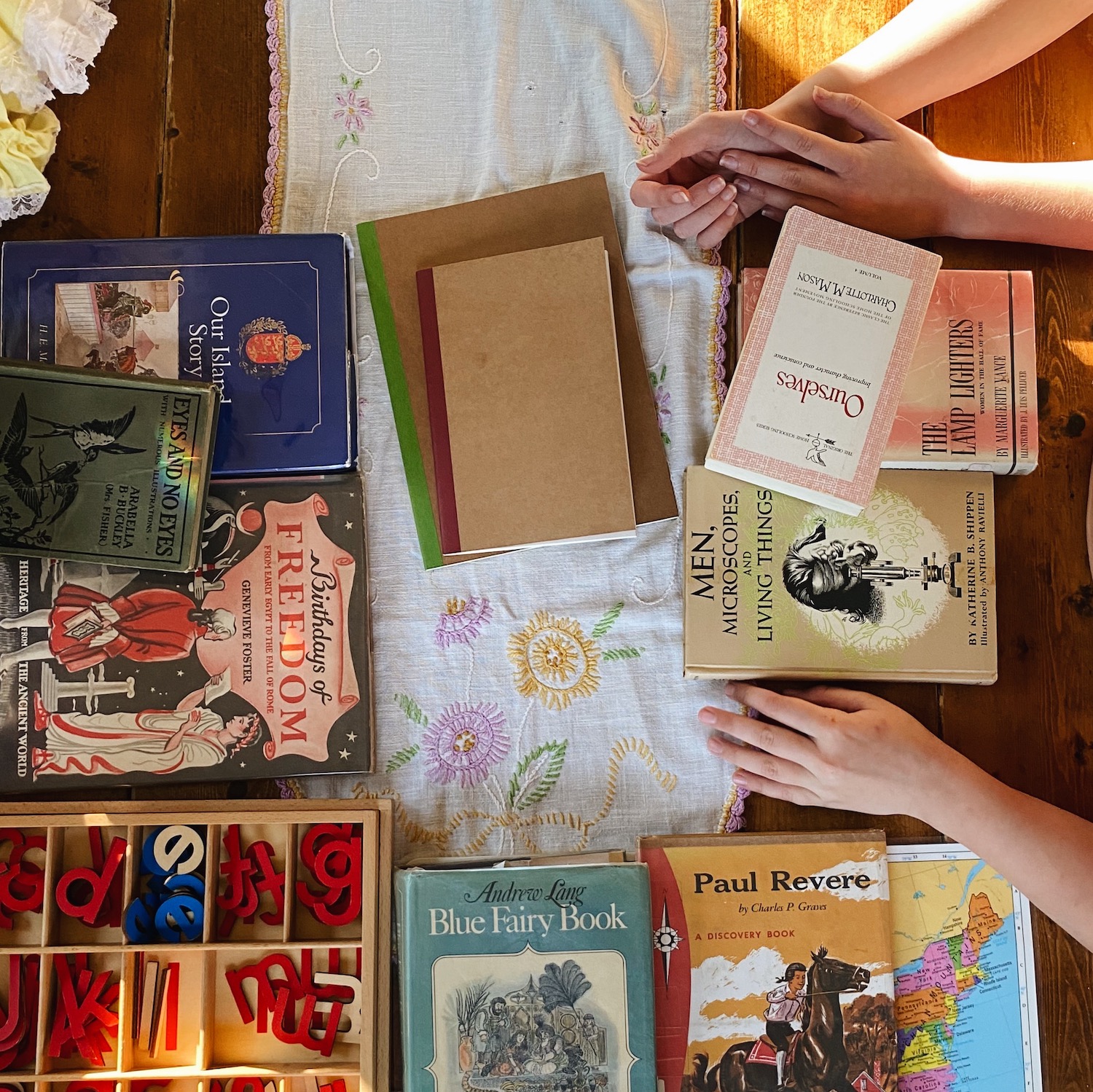
Editor’s Note, by Art Middlekauff In the final pages of the December 1921 issue of The Parents’ Review, five paragraphs appeared under the heading, “Extract from a letter.” No information was given about the writer or recipient of the letter, but the excerpt described a method by which a school with “a little organisation will … The post The Group System https://charlottemasonpoetry.org/the-group-system/ first appeared on Charlotte Mason Poetry https://charlottemasonpoetry.org.
Personhood Explored: The Atmosphere of Personhood This is the final article in a series on Charlotte Mason’s concept of personhood. The first article dealt with Mason’s doctrine of personhood, discussing what Mason believed the human person is. The second article explored how Mason’s doctrine of personhood inevitably led her to urge the pursuit of specific … The post Charlotte Mason’s Paradoxical Principle, Part 3 https://charlottemasonpoetry.org/personhood-explored-part-3/ first appeared on Charlotte Mason Poetry https://charlottemasonpoetry.org.
Personhood Explored: The Discipline of Personhood This is the second article in a three-part series exploring Charlotte Mason’s concept of personhood. The first article was concerned with personhood from the angle of doctrine. That is, what did Mason believe theologically about the personhood of human beings, and thus the personhood of children? Out of doctrine … The post Charlotte Mason’s Paradoxical Principle, Part 2 https://charlottemasonpoetry.org/personhood-explored-part-2/ first appeared on Charlotte Mason Poetry https://charlottemasonpoetry.org.
From the time I was very young, I felt strongly that I was a person. I felt I was a unique individual, with undiscovered depths within me waiting to shine forth. One way I attempted to “shine forth” my unique personhood as a child was in climbing a large spruce tree that edged my church … The post Charlotte Mason’s Paradoxical Principle, Part 1 https://charlottemasonpoetry.org/personhood-explored-part-1/ first appeared on Charlotte Mason Poetry https://charlottemasonpoetry.org.

Two weeks ago we met Olive Norton, the homeschool mother who taught her daughter at home all the way through the secondary level. Then we learned that after graduating her daughter, Mrs. Norton became the headmistress of a small PNEU school. On a fateful January day in the early 1970s, two girls visited that school. … The post Olive Norton: The Recording https://charlottemasonpoetry.org/olive-norton-the-recording/ first appeared on Charlotte Mason Poetry https://charlottemasonpoetry.org.
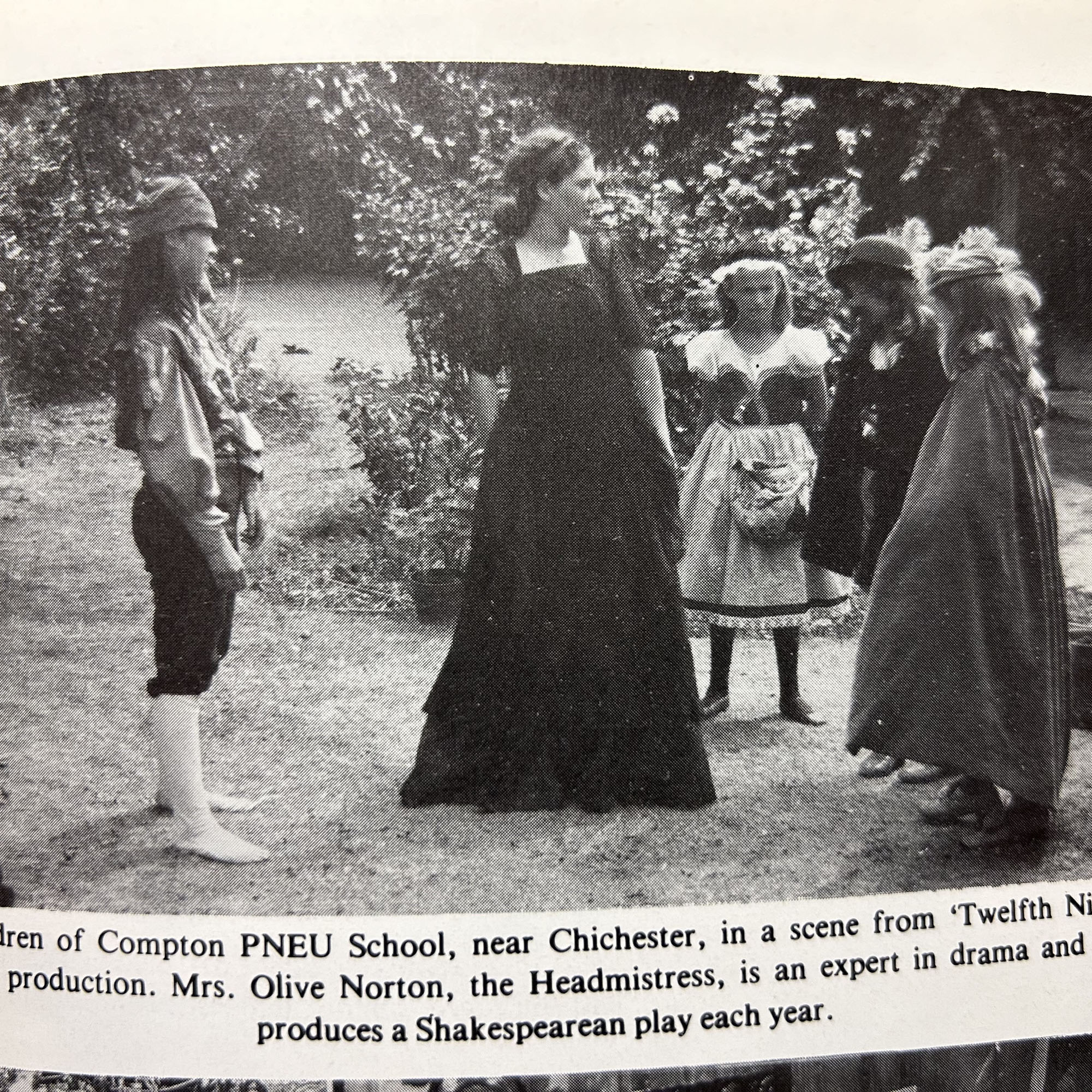
Editor’s Note, by Art Middlekauff Last week we shared the remarkable story of Olive Norton, the homeschool mother. Her testimony as a mother-teacher was reported in the 1962 issue of The Parents’ Review, soon after her daughter had left the “home-schoolroom … at the age of sixteen and a half years.” As with many parents … The post Olive Norton: The PNEU Teacher https://charlottemasonpoetry.org/olive-norton-the-pneu-teacher/ first appeared on Charlotte Mason Poetry https://charlottemasonpoetry.org.
Editor’s Note, by Art Middlekauff In December 1962, an extraordinary article appeared in The Parents’ Review. Entitled “A P.U.S. Home-Schoolroom,” it was written by a veteran homeschool mother named Olive Norton. Mrs. Norton wrote the article at the end of her homeschooling journey; she had educated her children for more than twelve years. On this … The post Olive Norton: The Homeschool Mother https://charlottemasonpoetry.org/olive-norton-the-homeschool-mother/ first appeared on Charlotte Mason Poetry https://charlottemasonpoetry.org.

Twenty-two years ago I was a young father with a little boy, my first child, aged two. My father-in-law called me aside. “How are you going to educate your son?” he asked. I had no idea. I had hopes and fears for the future, but I had no vision. I wanted the best for this … The post A Father and Son Look Back https://charlottemasonpoetry.org/a-father-and-son-look-back/ first appeared on Charlotte Mason Poetry https://charlottemasonpoetry.org.

Editor’s Note, by Art Middlekauff Frances Blogg (1869–1938) served as the Organising Secretary of the PNEU from 1896–1901.[1] During this time she was courted by and then engaged to the celebrated writer and philosopher G. K. Chesterton. After their marriage in 1901, Frances Chesterton moved on from her formal role in the PNEU, but she … The post The Carol of the Three Brothers https://charlottemasonpoetry.org/the-carol-of-the-three-brothers/ first appeared on Charlotte Mason Poetry https://charlottemasonpoetry.org.
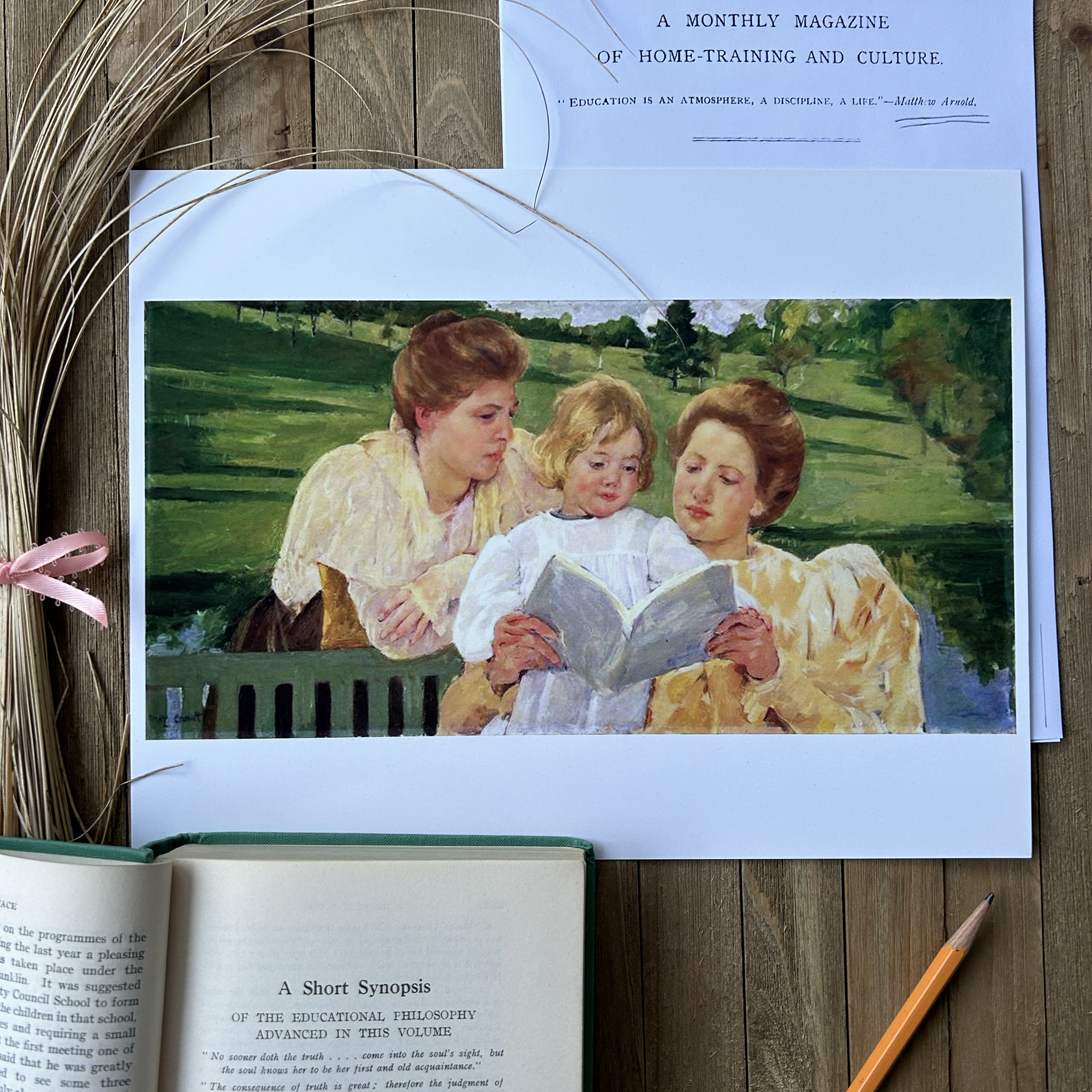
Editor’s Note, by Art Middlekauff In April 1890, the third issue of a fledgling periodical entitled The Parents’ Review was delivered to subscribers. Under the standard subtitle “A Monthly Magazine of Home-Training and Culture,” this third issue included yet another heading: “Education is an atmosphere, a discipline, a life.”—Matthew Arnold.[1] The next and following issues … The post Conversation Piece https://charlottemasonpoetry.org/conversation-piece/ first appeared on Charlotte Mason Poetry https://charlottemasonpoetry.org.
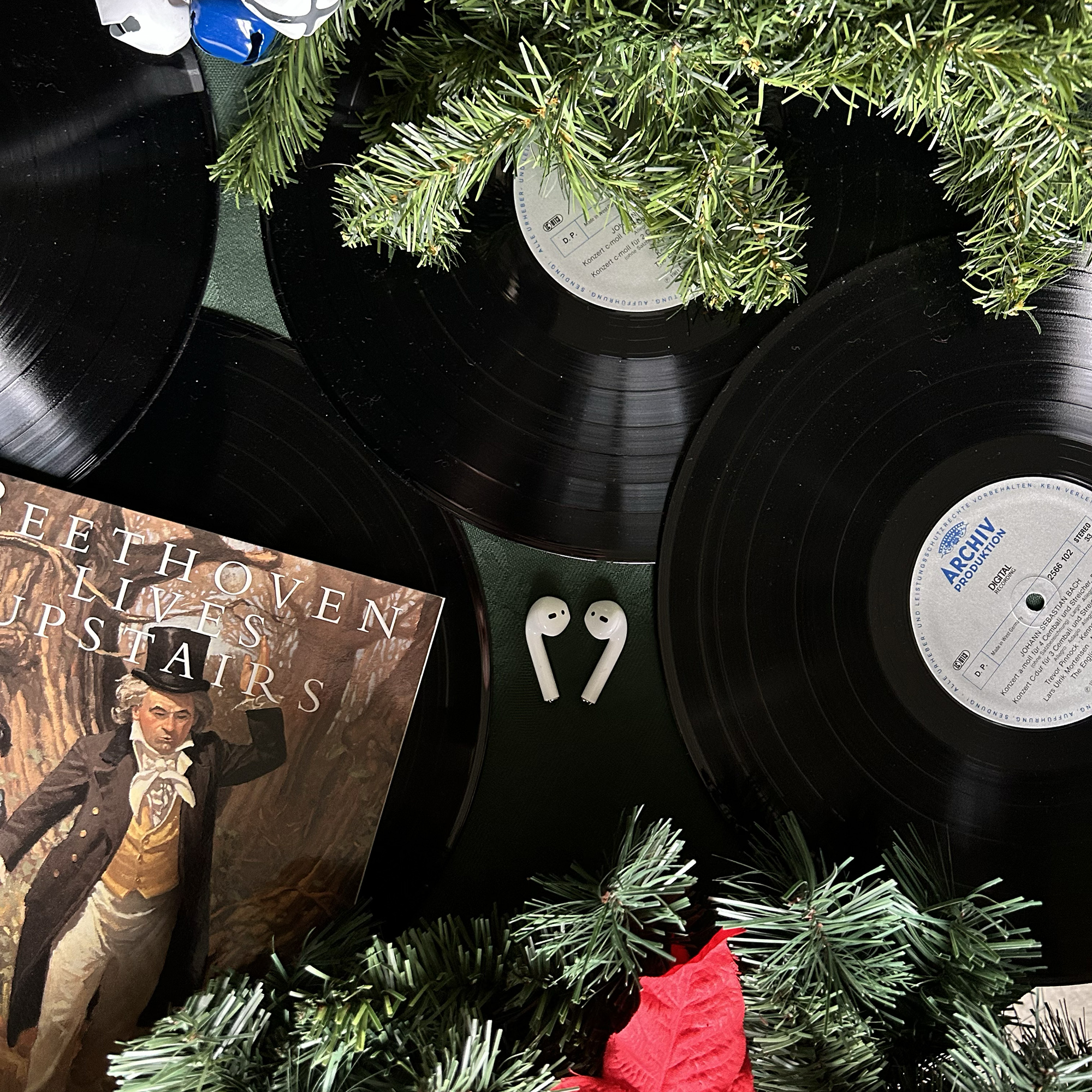
Editor’s Note, by Art Middlekauff Back in March we shared a 1961 article entitled “Joy to be Shared” by a schoolteacher named Donald Beswick. He was writing at a time when the popular conception of music was undergoing rapid and radical change, and he offered a bold and compelling case for the enduring value of … The post Joy to be Bought https://charlottemasonpoetry.org/joy-to-be-bought/ first appeared on Charlotte Mason Poetry https://charlottemasonpoetry.org.
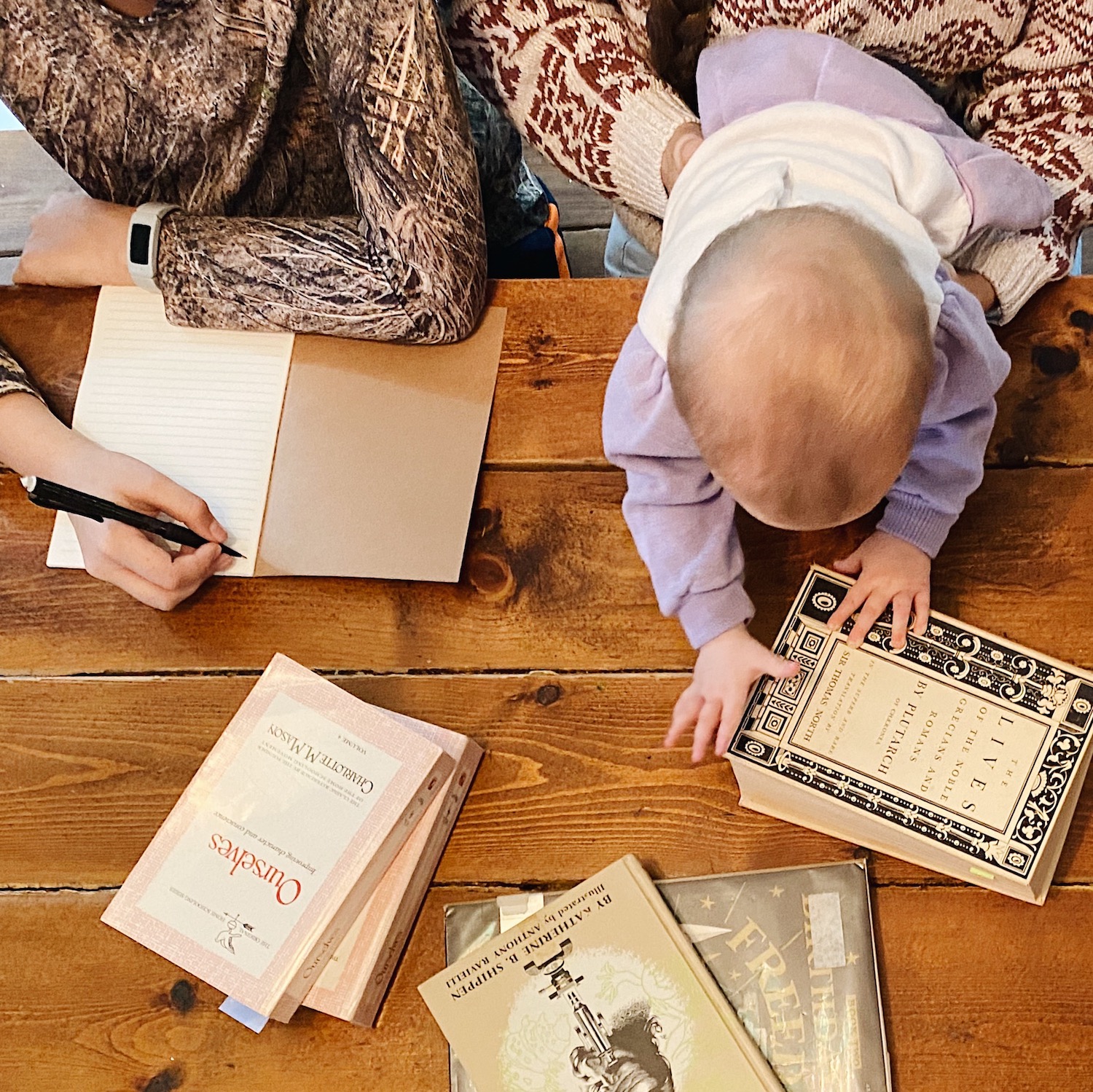
Editor’s Note, by Art Middlekauff “Many interesting letters from all parts of the world have been received at the Office,” stated the annual report of the PNEU in 1936. For example, “a letter of enquiry was received from Vancouver, the writer having been encouraged to write by reading of Mrs. Egerton Evans’ experiences in her … The post A Home-Schoolroom in Madeira https://charlottemasonpoetry.org/a-home-schoolroom-in-madeira/ first appeared on Charlotte Mason Poetry https://charlottemasonpoetry.org.
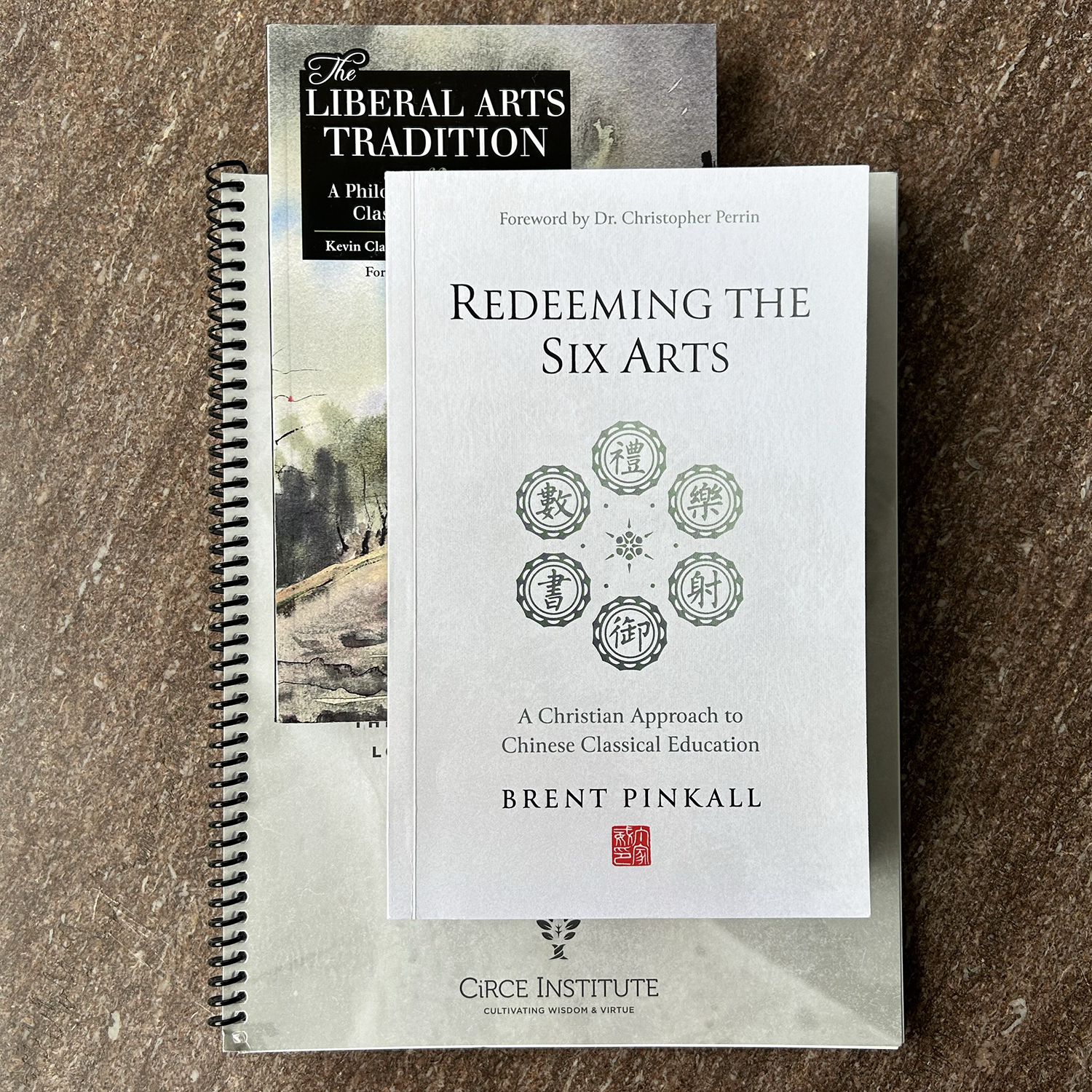
In July 2019 I had the privilege of attending the CiRCE National Conference. The topic that year was “A Contemplation of Form,” and the event was nothing less than a celebration of absolutes in a world of relativism. The conference opened with a panel discussion designed to “set the tone for the conference,”[1] and set … The post The Relativization of Classical Education https://charlottemasonpoetry.org/the-relativization-of-classical-education/ first appeared on Charlotte Mason Poetry https://charlottemasonpoetry.org.
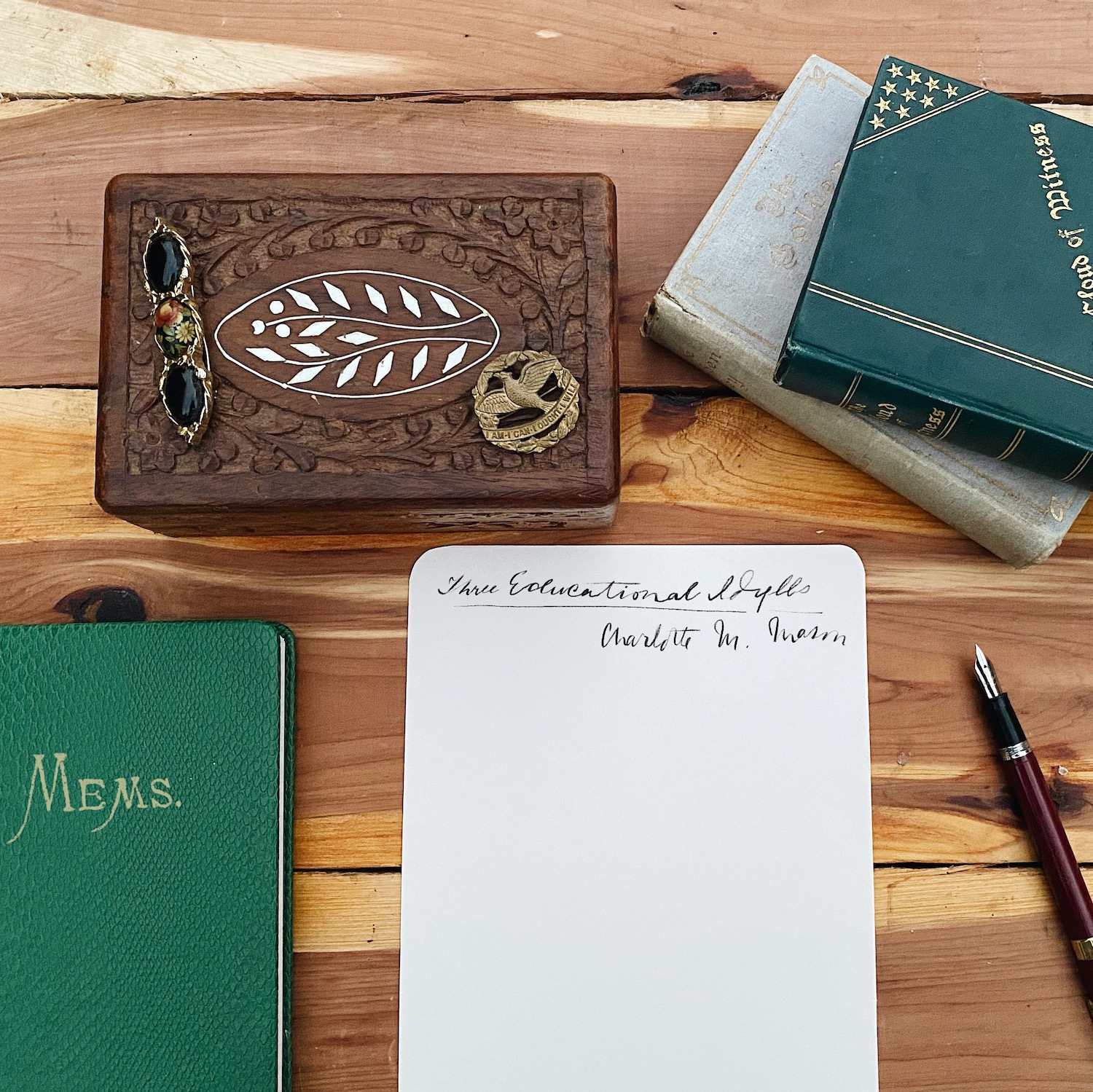
Editor’s Note, by Art Middlekauff Merriam-Webster defines an idyll as “a simple descriptive work in poetry or prose that deals with rustic life or pastoral scenes or suggests a mood of peace and contentment.”[1] In November 1912, Charlotte Mason observed that three educational idylls had emerged on the world scene. The first idyll was described … The post Three Educational Idylls https://charlottemasonpoetry.org/three-educational-idylls-podcast/ first appeared on Charlotte Mason Poetry https://charlottemasonpoetry.org.
When do children outgrow the Charlotte Mason method? The firm belief of Charlotte Mason and the PNEU was that they never do. That’s what we believe too. We’ve shared several Parents’ Review articles that address the upper forms from many perspectives, and now we’re discussing the lessons we’ve learned. In this very special episode, Antonella, … The post High School Roundtable https://charlottemasonpoetry.org/high-school-roundtable/ first appeared on Charlotte Mason Poetry https://charlottemasonpoetry.org.
Editor’s Note, by Jennifer Talsma On December 6, 1935, over 50 people from around Ireland gathered to attend a meeting of the PNEU’s Dublin Branch, held in Milford, County Armagh. They were addressed by Mrs. Claudia Shelley and Mr. Monk Gibbon. Mrs. Shelley, who gave the address that follows, was a graduate of the House … The post Education in The Parents’ Union School https://charlottemasonpoetry.org/education-in-the-parents-union-school/ first appeared on Charlotte Mason Poetry https://charlottemasonpoetry.org.
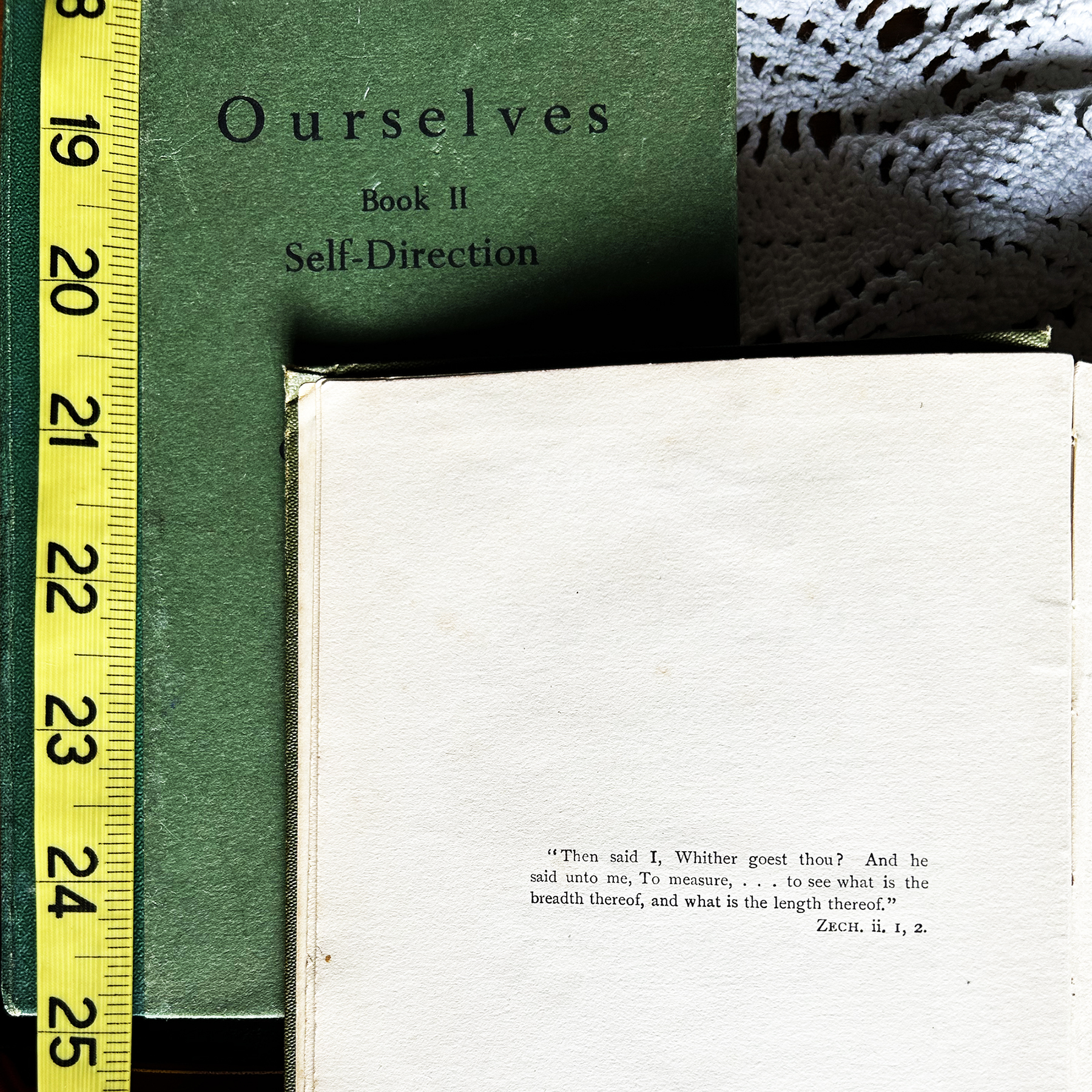
Editor’s Note, by Art Middlekauff Elsie Kitching served as Charlotte Mason’s personal assistant for many years before succeeding her as editor of The Parents’ Review and Director of the Parents’ Union School. Kitching’s understanding of and devotion to Miss Mason’s ideas were unparalleled, making her an especially valuable interpreter of Charlotte Mason’s thought. On several … The post A Measuring Line https://charlottemasonpoetry.org/a-measuring-line/ first appeared on Charlotte Mason Poetry https://charlottemasonpoetry.org.

Editor’s Note, by Art Middlekauff In January 1931 “the largest P.N.E.U. School in England” was at Burgess Hill. At that time, the school had been operating for more than two decades and had “a most excellent record of success.”[1] It was one of five registered PNEU schools that covered all six forms, educating young people … The post The P.U.S. Work in a PNEU School https://charlottemasonpoetry.org/the-p-u-s-work-in-a-pneu-school/ first appeared on Charlotte Mason Poetry https://charlottemasonpoetry.org.
Editor’s Note, by Art Middlekauff The Craig Preparatory School of Windermere was founded in 1899 and led by William Snow, its first headmaster, until 1936.[1] When the Great War came to England, the headmaster’s son, Thomas William Snow, went to serve in France. He fought in “the 57th West Lancs Divisional Artillery and was awarded … The post Boys’ Preparatory Schools https://charlottemasonpoetry.org/boys-preparatory-schools/ first appeared on Charlotte Mason Poetry https://charlottemasonpoetry.org.

Editor’s Note, by Art Middlekauff In 1931, a letter appeared in The Times Educational Supplement. “Dear Editor,” it began, “I have been asked to answer the criticism that the Parents’ National Educational Union (a) offers help to parents for young children only, and (b) disapproves of public examinations.” The author of the letter was Rev. … The post The PNEU and Public Examinations https://charlottemasonpoetry.org/the-pneu-and-public-examinations/ first appeared on Charlotte Mason Poetry https://charlottemasonpoetry.org.
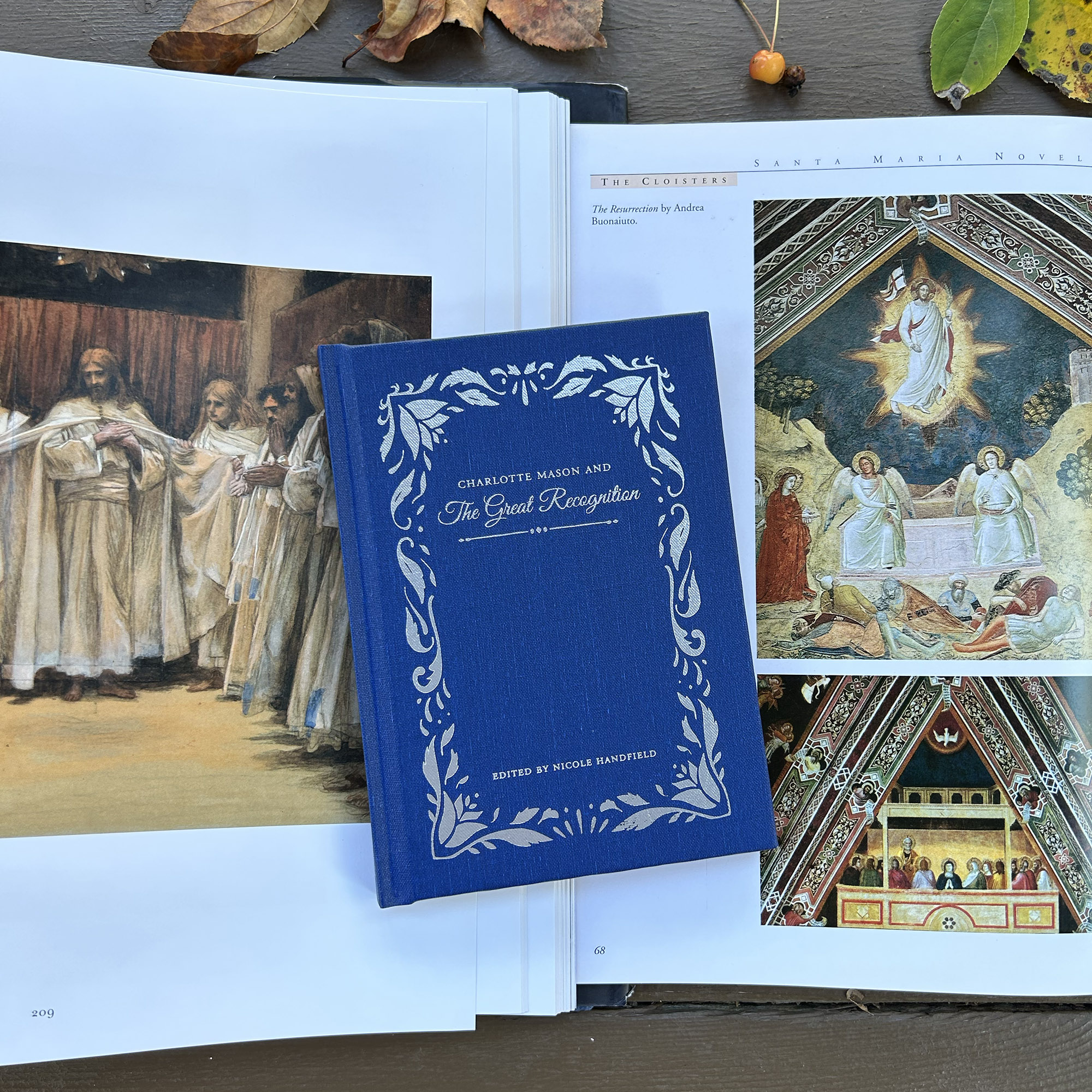
“The great recognition, that God the Holy Spirit is Himself, personally, the Imparter of knowledge, the Instructor of youth, the Inspirer of genius.” It’s an idea that infuses education with meaning and life. What could more powerfully transform the daily routine of a home educator than the thought of “the divine teaching as co-operating with … The post The Theology of the Great Recognition https://charlottemasonpoetry.org/the-theology-of-the-great-recognition-audio/ first appeared on Charlotte Mason Poetry https://charlottemasonpoetry.org.
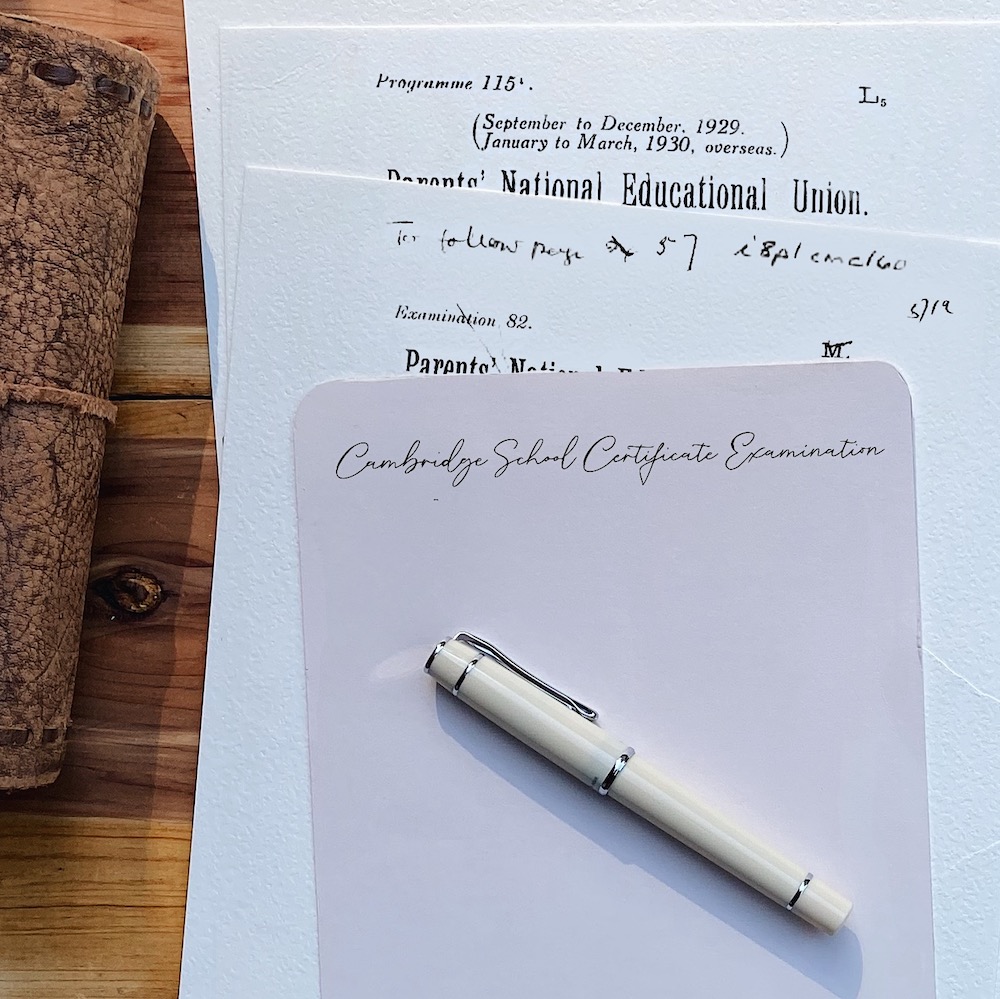
Editor’s Note, by Art Middlekauff Vera Pim attended the House of Education in 1926, where she received distinction in the subject of teaching.[1] After graduating, she went to Dublin and on January 18, 1928, she read an original paper at the Dublin Branch of the PNEU.[2] The paper was entitled “Education and Life,” and it … The post Education And Life https://charlottemasonpoetry.org/education-and-life/ first appeared on Charlotte Mason Poetry https://charlottemasonpoetry.org.
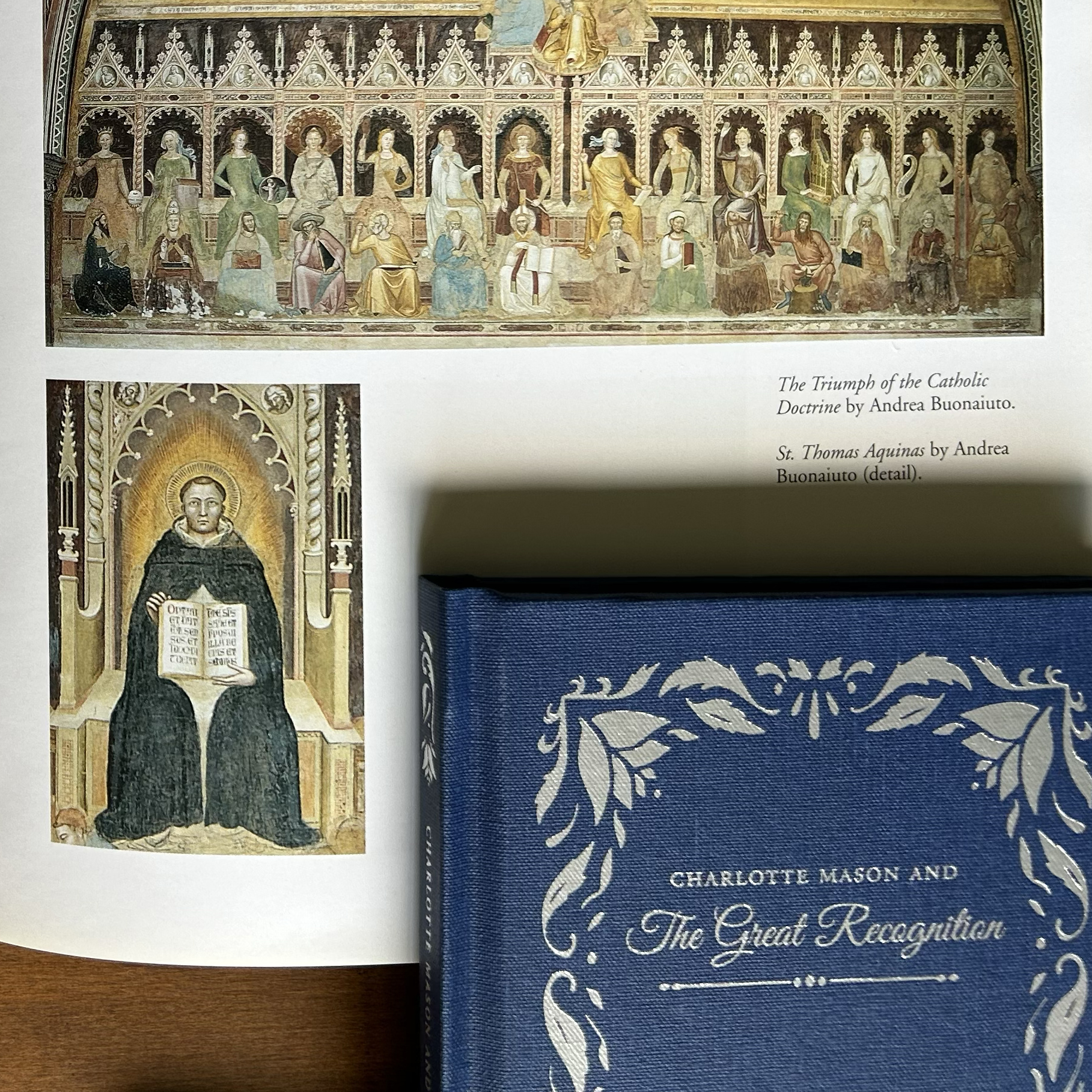
“Two years ago I had the privilege of visiting the Spanish Chapel of Santa Maria Novella in Florence,” wrote Rose Amy Pennethorne in 1935. “I was shown over the Chapel by a policeman, and having never seen the colours of the frescoes before, I was struck by the prevailing colours of green, white and red. … The post Thomas Aquinas and the Great Recognition https://charlottemasonpoetry.org/thomas-aquinas-and-the-great-recognition-audio/ first appeared on Charlotte Mason Poetry https://charlottemasonpoetry.org.
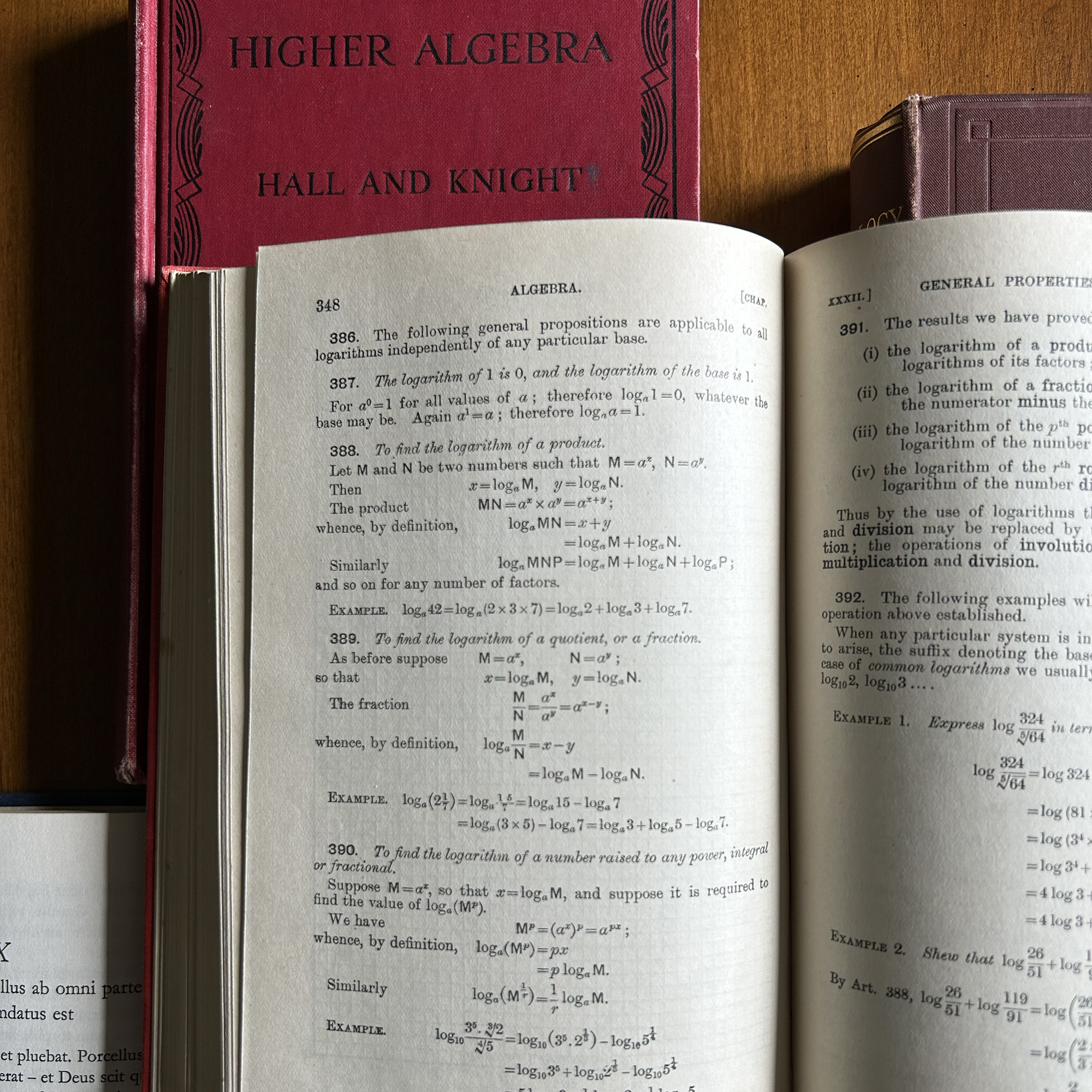
Editor’s Note, by Art Middlekauff When do children outgrow the Charlotte Mason method? The firm belief of Charlotte Mason and the PNEU was that they never do. However, Mason and her followers were realistic about the challenges faced by teachers who wished to apply the method in the upper years. These challenges were openly discussed … The post The Parents’ Union in a Secondary School https://charlottemasonpoetry.org/the-parents-union-in-a-secondary-school/ first appeared on Charlotte Mason Poetry https://charlottemasonpoetry.org.
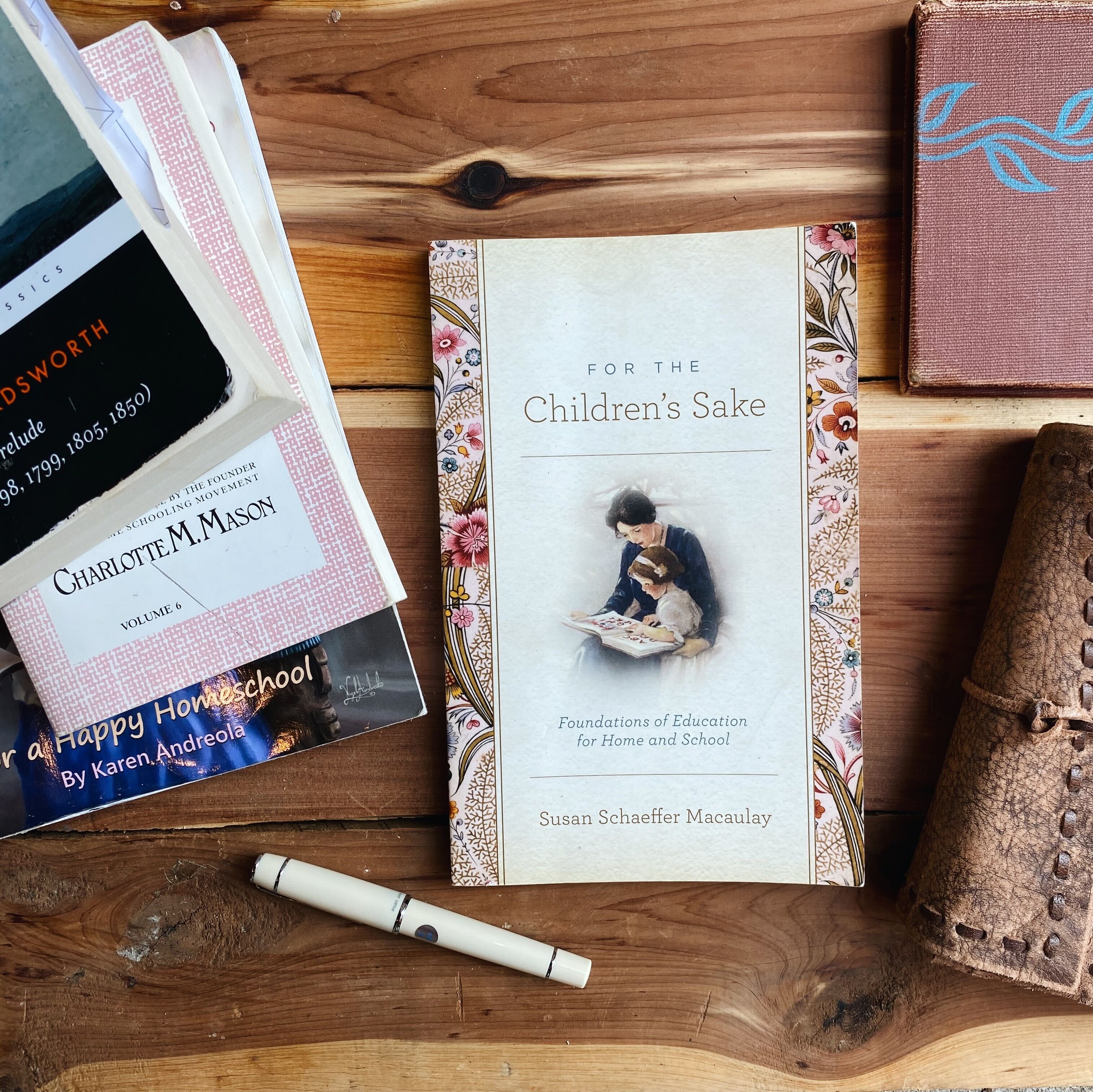
“Upon first hearing the foundational principle of Charlotte Mason’s philosophy, ‘Children are born persons,’ I couldn’t have been less impressed,” wrote one homeschool mother. Said another: “It’s hard to imagine that anybody even needed to say that.” She went on: “I’ve heard some people say this first principle is not really needed anymore… We know … The post The History of an Idea: Children Are Born Persons https://charlottemasonpoetry.org/the-history-of-an-idea-children-are-born-persons-audio/ first appeared on Charlotte Mason Poetry https://charlottemasonpoetry.org.
