



IMF Podcasts


About
Available on








Community
629 episodes

It wasn’t that long ago when retiring in one’s 50s was an achievable goal. But with life expectancy steadily rising and pension systems doomed to fall short, the prospects for an early retirement are fading fast. Olivia Mitchell wrote the book on retirement and modern pension research and has spent her career helping people improve their financial literacy. Mitchell is a Professor of Economics and Public Policy at the Wharton School of the University of Pennsylvania. She sat down with journalist Rhoda Metcalfe to discuss the challenges of today’s economy for Americans planning their golden years. Transcript: https://bit.ly/49snKUp

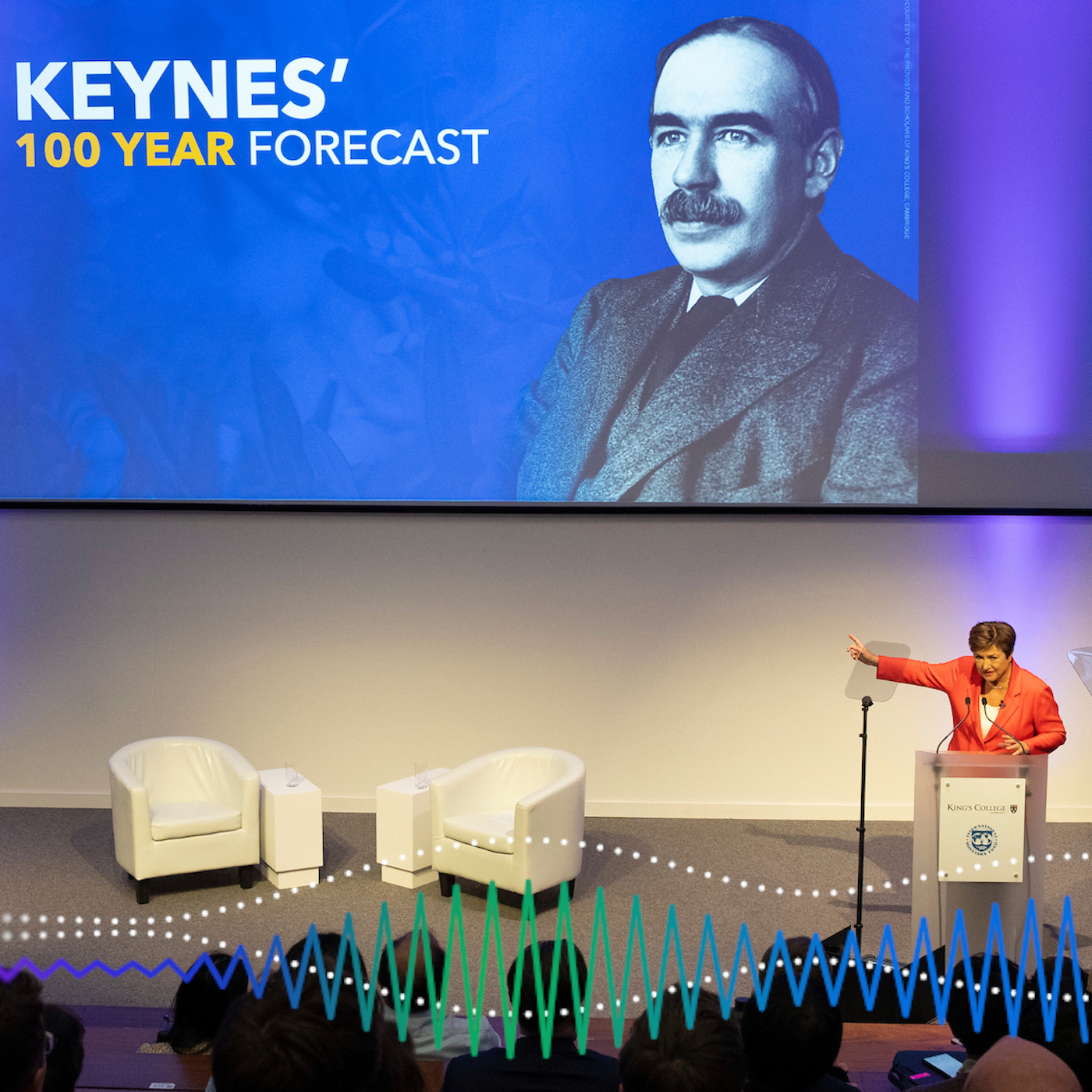
John Maynard Keynes was one of the most influential economists of the 20th century and the father of modern macroeconomics. His novel lectures at King’s College, Cambridge, inspired economists and policymakers of the time and continues to do so a hundred years later. In this podcast, IMF Managing Director Kristalina Georgieva delivers a speech inspired by one of Keynes’ lectures to a young audience at the very same King’s College. Transcript and webcast: https://bit.ly/3Tv4lfi
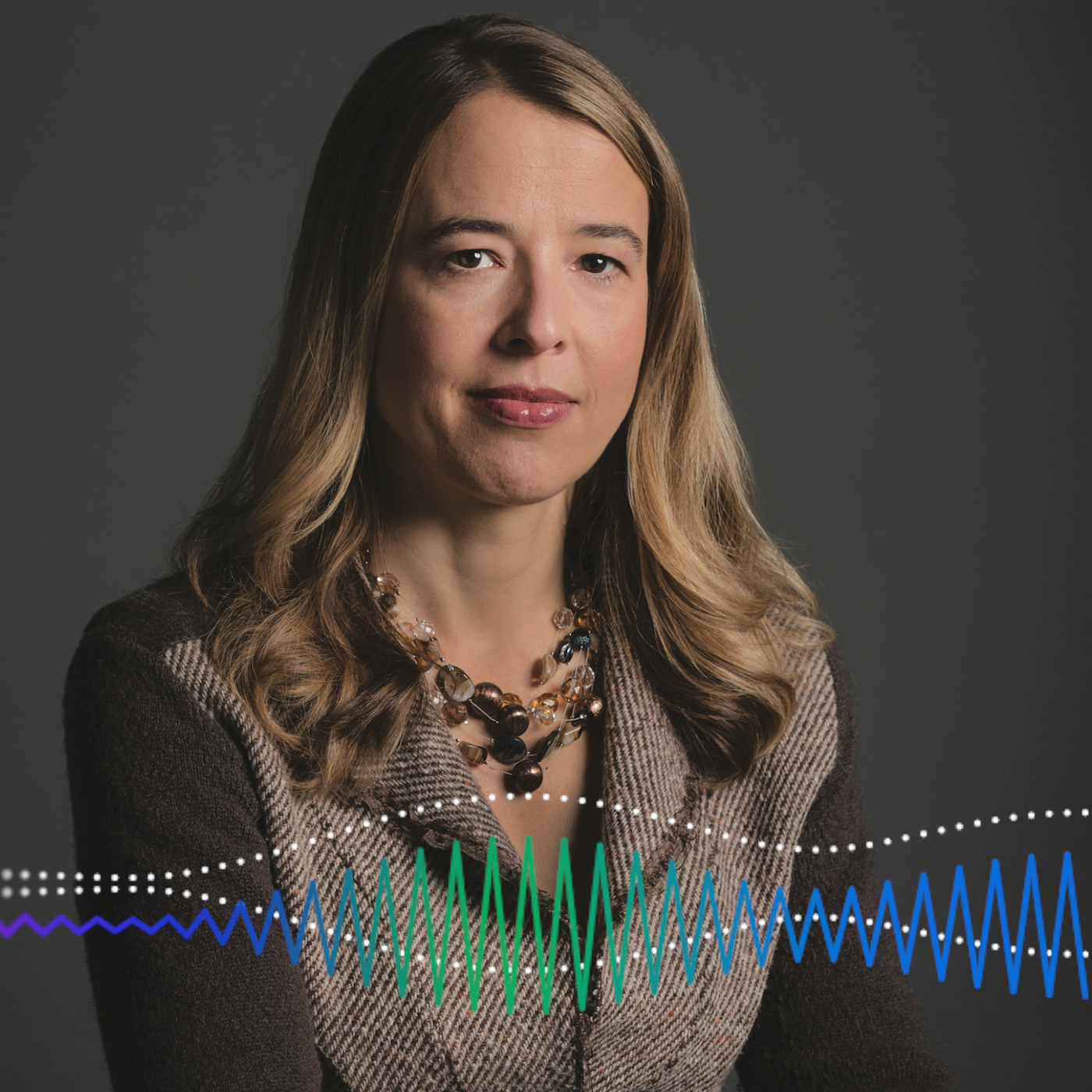
Economists build models based on basic assumptions of human behavior. But people are complicated, right? Do Germans who grew up on opposite sides of the Berlin Wall make the same financial decisions today? Ulrike Malmendier is a behavioral economist whose innovative research has shown that experiential learning rewires the brain to make decisions based on past experiences. In this podcast, Malmendier and Journalist Rhoda Metcalfe discuss how behavioral economics is helping to build better economic models. Transcript: https://bit.ly/3x3sWjZ Read atIMF.org/fandd

Countless resources and billions of dollars have been directed at poverty alleviation over the decades and yet almost 10 percent of the world’s population is still struggling to survive... not only in developing countries but in rich countries too. Why do so many anti-poverty efforts fall short? Martin Kalisa says there is more to poverty than income, and poor people can help design projects that are more likely to succeed. Kalisa is the Deputy Director of ATD Fourth World, an anti-poverty organization that builds research teams that include poor people to better understand their needs. Kalisa took part in a conference on the hosted by the World Bank and the IMF. Transcript: https://bit.ly/4a3Hcra

Industrial policy had its heyday in the 1950s and 60s when governments moved to boost national competitiveness amid burgeoning global trade. Economists have been predicting the return of industrial policy of late- and there’s no question it’s back, but what does today’s industrial policy look like? Michele Ruta is a trade expert at the IMF, and along with some colleagues compiled a new dataset that shows the extent to which new industrial policies are being used and what their real impact might be on the global economy. Transcript: https://bit.ly/49LjmQW Check out the IMF’s global trade webpage: IMF.org/en/Topics/Trade

Productivity has been the driving force behind the five- sometimes six-day workweek, but there is a growing body of evidence that shows a shorter week is equally, if not more productive in many respects. Juliet Schor is a champion of the four-day week and led the charge in the early 90s with her book , which studies the pitfalls of choosing money over time. Schor is an economist and sociologist at Boston College and heads the research for global trials of companies instituting four-day workweeks. Journalist Rhoda Metcalfe spoke with Juliet Schor about her four-day week mission, as part of our special Women in Economics series. Transcript: https://bit.ly/3SHgPRR

Behind any good policy stands good data. And as the global economy becomes increasingly digitalized, effective policy and regulation are critical to ensure a stable and equitable financial system. Jim Tebrake is Deputy Director and heads the data and methodology efforts in the IMF Statistics Department. In this podcast, Tebrake says the world of digital money is changing quickly and statisticians should be prepared to provide the data that policymakers need to respond effectively. Transcript: https://bit.ly/3Su8pgA Check out the latest IMF Statistical Forum at IMF.org

Artificial intelligence has the power to transform society in so many ways, but only a small number of companies in an even smaller number of countries hold the keys to AI’s development. So what happens when a narrow swath of humanity makes choices that will impact everyone else? Stephanie Bell is a Senior Research Scientist at the Partnership for AI and led the creation of the Guidelines for Shared Prosperity. In this podcast, Bell says guidelines are needed to ensure AI’s development trajectory serves humanity. Transcript: https://bit.ly/3tFhdGY
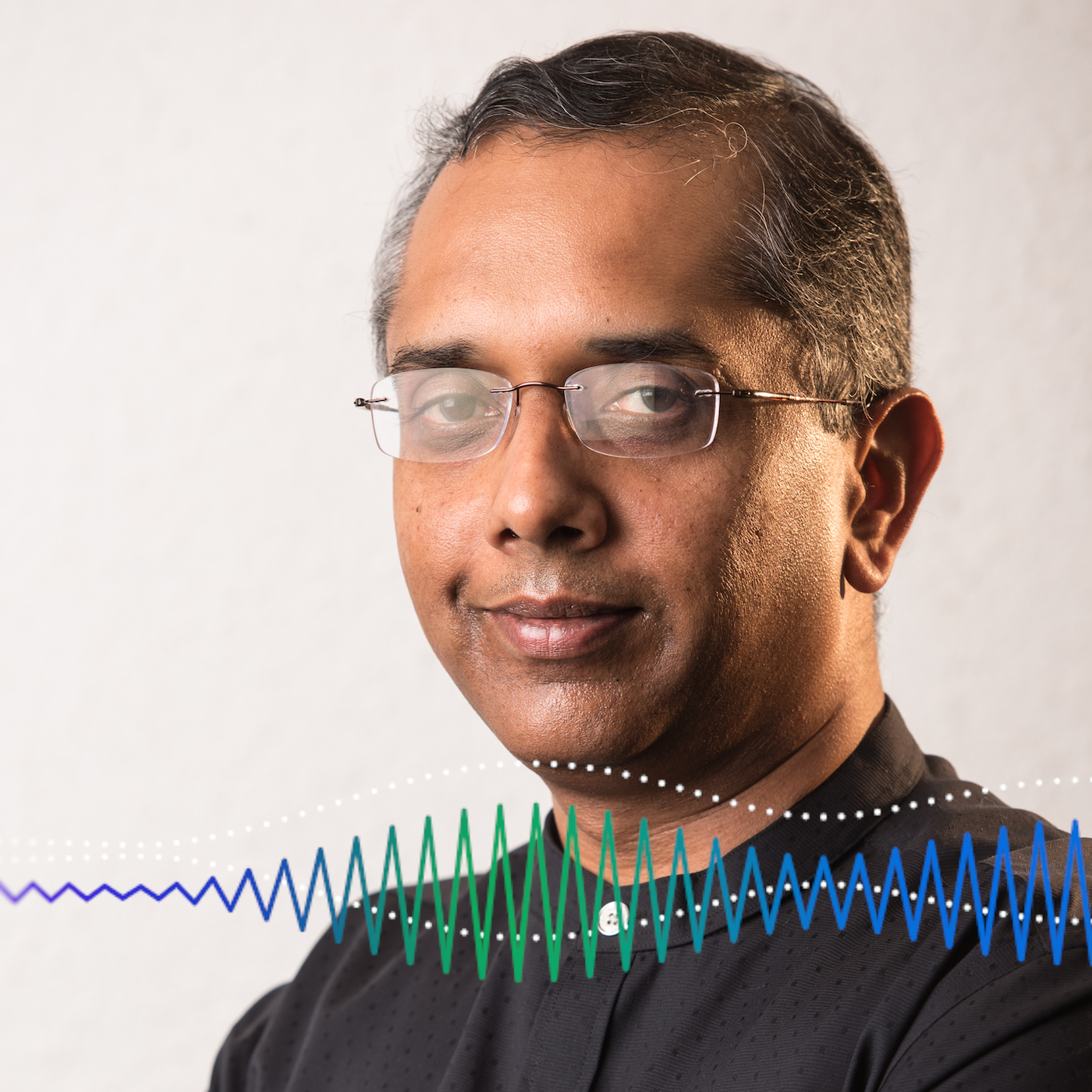
Artificial intelligence is changing the way we work and for many it’s scary. But for teachers in India’s million-plus schools, AI is a welcome partner in solving the learning poverty problem. Shankar Maruwada is the Co-founder and CEO of EkStep Foundation, which develops AI to help improve the public education system. In this podcast, Maruwada and journalist Rhoda Metcalfe discuss how AI can close the literacy gap. Transcript: https://bit.ly/3RNAZJy Read in a special AI edition of
The pace at which artificial intelligence is transforming jobs is astounding, but while it boasts higher productivity AI is also increasing wage inequality. When workers are replaced by machines, real wages decline, and the owners of capital prosper. So who owns AI and how should its benefits be distributed? In this podcast, the IMFs Andrew Berg and Maryam Vaziri discuss AI’s inequality problem, the subject of their article in December’s special AI edition of Finance and Development magazine. Berg is Deputy Director, and Vaziri is an economist, both in the IMF Institute for Capacity Development. Transcript: https://bit.ly/3NdgRxR

There’s no question that Artificial Intelligence will increase productivity- but at what cost? What happens when systems out-perform not only factory workers but society’s most esteemed professions? Daniel Susskind has written two thought-provoking books on how AI is changing the nature of work and what tomorrow’s labor market will look like. Susskind is a research professor at King's College London and a senior research associate at the Institute for Ethics in AI at Oxford University. In this podcast, Susskind speaks with journalist Rhoda Metcalfe about how encouraging technologies that complement rather than substitute human work would place fewer livelihoods at risk. Transcript: https://bit.ly/3T146Kj
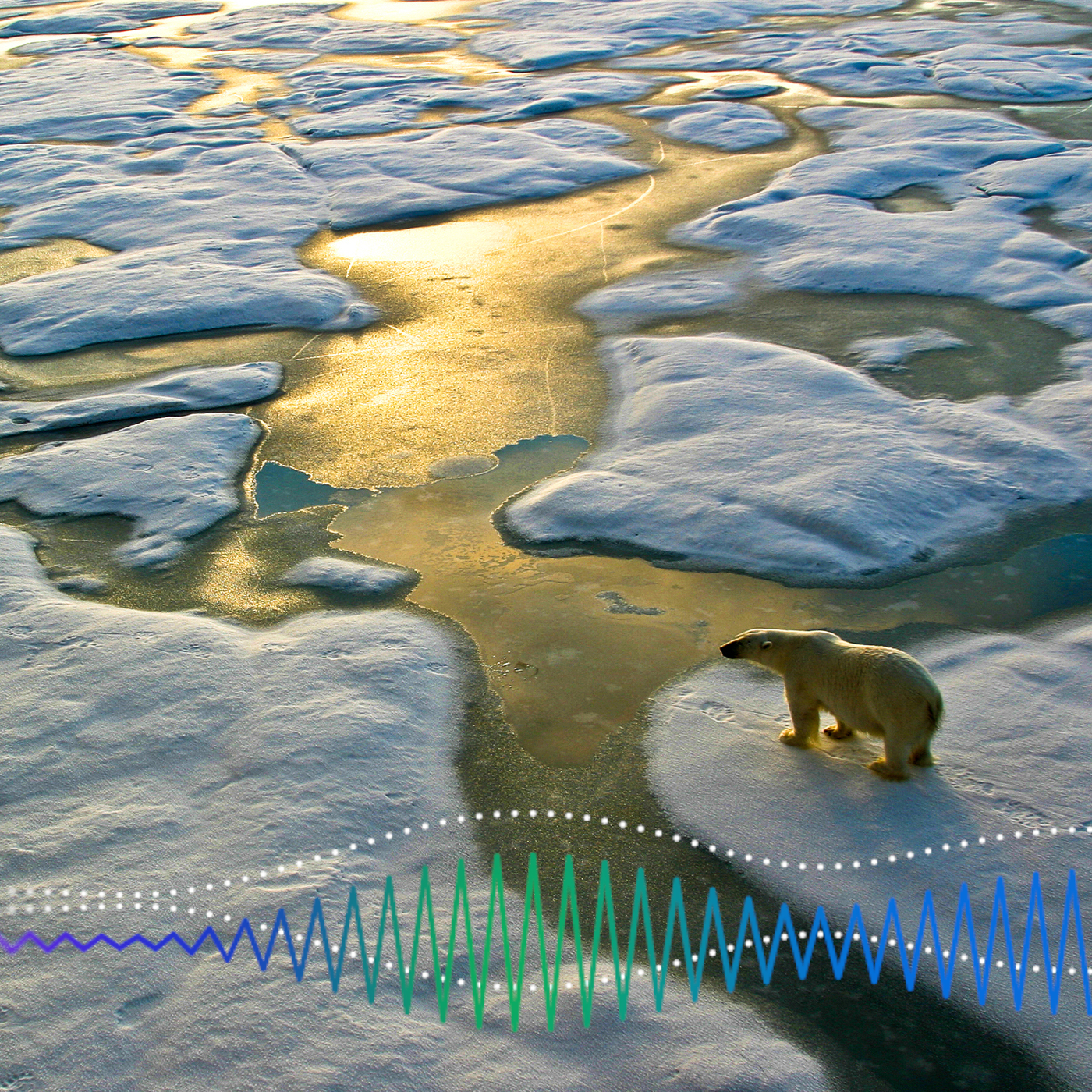
Global warming is wreaking havoc on so many levels, but climate action is costly and presents policymakers with difficult tradeoffs. High debt, rising interest rates, and weaker growth prospects make public finances harder to balance and climate goals harder to achieve. This is where fiscal policy and climate mitigation meet and why the IMF Fiscal Affairs Department is trying to help countries manage their limited resources. Economists Christine Richmond and Raphael Lam work on climate policy and the annual publications of the IMF Fiscal Monitor. In this podcast, they say governments now face a policy trilemma between achieving climate goals, fiscal sustainability, and political feasibility. Transcript: https://bit.ly/3sT6JmP
Carbon pricing is steadily emerging as one of the most viable solutions to reducing global emissions, but shedding its contentious past to build a global consensus is still a work in progress. Economist Ian Parry has championed the idea of carbon pricing long before it was fashionable- or even considered feasible by more than a handful of countries. Parry is the principal environmental fiscal policy expert in the IMF Fiscal Affairs Department and has made it his mission to present- on behalf of the institution, the benefits of incorporating climate risks into the cost of doing business through a carbon tax. Transcript: https://bit.ly/47jrAP7

Having access to nature can improve lives. Walking through the forest or by a lake occasionally is proven to have both physical and psychological benefits. But nature is a resource that is undervalued in our economies, and all too often left off the balance sheet. Catherine Kling says determining the true economic value of nature will help foster its preservation. Kling is an environmental economist at Cornell University in the Dyson School of Applied Economics and Management and has focused much of her career on creating the kind of data that encourages governments to include the value of nature in their economic decision-making. In this special episode of our series, Kling and Journalist Rhoda Metcalfe discuss why putting a price tag on nature will help save it. Transcript: https://bit.ly/3QHpRvZ
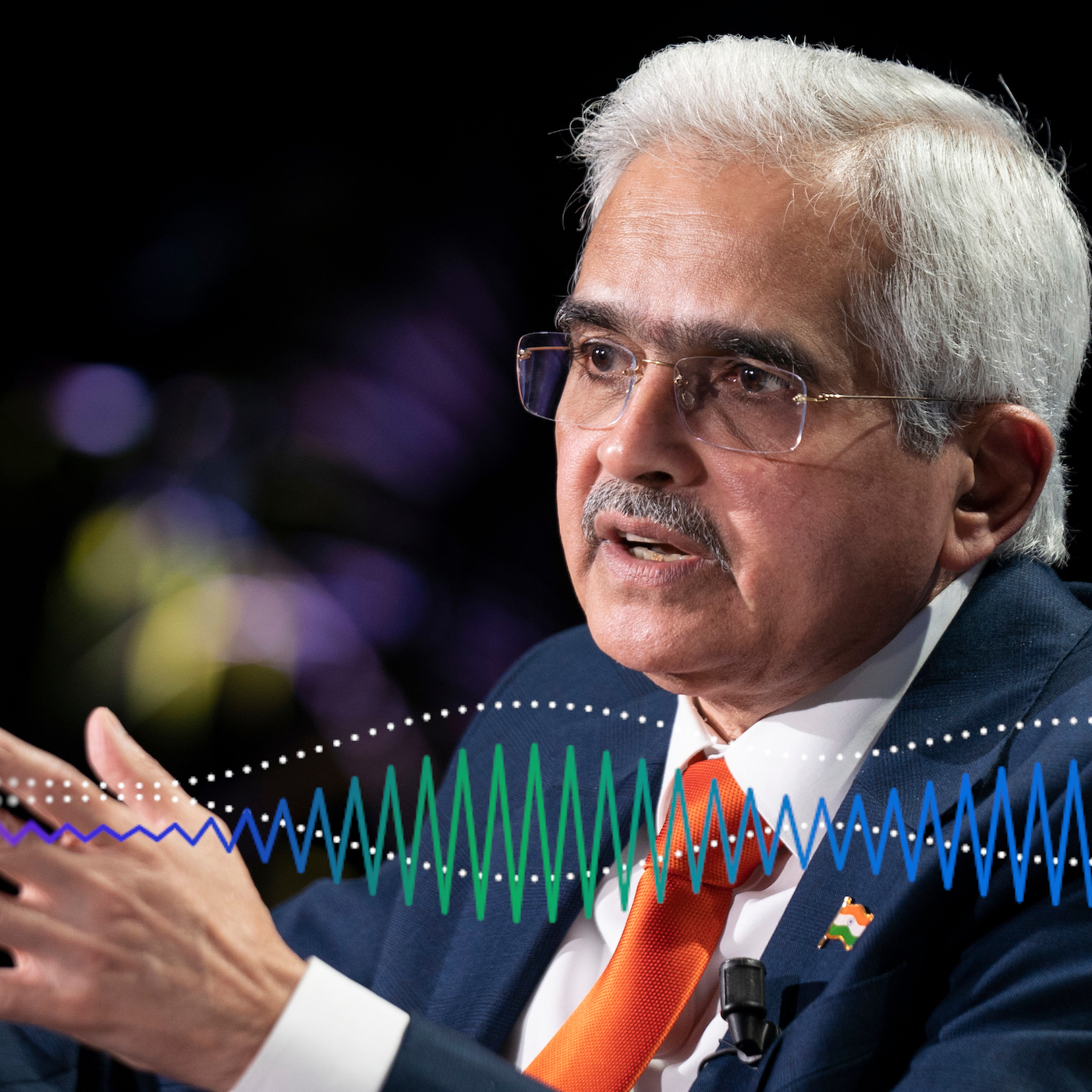
The world of money is changing fast and central banks are at the very center of that change. Shaktikanta Das is the Governor of the Reserve Bank of India, which is responsible for regulating currency and securing monetary stability for the world’s 5th largest economy. Das is also an innovator and a pioneer when it comes to Central Bank Digital Currencies or CBDCs. In this podcast, Das sits down with IMF Asia and Pacific Department head, Krishna Srinivasan, to discuss RBI’s strategy for today and for the future. The conversation took place as part of the series held during the Annual Meetings in Marrakech.

Navigating an economy through multiple crises is not for the faint-hearted. Policy responses must be quick- often with little to go on, and decisions have lasting effects. Nigel Clarke has been Jamaica’s Minister of Finance since 2018 and led its economy through the pandemic as well as devastating natural disasters caused by climate change. In this podcast, Clarke sits down with IMF Western Hemisphere Department head, Rodrigo Valdés, to discuss Jamaica’s strong track record of investing in institutions and prioritizing macroeconomic stability. The conversation took place as part of the IMF’s series held during the Annual Meetings in Marrakech.
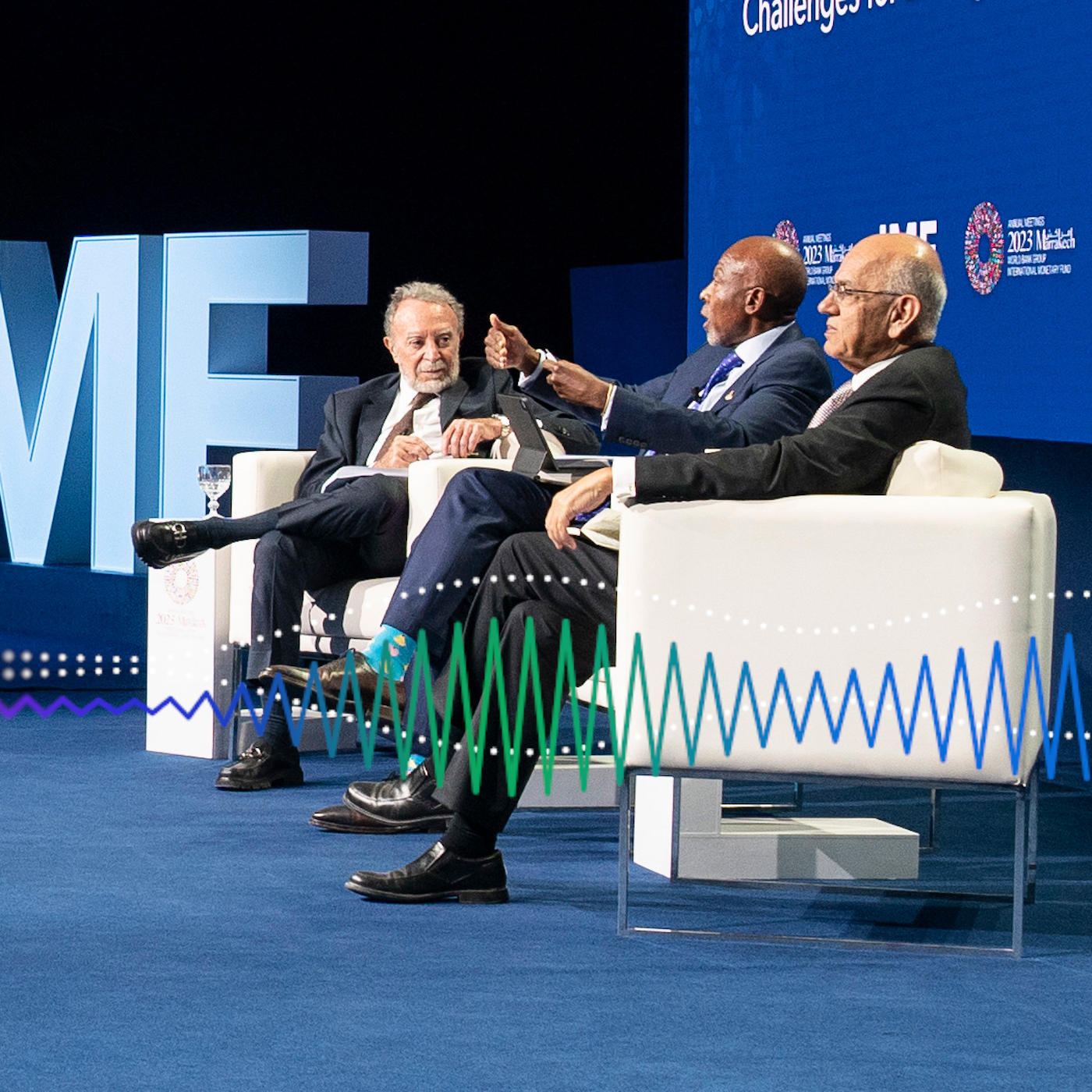
With the years of access to cheap money behind them and the effects of climate change and geopolitical tensions only getting worse, what does resilience look like for emerging market economies? This year’s Per Jacobbson lecture brings together three influential thinkers to discuss how countries can work towards economic resilience in an era of greater uncertainty. The talk features Lesetja Kganyago, Governor of the Reserve Bank of South Africa, Masood Ahmed, President of the Center for Global Development, and is moderated by Guillermo Ortiz, former Governor of the Bank of Mexico.
Millions of families around the world- even some countries, rely on workers living abroad to keep their economies afloat. In fact, global remittances reached a record $647 billion in 2022—three times that of official development assistance. Dilip Ratha is lead economist for migration and remittances at the World Bank. In this podcast, journalist Rhoda Metcalfe asks Ratha about his own experiences growing up in rural India and how they led him to become a leading voice on the power of remittances to reduce global poverty. Ratha says remittances are timely, large, stable, and best of all, they are countercyclical. Transcript: https://bit.ly/3QlDhyU Read at IMF.org/fandd
Most economies have shown resilience through the steepest series of rate hikes in decades. But inflation remains stubbornly high in some countries, which is proving a challenge for global monetary policy going forward. The latest (GFSR) examines all the worrying trends including the corporate world’s dwindling cash buffers and the risk of underinvesting in climate mitigation. Fabio Natalucci heads the GFSR. In this podcast, he says risks to the world economy remain high. : https://bit.ly/3Q8LjLn
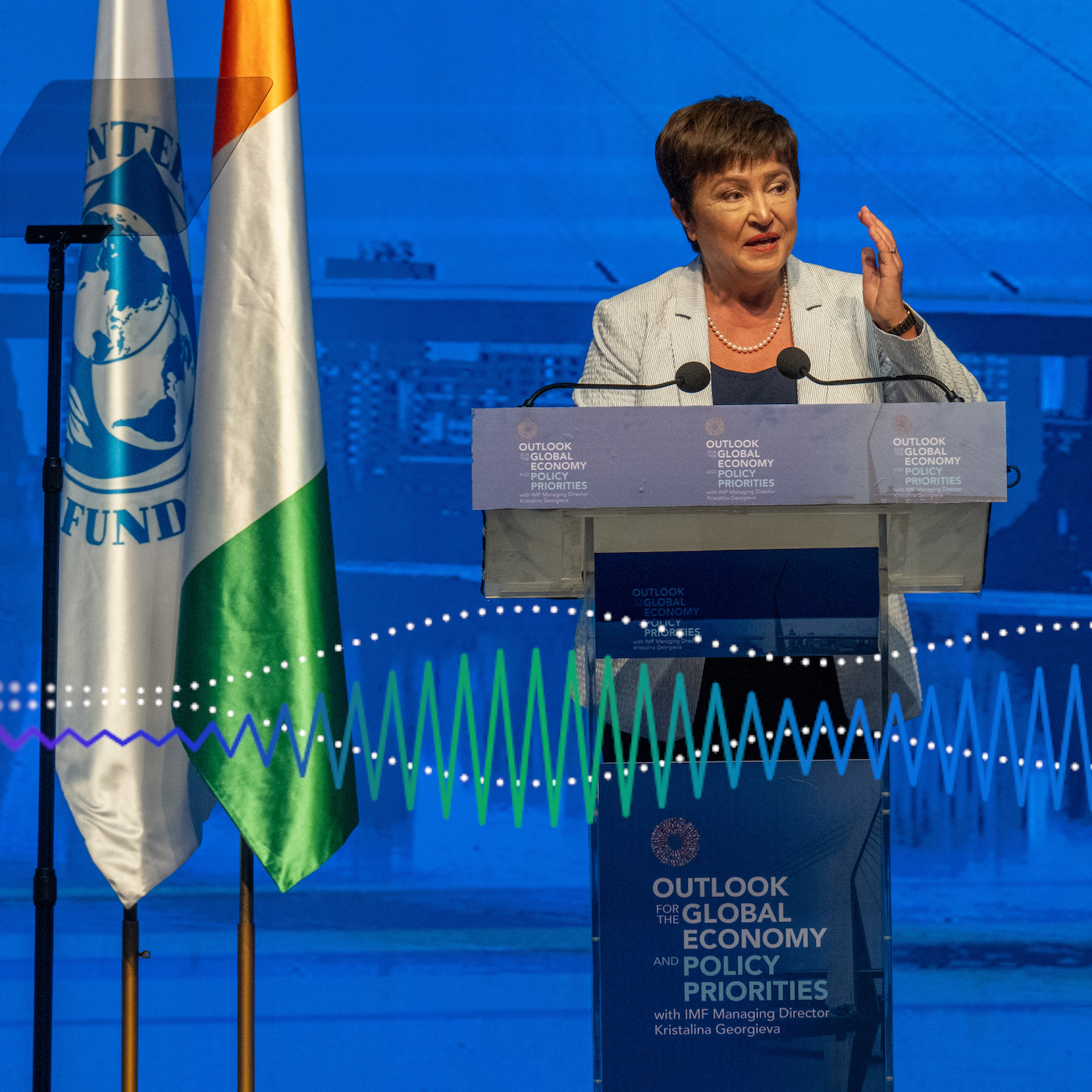
International cooperation is weakening. The bridges that connect countries are corroding as trade and investment barriers are rising, and Africa stands to suffer the biggest economic losses from severe fragmentation. IMF Managing Director Kristalina Georgieva kicked off the 2023 Annual Meetings in Marrakech with her customary curtain raiser speech from Cote d’Ivoire. It’s the first time since 1973 that the Annual Meetings are held in Africa and Georgieva says it’s an opportunity to pave the way to the next 50 years. Transcript: https://bit.ly/3LRsJoC Go to IMF.org to follow the Annual Meetings and find all the IMF flagship reports, including the World Economic Outlook, the Global Financial Stability Report, and the Fiscal Monitor.
A functioning economy provides people with access to credit, insurance, and, among other things, investment opportunities. But what happens in poor communities where they are landless and have no wealth? Eliana La Ferrara says the social structure within those communities offers the collateral they need to make the economy work. La Ferrara is a Professor of Public Policy at Harvard Kennedy School and an award-winning economist whose work has helped us understand how the economics of the poor are deeply interwoven into the social fabric and norms of their communities. Journalist Rhoda Metcalfe sat down with La Ferrara to discuss her work in Africa, and how she came to focus on development issues that are often overlooked. The interview is part of the IMF series on extraordinary . Transcript: https://bit.ly/3ZwnH6k

Credit cards that offer rewards like travel discounts seem a good idea, but rewards cards can be costly for anyone who keeps a running balance. So should there be rules around who gets one? IMF economist Andrea Presbitero is coauthor of a study that looks at the distributional impact of rewards cards. In this podcast, Presbitero says while the high interest rates and penalties associated with these cards can widen wealth inequality, limiting access is not the answer. Transcript: https://bit.ly/3r5fzwY
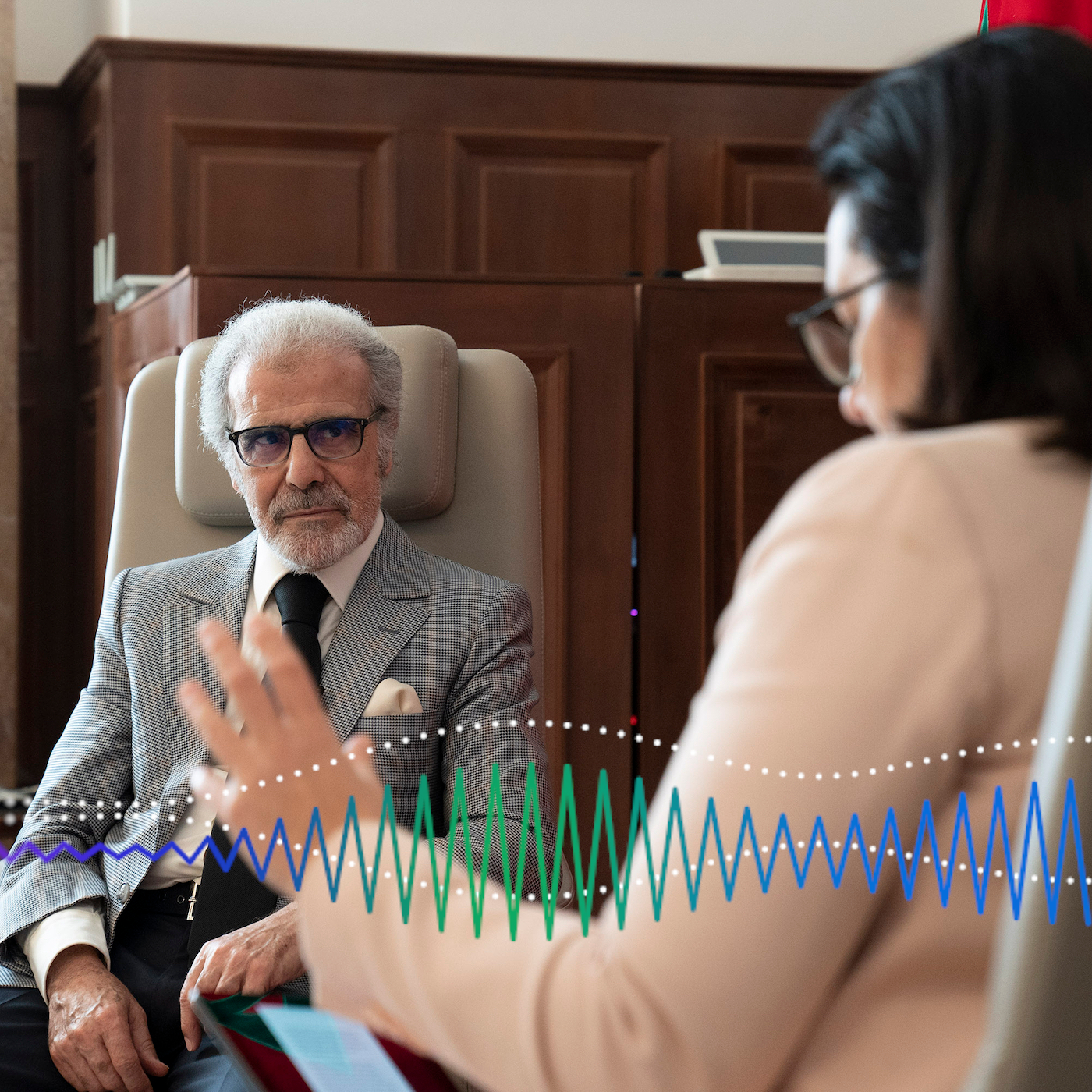
Abdellatif Jouahri est le gouverneur de Banque Al-Maghrib depuis 2003 et l'homme derrière les grandes réformes qui ont fait du Maroc l'une des économies les plus importantes de la région du Moyen-Orient et de l'Afrique du Nord (MENA). Dans cet épisode, Jouahri s'entretient avec Taline Koranchelian, directrice adjointe du Département Moyen-Orient et Asie centrale du FMI pour évoquer sa longue et éminente carrière. Leur conversation a eu lieu à la veille des Assemblées Annuelles 2023 qui se tiendront au Maroc en octobre.
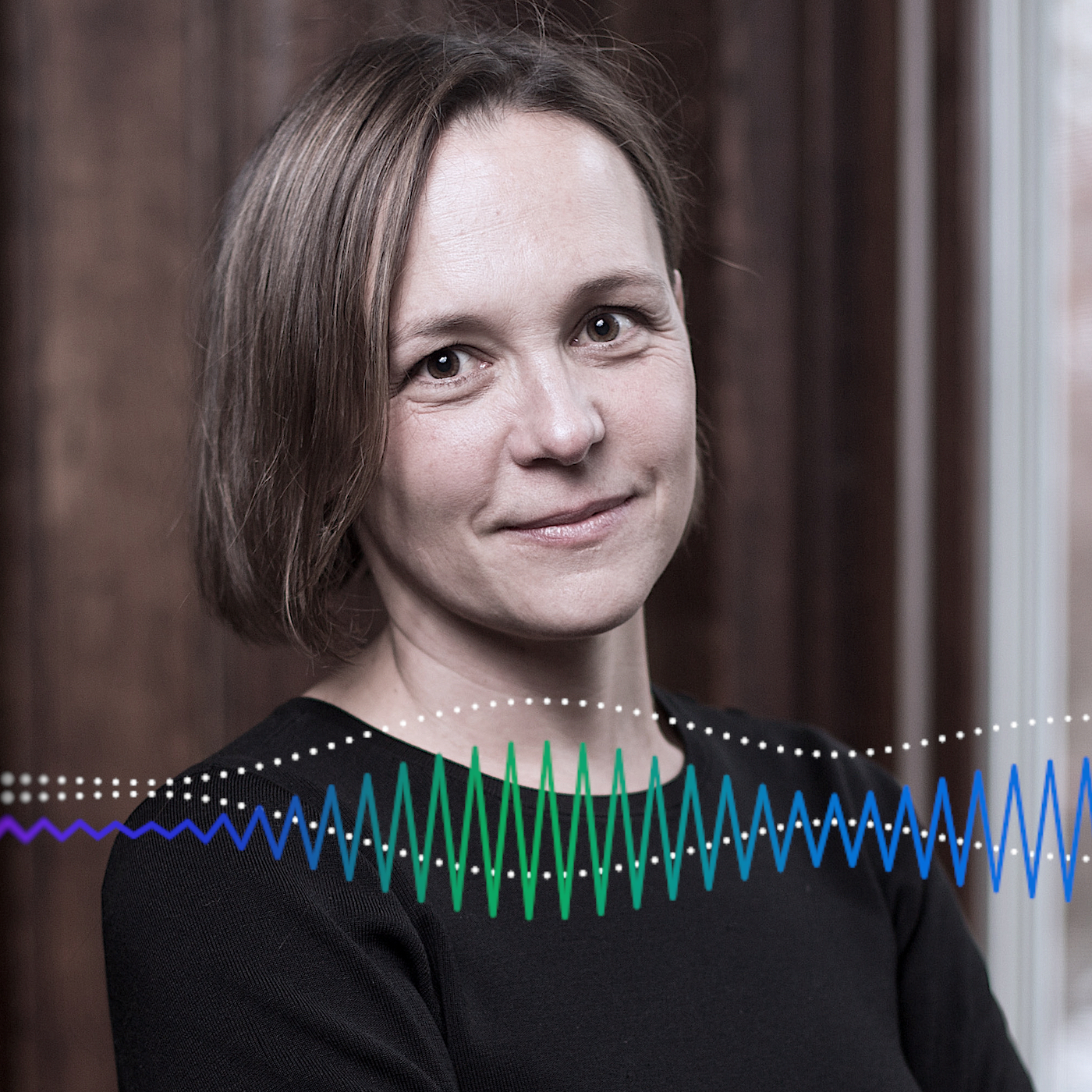
The dramatic opening up of markets to international trade over the past 30 years has been a boon to many developing economies but it has not benefitted everyone. Nina Pavcnik grew up in Yugoslavia and witnessed firsthand the effects of open markets on the lives of people across the border. Pavcnik is now Professor of Economics and International Studies at Dartmouth College and has become an authority on how international trade affects the poor. In this podcast, Journalist Rhoda Metcalfe sits down with Pavcnik to talk about her research as part of our series on extraordinary . Transcript: https://bit.ly/3YFlMMg

While import prices account for much of Europe’s inflation, its outlook largely depends on how companies absorb wage gains as higher prices erode workers’ purchasing power. IMF economist Frederik Toscani studies inflation and monetary policy in the Euro Area and is coauthor of a new paper that breaks inflation down into labor costs, import costs, taxes, and profits. In this podcast, Toscani says corporate profits account for 45 percent of price rises since the start of 2022. Transcript: https://bit.ly/454o3Tk

Nigeria’s eNaira was the first Central Bank Digital Currency in Africa and only the second in the world when it launched in October 2021, but a growing number of countries across the globe are now planning to follow suit with their own CBDCs. What can they learn from Nigeria’s experience? Jookyung Ree is an economist in the IMF African Department and assigned to Nigeria when the CBDC was introduced. Ree has since studied its impact on the economy and found that existing mobile money networks are proving a challenge to the eNaira’s adoptability. In this podcast, Ree says the eNaira will need to complement mobile money systems to convince more Nigerians to use it. Transcript: https://bit.ly/3Qb2FI5

Since their inception in 2008, the contentious rise of crypto assets has been dramatic. Their market value has been as high as $3 trillion and about $50 million is transacted in crypto every day. But what does this brave new world of cryptographically-protected distributed ledgers mean for traditional tax systems? Ruud De Mooij is Deputy Director of the IMF Fiscal Affairs Department and heads its work on taxation. In this podcast, De Mooij says finding ways to tax crypto will mean significant revenue gains for governments and lead to a fairer global tax system. Transcript /Transcript: https://bit.ly/3O1Hwyt Read the blog and IMF.org/blogs

The passage of the Inflation Reduction Act in the United States unleashed its largest investment in climate and energy ever. But it also left many countries questioning some of its protectionist provisions, accusing the US of bending, if not breaking international trade rules under the WTO. So how do we move forward on climate without going backward on trade? Noah Kaufman says international trade rules need to be redesigned if protectionism is not to become an unintended consequence of green industrial policy. Kaufman is a senior research scholar at Columbia University's Center on Global Energy Policy and served in the Biden Administration’s Council of Economic Advisors. Transcript: https://bit.ly/3CwHIiw

The history of economics has largely been written by men about men. Even when the economics of family became a burgeoning field of study in the 1970s, the woman’s role was hardly talked about. Claudia Goldin is a pioneer in the field of gender economics and her latest book places women squarely at the center of the family economics story. Goldin is the Henry Lee Professor of Economics at Harvard University and an economic historian. Journalist Rhoda Metcalfe sat down with Claudia Goldin to discuss her work and how she came to write the definitive book on gender economics . The interview is part of the IMF series on extraordinary . Transcript: https://bit.ly/3oYUEdO
As rising geopolitical tensions chip away at globalization, will a more fragmented world mean stronger regional pacts? Economist Michele Ruta says regionalism in a time of conflict is unlikely to triumph, but rather is likely to change. The trend toward strengthening ties with friends and loosening them with non-friends is making regional trade less about integration and more about discrimination. Transcript /Transcript: https://bit.ly/3MHNbIc
