


MontanaHistoricalSociety


About
Available on








Community
560 episodes
Montana's Government and Tribal Nations by MontanaHistoricalSociety

Montana in the Twentieth Century by MontanaHistoricalSociety
In Tracing Artistic Memories and Mysteries of Yellowstone and Glacier, retired MTHS historian Dr. Ellen Baumler explores how painting, photography, literature, oral culture, and music have given us powerful incentives to visit Montana’s parks and preserve these majestic resources.
In Tracing Artistic Memories and Mysteries of Yellowstone and Glacier, retired MTHS historian Dr. Ellen Baumler explores how painting, photography, literature, oral culture, and music have given us powerful incentives to visit Montana’s parks and preserve these majestic resources.
Writer Robert Nisbet talks about artists Walter Oehrle and Olive Fell in Two Historic Artists of Yellowstone National Park. Oehrle created advertising art for the UnionPacific Railroad in the 1920s and designs for the Old Faithful Inn in 1935. Fell produced refined etchings and whimsical postcards of park bears from the 1930s to the 1960s.
In Horn Miller: The Toughest Man in Montana, retired University of Texas at Austin instructor Fred Woody tells the story of Adam “Horn” Miller, a Cooke City prospector, storyteller, guide, scout, and all-around mountain man who began exploring Yellowstone in the 1860s.
In Lost (and Found) in Yellowstone: The Truman C. Everts Story, author and storyteller Ednor Therriault shares the chilling story of Everts’s separation from his party in 1870 and how he survived alone in Yellowstone without his horse or supplies for thirty-seven days.
The Tukudika, or Sheep Eater, Indians were a band of Mountain Shoshone who lived for thousands of years in the area that would become Yellowstone National Park. In his presentation, Nolan Brown shares the stories of his people and describes efforts at Fort Hall to preserve language and culture and encourage new research.
Architect Paul Filicetti explains the architectural impacts of bathrooming in the park. Focusing on buildings such as Old Faithful Inn and the Lake Yellowstone and Mammoth hotels, he shows how changing modes of transportation impacted guest facilities.
Since Lewis and Clark waxed poetic about the White Cliffs, the Upper Missouri River Breaks have captivated the American public. One central, though relatively unknown, figure in the establishment of the Upper Missouri River Breaks National Monument was Emil DonTigny (1901–1969). In her presentation, Montana History Foundation historian Dr. Ciara Ryan brings to light DonTigny’s role in preserving the monument.
Richard Brown shares the history of “Parkitecture” as it relates to the prolific work of Bozeman architect Fred F. Willson. Willson designed 175 projects in and near Yellowstone between 1919 and 1955.
Upper Missouri River Breaks Monument manager Zane Fulbright explores the evolution of the Missouri River from a threatened resource to its status as a national monument.
Montana State University graduate student Maryrose Hicko will introduce Mattie Hayes Rosenthal, a prostitute in Bozeman circa 1900–1920. The presentation reveals how Rosenthal’s life was shaped by social reform before and after World War I.
University of Montana graduate student James Compton will present Mansfield, Marines, and Mothers: Montanans and the Politics of American Intervention in the Chinese Civil War from 1945 to 1946. At the conclusion of World War II, American citizens reasserted the democratic freedoms they had sacrificed to win the war. The American intervention in North China during the Chinese Civil War presented a ripe opportunity for civic restoration in late 1945. Compton’s presentation examines how ordinary Montanans—deployed Marines, their families, and their congressman—impacted American foreign policy through participatory democracy.
Join Yellowstone National Park Heritage and Research Center archivist Anne Foster to explore what exactly one wears in a national park. Her presentation combines historical photographs, audience participation, and reproduction clothing to explore the development of the active leisure style and its influence on gender roles, social status, industrialization, and cultural norms.
Industrial historian and retired Michigan Tech history professor Fred Quivik will provide an expansive overview of mining at Jardine and put more recent regulatory controversies, including the hotly contested New World Mining District near Cooke City, in the context of efforts to protect Yellowstone from mining.
In this presentation, retired MTHS Library manager Brian Shovers will chronicle the history of Montana’s corporate timber industry and the many unpredictable forces that led to its demise.
PhD student Kymberly MacEwan has researched how field matrons on the Blackfeet Reservation visited families and instructed them in proper hygiene and “moral” lifestyles while providing varying forms of healthcare. In this presentation, she will examine how the roles these women played in healthcare, assimilation, social conformity, and government surveillance were integral to the larger Progressive Sanitation Campaign.
East Carolina University professor Dr. Todd Savitt will offer a group biography and stories of several of the thirty-nine determined women who applied for medical licenses in Montana between 1889 and 1910.
Alpine climber and historian Jacob Schmidt will explore the culture of secrecy among Montana’s alpine climbers in Keeping Secrets: Montana’s “Do Not Publish” Ethic and the Experience of Wildness. Through interviews with climbers and land managers and newly available archival information, he explores the origins of the “Do Not Publish” ethic and the lasting effect it has had on alpine recreation in the state.
Montana can boast some of, if not the most, robust, diverse, and enviable fish and wildlife resources in the nation. In Keeping the West Wild: The Genesis of Wildlife Conservation in Montana, Michael Korn will trace Montana’s long history of wildlife conservation, from the fur trade period into the twenty-first century, and the landmark efforts that brought Montana’s wildlife resources back from the brink.
Montana Department of Transportation historian Jon Axline will share exciting and colorful tales of The Beartooth Highway: A History of America’s Most Beautiful Drive. Built during the height of the Great Depression and rising 10,947 feet above sea level, the Beartooth Highway sparked an economic boom in Red Lodge, Cooke City, and Yellowstone National Park and continues to leave a profound impression on people privileged to drive it.
In Willard Fraser: Montana’s “Mayor of All Outdoors,” author Lou Mandler will discuss Billings mayor Willard Fraser’s many efforts to entice visitors to Montana. Fraser was instrumental in pursuing federal recognition for Pompeys Pillar and Pictograph Caves and promoting the state’s natural wonders.
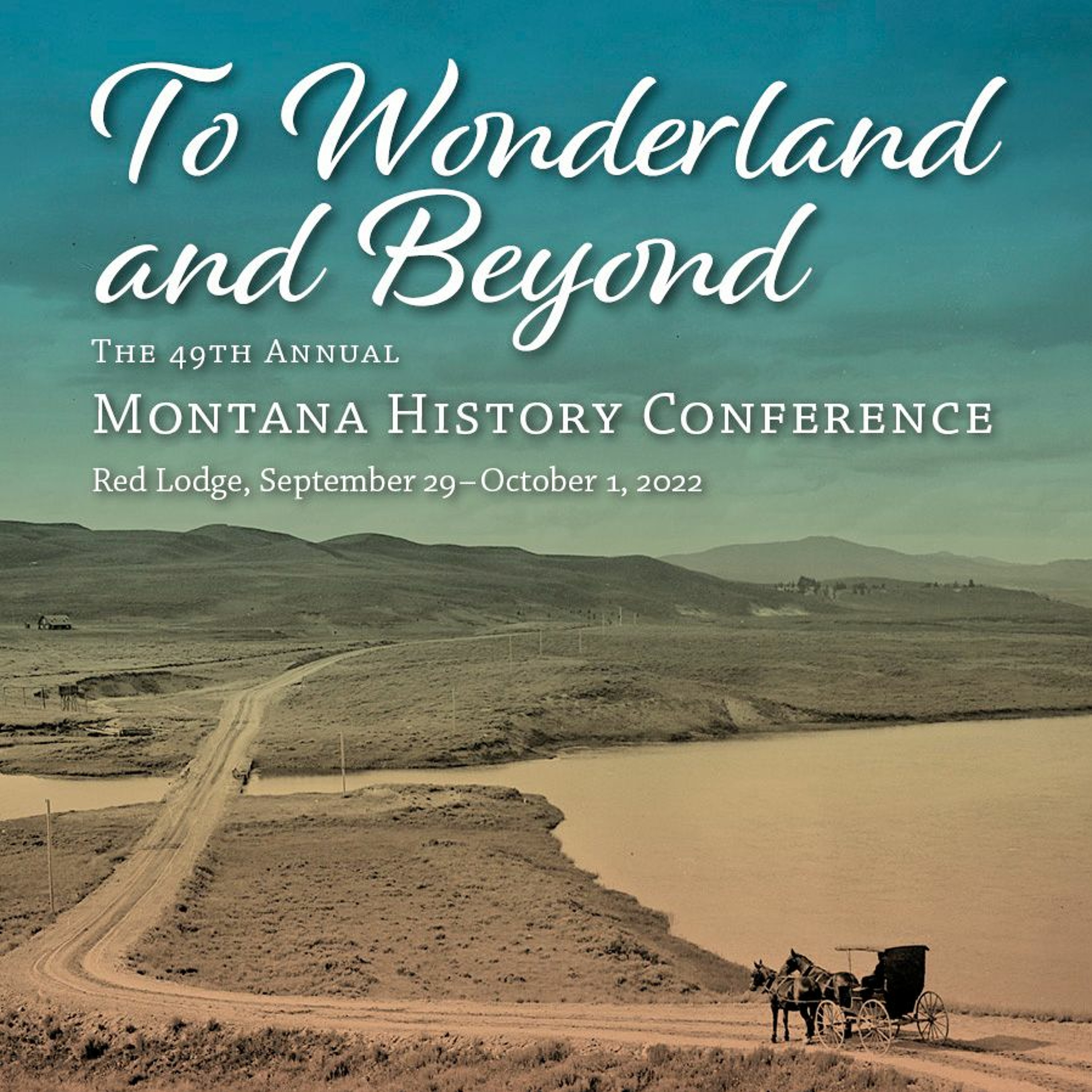
Haynes made more than five hundred glass-plate negatives of Yellowstone for the Northern Pacific Railroad and his own photograph concession business. MTHS Photograph Archives manager Jeff Malcomson will survey Haynes’s 1880s work and explain the Montana Historical Society’s efforts to digitize the collection in Visualizing the Early Park: Digitizing Haynes’s 1880s Yellowstone Photographs.
Representing more than seventy tribes in twenty states, the Inter Tribal Buffalo Council (ITBC) has restored approximately 20,000 buffalo to nearly one million acres of tribal land. ITBC board member Jason Baldes will share how ITBC’s reintroduction of the buffalo has helped heal the spirit of both the Indian people and the buffalo.
