


MPavilion


About
Available on








Community
477 episodes
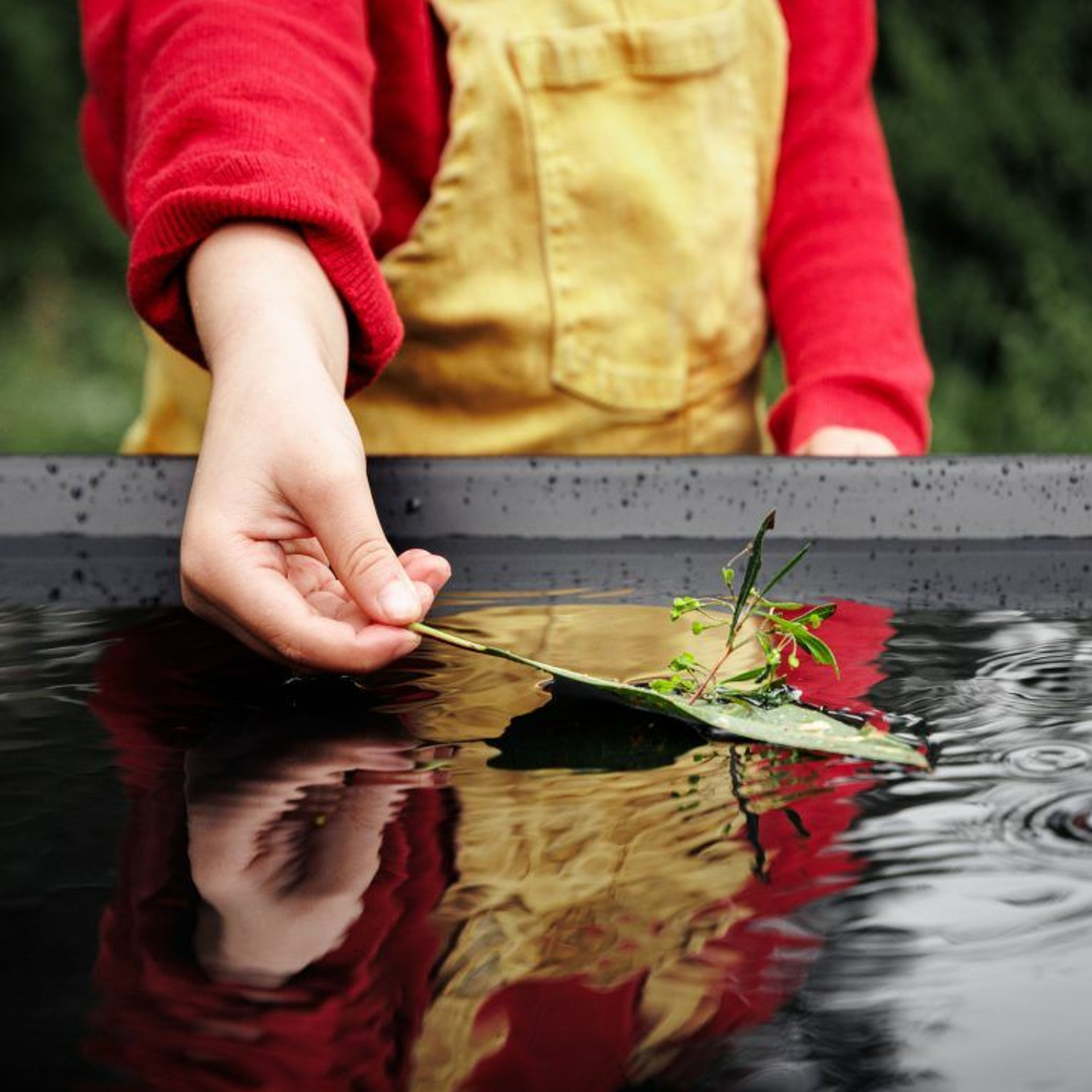
Polyglot Theatre and guests come together for a panel discussion on the joys of engaging children and families in arts experiences that connect to nature and natural environments. From its large-scale touring theatre works to small playful interventions, Polyglot has increased its focus on the way nature and sustainability feed into the organisation and its members’ arts practice. Exploring the intersection of this mindset and the built environment allows for creative adaptations and site-specific activations.


Scent is often overlooked, yet it is an incredibly powerful tool in the context of design. In this informal discussion, our panellists discuss the science of olfaction and how it can influence our experience of space. Together, they explore some wonderful historical uses of scent, and examine how the emergence of cities created malodours that have shaped our modern-day built environments. Examining the different ways that scents can be deliberately incorporated into buildings, whether emanating from the materials used, the incorporation of plants and landscapes, or deliberate environmental scenting, this panel discussion looks at how scent intersects with history, socio-economics, and our collective memory of cities.
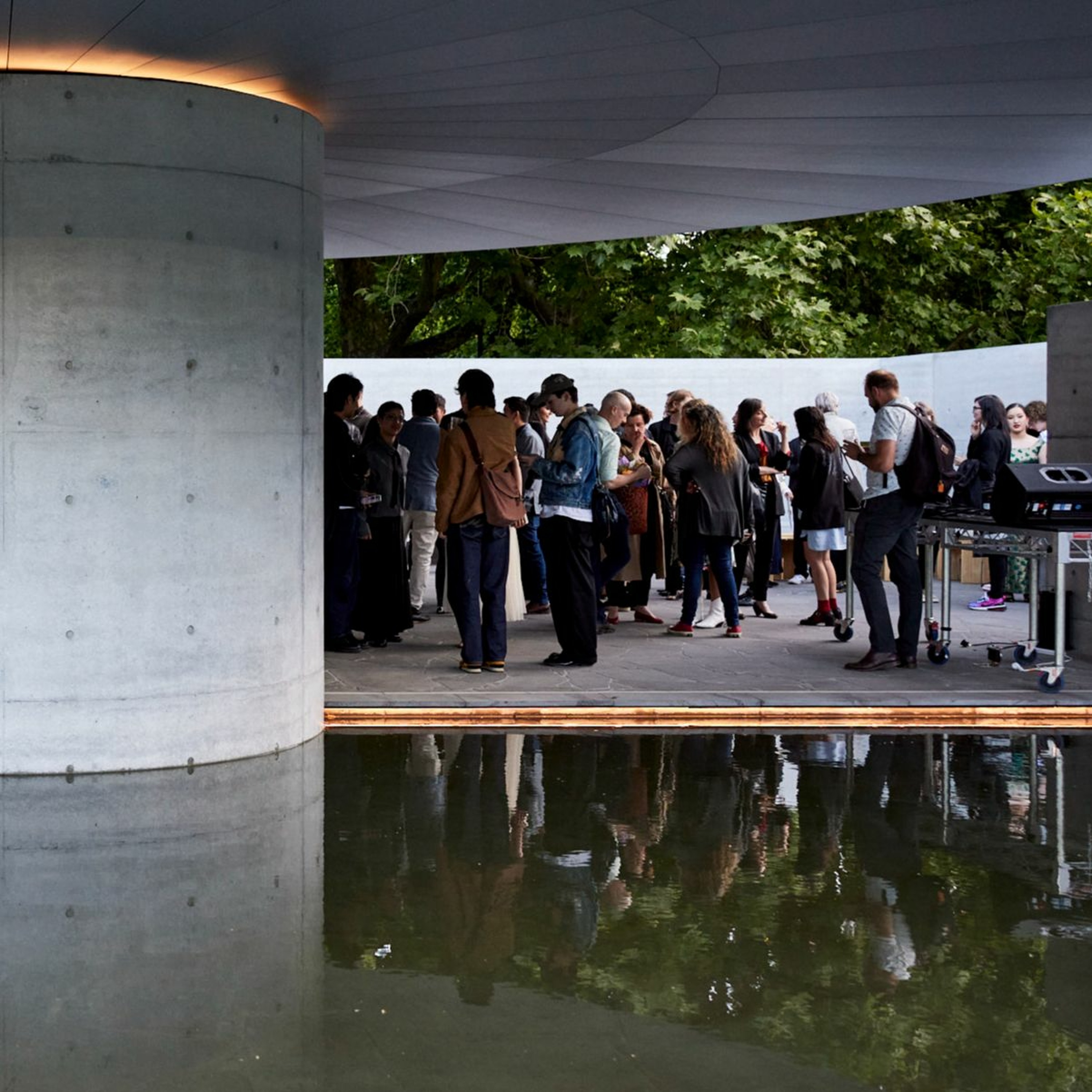
The way we dress is central to how we express our identity. Perhaps more than other settings, the workplace has been a site of radical cultural shifts, played out through changing dress codes. Part of the Paypal Melbourne Fashion Festival’s Independent Programme, Office Wear is a panel discussion that explores the impact, interpretation and subversion of workplace fashion standards, from power dressing, to the sartorial pragmatism of Silicon Valley and the loose bounds of post-pandemic workwear. The panel is moderated by Lucianne Tonti, fashion editor of The Saturday Paper and regular contributor to The Guardian. Speakers include Naarm-based fashion designer Erik Yvon, whose work is intended for all bodies and to bring joy to the wearer; Harriette Richards, Lecturer in the School of Fashion and Textiles at RMIT and founder of the Critical Fashion Studies podcast; and Jane Matthew, owner and manager of Swensk.
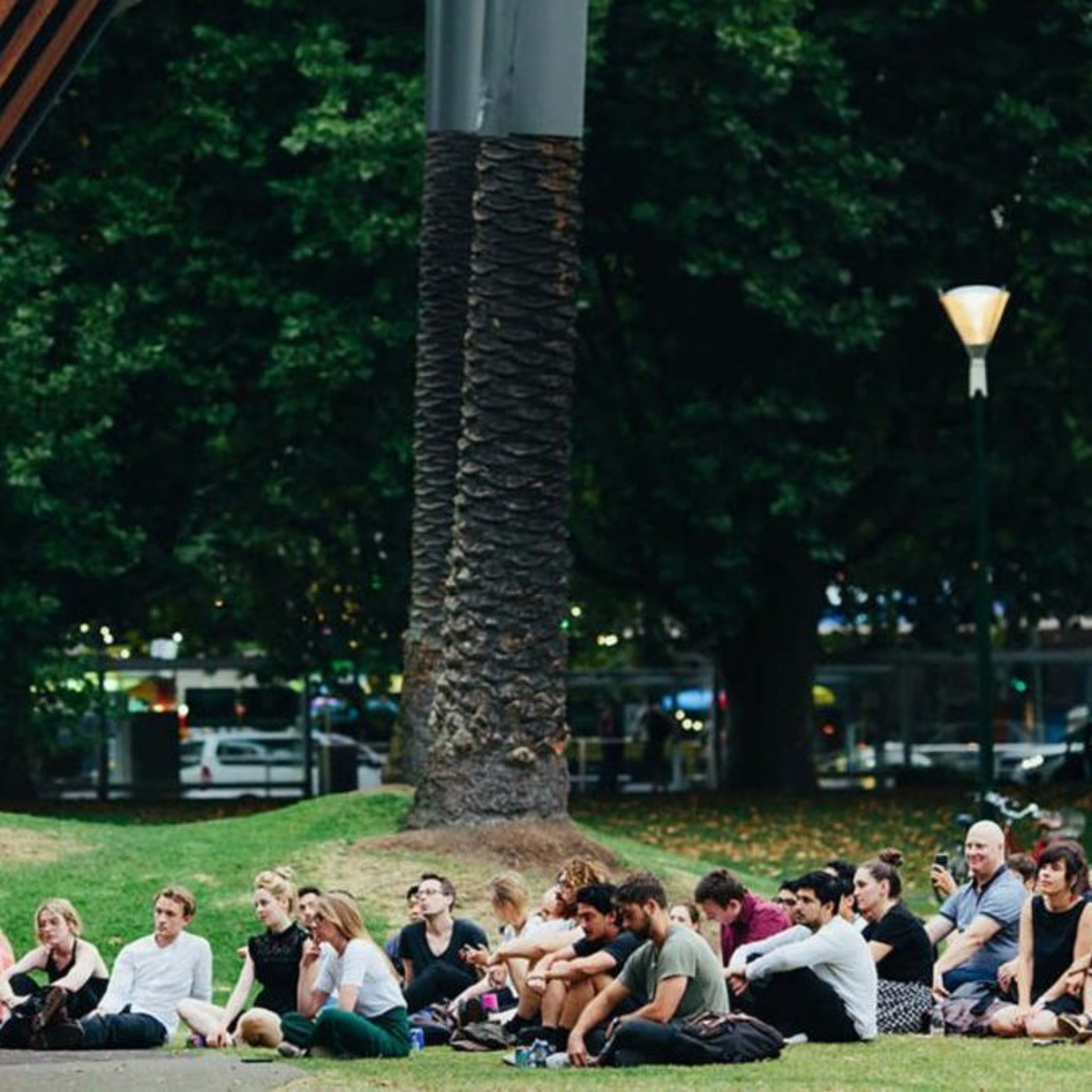
NAM (New Architects Melbourne) #42 brings together emerging architects, experienced practitioners and allied professionals at MPavilion to discuss the enduring importance of craftsmanship in shaping the built environment.

Explore the experiences, challenges, and stories of migrant female built environment practitioners working in Australia. Through discussing the challenges they have faced and overcome, this panel fosters a deeper understanding of the obstacles that female migrant designers encounter in their professional lives as well as how it plays into their interests in the chosen field. The discussion delves into the complex interplay between design, culture, identity, and migration, considering the diverse stories, tensions, and interactions these designers and academics have within the Australian context. By inviting these culturally and linguistically diverse designers and academics to speak about their experience, this talk provides a platform for these marginalised groups to build communities and bonds. This event is an outcome of the 2023 M_Curators program, which supports young and ambitious art, design, and creative workers to gain practical experience in developing and curating public events and programs. The M_Curators program is supported by Bloomberg Philanthropies.
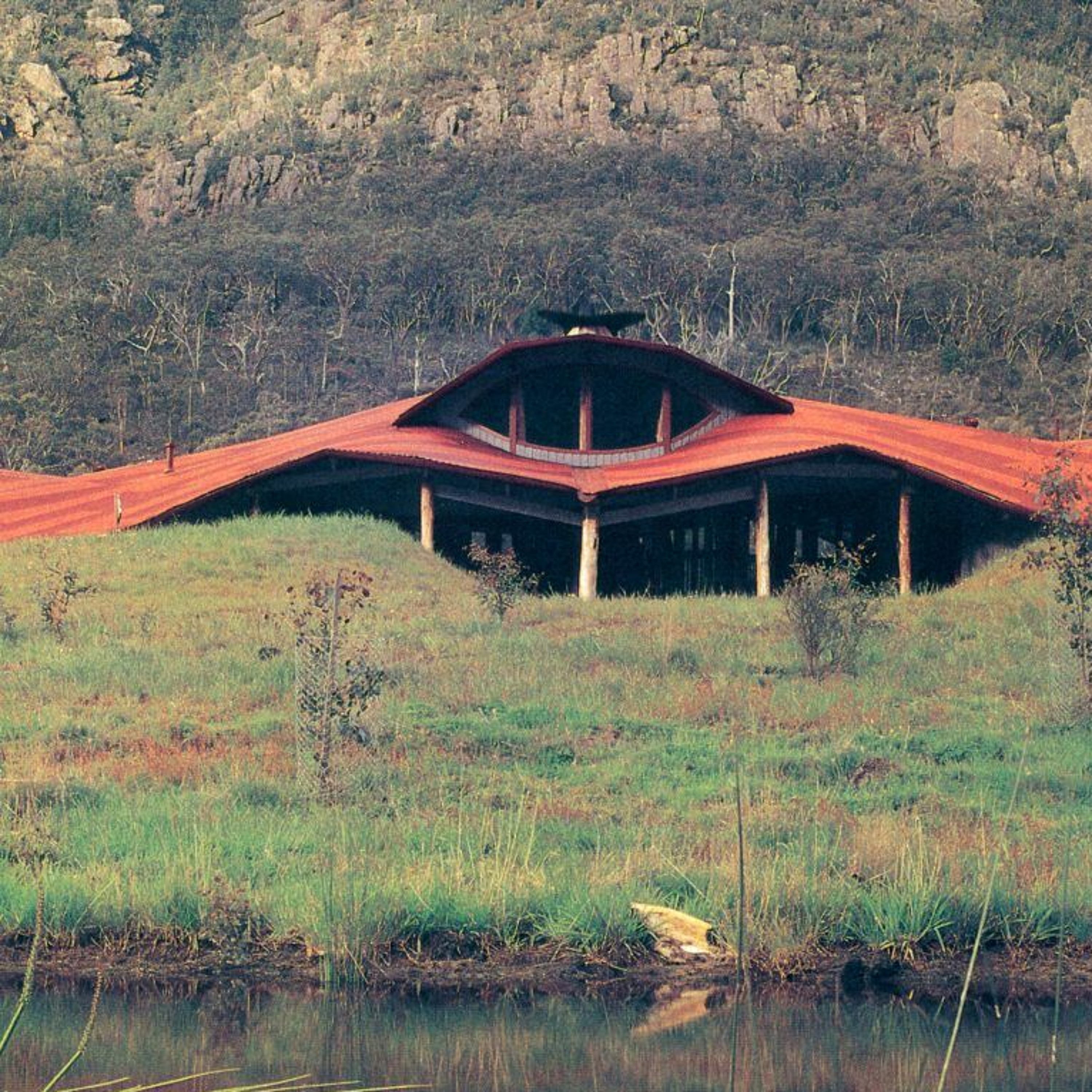
Country is not just a physical place, but also a spiritual and cultural one. It is the land, the water, the air, and the creatures that inhabit it. It is the place where Indigenous people have lived for thousands of years, and it is the source of their identity and connection to the world. Come hear from Indigenous architects and non-Indigenous architects who collaborate with Traditional Owners on their projects as they demonstrate how architects can incorporate Indigenous concepts and materials into their designs to create beautiful, functional, and culturally significant buildings.
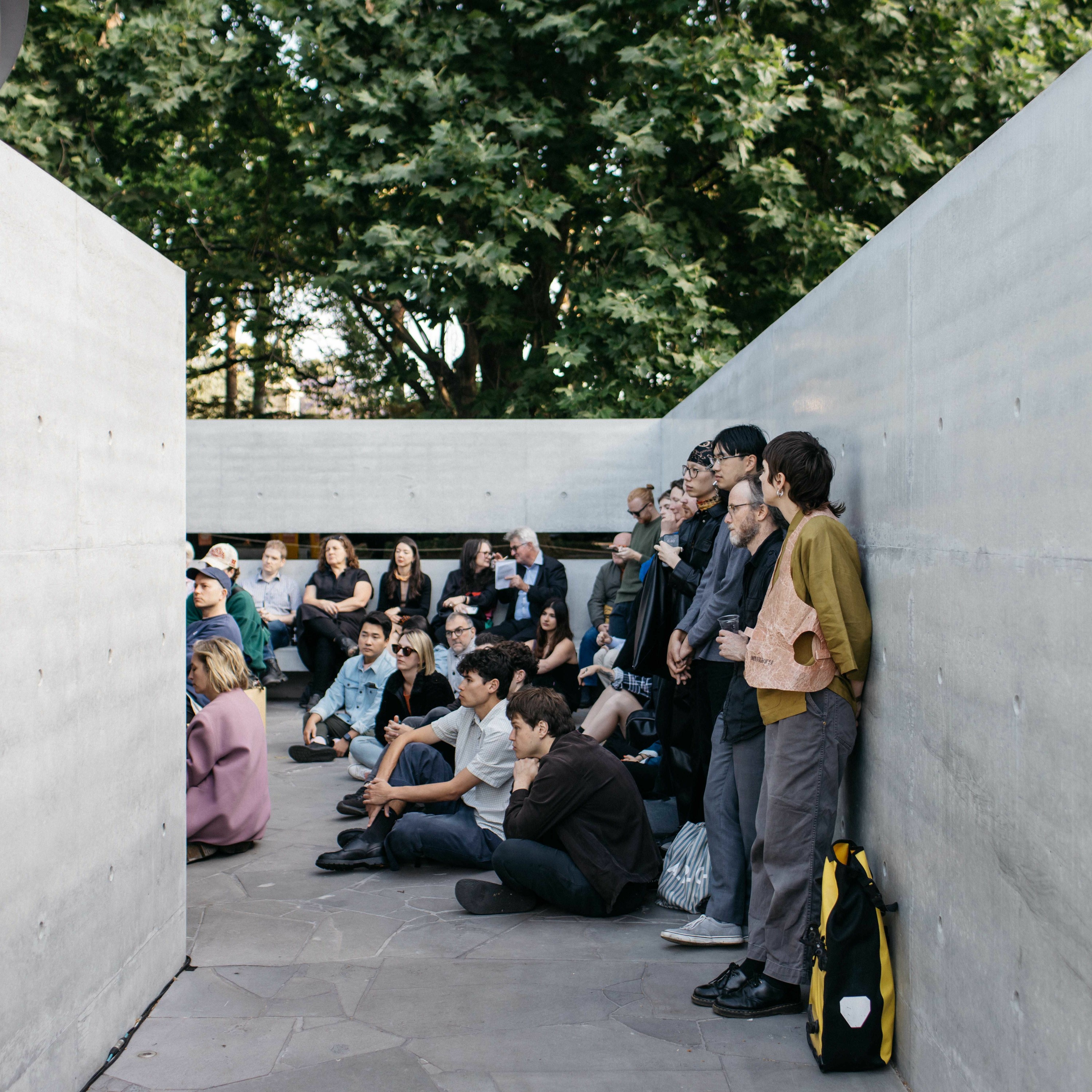
Place as Protagonist explores memories and place in the city through two modes of storytelling: online map-based community engagement platform CrowdSpot, and a storytelling event that brings a mix of voices together with a prompt to share a story about a time when the city made them laugh or cry. Come along to the event and hear a mix of storytellers share their stories through a medium that speaks to them, whether that’s spoken word, song, sound or dance.

BLAKitecture for MPavilion 10 will focus on the custodial relationship to Country as a means of furthering the conversation around First Peoples rights and perspectives around the impact we have to the built environment. Waterways are living ecosystems, with rights and agency. There are existing architectural vernaculars that relate to material, climate, sun, wind, seasonality etc and the Architecture of Country is embedded with memory, with traditional knowledge and fundamentally based on Care.
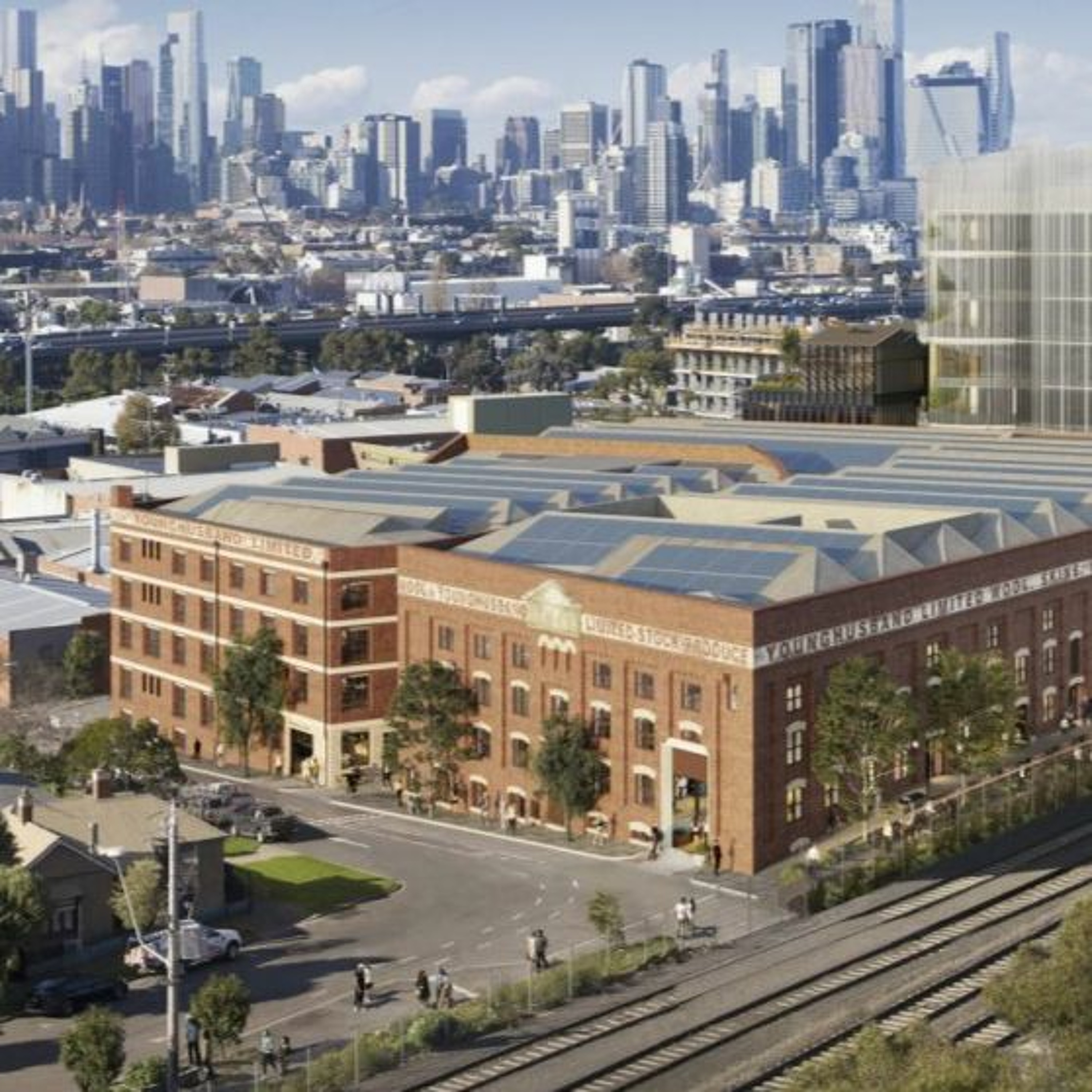
The Younghusband Woolstore Redevelopment reimagines a 122-year-old redbrick wool store and adjoining network of industrial early 20th-century buildings as a new mixed-use community precinct. Hear from speakers who have worked across all angles of the project, from the architects to the art consultant, as they discuss what will be Melbourne’s largest net-zero carbon, adaptive-reuse precinct.
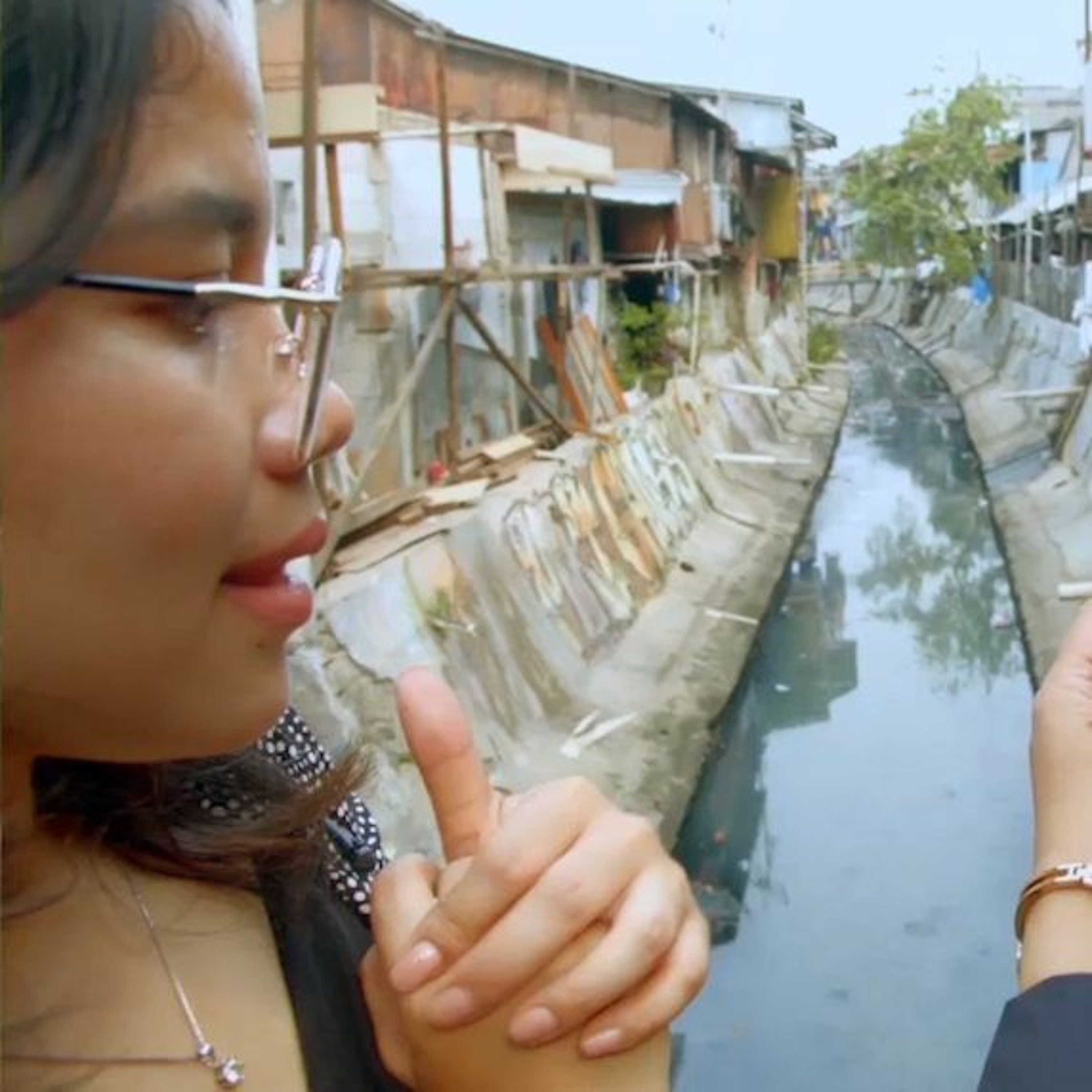
Join us for a panel talk, which sees international guest speakers Nashin Mahtani and Keller Easterling come together with local urban designer Bree Trevena to discuss rethinking the future of AI, for a more equitable, inclusive and sustainable society.
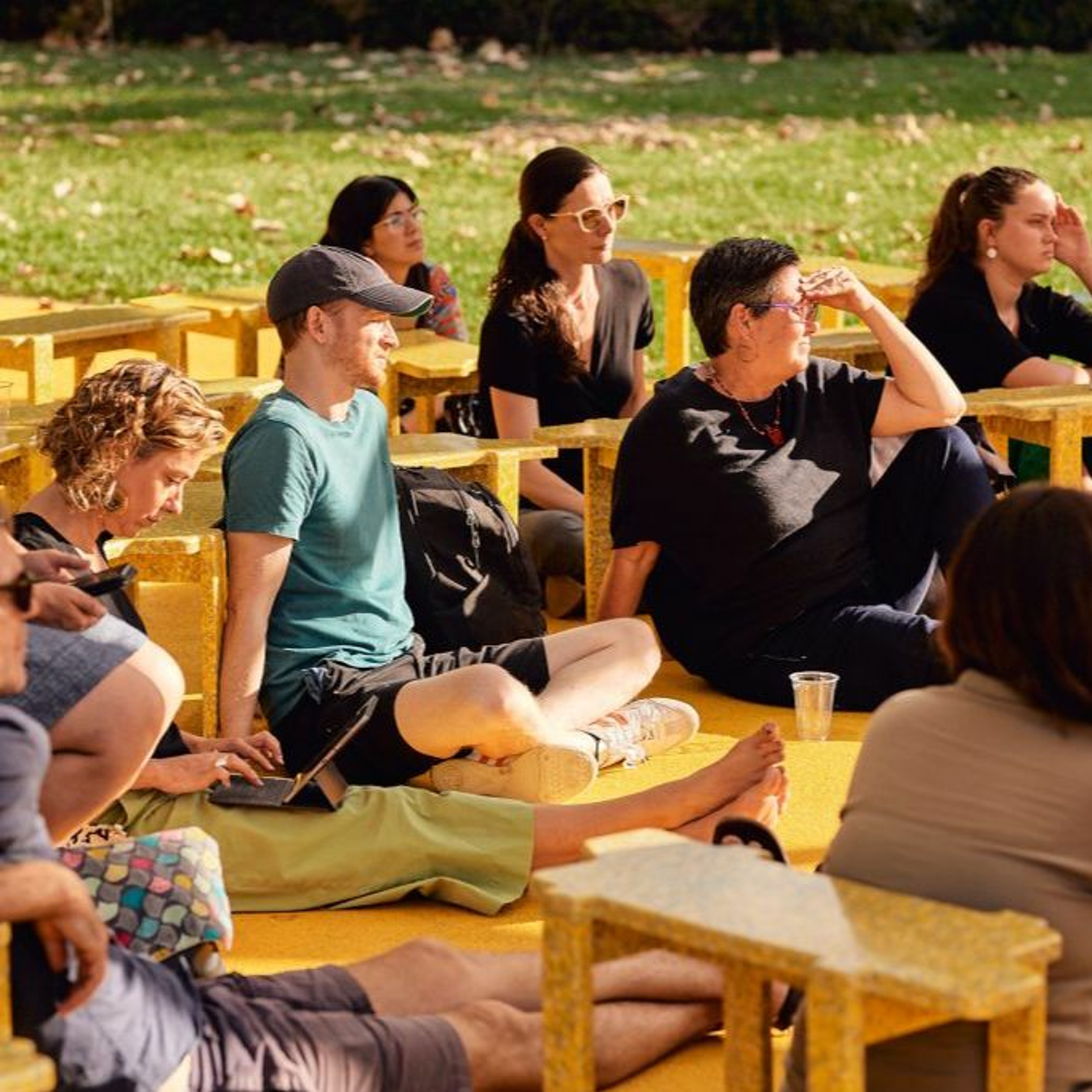
First Nations speakers across the fields of architecture, planning and design from Australia and around the world will contemplate the good, the bad and the ugly of the built environment in an intimate yarning circle format spearheaded by BLAKitecture founder and ex-Curator Sarah Lynn Rees.
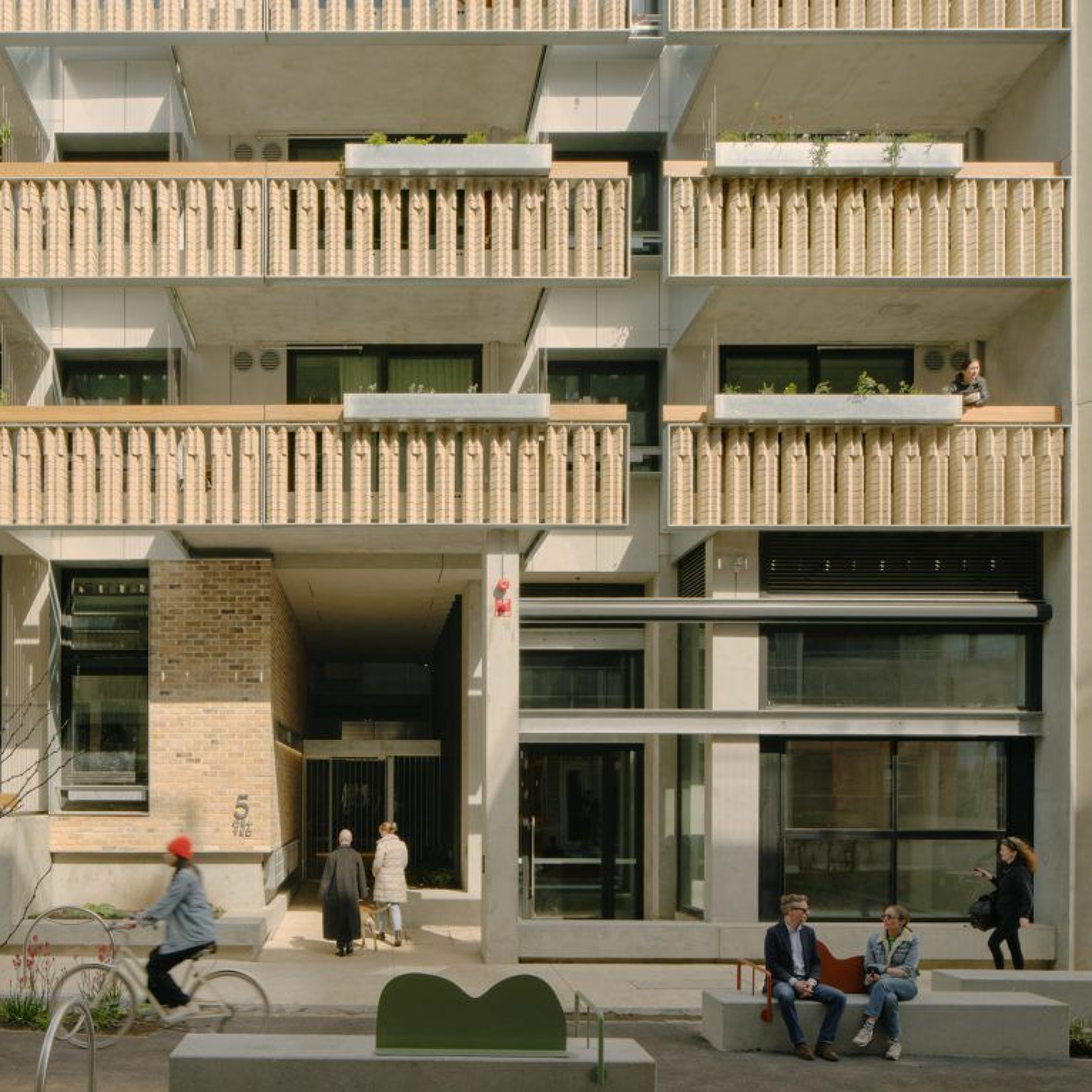
As Australia’s housing crisis deepens, higher-density living will be a crucial part of any effective solution. Building upwards rather than outwards can be more economically and socially beneficial: it makes use of existing services and infrastructure, and helps people live closer to jobs, schools and loved ones. From the people behind Nightingale Housing, learn more about the merits and pitfalls of increasing density in urban areas, often characterised as the ‘Yes-In-My-Backyard’ (YIMBY) or ‘Not-In-My-Backyard’ (NIMBY) movements. Through the lenses of planning, design and community care, this discussion asks: how do we respect memories of place while also responding to the need for centrally-located, high-density housing?
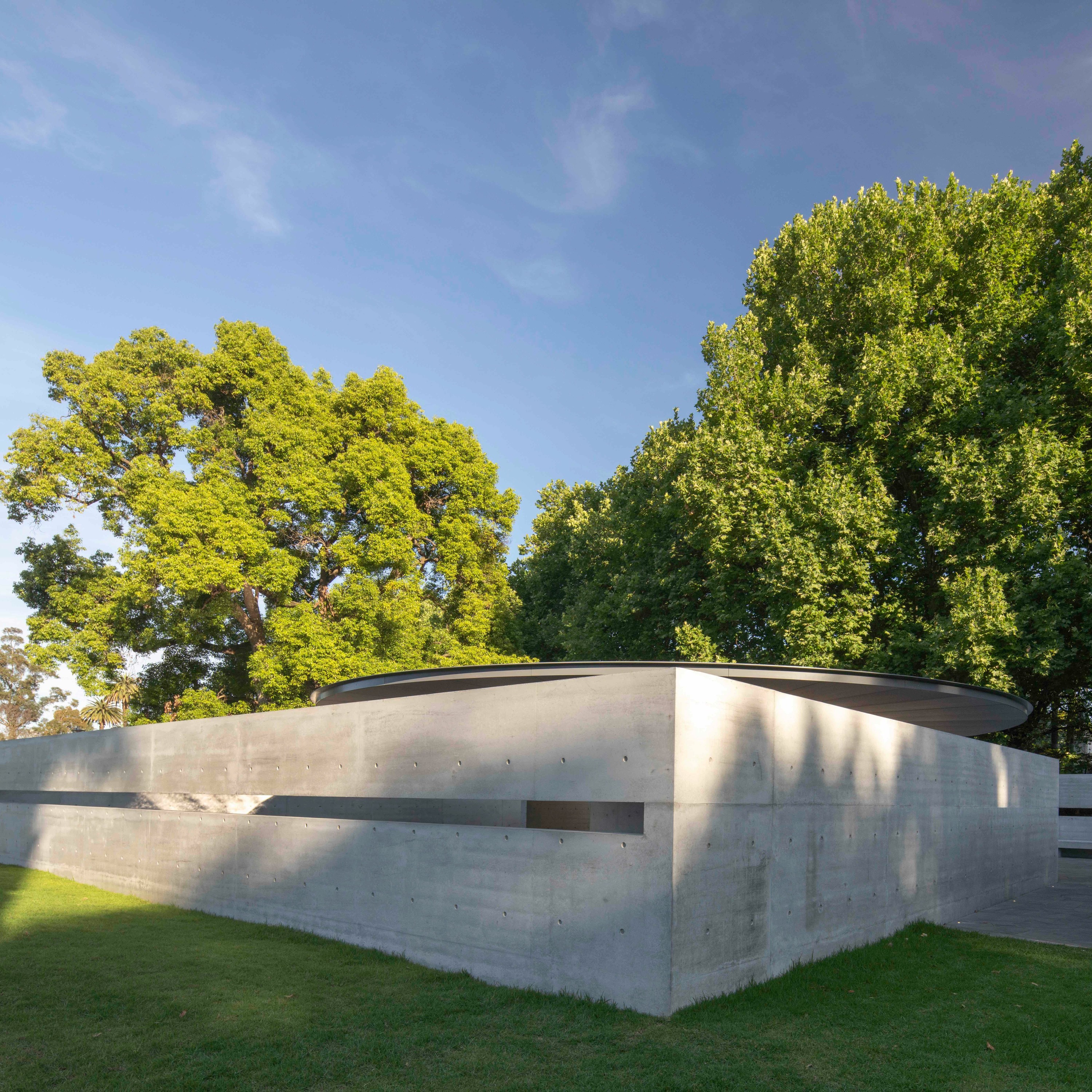
Join MPavilion founder and commissioner Naomi Milgrom AC to discuss the process of building the structure with esteemed Australian architect Sean Godsell – Principal of Sean Godsell Architects and Executive Architect of MPavilion 10 in Australia – and the thinkers behind the construction of the pavilion, Project Manager Harry Wynn Pope and Technical Director of AECOM, Nigel Burdon. Hosted by Australian architect and presenter of Grand Designs Australia, Peter Maddison, the talk will explore the extraordinary story behind MPavilion 10. This building, designed by Tadao Ando, marks the tenth anniversary of the iconic architectural commission and is the first of its kind in Australia.
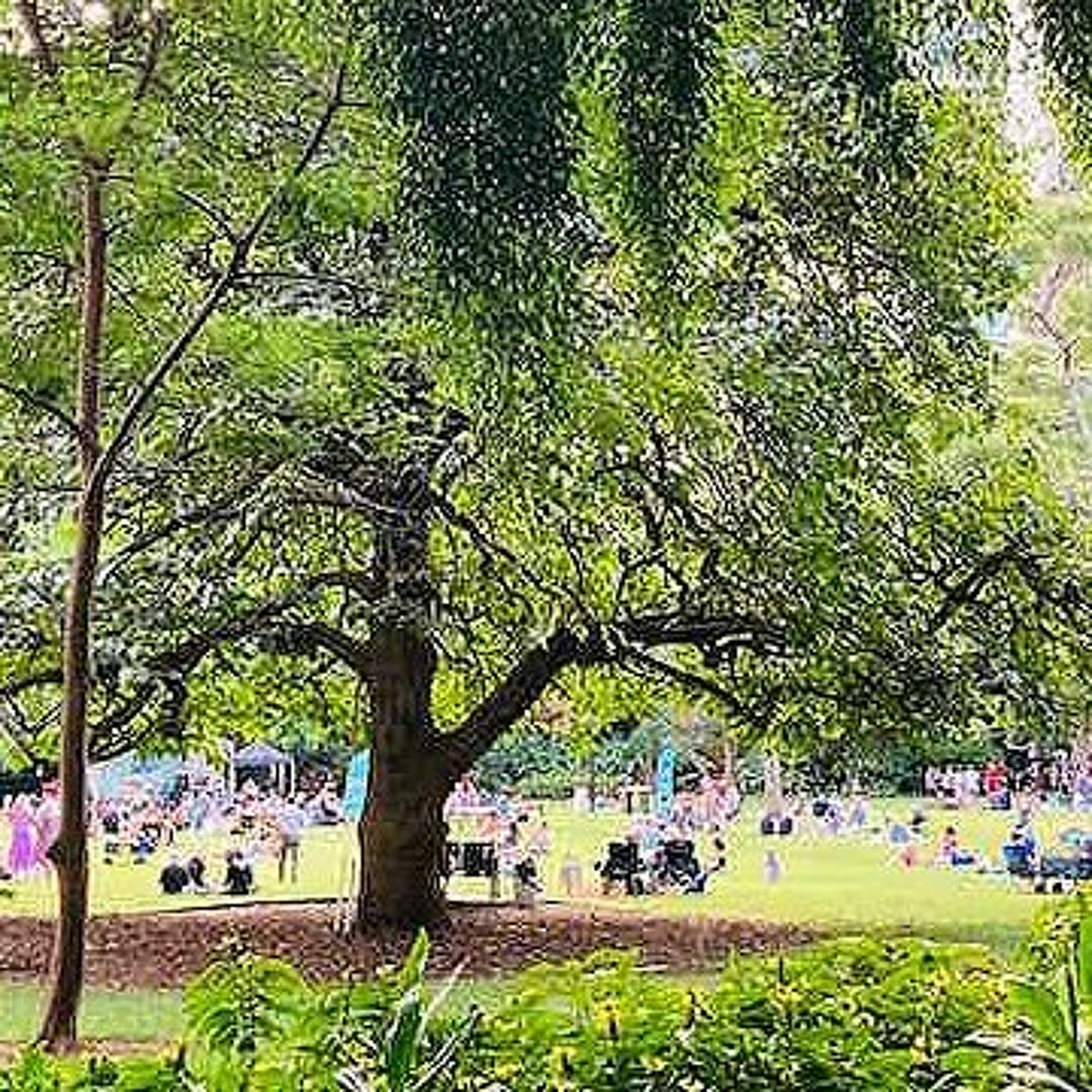
We all know green spaces are good for us, but could they offer a cure for loneliness? Tune in to this panel discussion and hear more about how our city-makers (and others) have contributed to a “lonelygenic environment” that makes connection difficult, and hear about ways that could change this. Hear from panelists like epidemiologist Thomas Astell-Burt, who shared research he co-authored with fellow epidemiologist Xiaoqi Feng—that suggests that more quality green spaces could reduce our chances of loneliness by up to a quarter. Data analyst Angela Ryan (land supply and redevelopment analyst in the Department of Transport and Planning, formerly at AURIN as a social data scientist) discussed the importance of incorporating health and spatial data when making decisions around land use and city planning. The panel was moderated by AURIN’s Lara Brown, a writer-turned-urbanist who has studied urban loneliness and its causes. She guided this panel discussion that aimed to show why the pathway to more urban togetherness should be green.
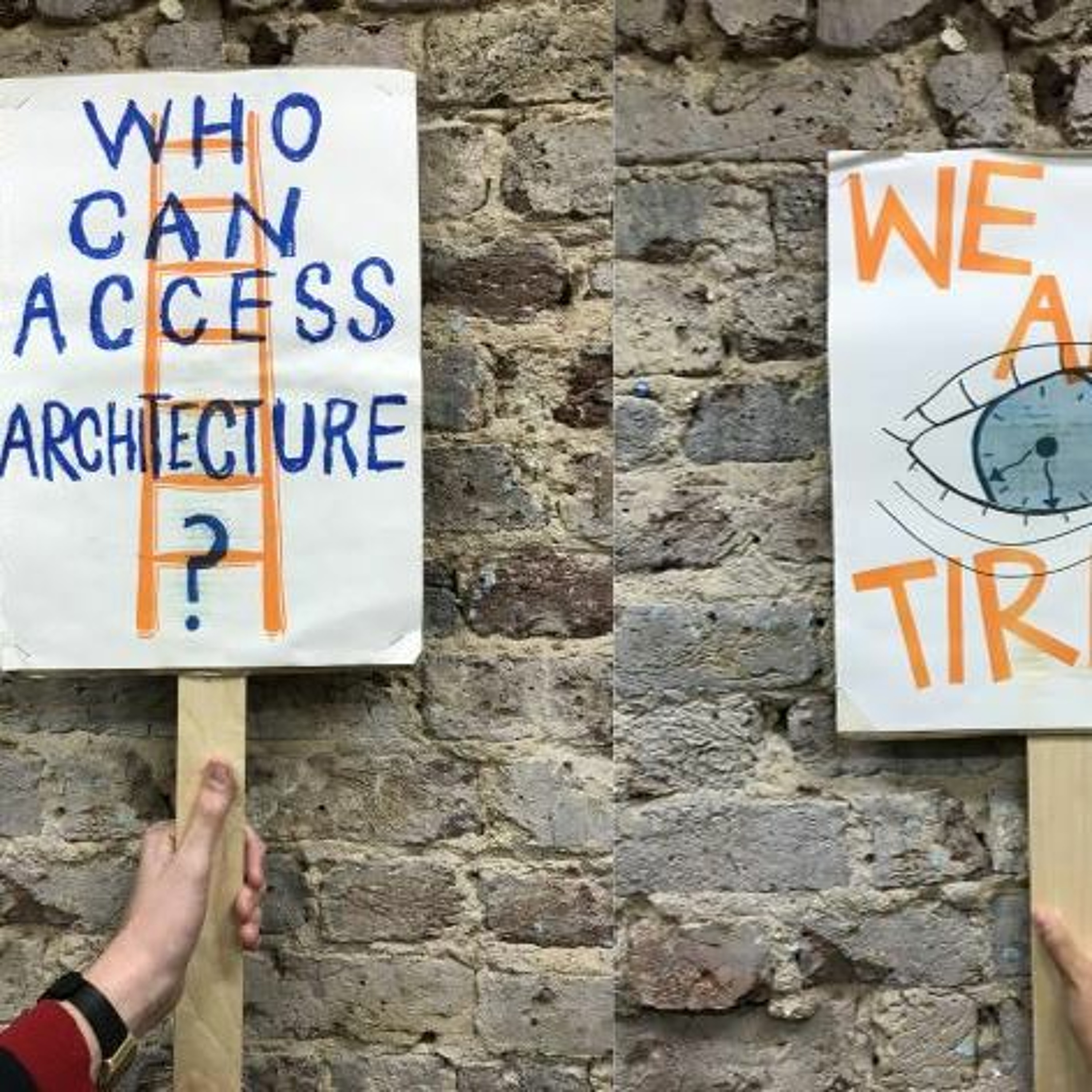
How can we collectively shift away from widespread experiences of exploitation in the architecture industry to that of a new, empowered and future-proof profession? Architecture and related design fields are professions where ‘passion’ is sometimes used to excuse an exploitative workplace culture. In light of emerging movements around the world to counter the worsening plight of architectural workers, Professional Architects Australia presented a talk between local and international practitioners, advocates and academics. Hear from a diverse selection of guest speakers about their experiences.
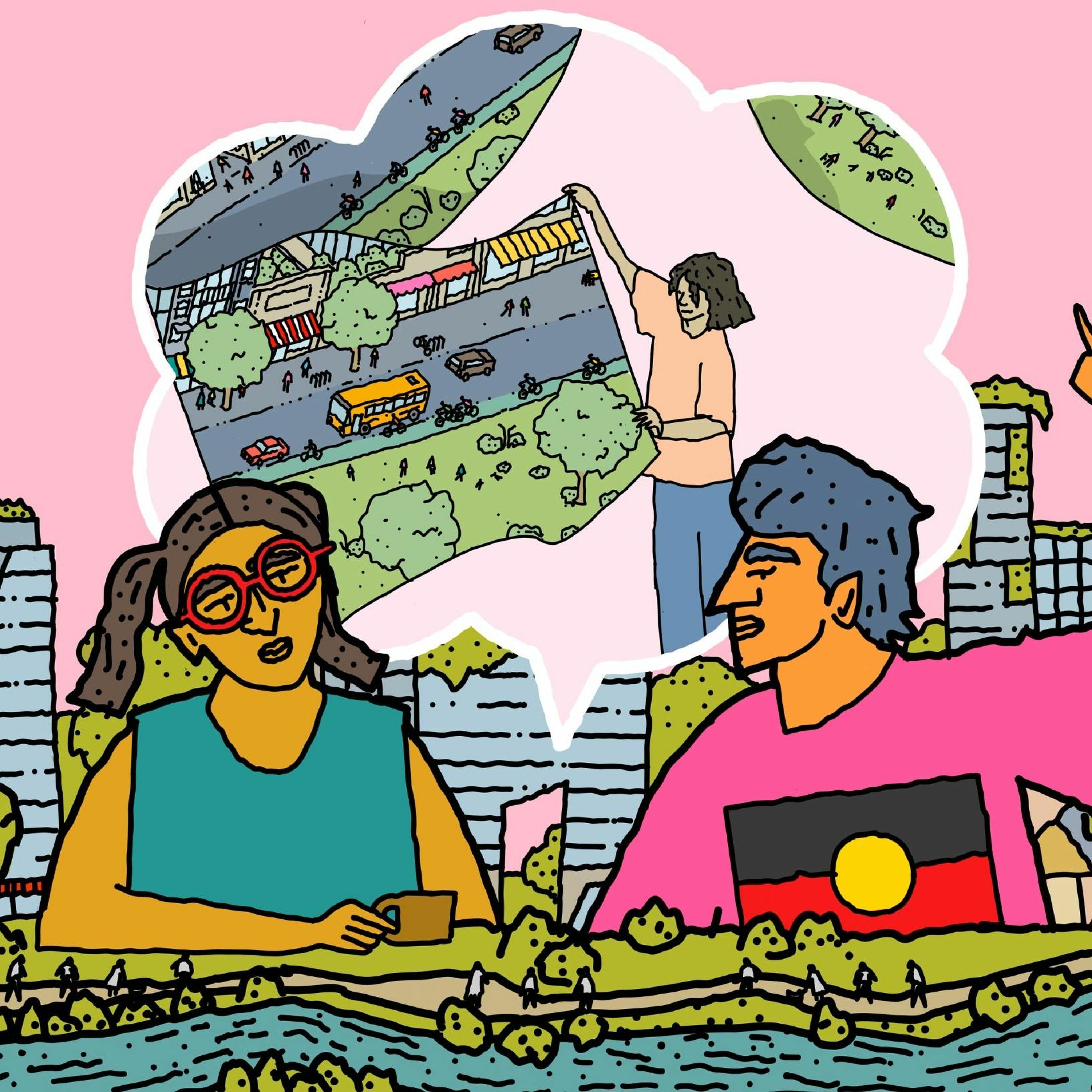
Tune in to hear a panel discussion with regards to speculating our shared futures, the contemplation of possible urban trajectories, and the ways that diverse and creative perspectives intersect to imagine future environments. Learn as we explored new possibilities that emerge from interdisciplinary, artistic and experimental approaches. This was the final event in The Excellent City Series, listen in for an opportunity for both individual and collective interrogation on the future of our city. Future thinkers and creative collaborators include: Jocelyn Chiew – Director of City Design, City of Melbourne [she/her] Bebe Backhouse – Head of Strategy Policy and Programs, City of Melbourne [he/him] Tegan Kop – Head of Smart City Incubator, City of Melbourne [they/them] Xan Coppinger – Musician, DJ, podcast producer and radio presenter [they/them] Bronwen Hamilton – Design Manager, City of Melbourne [she/her] The Excellent City Series: City of Melbourne’s Excellent City Series is back in 2022/23. The series explores four key themes that are shaping Design Excellence conversations in Melbourne. The City of Melbourne’s Design Excellence Program reinforces the city’s commitment to enhance the function, liveability, sustainability and public contribution of our buildings and urban spaces.
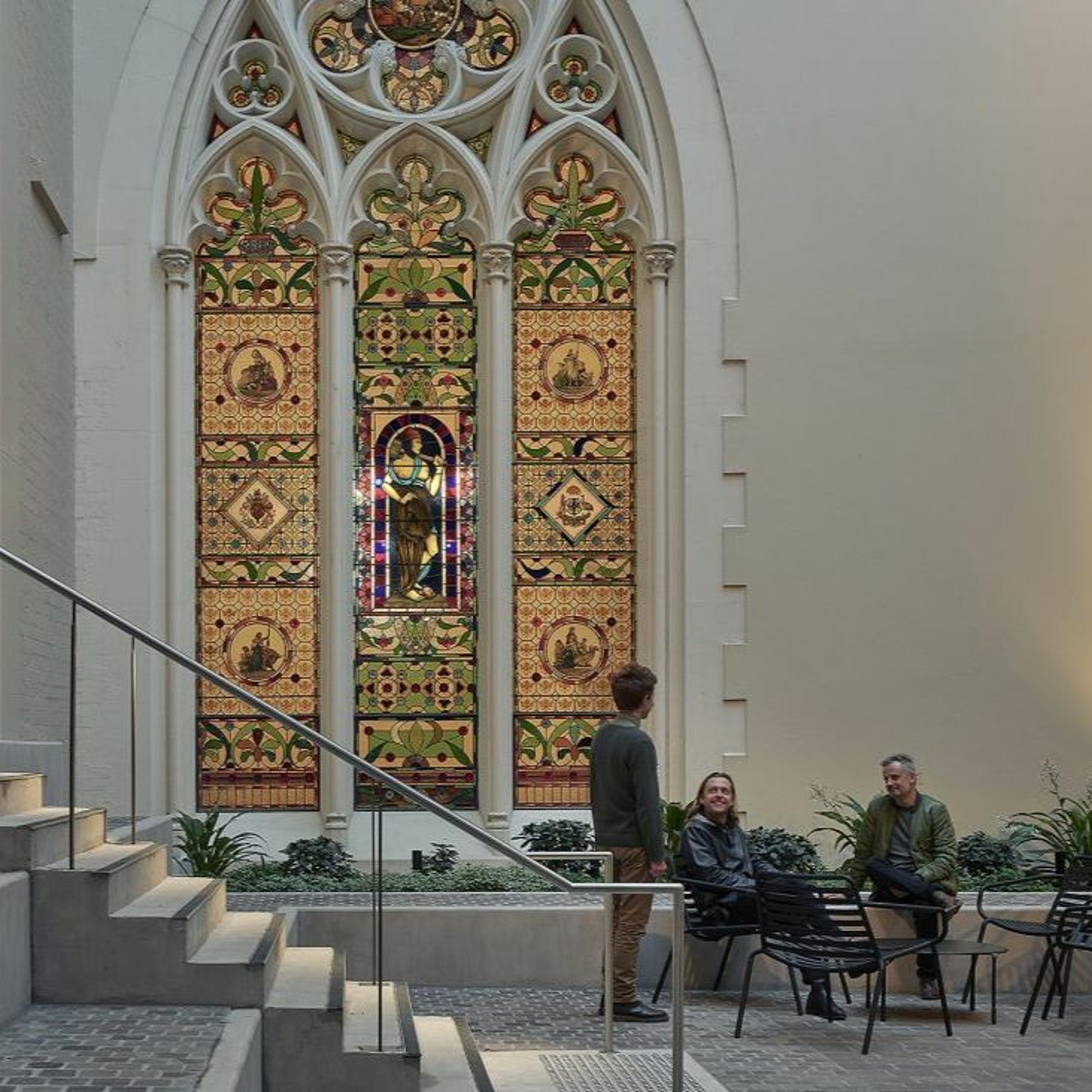
Aldo Rossi, in The Architecture of the City, describes the urban artefact as a permanence, “a past we are still experiencing.” Rossi proposes permanence’s present two aspects: “they can be considered as propelling elements or as pathological ones: artefacts that enable us to understand our city in its totality, or artefacts that appear as a series of isolated elements that we can link only tenuously to an urban system.” Tune in to a discussion that focused on our built heritage and how it can be interlinked with urban design imperatives and opportunities. Are they appropriately interlinked? If not, why not? What might it be like to have these spheres more productively entangled? What policy and other changes in approach might better enable heritage to be integral to a vital and lived future within the context of a broader urban system? Join KTA and our panelists—Christine Phillips, Dan Hill & Felicity Watson—in conversation with compere extraordinaire Stuart Harrison. Curated by Kerstin Thompson Architects. KTA is the 2022 Urban Design winner for the Melbourne Awards, proudly supported by the Naomi Milgrom Foundation.
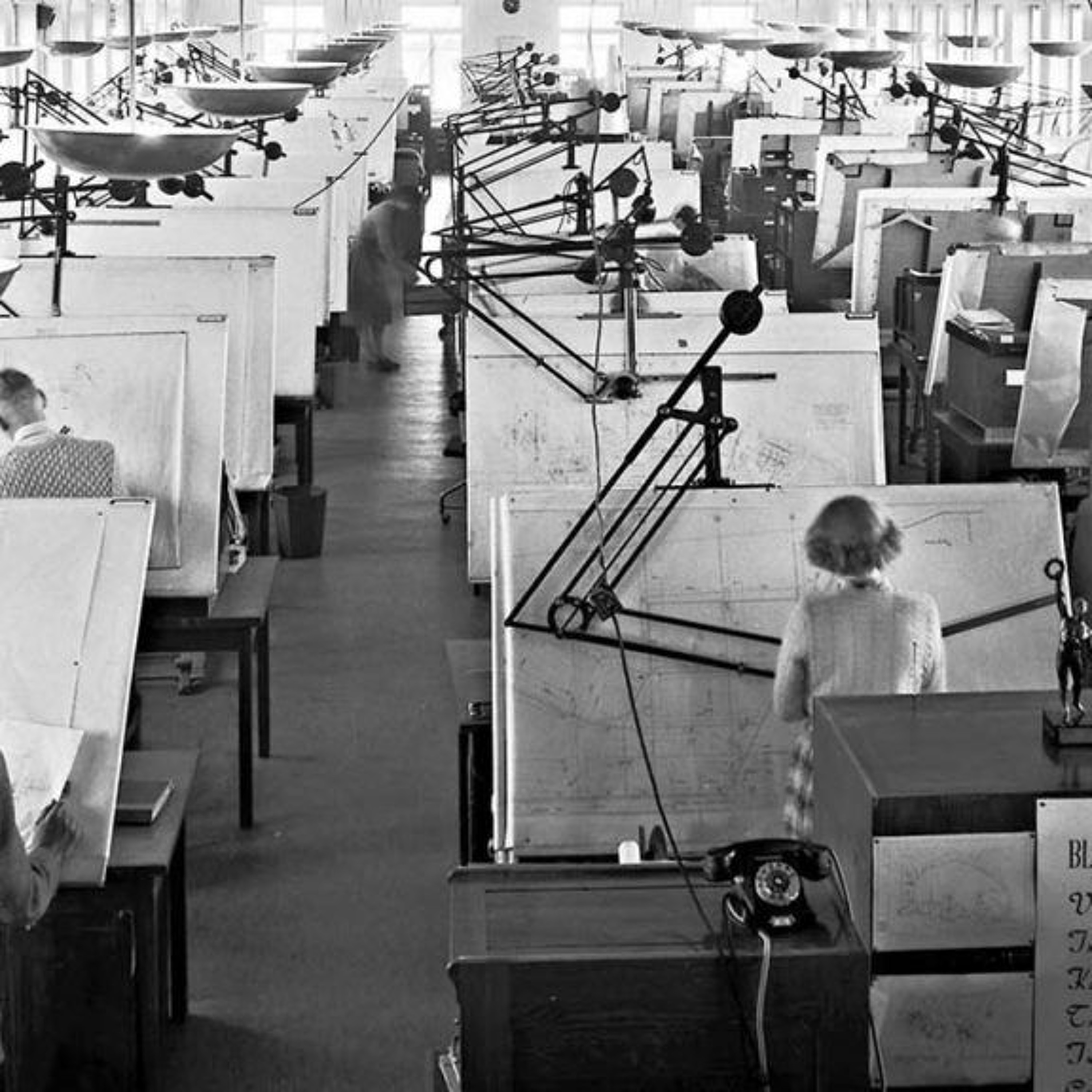
What makes good architecture or a good architect? Tune in as we dove behind the scenes of the architectural profession and examined the roles and responsibilities of those who work in the field. Architecture is often judged by aesthetics, but this does not always distinguish one architect from another, nor a good one from a bad one. What does the licensure, the regulations and contractual systems that surround architecture actually cause? How do these legal mechanisms allow architects to be accountable, to have a duty to the public, and a decision-making process regardless of whether they are good or bad? Based on discussions from the RMIT Architecture ‘Professional Practice’ area of research and teaching, this discussion looked at the ethics and standards of the architecture industry and to find the ‘good’ of architecture.
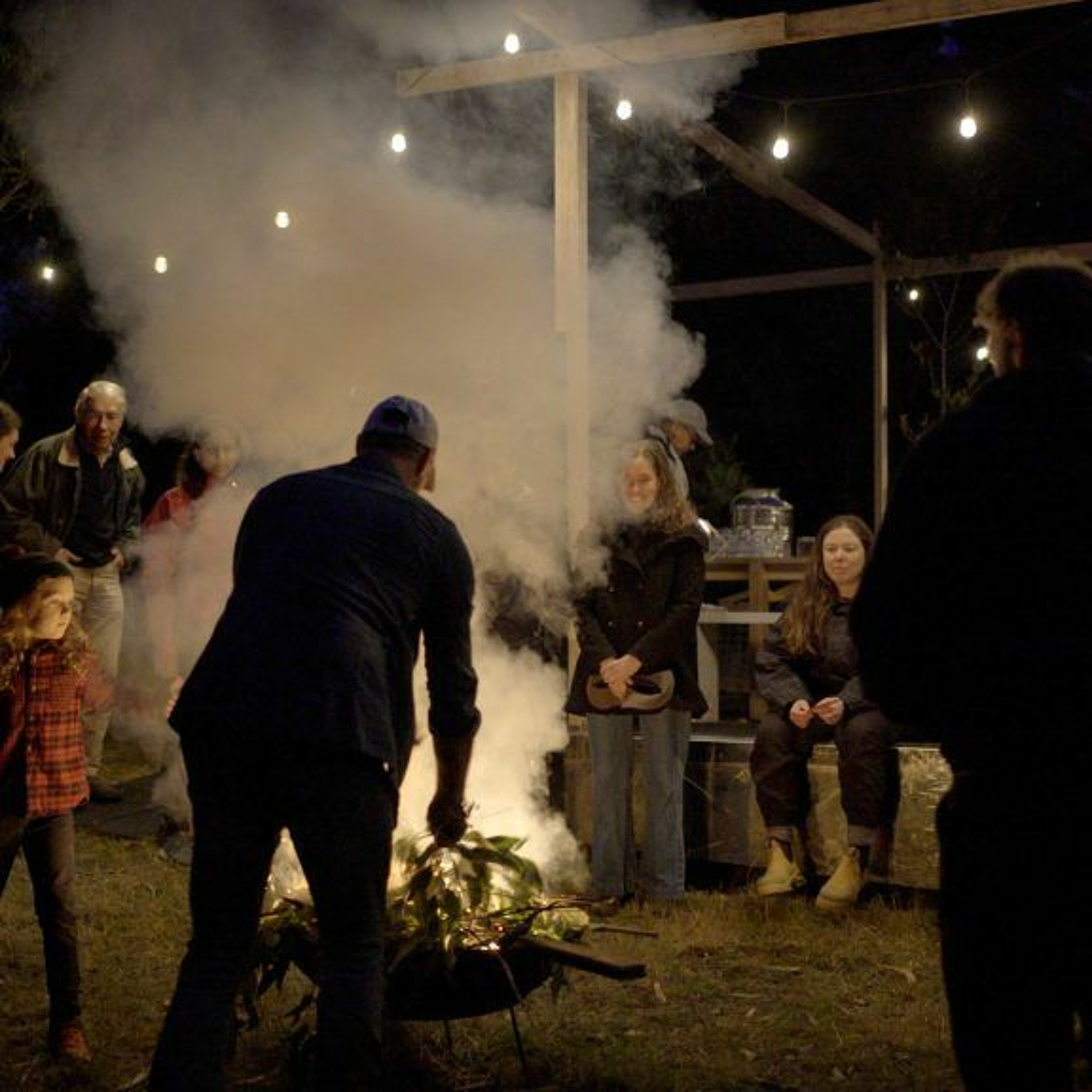
Held within a 140-year-old sandstone quarry in Beech Forest within the Otway Ranges, on the traditional lands of the Gadubanud people, Quarry Pedagogies Camp brought together a community of designers and creative professionals to consider the site and its post extractive condition, rehabilitation as an expanded practice and how to foster cultures through place. This inaugural Quarry Pedagogies Camp included a program of talks, workshops, daily activities and group discussions. Participants were invited to initiate projects in response to the site and were provided time, space, materials and tools to do so. The Camp was an experiment in culture building, group work and ecologies at the edge. One month later, please tune in as we reflected through conversation about what emerged, what lessons we learnt and how we might collectively consider alternate modes of design and creative practice through sites and projects such as these.
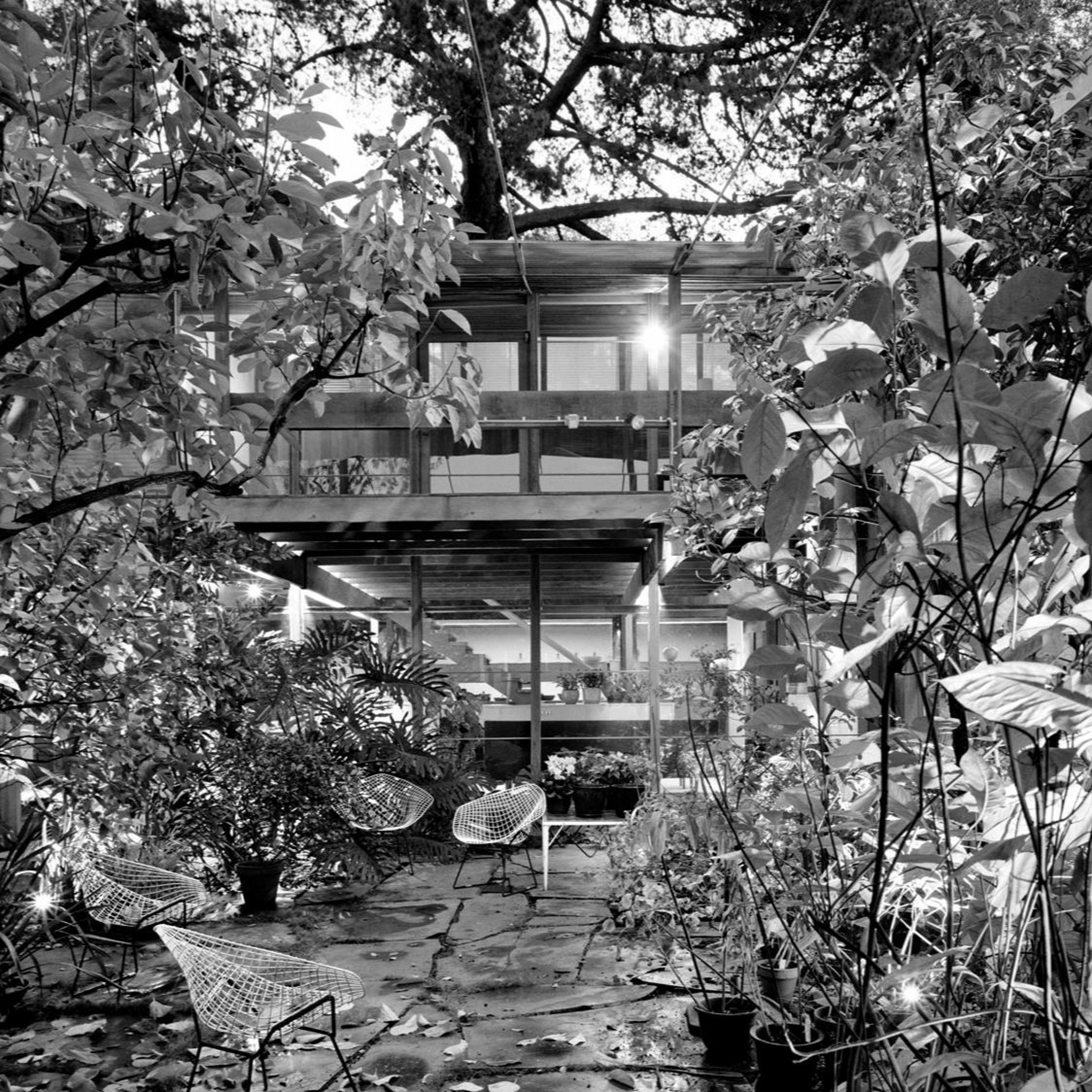
Design thinking shapes responsive, problem-solving, entrepreneurial thinkers and doers who can rise to the challenges and opportunities of complex issues; it’s an approach that has benefits beyond creative and technology-driven disciplines. Understanding and teaching the knowledge required for design thinking is akin to learning to swim from a book. Tune in and hear from an advocacy panel of design professionals and education leaders who discussed how to better understand and teach the skills required for design thinking. Topics covered range from different pedagogical approaches to how design professionals can better connect with those delivering design curricula, and how to better support and inspire young people, including those from under-represented communities, to discover the value of good design.
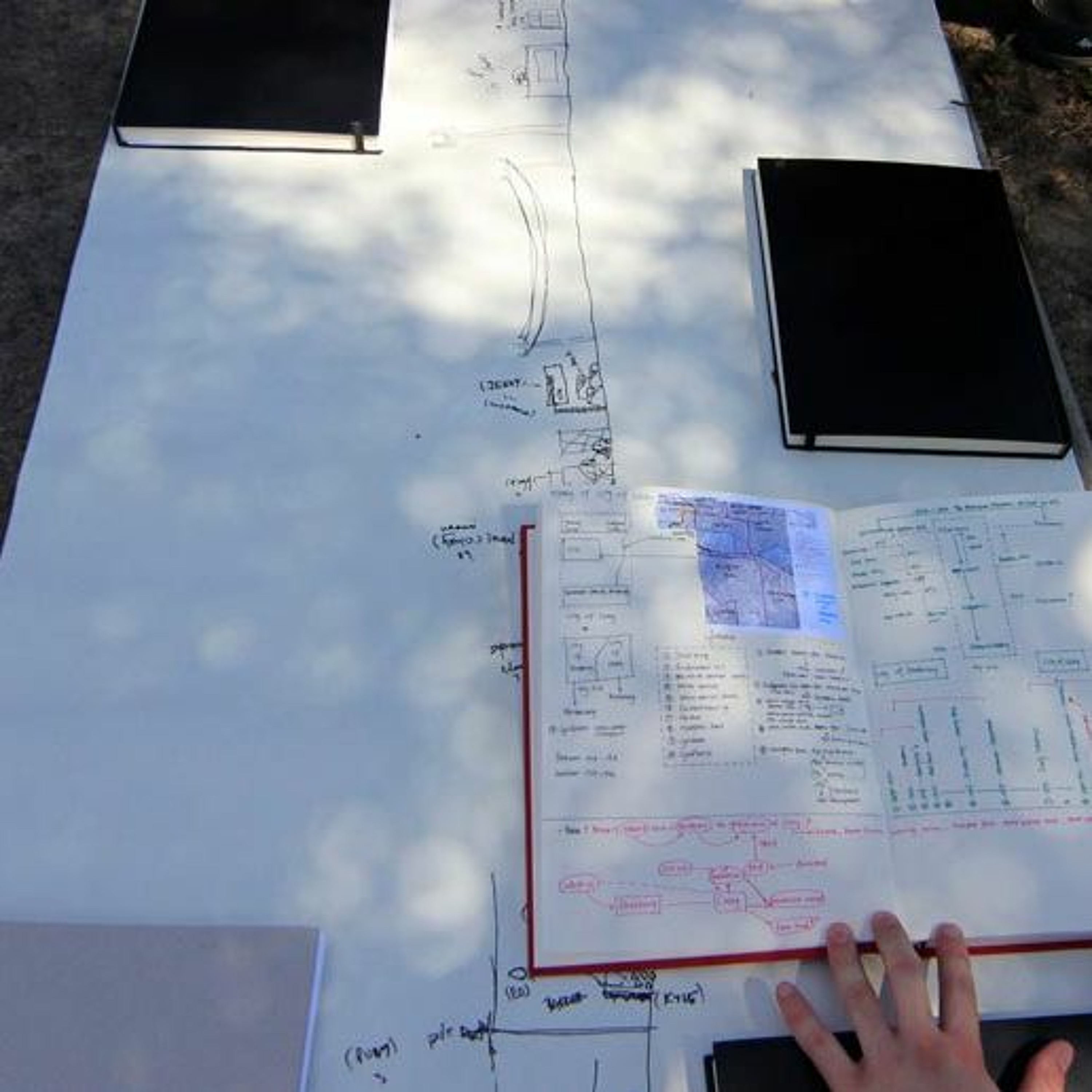
In a time of radically accelerated cultural and ecological change, four emerging landscape architecture educators come together to discuss: How can learning environments cultivate the practices of students to be ethical, critical and attentive to the future? Pedagogies developed by landscape architecture educators empower and equip students to shape future landscapes that are largely invisible to the public. Tune in to a discussion with four emerging landscape architecture educators exploring creative, experimental and critical approaches to design pedagogy. ‘Pedagogies for Future Practice,’ is a conversation series developed by Dr Alice Lewis and Kyle Bush of RMIT University Landscape Architecture to explore the role of landscape architectural education in shaping the profession and the landscapes it produces.
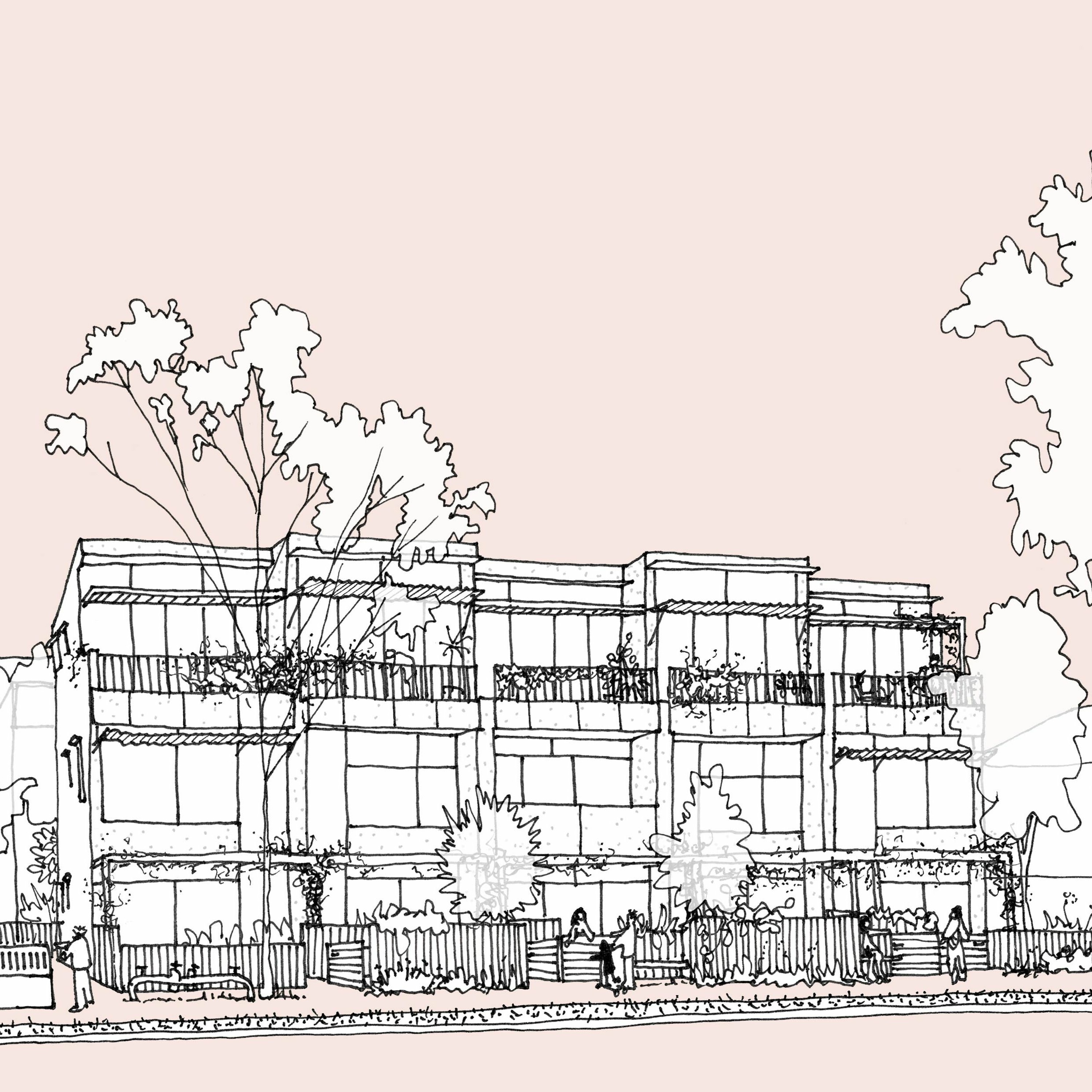
There was a time when the single-family home was the dominant form of architecture. Apartment design played a poor, compromised support act. That day is now over. New award-winning apartment buildings are grabbing front pages, and more architects are diving into the opportunity. Yet what do we really know about their quality? Are they genuinely family-friendly? Are they long-term propositions, or just a make-do until something better comes along? The answers to these questions lie in a range of unseen and little discussed design considerations. These design considerations formed the basis of the Victorian Government’s Future Homes challenge. Tune in to learn more about these homes and the many detailed—and often unseen—design considerations that make them model apartments for future living.
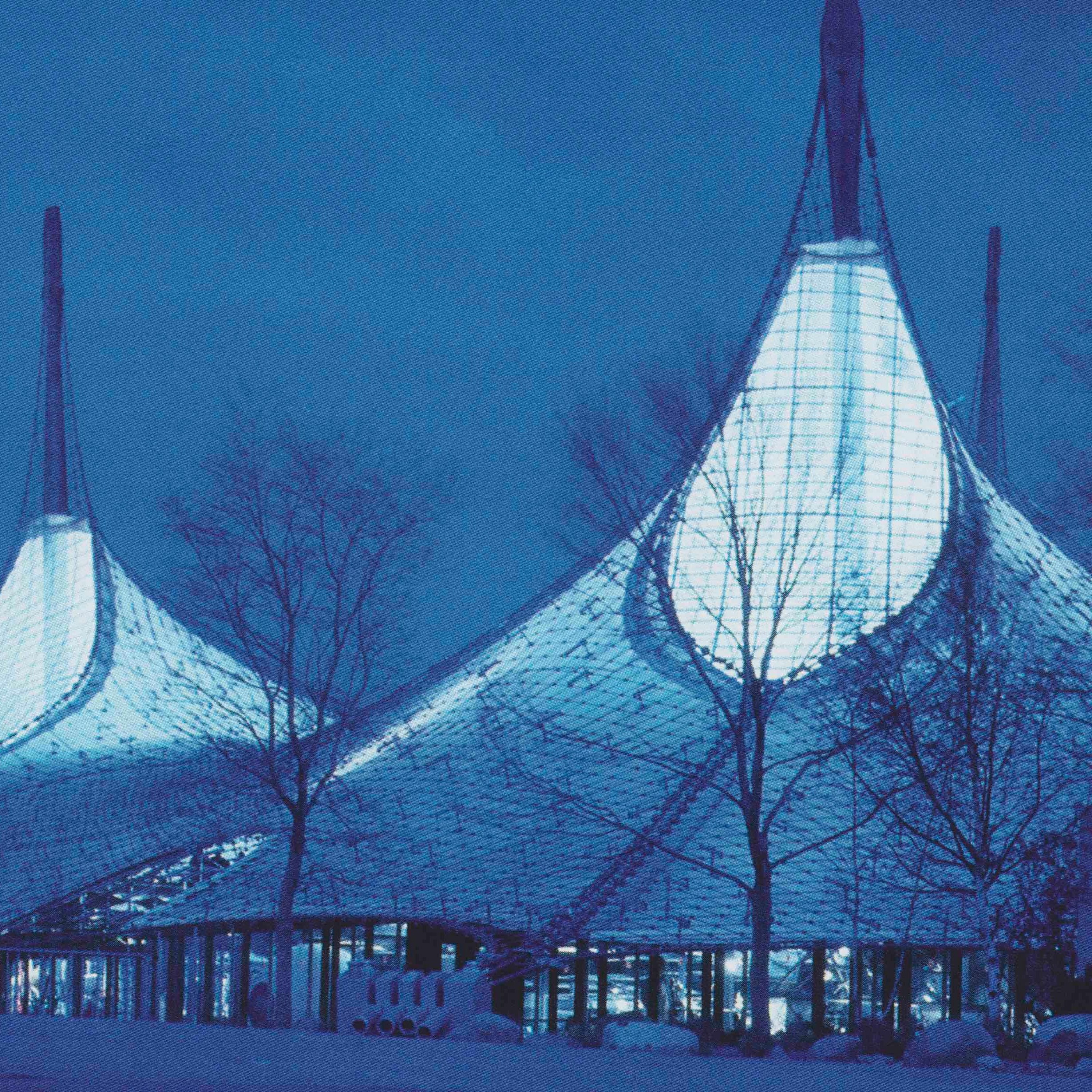
Tune in to a a special a special conversation with engineers and makers as they reflect on the film, Frei Otto: Spanning the Future, a documentary about the incredible life and work of Frei Otto. As an architect and engineer, he laid the foundation for contemporary lightweight architecture and his ideas are still awe-inspiring decades after he revealed them. This fact was cemented when he was named the 2015 Laureate of the Pritzker Architecture Prize.
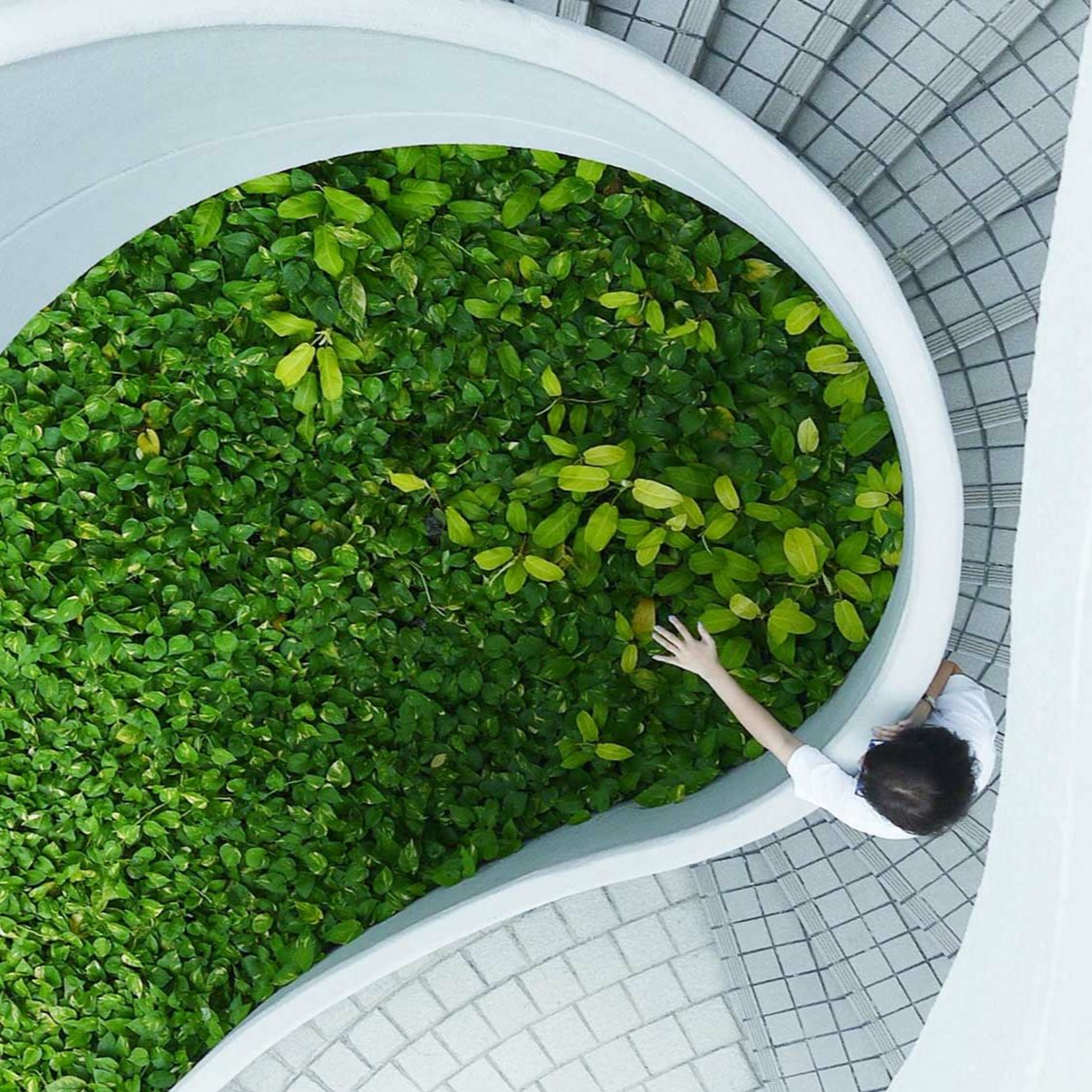
Circular innovation is already paving the way to better outcomes for the environment and planetary health, as brands implement circular design concepts and move from a take-make-waste linear economy towards a circular economy. Hear from a series of experts and leaders on this topic who discussed the rise of biomaterials and biophilic design, circular design principles to design out waste and pollution, and regenerative design as a business model highlighting social enterprises with a focus on people, planet and purpose. This event involved a series of lightning talks followed by breakout group activities to explore the circular design processes that take place before products reach the consumer.
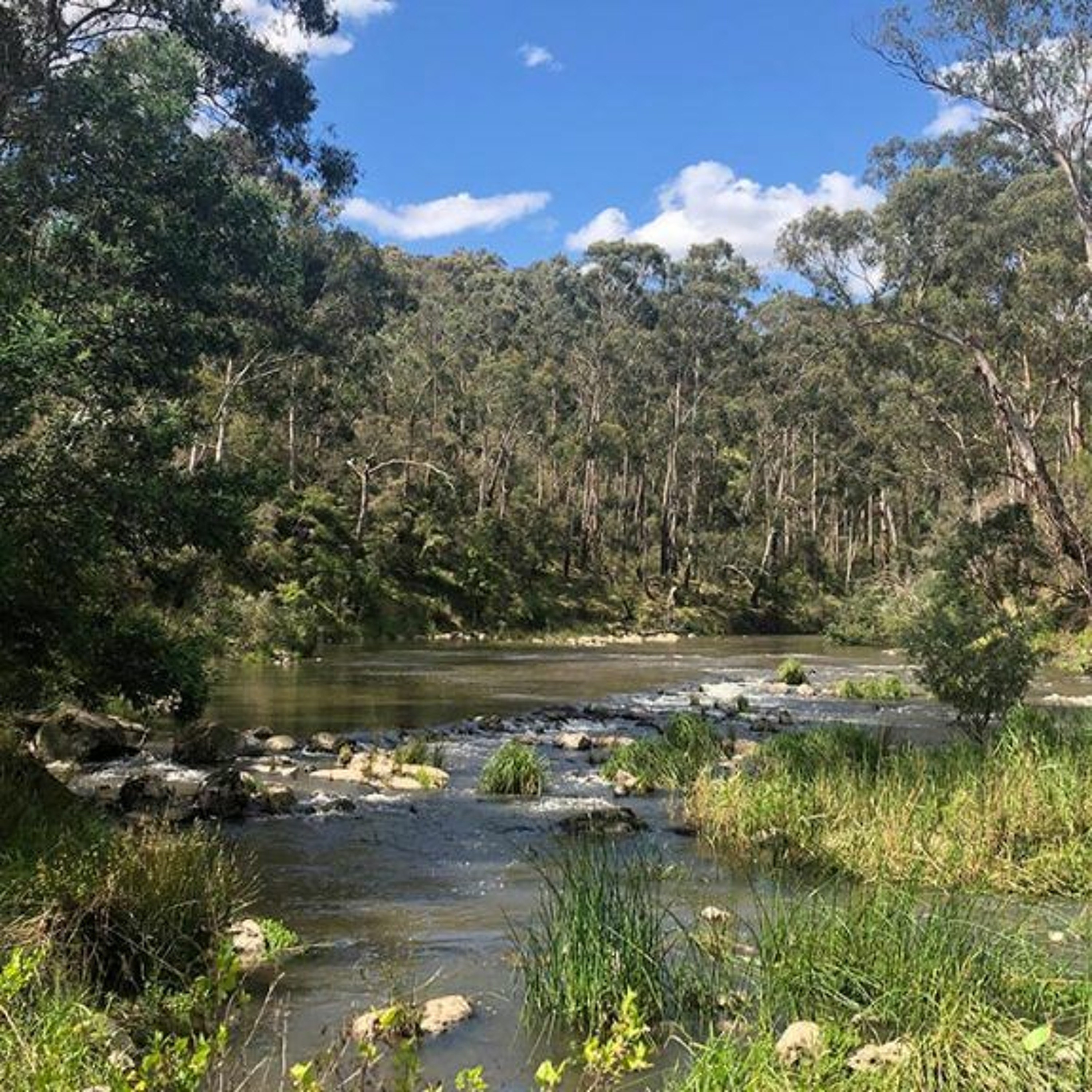
Recognised as a single living entity, the Birrarung (Yarra River) has shaped and formed the landscape over millennia, unifying this landscape that we all live within. Our river lives, breathes and supports the life of the community. In return, its life has been supported by the custodianship of Traditional Owners for thousands of generations. The Birrarung is more than just water. It is the layers in the landscape that the river has formed, the soils, the trees, the plants, and the animals. It is the cultural connections, stories and layers of history that live within this landscape. It is the new stories and layers that unfold as we flow like the river through time. The land belongs to the Birrarung. From the upper reaches of the catchment, passing through forests and farmlands, to residential and industrial areas, and finally entering the bay. A landscape and waterway brimming with life from source to sea. Tune in to Alexandra Lee (Birrarung Council member) with Birrarung Council Elders including Uncle Dave Wandin (Birrarung Council member and Wurundjeri Woi-wurrung Elder), and our Birrarung Design Studio leads Sarah Lynn Rees (Monash Uni) and Jock Gilbert (RMIT), as they explored the concept of the Great Birrarung Parkland and discuss our shared responsibility and ideas on how we can change the way we view and value our river and its lands, the Birrarung.

Tune into an evening at MPavilion that delved into the power of unseen architecture through post occupancy evaluation. What is the potential to improve or diminish lives, to create community or sow division—and the obligation of the architect, if any, to inform it? Join us SONA (Student Organised Network for Architecture) and EmAGN (Emerging Architects and Graduates Network) as we highlighted the potential lessons learned from post occupancy, under the roof of MPavilion. Explore the works of budding architecture students and graduates, and sit with us as we invite different collaborators and industry professionals in a conversation—looking at what is possible, as well as sharing with us how we can design for future communities that could remain ‘unseen’ or yet to emerge. To what extent are the responsibilities of architects addressing this topic in the current world of design?
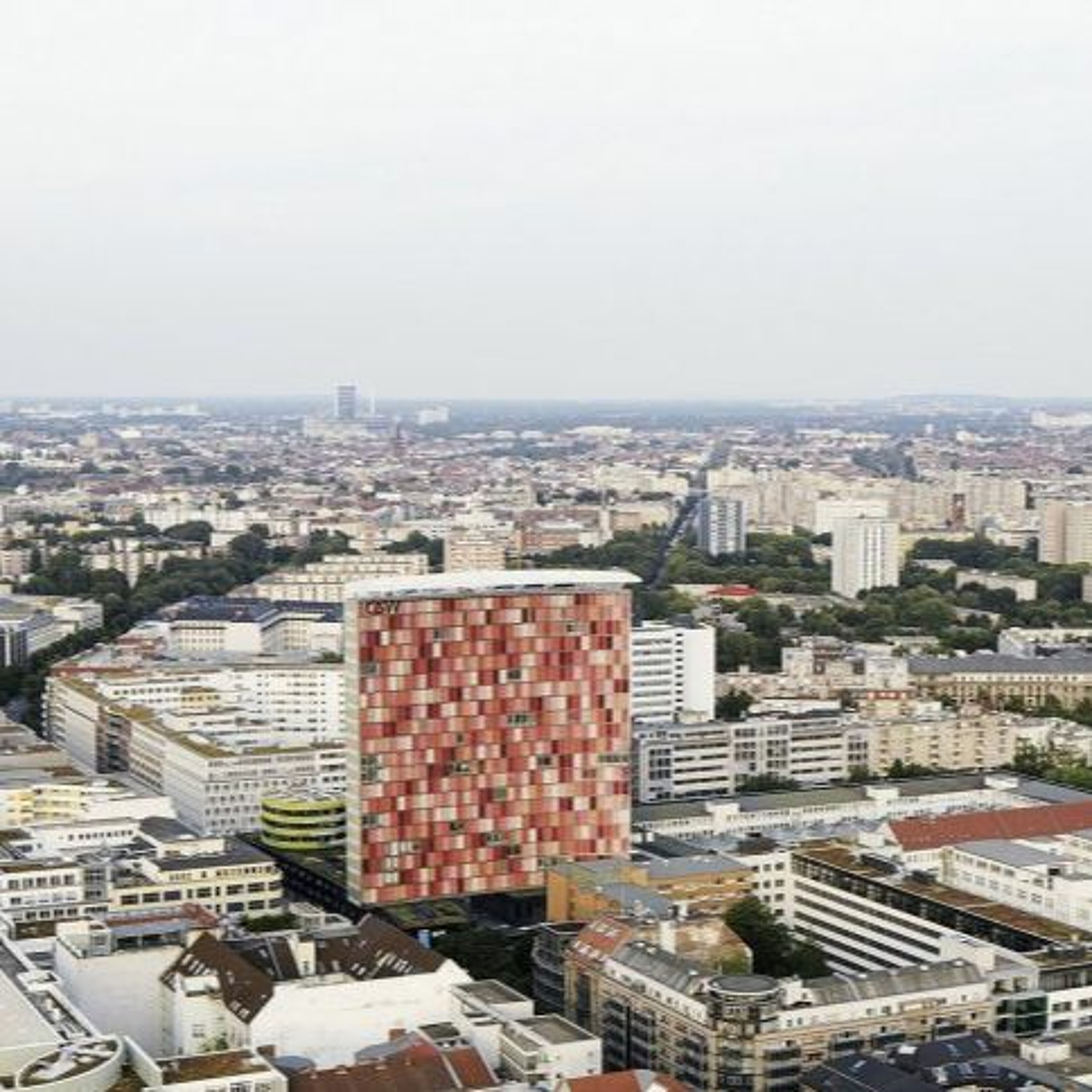
Tune in to a conversation about colour in architecture with Matthias Sauerbruch—director of internationally recognised, Berlin-based architecture firm Sauerbruch Hutton. From their earliest projects such as the “L House” in London (1990 – 1992), to their award-winning “GSW Headquarters” in Berlin (1995 – 1999) to their more recent “M9 Museum District” in Venice-Mestre—Sauerbruch Hutton have not been shy or restrained in their use of vibrant and sophisticated colours as part of their architectural language. Their facades and interiors are often patterned, accentuated and foregrounded with variegated tones and hues. In conversation with Professor Donald Bates, hear from Matthias as he takes us through the use of one of architecture’s often under-represented qualities and attributes. This event was presented in association with ABP and the Melbourne School of Design.

Technology’s relationship to sex is complex and ever-changing. Dating apps, the pill, and digital mass porn are only a few of the technological innovations that have radically impacted our sexual lives and how we relate to each other. So, how should we design technologies related to human sexuality and intimacy? What sexual dilemmas can be solved using technology and which can’t? Why do technological solutions so often feel like a bandaid for more profound issues of connection and intimacy? Hosted by The Philosophy of Sex podcast, this conversation will explored how design impacts our most intimate moments and how technology can be designed as a catalyst for connection. To help investigate, we heard from RMIT professor and sex toy designer Judith Glover, Sex-Tech School founder Lucy Wark, and author and researcher, Jenney Kennedy

The design of memory-making experiences is often undervalued in our everyday places and cities. But as narrative environment theorist Tricia Austin says, spaces speak and spaces narrate. So how might we apply this formula to create more memorable and meaningful places and experiences in our city? Tune in to learn more about various research theories that look at how the memory of place is created and reinforced, and why it matters. Join in on a magical aural journey deep into the history of storytelling—from the shaman in the cave, to the cathedral, to the most successful places of today—and see how a narrative arc and story-in-the-making approach can be applied towards the better design and activation of places and cities.

Architecture operates within colonial systems. These systems are often at odds with caring for Country practices, genuine participatory design practices and equity of opportunity. If you trace the systems back to their core, the problem is often a misalignment in the values that govern decision making. Some work has been done to align Aboriginal and Western systems more closely, but it is by no means perfect, and we certainly aren’t done. While one might find themselves thinking ‘just burn it all down and start again’ when confronted with their scale and deeply ingrained nature… If we don’t continue evolving built environment processes, we will continue to destroy Country and impact the health and wellbeing of communities. Tune into this yarn that stepped through built environment processes and explored opportunities for how and why systems could and should change, and how everyone can play a role in effecting positive change. Listen to Sarah Lynn Rees in conversation with Sophie Patitsas, Alek Kennedy and Paul Paton. MPavilion’s sixth annual BLAKitecture forum aims to centralise Indigenous voices in conversations about architecture, the representation of histories, and the present and future states of our built environments. Blakitecture is curated by MPavilion’s program consultant Sarah Lynn Rees.
