

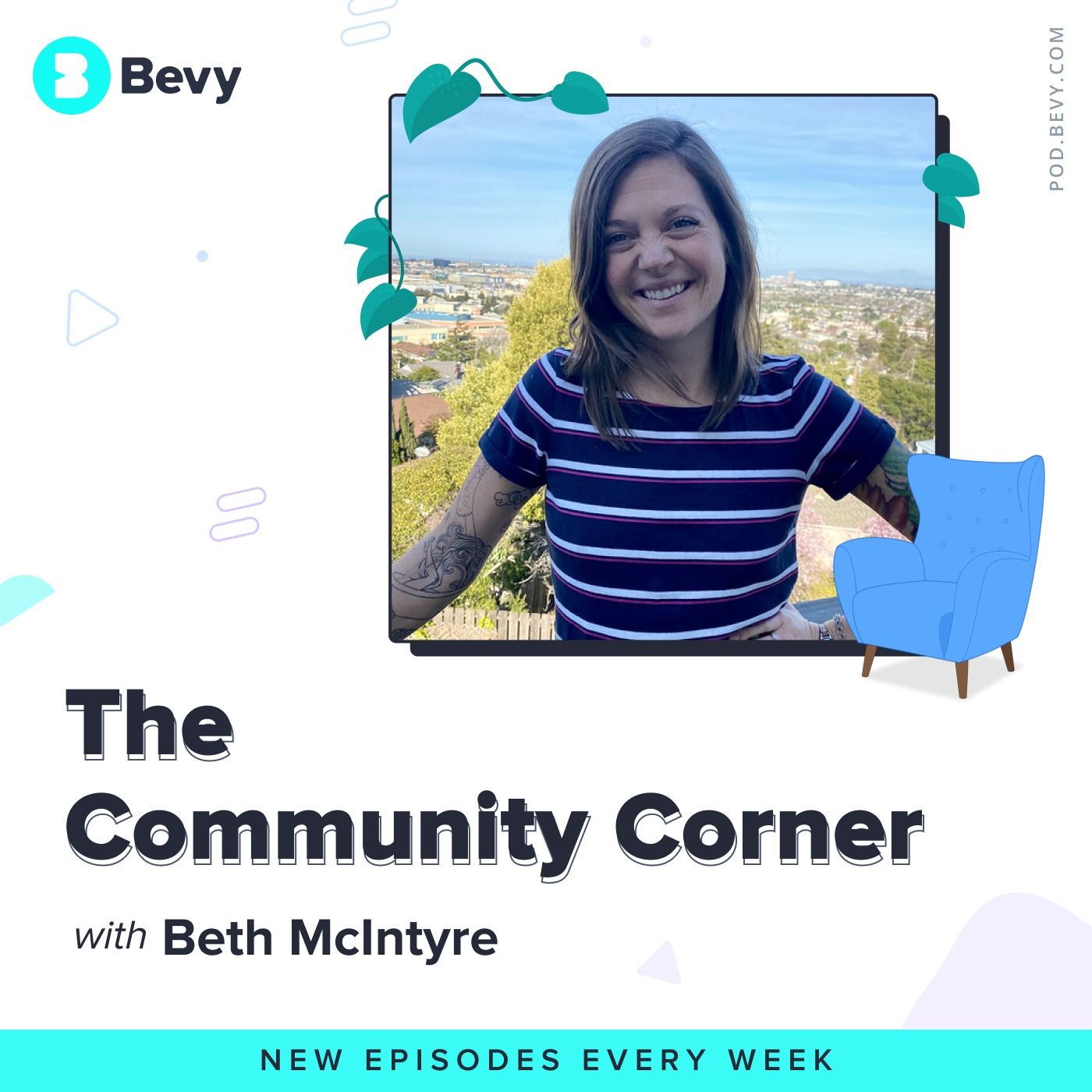
The Community Corner with Beth McIntyre


About
Available on







Community
338 episodes

This is a special episode of the Community Corner podcast as it's the last one for a while for its host, Beth McIntyre. Over the last year and a half, Beth has spoken with almost seventy community professionals from all different kinds of businesses, managing various communities and community programs. In her last episode, Beth reflects on what she has learned from them. First of all, there is no one size fits all. One of the biggest challenges we hear from community professionals is the inability to prove the business value or the ROI. There is no one magic metric that will quantify the value of every community. You should ask what value your community is driving. Once you know that, you will be able to work backward and determine the “how”. Secondly, imposter syndrome will tear you down. Every community leader or manager has a different background. They learn from their life experiences rather than being educated by a degree in community management. As a result, there is a shared feeling among people in the industry that they make it up along the way. Beth describes her mission to end the imposter syndrome in the community industry. Thirdly, community-led is the future of business. The industry is at a point where community has become a buzzword. Beth shares her thoughts on how community professionals can build sustainable communities that will last and outlast community management teams.

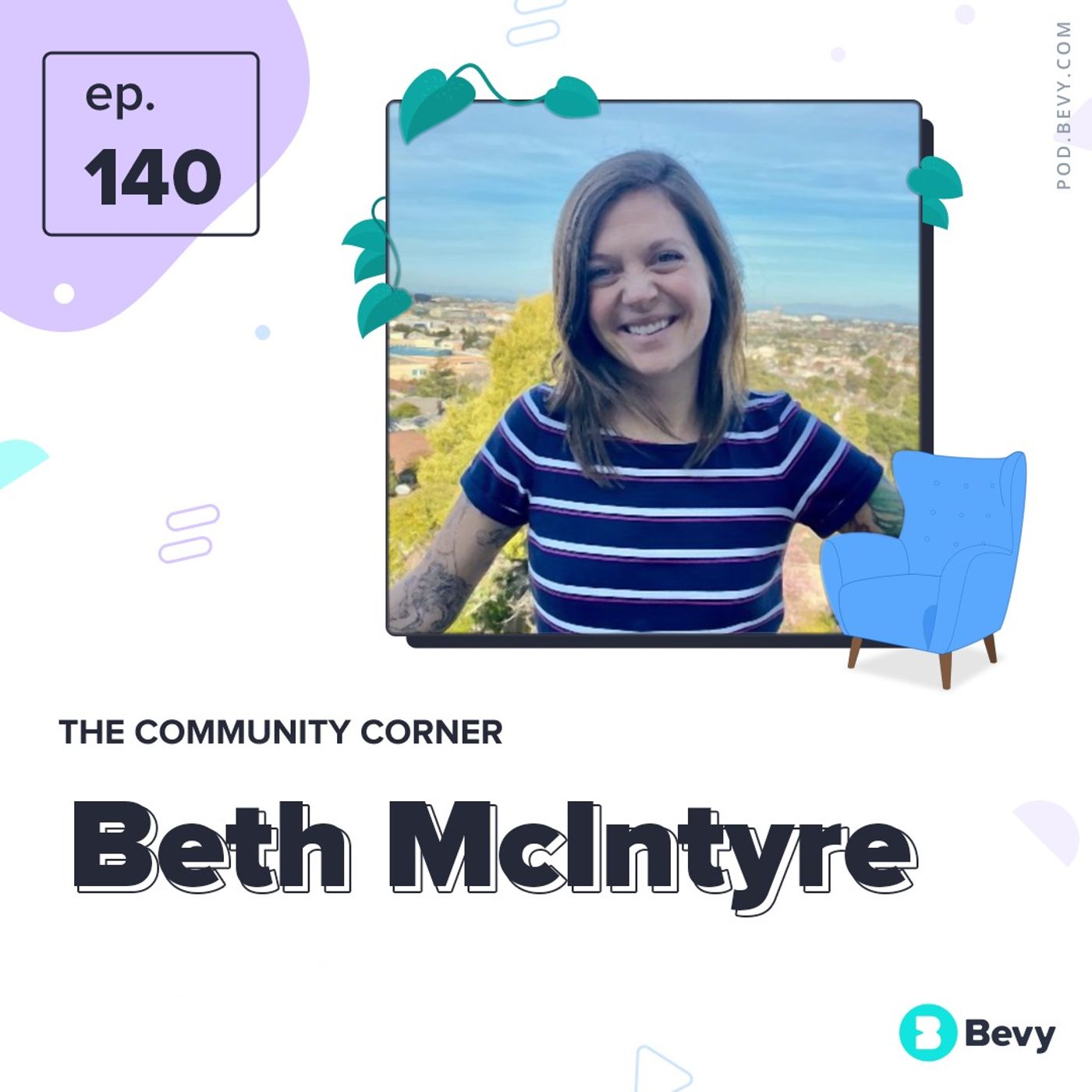
Learn more about Beth: __ __ Episode resources: __ __ If you enjoyed this episode, then please either: __ __ Instructions on how to follow, rate, and review The Community Corner are here https://www.fame.so/follow-rate-review.

In this episode of The Community Corner, Sheldon Maye joins Beth McIntyre to discuss the strategies and processes for building employee resource groups (ERG). He also shares how he ensures a successful ERG at Accenture and some of the metrics he tracks to prove their value. ERGs are basically clubs that support employees' professional development and career growth. Sheldon talks about the right time and approach for starting an ERG. He also reveals how they implemented a new scorecard to measure ERG success and the metrics that they’re tracking. Lastly, Sheldon gives tips and advice for launching and growing an ERG.
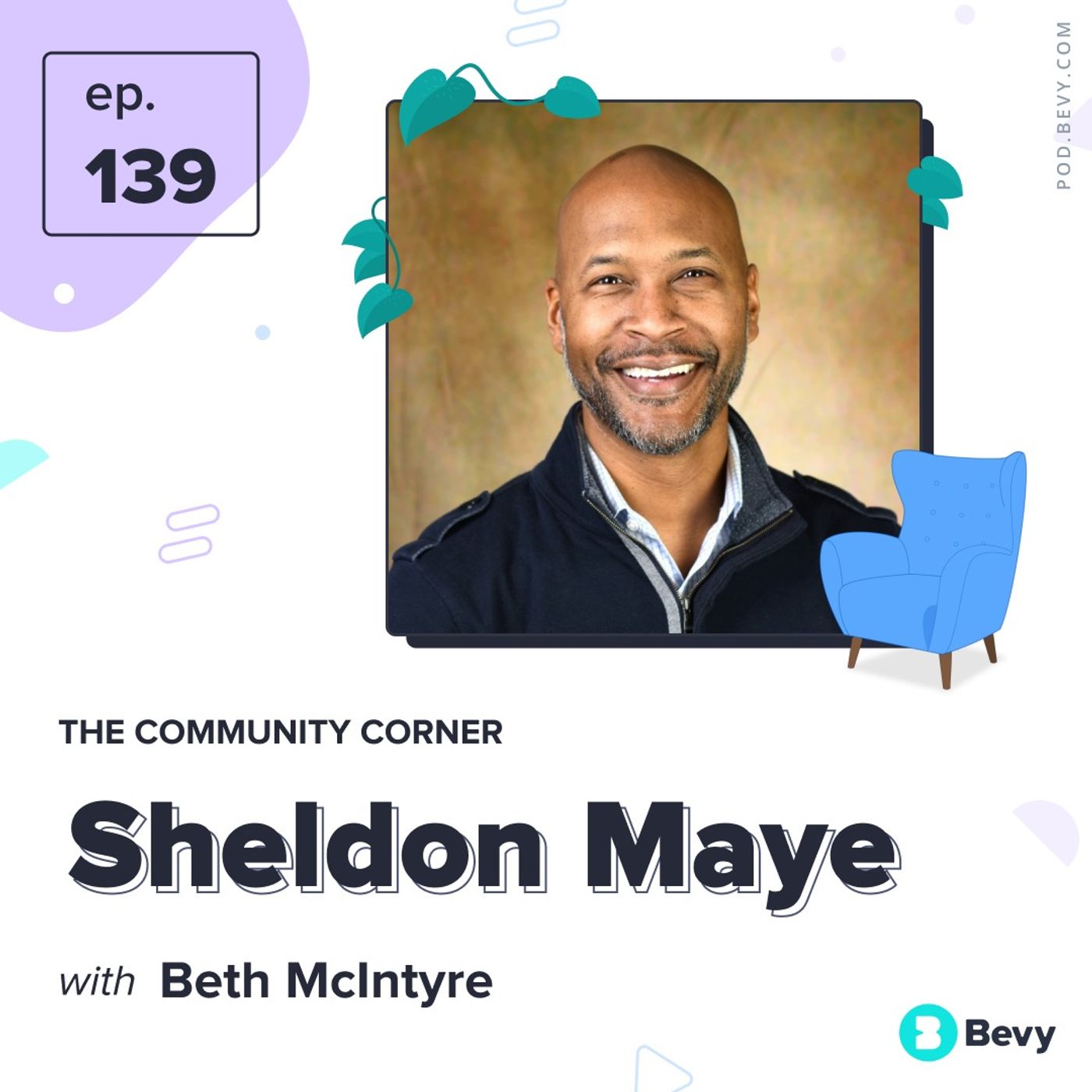
Learn more about Sheldon: __ __ Episode resources: __ __ If you enjoyed this episode then please either: __ __
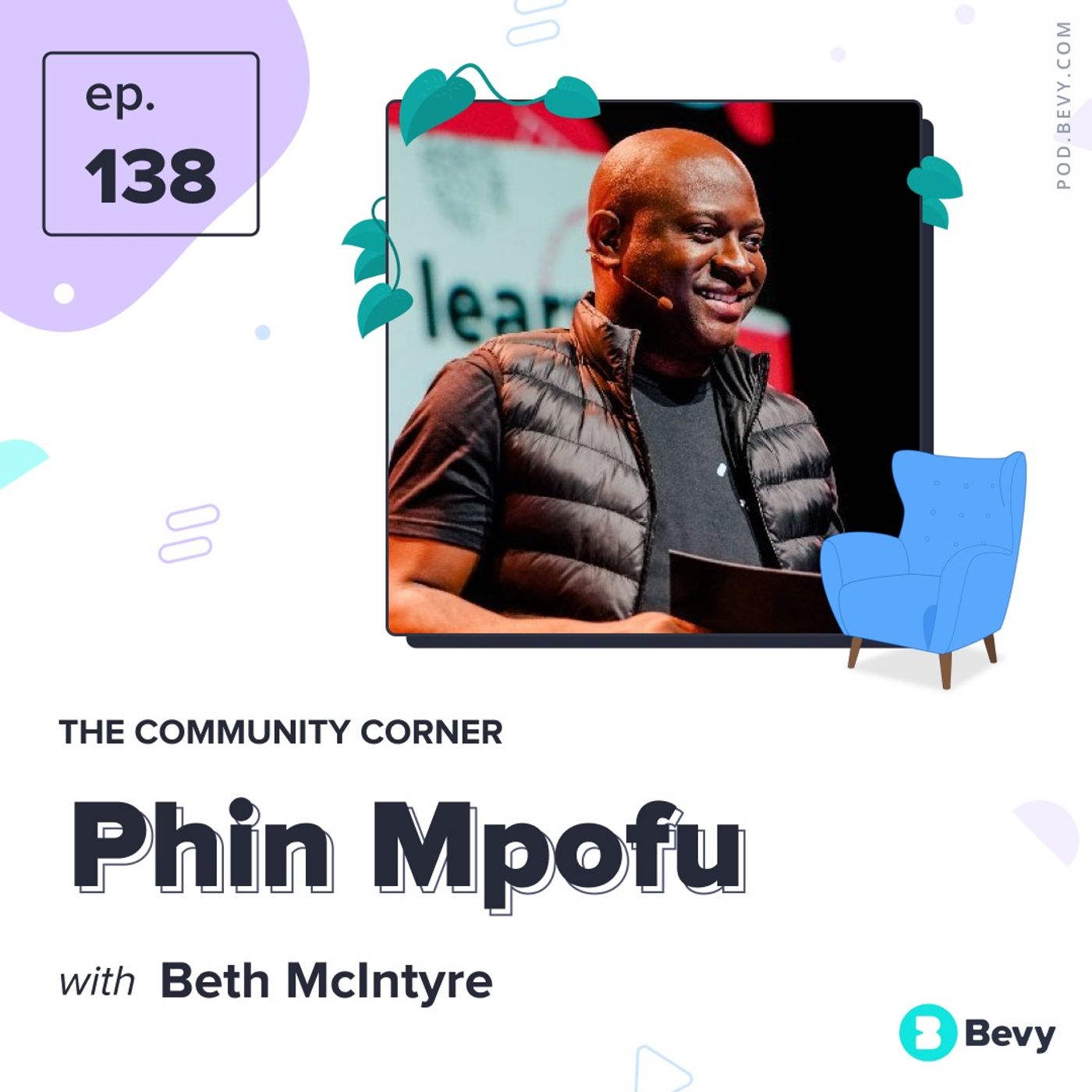
Learn more about Phin: __ __ Episode resources: __ __ If you enjoyed this episode then please either: __ __

Startup Grind is the world's largest startup community of startups, founders, innovators, and creators, with over 600 chapters in 125 countries worldwide, which brings like-minded yet diverse individuals together to connect, learn, teach, help, build, and belong. Phin leads the community and partner success teams. The advantage of operating in the startup world is seeing the different trends as they develop. One of these trends that Startup Grind has been focusing on more recently is Web 3. The goal of community managers is building relationships person by person, city by city, product by product, and so on. Keep in mind the numbers, but focus on the relationships you can build. Managing the community at scale requires you to have community operations, systems, and processes to ensure that you can keep a consistent brand experience.
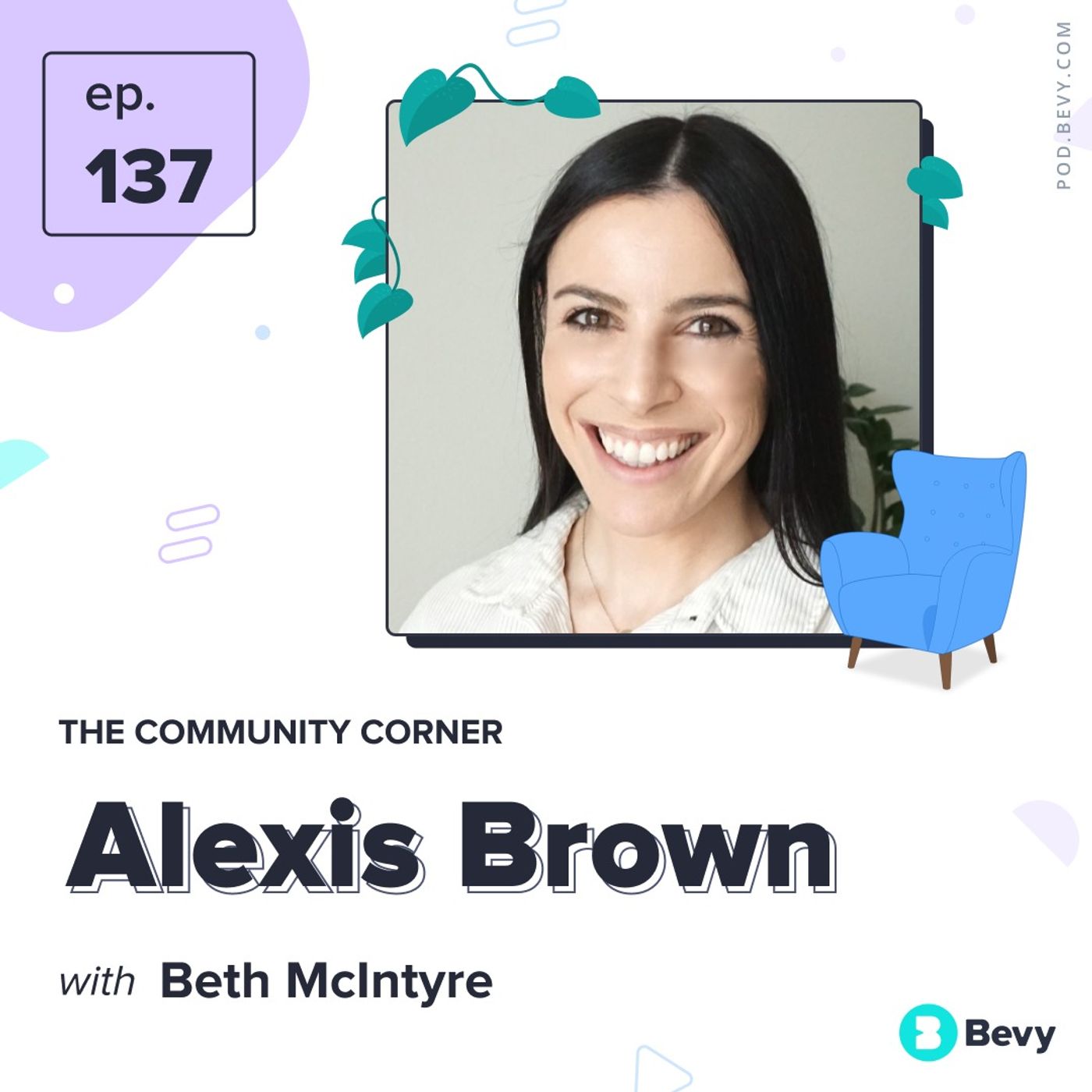
Learn more about Alexis: __ __ Episode resources: __ __ If you enjoyed this episode then please either: __ __

Zoom is a communications platform that started with video as its foundation. It's known for being intuitive, user-friendly, scalable, and reliable. They launched the Zoom community in August 2021. As the Senior Manager for Global Community, Alexis has the role of strategizing, building, deploying, and growing the community for all zoom users across the globe. Launching the Zoom community included a specific role specialization approach, where someone on the team manages gamification, other user roles, design, analytics, content strategy, etc. They also focus on a consistent user and customer experience. Success metrics can be found differently depending on the purpose of your community, your target goals, and capturing the ROI. The Zoom community aims to deliver a happy experience to customers and provide them with a platform to collaborate and share success stories. When launching a community, strategize and prioritize, think long-term versus short-term, and focus on the end-user experience.
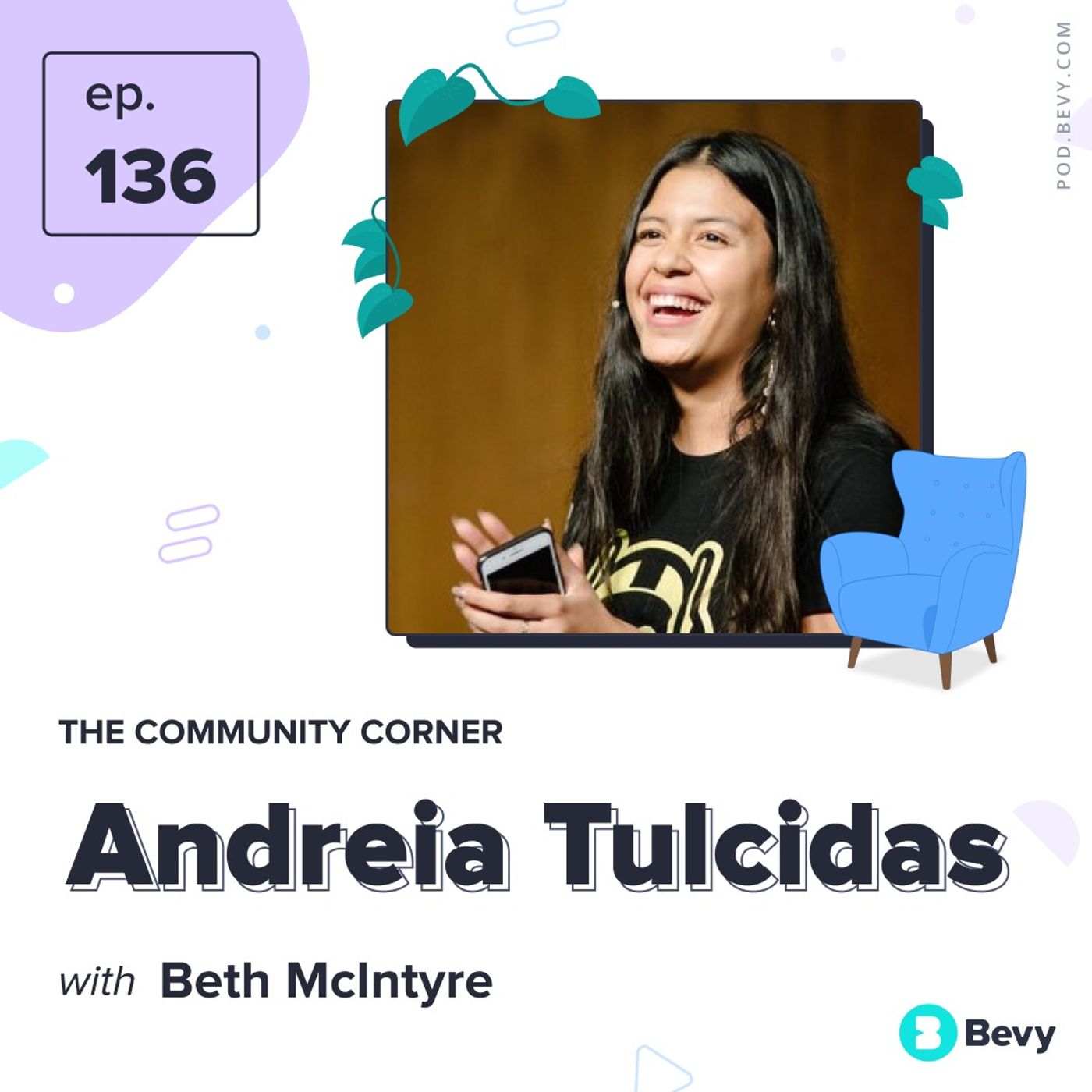
Learn more about Andreia: __ __ Episode resources: __ __ If you enjoyed this episode then please either: __ __

Andreia Tulcidás joins us today to talk about building an advocate program within a community. She takes us through the steps she took to launch the OutSystems' user groups, how they've become an integral part of their community, and how they work together with their leaders to incentivize and reward. OutSystems is a modern application platform that enables organizations to tackle any critical application. Building a champion program from the ground up requires understanding the purpose of the program and the people you want to bring value to and finding ways to collaborate and incentivize.
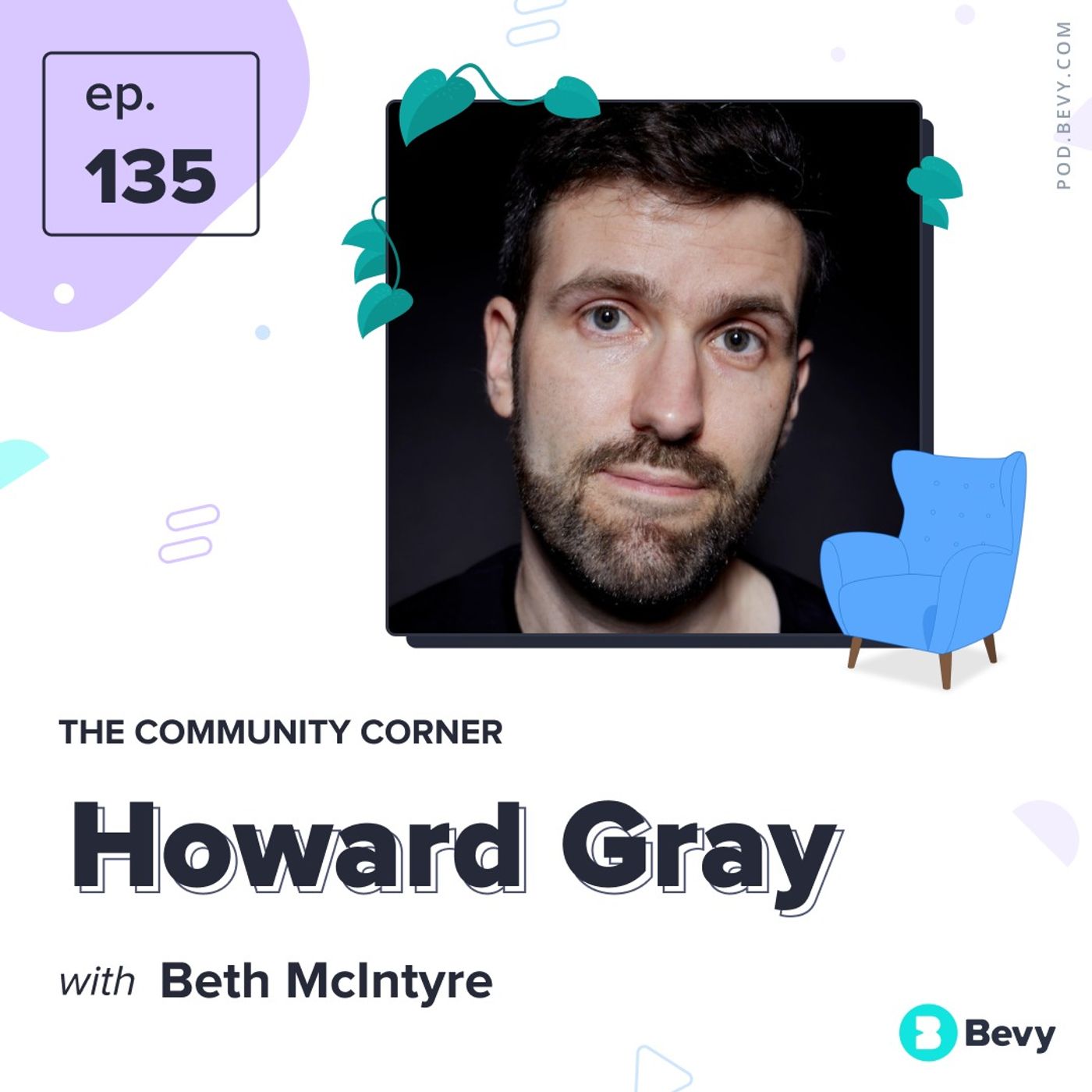
Learn more about Howard: __ __ Episode resources: __ __ If you enjoyed this episode then please either: __ __

Today, we’re joined by Howard Gray, Founder of Wavetable. He discusses engagement, creating engaging experiences for audiences and community members, and how to inspire them through edutainment and personal stories. Wavetable is a production studio that integrates a variety of creative experts and educators of learning and live entertainment. The company focuses on learning, discovery, and community-based projects. Wavetable helps brands, influencers, and IP owners uniquely leverage their connection to their fans and followers by developing live, community-driven learning experiences. Edutainment is a portmanteau of the word education and entertainment. The word describes educational resources and methods that also have an entertaining aspect. Recent trends like gamification, Web 3.0, and community may positively impact the spread of edutainment. Keeping your work engaging requires you to use different formats and modes for your activities and to switch between them regularly. To connect with members and their stories without getting too personal, you have to create conditions where people feel that they can enroll in the activity and conversation. Also, find common ground and use inclusive language for the other person.
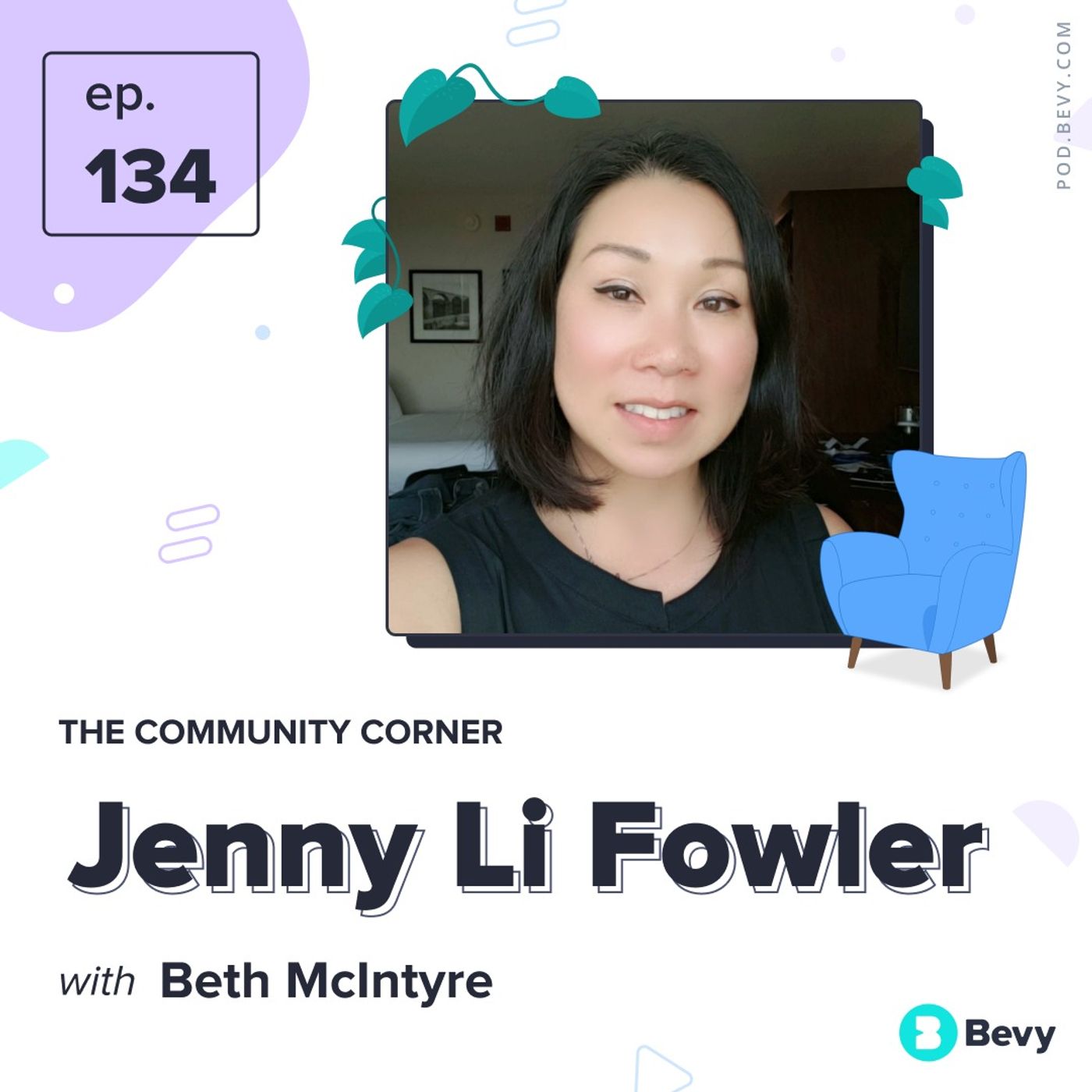
Learn more about Jenny: __ __ Episode resources: __ __ If you enjoyed this episode then please either: __ __

Jenny Li Fowler, Director of Social Media Strategy at MIT, joins us in the next episode of The Community Corner Podcast. Jenny discusses the specific challenges in building a community at an educational institution. She also shares how her team at MIT thinks about community and social media and how they are adapting to changes in technology and the industry. MIT is one of the leading universities and global leader in science, research, technology, and education. Jenny provides consultation and strategy for any announcements, events, or campaigns at the institute level. She also manages social media channels. Social media management optimizes content for whichever channel it’s being posting on and targets the audience. Community management builds cohesive bonds within people, and it addresses its members. Social media helps the higher education community solidify and speak with it. Technological and innovative trends can engage positively with higher education communities and develop into something bigger. Try to familiarize yourself with the language of these innovations and use them to understand how they can be helpful.

Today, we’re joined by Nivi Achanta, the Founder and CEO of Soapbox Project. Nivi wears almost all hats associated with community engagement, content, and events. Today, she talks about how she built her community from scratch with diversity in mind and how she implements it into every stage of planning and programming. Soapbox is a media company that makes social impact easy for busy people. Keeping a community inclusive without being exclusive requires a set of filters. One of the primary filters is that if you don't understand a community's problem or concept, and if you're not willing to work at these intersections, it may not suit you. Building a diverse community requires a tactical approach to people you follow and interact with, representing a wide range of perspectives. You need the right tools to address different groups in your community. Focus on creating a diverse, inclusive, and safe space.
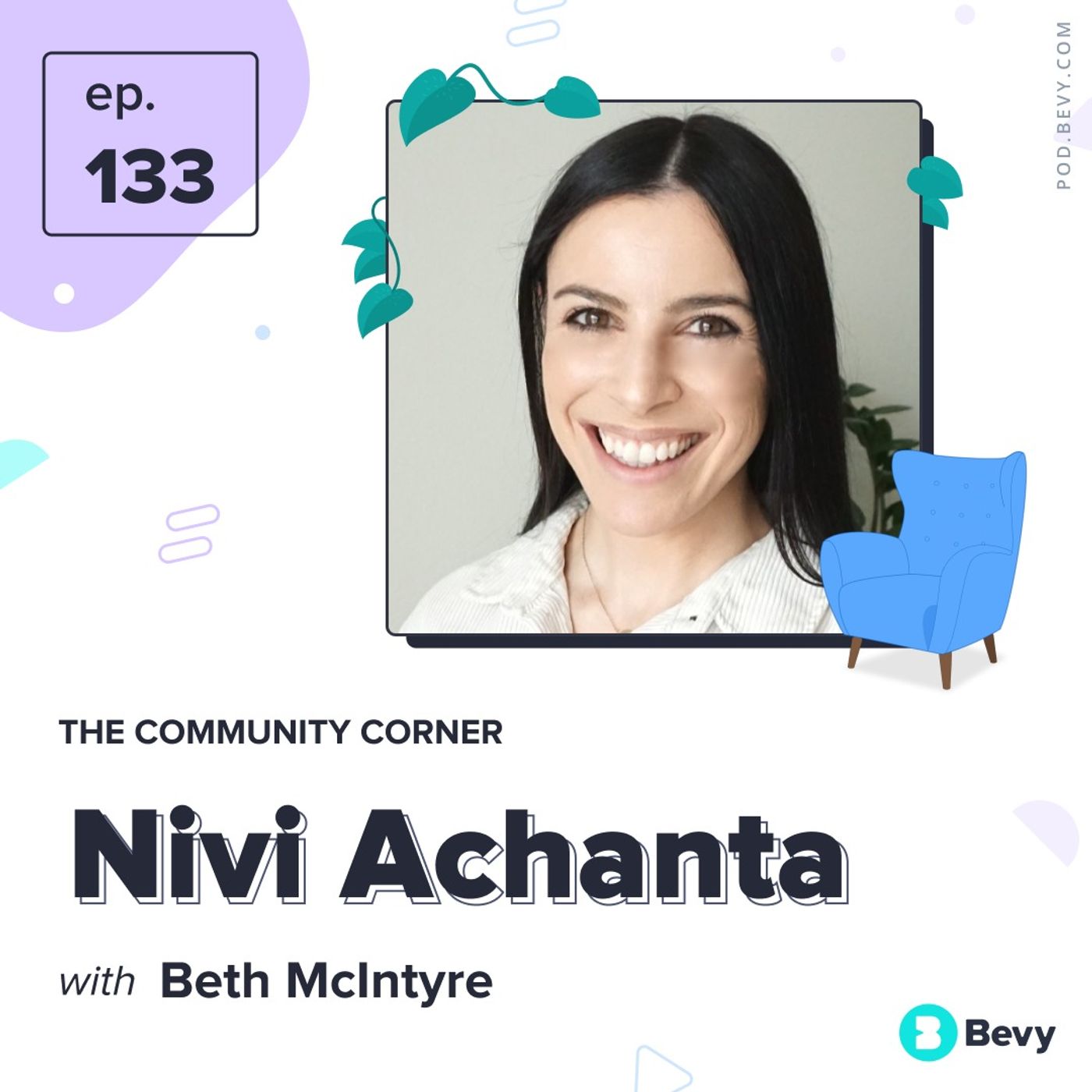
Learn more about Nivi: __ __ Episode resources: __ __ If you enjoyed this episode, then please either: __ __
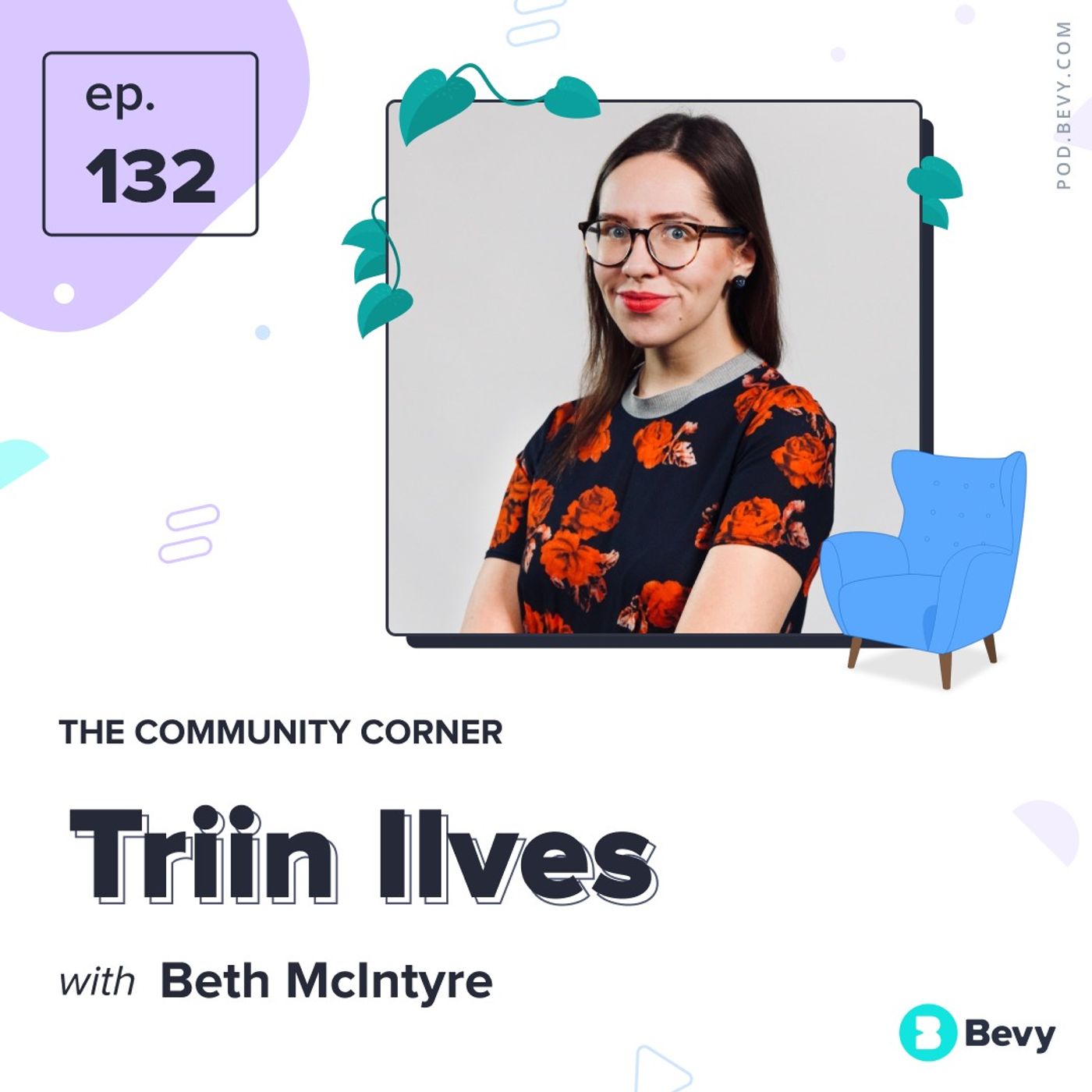
Learn more about Triin: __ __ Episode resources: __ __ If you enjoyed this episode then please either: __ __

Today, we’re joined by Triin Ilves, Community Manager at Klaus. While Klaus is a customer success company, community is in everything they do. Triin manages Quality Tribe, their community for people interested in quality and customer success. Triin discusses how they make data-backed decisions to community programming and how they are inspiring their members to become advocates for their community. A community is a great resource when it comes to creating new content, getting partners on board, organising events, and different co-marketing activities. It makes sense to surround yourself and learn from the companies and the people who are acing their skills early on. Working with partners helps you come up with new ideas and can make your initial idea even better. This can lead you to build a better product in the future. Put some effort into spotting trends and what might be important for the community. Try to do things with your community members that could be beneficial, not only for them but for you as well. When it comes down to making sure that you have the right people, or doing events in an up-and-coming field, don't just focus on the buzzwords, but focus on the resources and tools you can use.
Learn more about our guests: __ __ Episode resources: __ __ If you enjoyed this episode then please either: __ __

Today we have a special episode, Community Manager Appreciation Day, where our guests reveal what they are grateful for and proud of about their communities: Katie Ray, Head of Customer Community at Clari, shares her accomplishments of growth and engagement from her time managing the Saleshacker community. She also discusses her current work, hyper-growth, and engagement growth in the Clari community. Next, Diane Yuen, the new Community Manager at Alation, has extensive organic community experience after building her gaming community for seven years. Diane shares her story of taking on her first full-time community role. Jennifer Serrat, Associate Director of Community Engagement at IE University and Community Moderator at CMX, shares a story about some out-of-the-box thinking that led to the revival of her community in the middle of COVID. Kaleem McGill is the Community Manager at The Better Product Community powered by Innovatemap. He shares how he and his team audited and revamped their onboarding process for new members. And finally... Neha Agarwal, Head Community at Quora India, shares the strategy she and her team used to launch Spaces in Hindi.
LEARN MORE ABOUT ILKER: __ __ OTHER RESOURCES: __ __ IF YOU ENJOYED THIS EPISODE THEN PLEASE EITHER: __ __

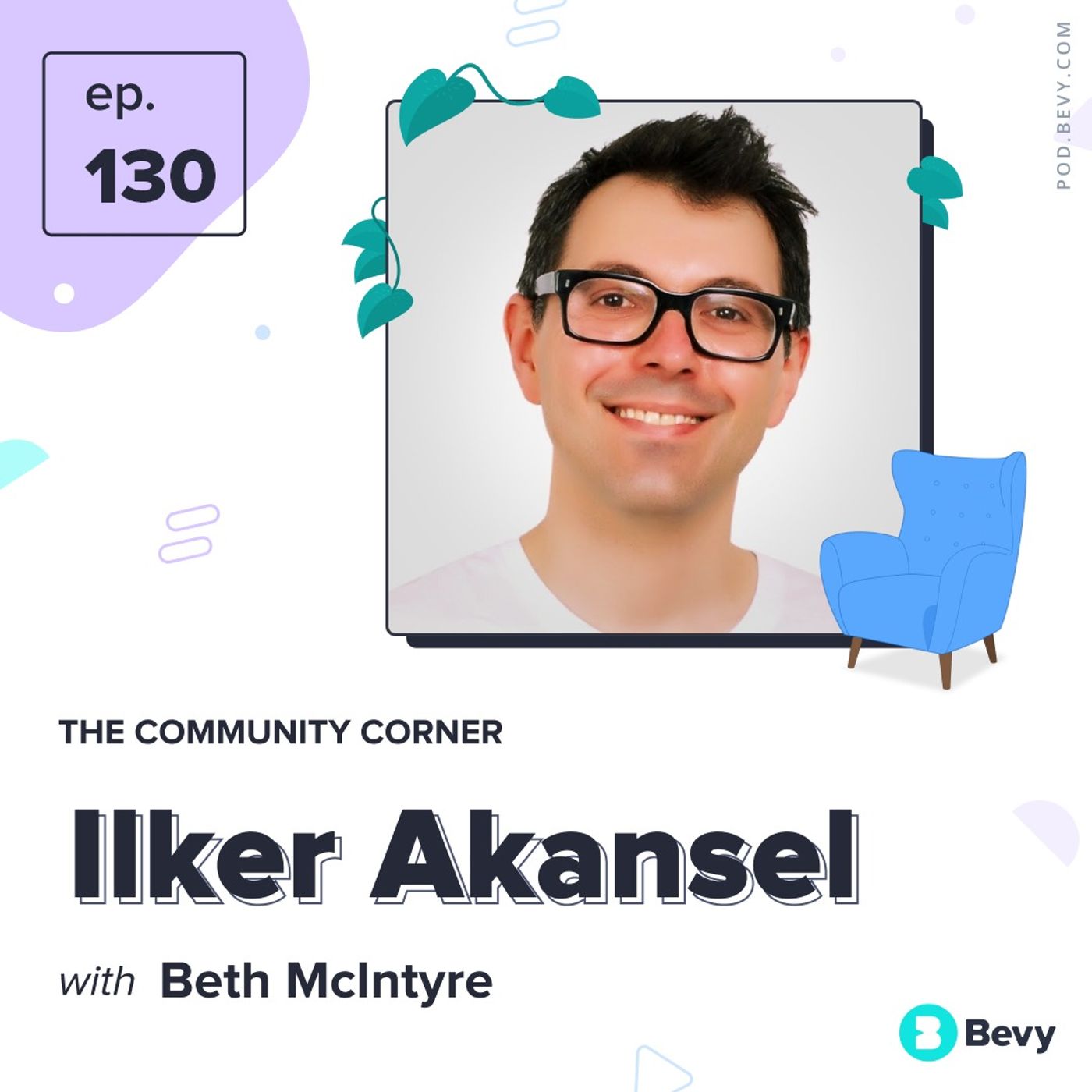
Today, we’re joined by Ilker Akansel, Community Manager, Builder, and Strategist at ilkerakansel.com. Ilker details the importance of and differences between developer relations and developer communities. He also shares some of his experiences working in the community space and his predictions for the future. Ilker describes his company, named after himself, as a community strategy and management consultant service. Developer relations are nurturing mutually beneficial relationships between organizations and software developers. It is an organization-centric function, where you make sure that the developers around the organization have the best relationship in the interests of both the developers and the organization. Managing developer communities or a group of developers is much more community-oriented. Technically, they are all specialists in their craft forming a tech community to help each other. Communities are crucial for developers to speak with other developers. They can interact with them in these respects, share their ideas, and act to consult in problem-solving. Developer communities are converging fast into talent communities. Forming and being part of talent communities will give competitive advantages to organizations. Move into developing, curating, and managing talent communities. Look into new technologies and skills your community is interested in. Focus on upskilling, reskilling, and outskilling.
Learn more about Maxwell: __ __ Episode resources: __ __ If you enjoyed this episode then please either: __ __

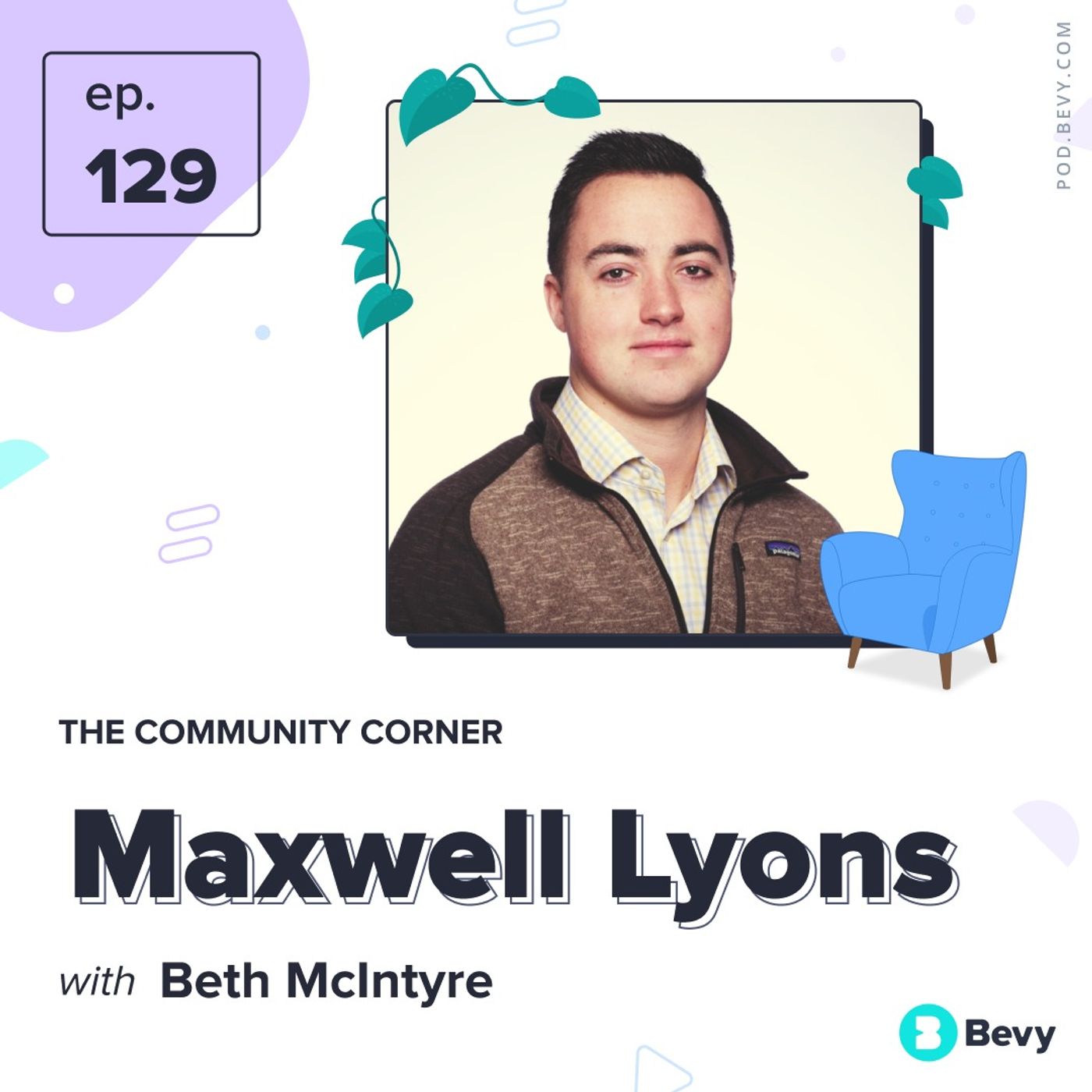
Today, we’re joined by Maxwell Lyons, a Community Manager at Course Hero. Maxwell shares how they drive engagement in their community, and how through a combination of feedback and data, they know what kind of programming their community wants. He also explains how going virtual has had a positive impact on the community. Course Hero is an online learning platform with over sixty million course-specific study resources for students to access worldwide. These resources consist of practice problems, study guides, test prep materials, etc. As a Community Manager, Maxwell manages thirty of their on-campus representatives with the Student Community team. The members of the community get various benefits. The community offers support to each other as they seek ways to grow student engagement and offer support to other students at schools around the world while on their learning journey. To drive engagement in the community, the team uses slack workspaces and advice channels, incentives, bonuses, specific events, and more. Though the community programs change, it's important to get feedback from on-campus reps, listen to their thoughts, be open to further changes, and adapt. Also, get the most out of the virtual experience by engaging with your community.
Learn more about Jan and Mendix: __ __ Other Resources: __ __ If you enjoyed this episode then please either: __ __

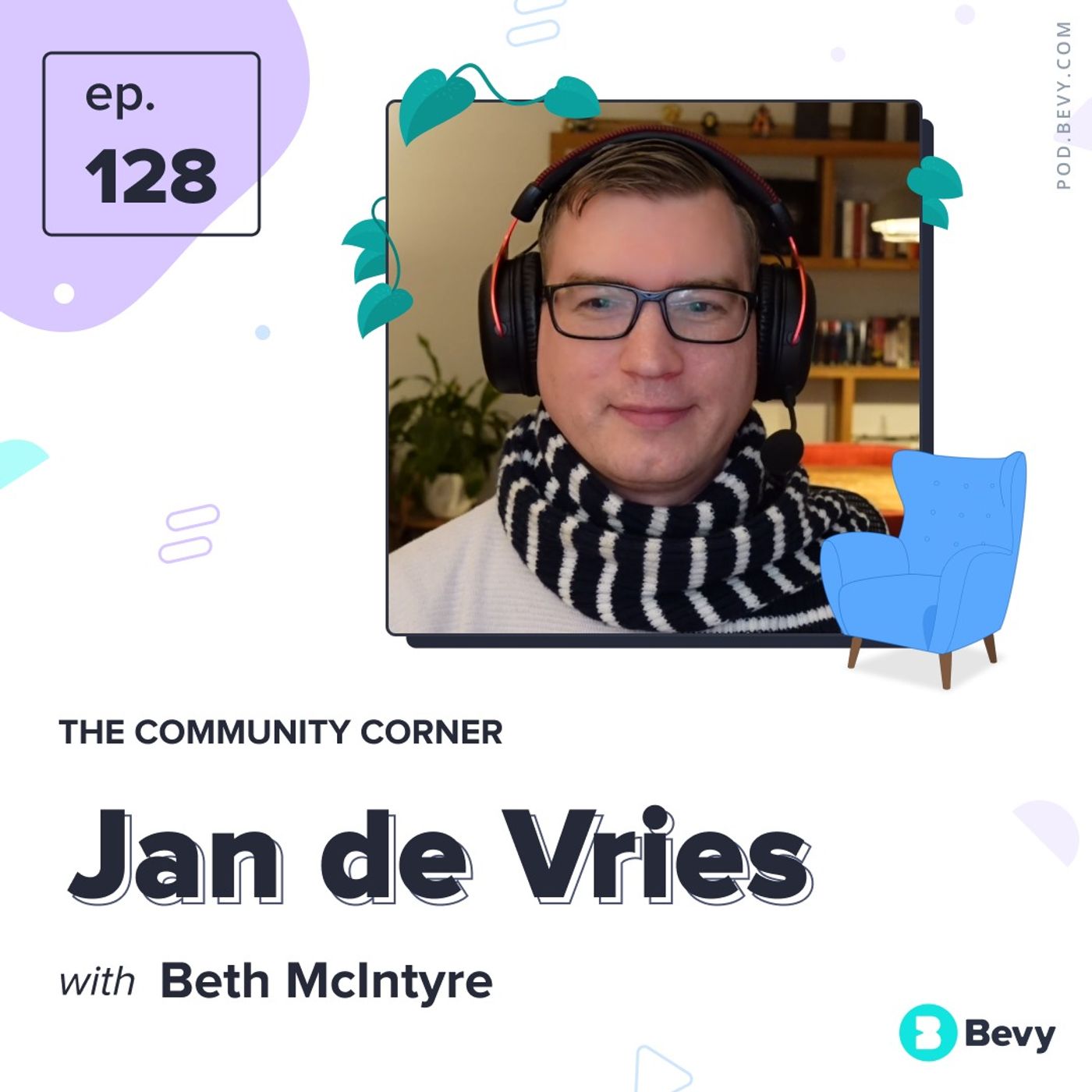
Today, we’re joined by Jan de Vries, Senior Community Engagement Manager at Mendix, an application development platform in a market called low code. It makes it easy for people to create apps visually instead of having to write code all day. You can just drag and drop, which makes it much more accessible, easier, and faster to build applications. It’s important for people to connect not just digitally but in person as well. Start by organizing the small group of people around you, understand them and their goals, and organize meetups with key people in the community. The eventual goal is to turn into a facilitator where you just share the plans and processes for other people to self-organize and conduct events. Make everything easily accessible so meetups can be done without attachment to specific time zones. Go to these meetups, connect with attendees, understand what they do in the industry and what brings them to the events. Find people or groups of people who can regularly conduct events. Help them adopt a group-learning mindset which is at the heart of building highly engaged communities.

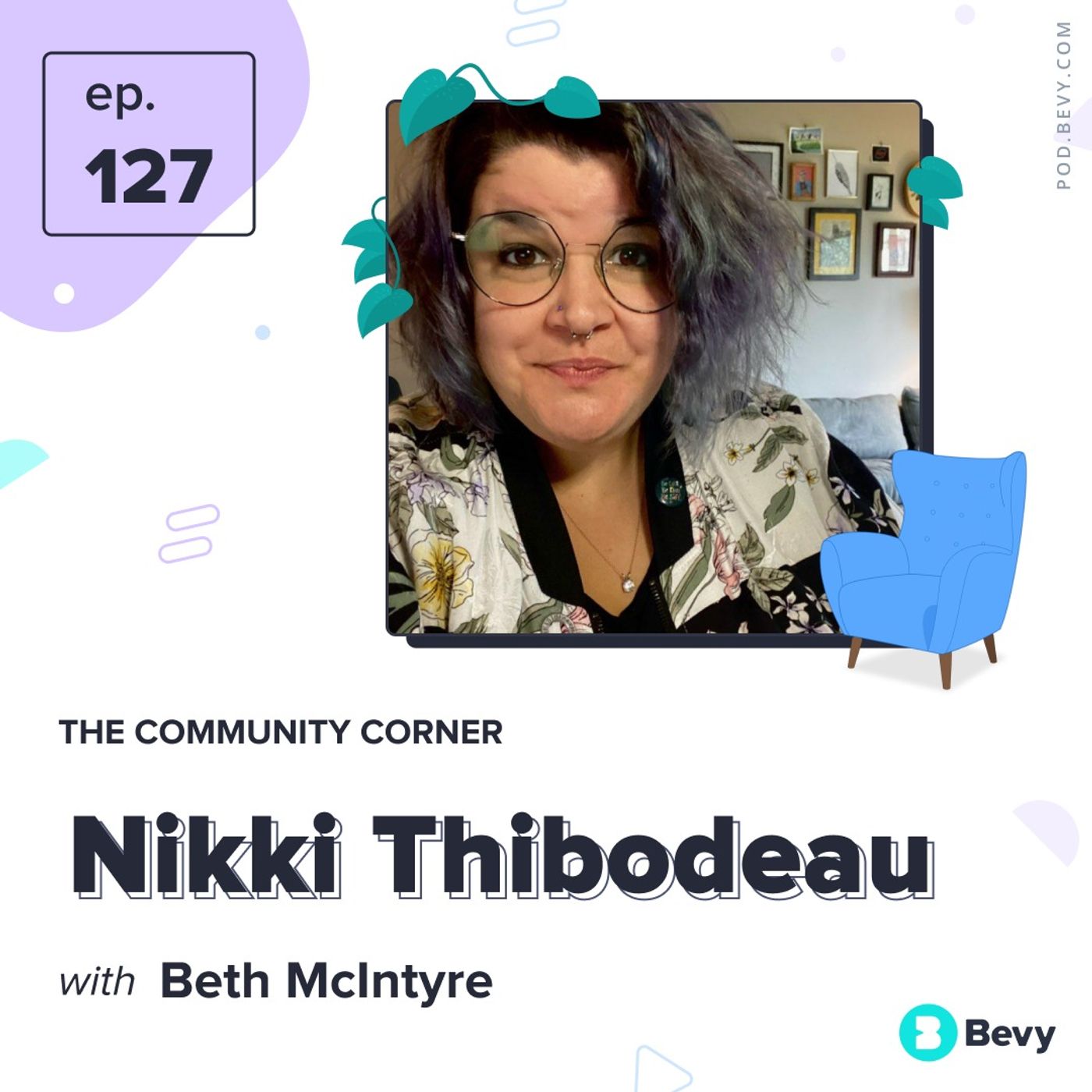
Today, we’re joined by Nikki Thibodeau, Senior Community Operations Manager and Chair of the Women’s Employee Resource Group at Shopify, the powerful eCommerce platform. Addressing gender-diverse or racially-diverse groups is tough because it requires having some difficult and, sometimes, awkward workplace conversations. You want the right people to be there, but that also means you sometimes have to exclude the wrong people. It's really important for the success of our communities that we keep those who are not going to be helpful to those conversations out of those conversations. By having that space created at the very beginning - as Shopify does with “Empower Hour”, enables a real conversation to happen in a caring way. If you're not the right person to have the conversation with, step away and find the right person. Create your conversation safeguards and processes that you can refer to when stuck in difficult conversations.
Learn more about Nikki and the Shopify Community: __ __ Episode resources: __ __ If you enjoyed this episode then please either: __ __

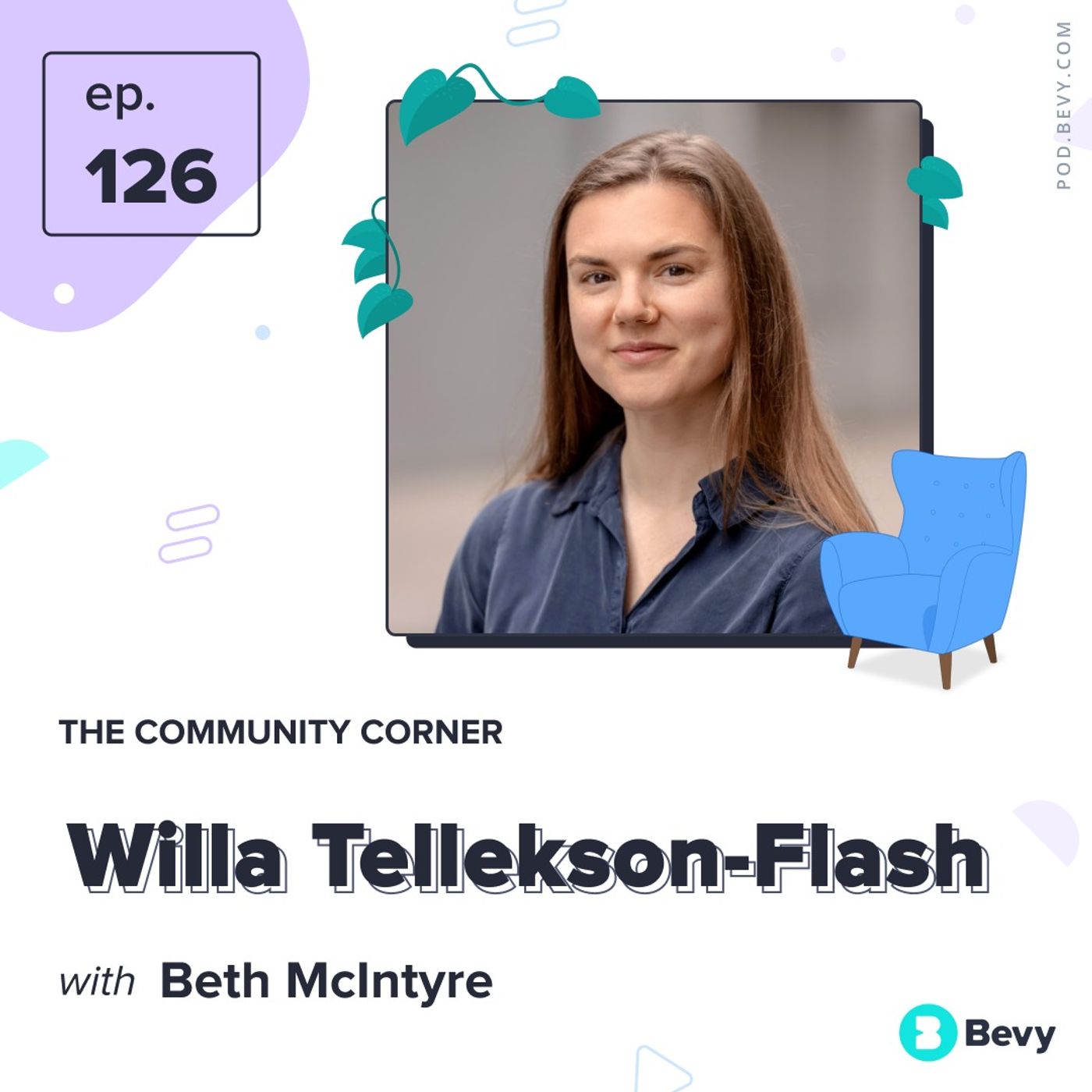
Today, we’re joined by Willa Tellekson-Flash, Director of Community at Public.com, a platform that helps people become better investors. On Public, members can build a diverse portfolio of stocks, funds, and crypto, and ownership unlocks an experience of content and education, created by a million+ strong community of investors, creators and analysts. Use your community as a product of its own and elevate it as a part of your brand. The conversations in the community can form a great resource to create content. Document and track direct feedback and ideas from the community. You may not be able to implement every idea that comes from them. A community manager’s job is to make community members feel heard while being transparent about the likelihood of implementing their ideas. It’s important to make your members feel welcome in asking for help when they don’t know something. The job of the community team is to set ground rules that help establish trust among members and between individual members and the community itself.
Learn more about Willa and Public: __ __ Episode resources: __ __ If you enjoyed this episode then please either: __ __
