



Institute for Government


About
Available on








Community
633 episodes
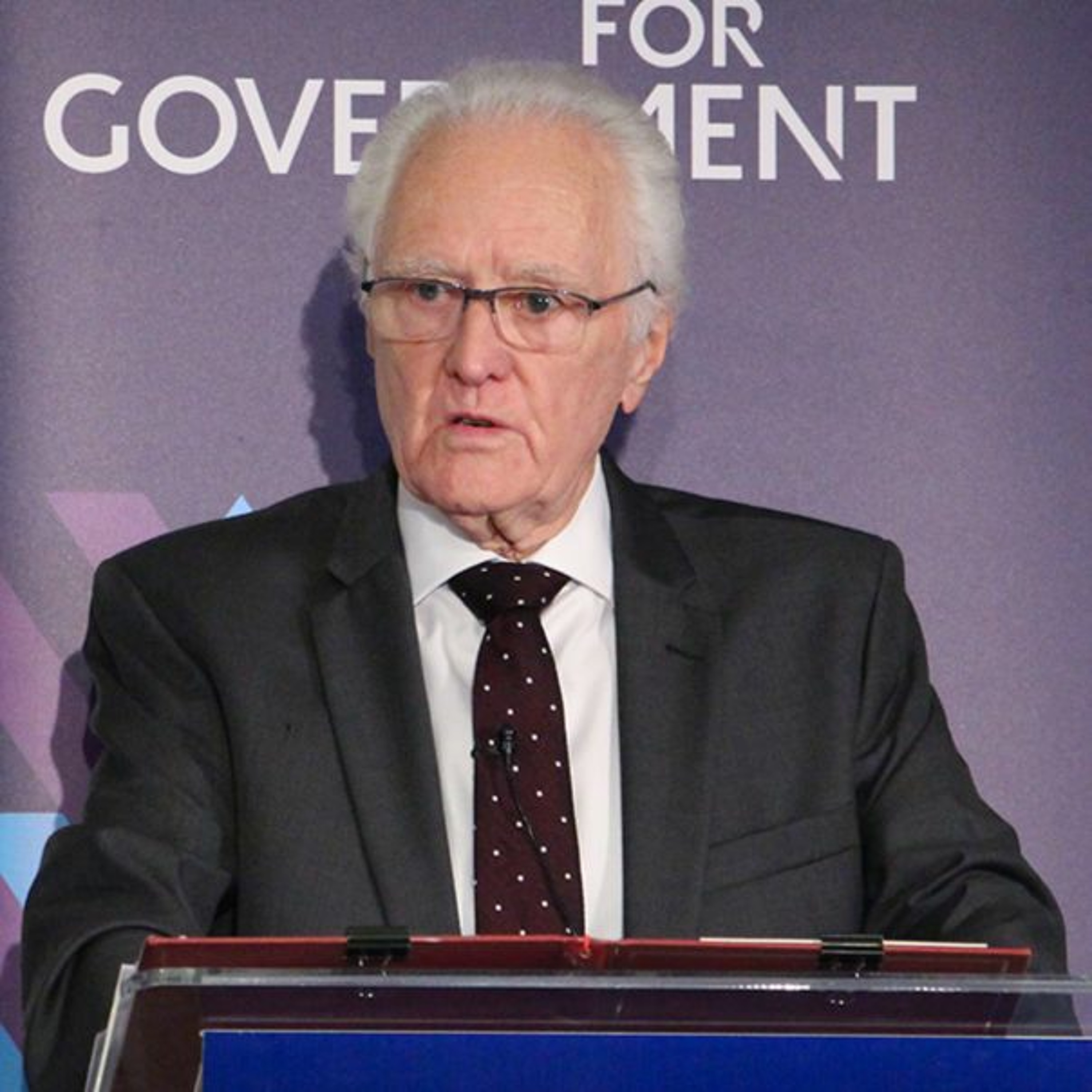
The question of how to reform the House of Lords dominates discussions about the upper house, with less attention focused on its day-to-day activities. Since his election as Lord Speaker in 2021, Lord McFall of Alcluith has sought to champion its important role of revising legislation and advising the government, while ensuring the Lords remains on the path of modernisation. Lord McFall has focused on parliamentary outreach and prioritised communicating the value of the House of Lords externally, bringing the devolved parliaments and Westminster closer. He has also worked with schools and universities, and launched a podcast, to demystify the upper house. What are public perceptions of the upper chamber and how have they changed? How has the Lords changed its ways of working? What kinds of links does it have with the devolved parliaments? And what might all of this mean for discussions about reform of the Lords? Lord McFall addressed these questions and more in a keynote speech at the Institute for Government, before taking part in a discussion with the IfG’s Director Dr Hannah White and an audience Q&A. Lord McFall of Alcluith became Lord Speaker in 2021, having served as senior deputy speaker for five years. He entered the Lords in 2010 after spending 23 years in the Commons as Labour MP for Dumbarton and later West Dumbartonshire. There, he served as a minister in the Northern Ireland Office, a government whip, and chaired the Treasury Select Committee between 2001 and 2010, including during the global financial crisis. Before entering politics, Lord McFall worked for over a decade as a teacher.

AI-generated ‘deepfake’ audio clips of both London mayor Sadiq Khan and leader of the opposition Sir Keir Starmer have circulated on social media. A faked robocall impersonating Joe Biden was sent to voters before a primary election. The number of AI-enhanced images of politicians is increasing. In a year when over two billion people in more than 50 countries will vote in elections, the use of AI technology – more widely accessible than ever – and disinformation could have a major impact on trust and integrity. So what can be done to tackle this growing problem? What can political parties, government, media companies and civil society do to mitigate the risks of AI and ensure electoral integrity? And what steps can be taken ahead the elections of 2024 and then in the longer term. We were joined by an expert panel, including: Professor Joe Burton, Professor of International Security in the Department of Politics, Philosophy and Religion at Lancaster University Louise Edwards, Director of Regulation and Digital Transformation at the Electoral Commission Chris Morris, Chief Executive of Full Fact Simon Staffell, Director of Government Affairs at Microsoft The event was chaired by Jill Rutter, Senior Fellow at the Institute for Government. We would like to thank Lancaster University for kindly supporting this event.
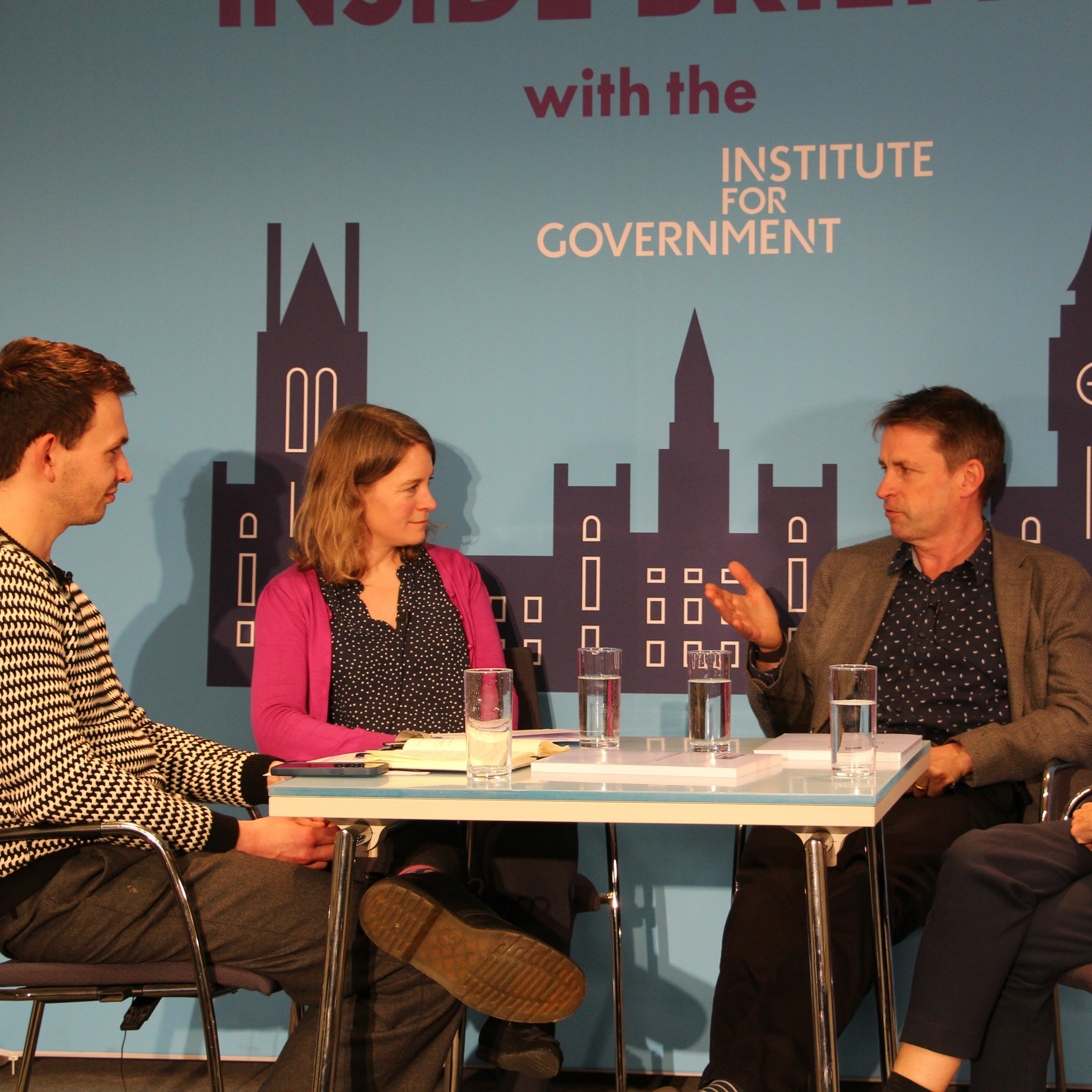
Just a few hours after Jeremy Hunt sets out his spring budget, a team of Institute for Government experts gathered in the IfG studio to record a special edition of the Inside Briefing podcast. Olly Bartrum, Jill Rutter, Dr Gemma Tetlow and Giles Wilkes gave their instant reaction to the budget and shared expert analysis of a major day for the country. What have we learned from the chancellor’s big announcements and what choices did he make? What did the new OBR forecasts show about the UK’s economic prospects? What did it mean for public services? How did Labour respond? And how might this budget shape the battles on the economy at the next general election – and when that election might be held?
Public services have faced the greatest level of disruption from strikes in more than a quarter of a century. Over the past year nurses, ambulance drivers, teachers, junior doctors, consultants, and civil servants, among others, have all staged walkouts to protest against pay and working conditions. While improved pay offers from Rishi Sunak’s government have resolved many disputes, some staff are still on the picket line and other disputes could flare up again. So what impact has recent industrial disputes had on public service performance? What skills do ministers, civil servants, frontline public sector leaders and unions need to effectively negotiate with each other and resolve disputes – and what mechanisms can be used to resolve entrenched disputes? How effective are pay review bodies and do they need to be reformed? And to what extent will the Strikes (Minimum Service Levels) Act help or hinder the management of industrial dispute? To discuss these questions and more, we were joined by an expert panel, including: Mike Clancy, General Secretary at Prospect Baroness Finn, former Government Adviser on Industrial Relations Raj Jethwa, Chief Executive at UCEA Kate Nowicki, Director of Dispute Resolution at Acas The event was chaired by Nick Davies, Programme Director at the Institute for Government.
The Treasury is perhaps the most powerful department in Whitehall. Its ownership of public spending means it has direct control over the money available to the rest of government, while the Treasury’s responsibility for tax policy gives it enormous influence over the finances of households and businesses. But criticism of the department’s influence on government policy is almost as old as the institution itself, with frequent complaints about the “dead hand of the Treasury” or attacks on the department’s “orthodoxy”. However, a recent IfG report found many of the fiercest criticisms to be overblown: many simply represent a dislike of a budget constraint. The department plays an important function in effectively managing public spending and guarding against financial disorder. It has also consistently been a champion of economic growth, though there is debate about how that is managed against its responsibility for managing government spending. While the department has clear strengths, there are clearly problems with how it functions. The Treasury often takes a short-term approach, is frequently accused of micromanaging other departments, and wields excessive influence over government policy relative to the rest of the centre. So how can these problems be addressed? How much are they due to the relative weakness of other departments or the incentives facing Treasury ministers? And just what impact does the Treasury have on government policy making? Our expert panel exploring these issues and more featured: James Bowler CB, Permanent Secretary of HM Treasury Anita Charlesworth, Director of Research at the Health Foundation and former Director of Public Spending at HM Treasury David Gauke, former Chief Secretary to the Treasury, Lord Chancellor and Secretary of State for Work and Pensions Giles Wilkes, Senior Fellow at the Institute for Government and co-author of Treasury orthodoxy, and former No 10 special adviser for industrial strategy The event was chaired by Dr Gemma Tetlow, Chief Economist at the Institute for Government.
Better use of data is key to more effective government. Across government, teams are doing fascinating work with data. But those projects don’t get the attention they deserve. Data Bites aims to change that. This event was the 49th in our series, where the speakers present their work in an exciting, quickfire format.
Fraud is the UK’s most common crime. But despite 3.5 million incidents reported in 2022/23, 40% of all reported crimes, only one in a thousand results in a charge or summons. So why is there such a huge gap between preventing, detecting and prosecuting this crime – and what can be done to fix the problem? A wide range of organisations have responsibility for tackling fraud, including the Home Office, National Crime Agency, Serious Fraud Office, City of London Police, Metropolitan Police Service, Financial Conduct Authority and the National Cyber Security Centre. However, there are problems with coordination, capacity and capability. So what can government and others do to help prevent fraud? How can coordination among the various agencies responsible for tackling fraud be improved? And what steps could be taken to help increase detection and prosecution rates? We were joined by an expert panel, including: Francesca Carlesi, CEO of Revolut UK Adrian Searle, Director of the National Economic Crime Centre Nick Stapleton, Co-Presenter of BBC Scam Interceptors Rt Hon Emily Thornberry MP, Shadow Attorney General The event was chaired by Nick Davies, Programme Director at the Institute for Government. We would like to thank Revolut for kindly supporting this event.
As he prepares to step down as Chief Operating Officer for the Civil Service and Permanent Secretary for the Cabinet Office, Alex Chisholm spoke at the Institute for Government for his final time as a civil servant. During nearly a decade at the top of the civil service as a permanent secretary, Alex served four prime ministers and worked with three cabinet secretaries, covering eventful and tumultuous times. After four years as permanent secretary at the Department for Business, Energy and Industrial Strategy, in 2020 Alex moved to his current role at the heart of the civil service. Having played a leading part in the civil service reform agenda, Alex reflected on the scheme to relocate parts of the civil service from London, efforts to improve Whitehall’s use of data and digital and to overhaul cross-departmental working, and his reflections on the government’s response during the Covid-19 pandemic. At the event, Alex Chisholm was in conversation with IfG Director Dr Hannah White and will take part in an audience Q&A.
The future of the UK asylum system could dominate the 2024 general election campaign. The prime minister has made his controversial Rwanda plan a flagship part of the government’s agenda, while Labour has committed to reforming the asylum system as part of its plan to tackle Channel crossings. Rishi Sunak pledged to clear the legacy asylum backlog by the end of 2023, but the sizeable backlog of people waiting for a decision remains – with the government struggling to deal with new asylum cases and problems elsewhere in the system. So what are these problems? Does the government have a coherent plan to bring down the backlog? And what can be done to improve the UK’s asylum system in the long term? This panel examined what steps the government can take to ensure the asylum system is fit for purpose in the long term. We were joined by an expert panel, including: Alvina Tamara Chibhamu, Ambassador at the VOICES network Sal Copley, Executive Director of Communications and External Affairs at the British Red Cross Lizzie Dearden, Home affairs journalist and author Sir Philip Rutnam, former Permanent Secretary at the Home Office The event was chaired by Joe Owen, Director of Impact at the Institute for Government. We would like to thank the British Red Cross for kindly supporting this event.
Political parties are increasingly focusing their energy and resources on the approaching general election campaign. The pace will be relentless. The atmosphere will be increasingly fraught. So as the campaign intensifies, how can think tanks make themselves heard – and help to shape policy and political debate? A dramatic – and sometimes chaotic – decade in British politics has brought new challenges to think tanks. Different think tanks, with a range of political views and policy priorities, play different roles – but how has their work evolved in recent years? What level of influence do they have in shaping the priorities and policies of opposition parties and government and how does this change in an election year? What are a think tank’s responsibilities when it works with political parties, government ministers or their advisers? And does being a registered charity impact how a think tank can inform and influence public debate and policy development? These questions and more were explored in a joint Institute for Government and Charity Commission event featuring: Andy Cook, Chief Executive of the Centre for Social Justice Polly Curtis, Chief Executive of Demos Orlando Fraser KC, Chair of the Charity Commission Dr Hannah White OBE, Director of the Institute for Government The event was chaired by Lord O'Donnell, former Cabinet Secretary and Head of the Civil Service (2005–11).
Fixing the centre of government by Institute for Government
Data Bites #48: Getting things done with data in government - smart data special by Institute for Government
With the general election less than a year away, the Conservatives, Labour and all other political parties are drawing up their manifestos. Scrutinised by the media and voters, manifestos can shape debate, shift the polls, and play a major part in an election campaign – and shape what the winning part does in government. While manifestos are described as a contract between a party and the people, the reality in government is often quite different. Pledges may prove difficult to deliver in practice, with unforeseen crises and the day-to-day challenges of governing seeing commitments fall by the wayside. In a coalition or minority government, parties may have to compromise. So how do the parties develop and write their manifestos? What does a good manifesto actually look like? What are the questions that Rishi Sunak and Keir Starmer will be considering when signing off on their manifestos? And just how important are manifestos during – and after – a general election campaign? Joining us to discuss these questions and more were: Andrew Fisher, former Executive Director of Policy for the Labour Party, and author of the 2017 and 2019 Labour manifestos Robert Shrimsley, Chief UK Political Commentator and Executive Editor at the Financial Times Rachel Wolf, Founding Partner at Public First, and co-author of the 2019 Conservative manifesto The event was chaired by Dr Catherine Haddon, Programme Director at the Institute for Government.
Productivity Pitches #2: criminal justice and law enforcement by Institute for Government
Productivity in public services has never been more important. Most services are struggling to return to pre-pandemic performance levels, and both the Conservatives and Labour have indicated that they will stick to tight spending plans after the election. Improvements in performance will likely come from frontline workers finding new, innovative ways of delivering services. So what can be done to improve productivity? By highlighting outstanding examples of innovation across public services, Productivity Pitches, a new series of events hosted by the IfG, aims to share and support ways to improve performance levels. This event was the second in the series and will focus on the criminal justice system. Each speaker had 10 minutes to present their innovation, followed by 10 minutes of audience questions. The chair and a guest from The Productivity Institute – who are kindly supporting this event series – then brought together the common themes from the pitches and discussed the lessons for improving productivity. The speakers for this edition of Productivity Pitches were: Mat Burbeck, Temporary Superintendent seconded to the independent Policing Productivity Team Chantal Hughes, Chief Executive and Emma Hazan, CARA Development Manager at Hampton Trust Dr Varinder Panesar, Lead Forensic Psychologist/Therapies Lead and Neil Fraser, CSU & NDU Custodial Manager at HMP Pentonville The event was chaired by Nick Davies, Programme Director at the Institute for Government. Bart van Ark, the Managing Director of The Productivity Institute, joined the discussion of common themes. Productivity Pitches is produced in partnership with The Productivity Institute.
Inside the Political Mind: How the human side of politics shapes behaviour by Institute for Government
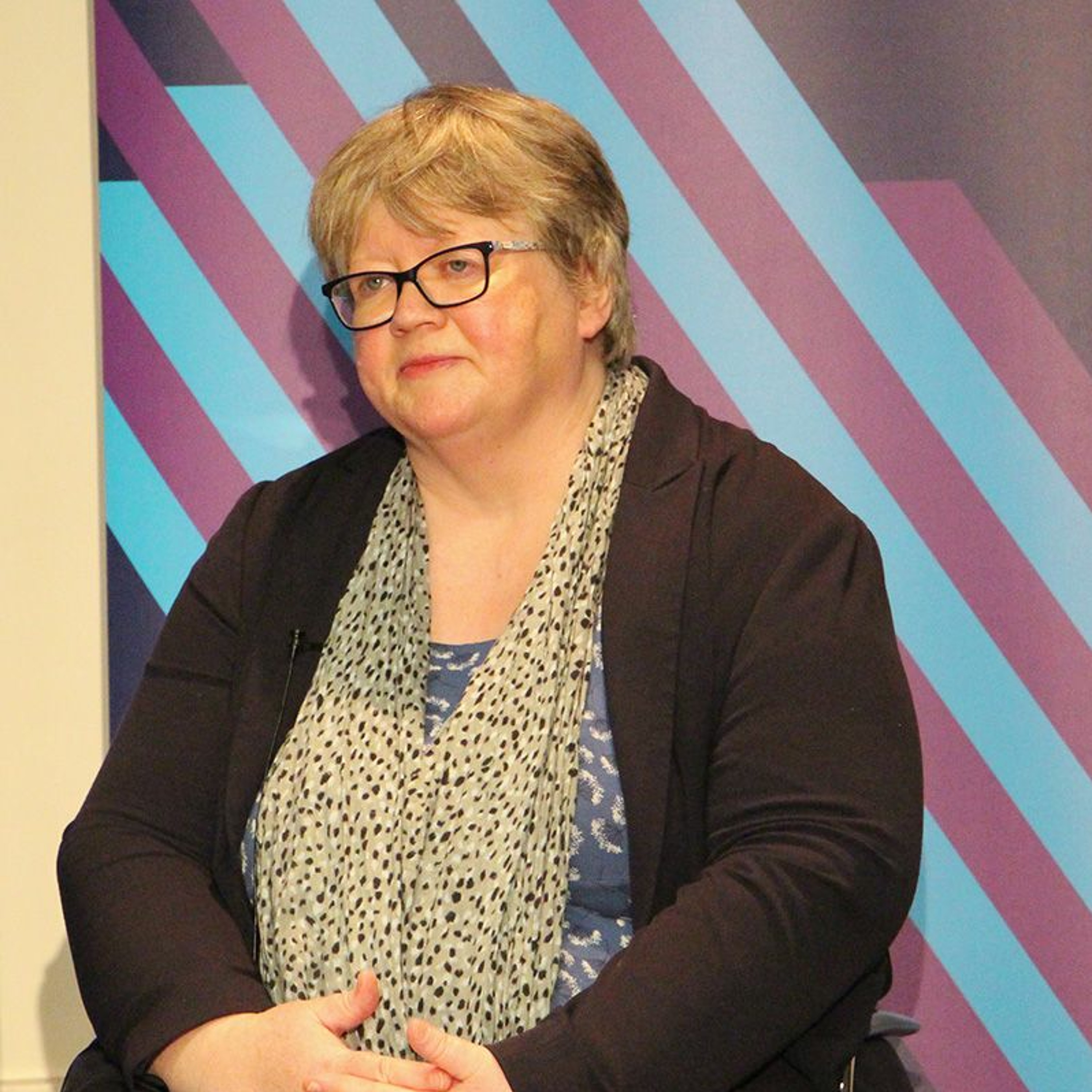
Former deputy prime minister, health secretary and environment secretary Thérèse Coffey joined us at the Institute for Government to reflect on her nine years as government minister. https://www.instituteforgovernment.org.uk/event/therese-coffey
Devolution to Wales is almost 25 years old. Since the first Welsh assembly elections in 1999, the powers of the devolved institutions in Cardiff have been substantially expanded –with Welsh voters backing the historic transformation of the assembly into a law-making parliament in a 2011 referendum. A quarter of a century since devolution began, what are the potential next steps in Wales’s unfinished constitutional journey? Set up to address this very question, the cross-party Independent Commission on the Constitutional Future of Wales, established by the Welsh government, will publish its final report in January 2024 – a key moment in the debate on the future of Wales. The Institute for Government was delighted to welcome Rt Hon Mark Drakeford MS, the First Minister of Wales, to discuss the findings of the commission, his perspective on how devolution to Wales could be protected and strengthened, and how a future Labour government in Westminster should reform the constitution and improve relations with the devolved administrations. Mr Drakeford was in conversation with Dr Hannah White, Director of the Institute for Government, followed by Q&A with the live and online audience.

A special live episode of The Expert Factor podcast. Adam Fleming, Presenter of BBC Newscast Paul Johnson, Director of the Institute for Fiscal Studies Professor Anand Menon, Director of UK in a Changing Europe Dr Hannah White OBE, Director of the Institute for Government
The essential IfG briefing From devolution to parliamentary scrutiny, standards in public life to net zero, a panel of IfG experts explore a range of key policy areas that this and future governments will need to focus on. Tim Durrant, Programme Director at the Institute for Government Dr Matthew Gill, Programme Director at the Institute for Government Akash Paun, Programme Director at the Institute for Government Jill Rutter, Senior Fellow at the Institute for Government Dr Catherine Haddon, Programme Director at the Institute for Government (Chair) 40:51- IfG Director’s closing remarks Dr Hannah White OBE, Director of the Institute for Government
Rhys Clyne, Associate Director at the Institute for Government, set out key findings from Whitehall Monitor 2024 – the IfG’s annual report into the shape, size and performance of the civil service – ahead of a panel discussion on how the civil service can be reformed to deliver for ministers. Rowena Mason, Whitehall Editor at the Guardian Rt Hon Lord Maude, author of the Independent Review of Governance and Accountability in the Civil Service Alex Thomas, Programme Director at the Institute for Government Rt Hon Nick Thomas-Symonds MP, Shadow Minister without Portfolio (Cabinet Office) Emma Norris, Deputy Director at the Institute for Government (Chair)

A wide-ranging discussion on the key issues facing government – and the economy – as a general election draws near. Claire Ainsley, Director of the Project on Center-Left Renewal and former Executive Director of Policy to Keir Starmer Anita Boateng, Partner at Portland Communications and former Special Adviser for the Cabinet Office, MoJ and DWP Sam Freedman, Senior Fellow at the Institute for Government Giles Wilkes, Senior Fellow at the Institute for Government Joe Owen, Director of Impact at the Institute for Government (Chair)
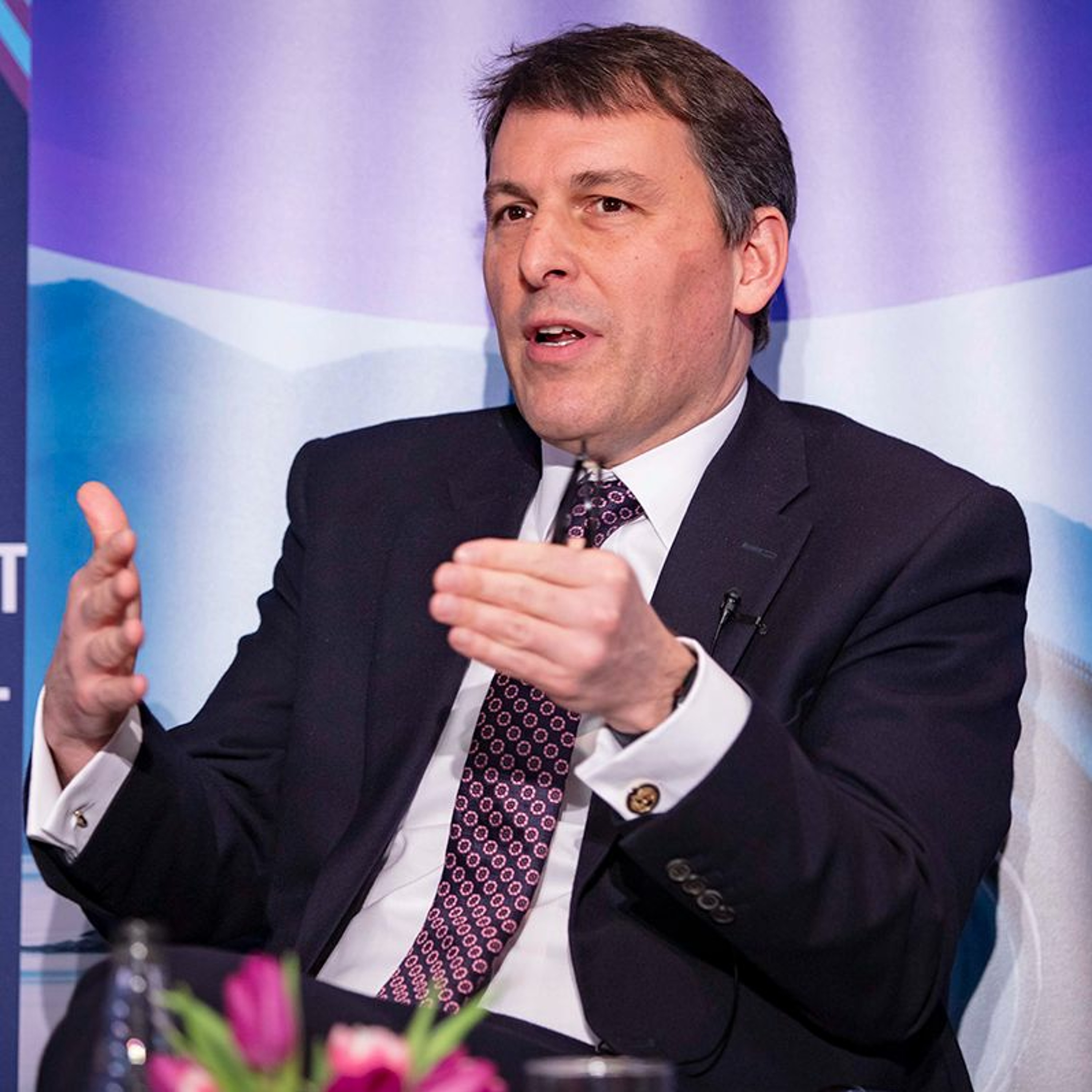
Government keynote speech: Rt Hon John Glen MP by Institute for Government
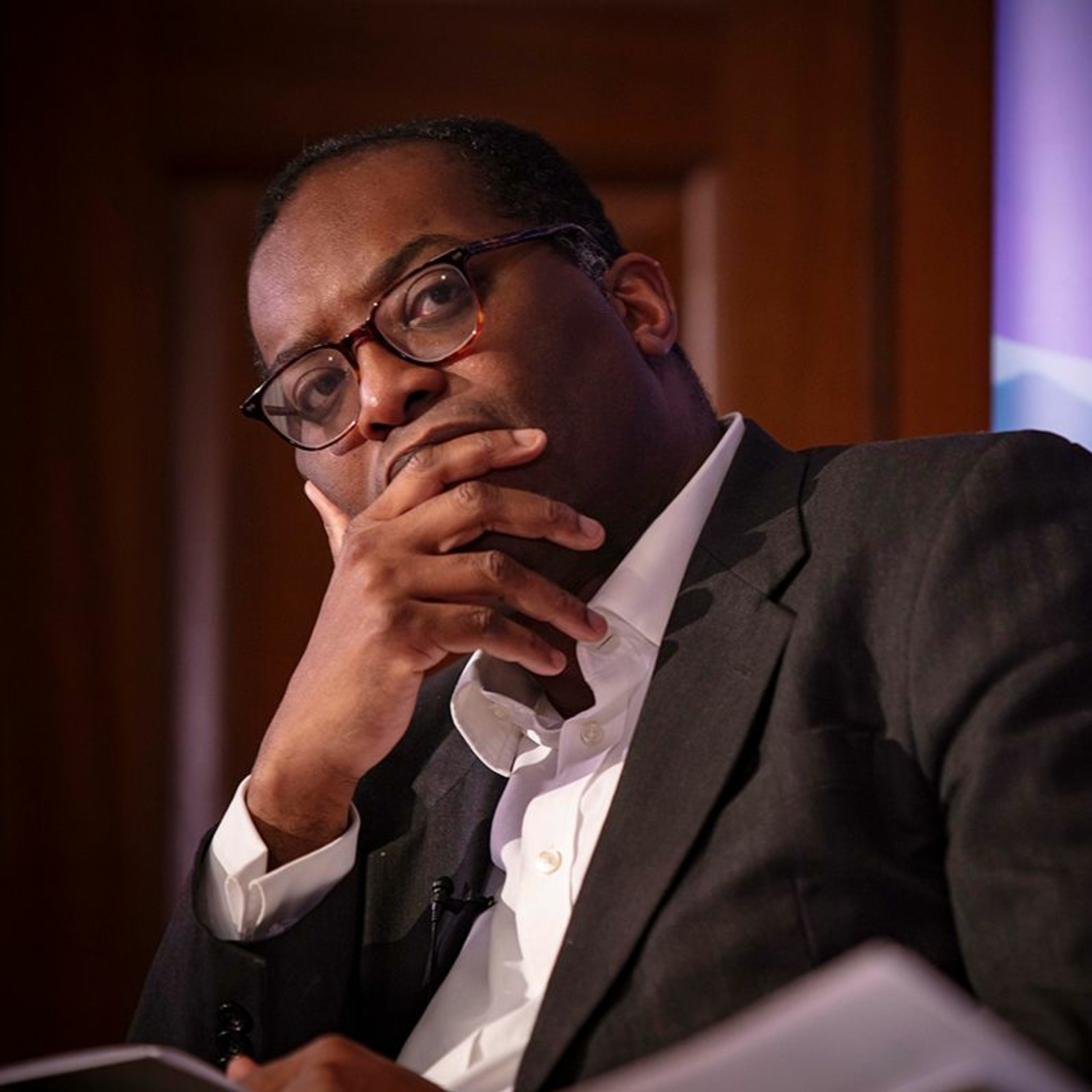
Stuart Hoddinott, Senior Researcher at the Institute for Government, set out key findings from Performance Tracker – the IfG’s annual stocktake of nine key public services – ahead of a panel discussion on how public service performance can be turned around. Adam Boulton, former Political Editor of Sky News Councillor Georgia Gould, Leader of Camden Council Rt Hon Kwasi Kwarteng MP, former Chancellor of the Exchequer Nick Davies, Programme Director at the Institute for Government (Chair)
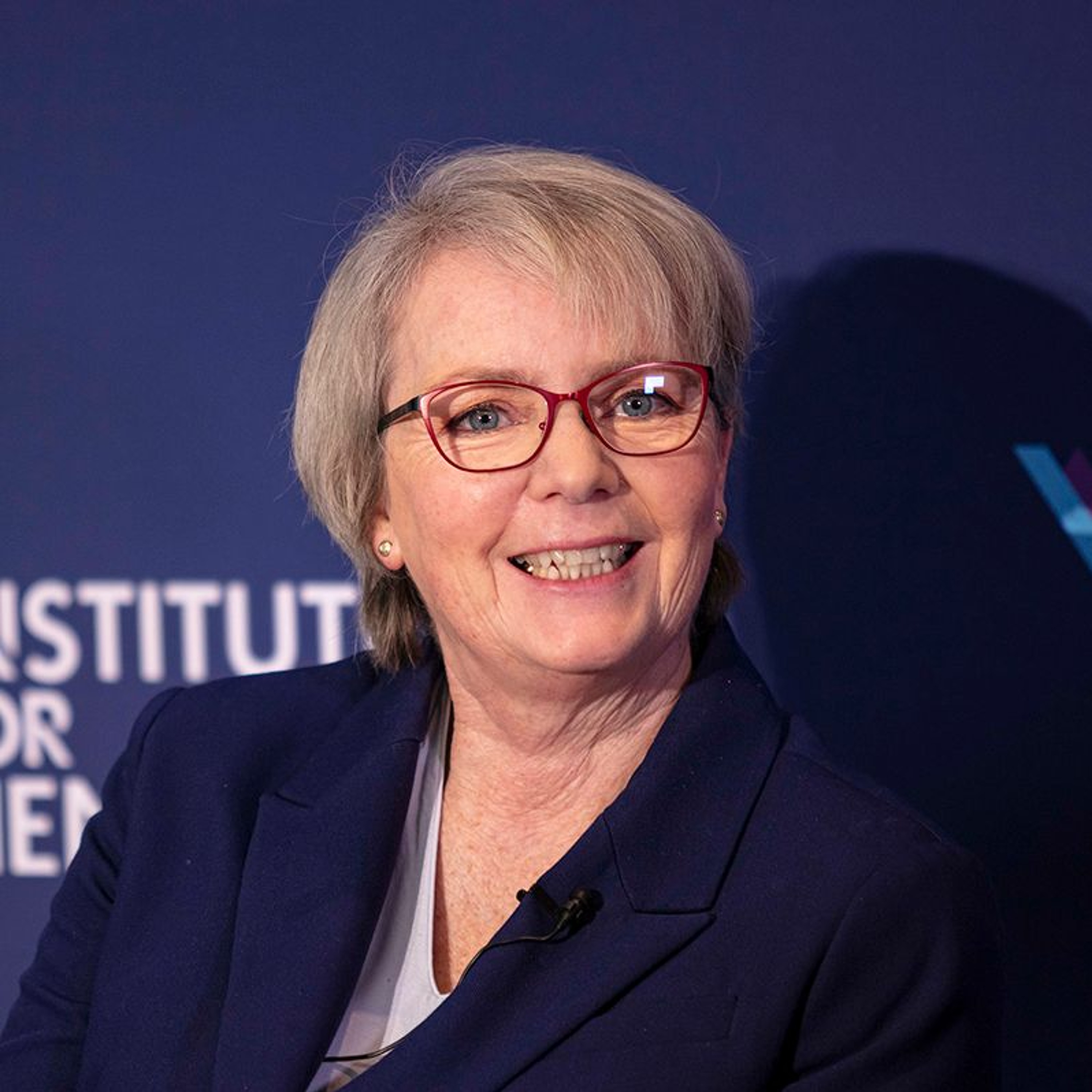
We were delighted to welcome Karin Smyth MP, Shadow Minister of Health, for a keynote speech at Government 2024, the IfG's annual conference with Grant Thornton UK LLP. This was followed by an in conversation with Dr Hannah White OBE, Director of the IfG.
2024 will be a crucial year for government and for British politics. With a general election no more than a year away, Rishi Sunak has asked to be judged on meeting his five pledges – and the pressure is on Keir Starmer to add policy details to his five missions. To mark the start of this pivotal 12 months, the Institute for Government’s annual conference brought together influential speakers and IfG experts to explore the key questions facing government – and opposition parties – in 2024, stimulate new thinking and discuss the year ahead. Dr Hannah White, IfG Director, gave a welcome to the conference, followed by opening remarks by Phillip Woolley, Partner at Grant Thornton UK.
Audio recording of event held at the Institute for Government, 16 January 2024.
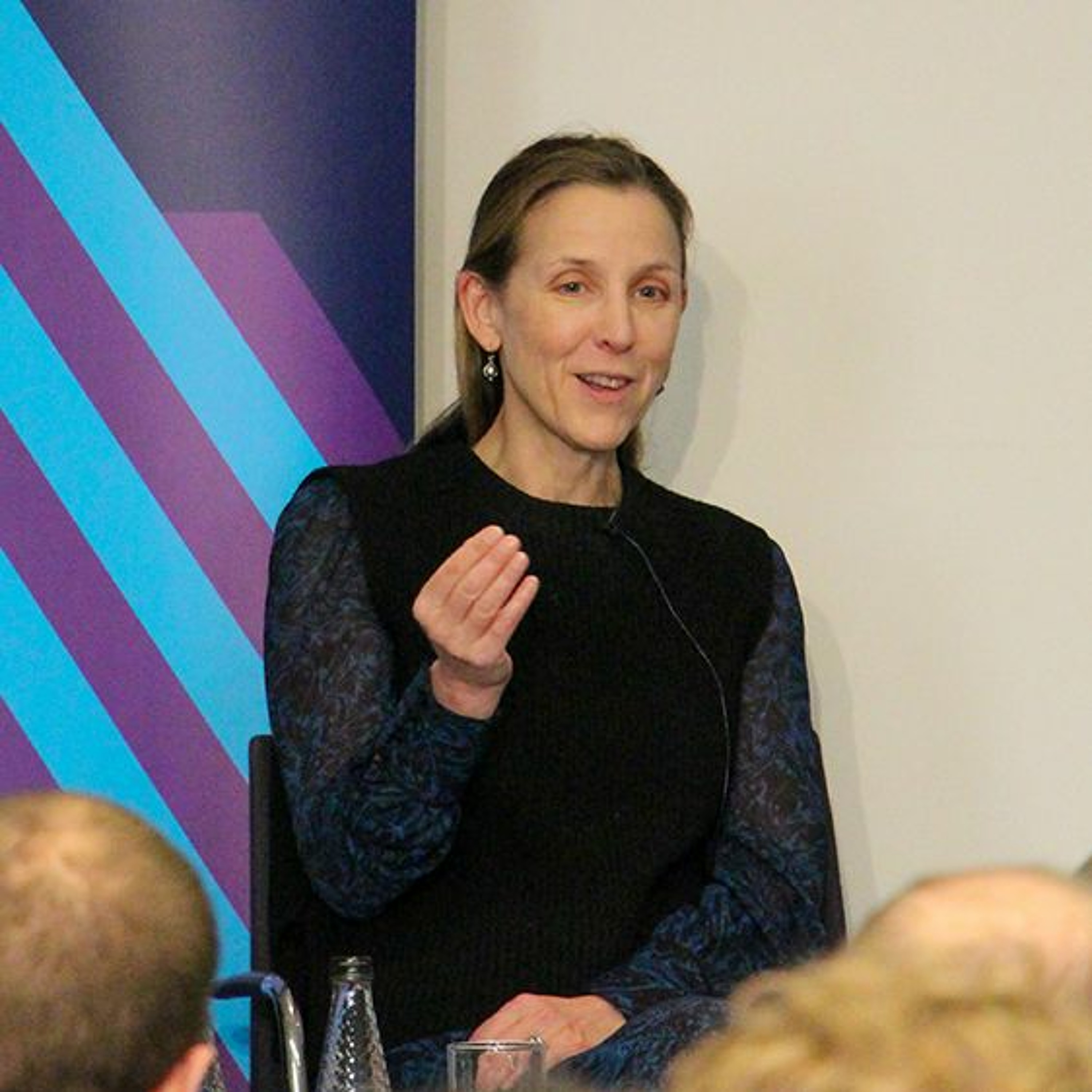
The next general election is – at most – one year away. If Labour wins, there will, as is almost always the case in the UK, be an overnight transition of power. A party that has spent 14 years in opposition would be instantly thrown into government. But having focused already limited resources on election campaigning, and often lacking the knowledge and experience of being in government, how can opposition parties prepare for an overnight transition? Which issues do they need to consider ahead of a possible election win? And what challenges might arise on that first day in power? As the Institute’s research shows, proper preparation can make the difference between success and stagnation once in office. This event, the latest in the Institute for Government’s General Election programme, discussed a new IfG report – Preparing for government: How oppositions should ready themselves for power – which sets out how to prepare for a possible transition into government. Joining us to the discuss the report and its findings was an expert panel, including: Wes Ball, former Director of the Parliamentary Labour Party Baroness Fall, former Deputy Chief of Staff to David Cameron Dr Catherine Haddon, Programme Director at the Institute for Government Lord Macpherson, former Permanent Secretary at HM Treasury (2005–16) The event was chaired by Joe Owen, Director of Impact at the Institute for Government. Follow us on X (formerly known as Twitter) @ifgevents and join the conversation using #IfGGeneralElection.
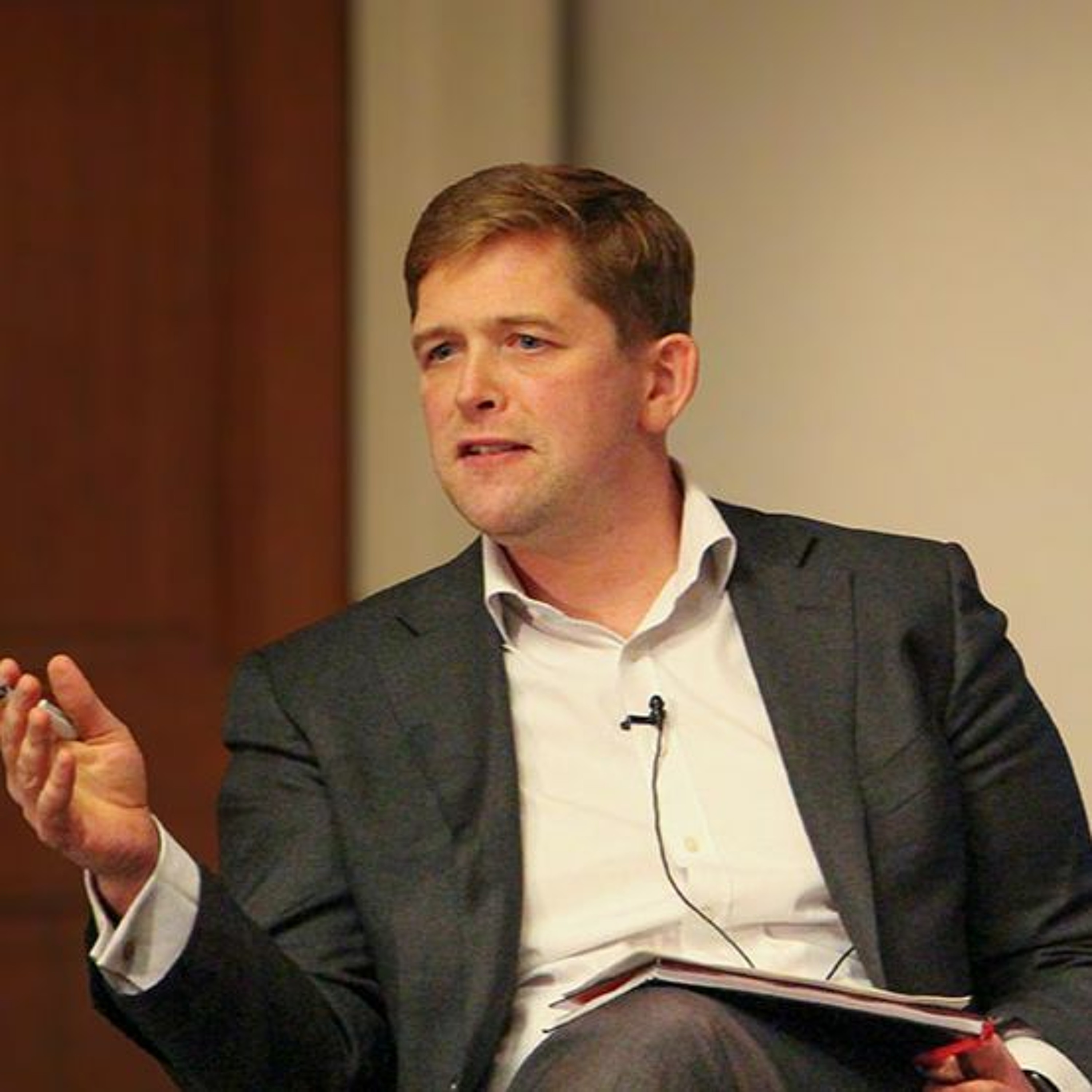
Governments often tackle similar issues again and again – from day-to-day matters to major challenges such as natural disasters, public health threats or global financial or security crises. So it is vital that governments learn from experience about what works – and what doesn’t – to improve the functioning of government. But extensive churn in ministers – and the civil servants who support them – means that institutional memory can be lost. In the mid-2010s, the Treasury was grappling with how to maintain and improve public service performance as budgets were squeezed. Senior officials in the department identified the need for a review of historic evidence to ensure they understood what the experience of previous decades showed about how to manage public spending effectively The Nuffield Foundation funded a project involving the Institute of Fiscal Studies (Paul Johnson, Rowena Crawford and Ben Zaranko) and a team based at the Blavatnik School of Government in Oxford (Christopher Hood, Iain McLean, Maia King and Barbara Piotrowska). The task of the IFS team was to assess what happened to UK spending over 1993–2015 from the available statistics, while the Blavatnik team explored the more qualitative aspects of public spending control over the same period from a mixture of published sources, interviews and archival material – now published in book form (The Way the Money Goes: The Fiscal Constitution and Public Spending in the UK). Drawing on that work, this event will reflect on the value – but also the challenges – of historical research on government and explore what can be learnt from past experience in the planning and control of public spending. To discuss these questions and more, we were joined by a panel of experts: Sir Charles Bean, Professor of Economics at the London School of Economics and former member of the Budget Responsibility Committee at the Office for Budget Responsibility (2017–21) Mark Franks, Director of Welfare at the Nuffield Foundation Catherine Haddon, Programme Director at the Institute for Government Professor Christopher Hood, Visiting Professor at the Blavatnik School of Government, Oxford University Conrad Smewing, Director General, Public Spending at HM Treasury The event was chaired by Dr Gemma Tetlow, Chief Economist at the Institute for Government.
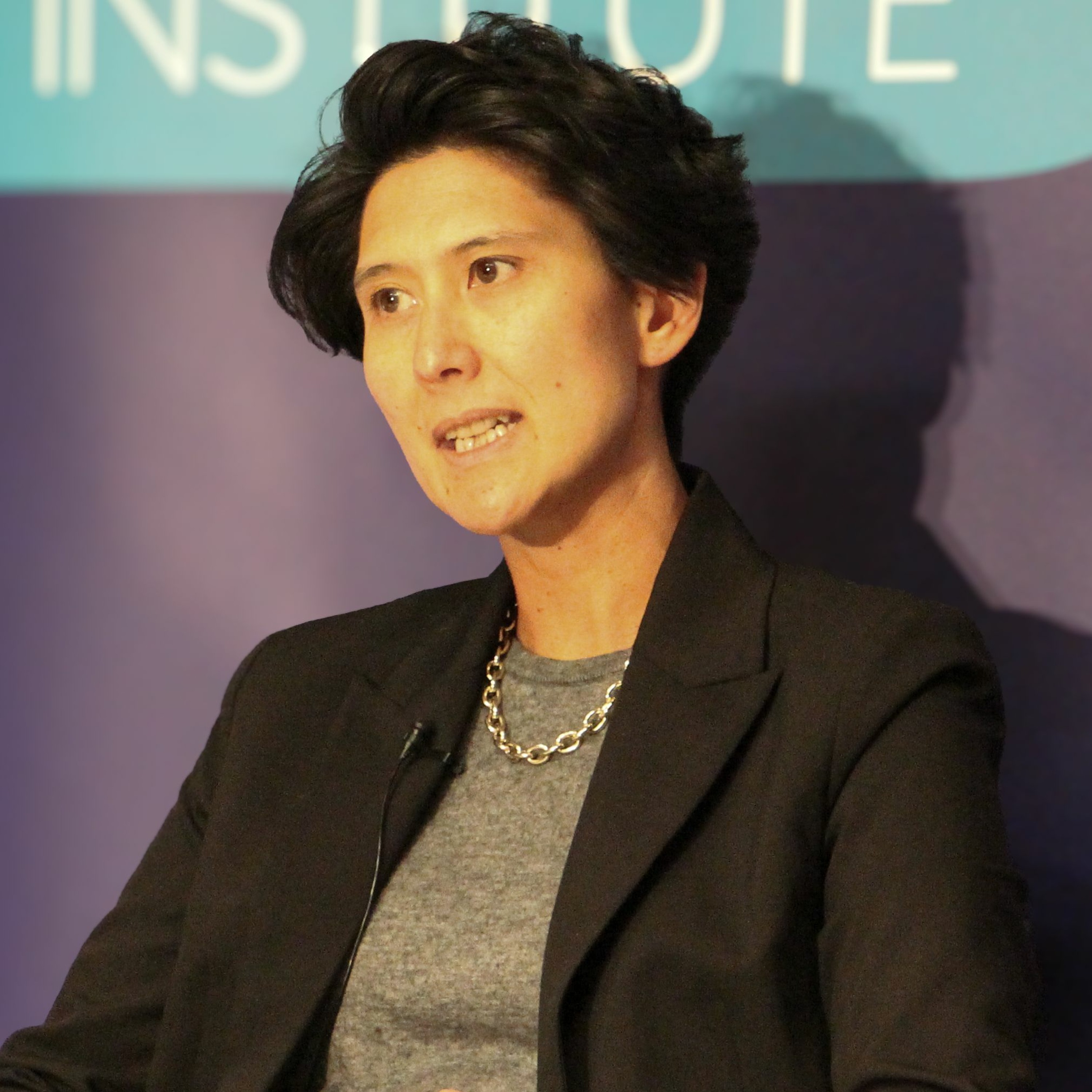
In this first Productivity Pitches event, a new series that the Institute for Government will organise jointly with The Productivity Institute, we were delighted to welcome Cat Little, Second Permanent Secretary to the Treasury and Bart van Ark, Managing Director of The Productivity Institute to discuss these questions: What are the causes of weak productivity growth in public services? How can digital and AI play in improving public service productivity? What lessons can be learned from the private sector? With little room for manoeuvre to increase spending on struggling public services, the UK government must ensure that every pound is spent well. However, public service productivity fell both during and after the pandemic. For example, the government’s successful programme to increase the number of police officers by 20,000 has only resulted in a small improvement to charge rates. Some important hospital activity is still below pre-pandemic levels despite substantial spending increases and rising staff numbers. And ONS records show that adult social care productivity more or less stalled for the decade before the pandemic. So with the fiscal situation unlikely to improve in the immediate future, what can government and frontline services do to improve productivity? The event was chaired by Nick Davies, Programme Director at the Institute for Government. Productivity Pitches is a new quarterly series hosted by the Institute for Government highlighting examples of productivity improvements in public services. These events will look at innovations in everything from technology and IT to management and clinical improvements, allowing those on the frontline to showcase how their innovations are improving service performance and saving money.
