


Radiolab


About
Available on








Community
644 episodes
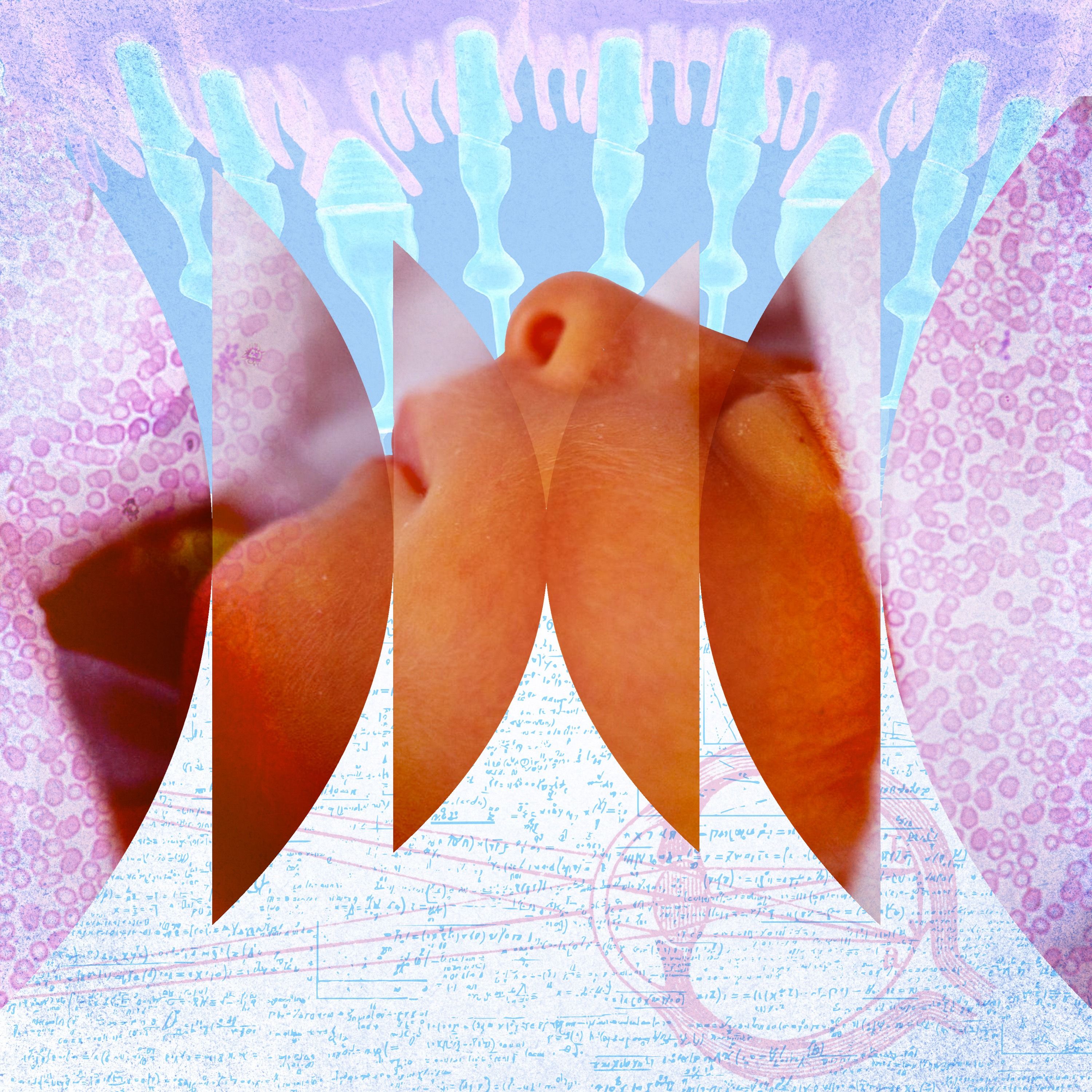
Before he was even born, Sarah and Ross Gray knew that their son Thomas wouldn’t live long. But as they let go of him, they made a decision that reverberated through a world that they never bothered to think about. Years later, after a couple of awkward phone calls, they go on a quest and manage to meet the people and places for whom Thomas’ short life was an altogether different kind of gift. We originally made this story back in 2015, but we wanted to play it again because we love that it brings a view of science that is redemptive, tender, and unexpected. Since we first released this episode, Sarah Gray wrote a book called A Life Everlasting https://www.harpercollins.com/products/a-life-everlasting-sarah-gray?variant=32208104914978 (https://zpr.io/GVYisRaqe9d6), it’s a memoir about Thomas that dives into the world of organ donation and medical science. She’s also written a beautiful short story about shame called The Lacemaker Fairy Tale https://medium.com/@graysarah/the-lacemaker-story-68e0a25da842 (https://zpr.io/Li5BMtfHmf92). And, right now she’s working on a script for a movie called Raincheck. EPISODE CREDITS: Reported by - Jad Abumrad with help from - Latif Nasser LATERAL CUTS - __ __ https://radiolab.org/newsletter http://members.radiolab.org http://instagram.com/radiolab http://twitter.com/radiolab http://facebook.com/radiolab

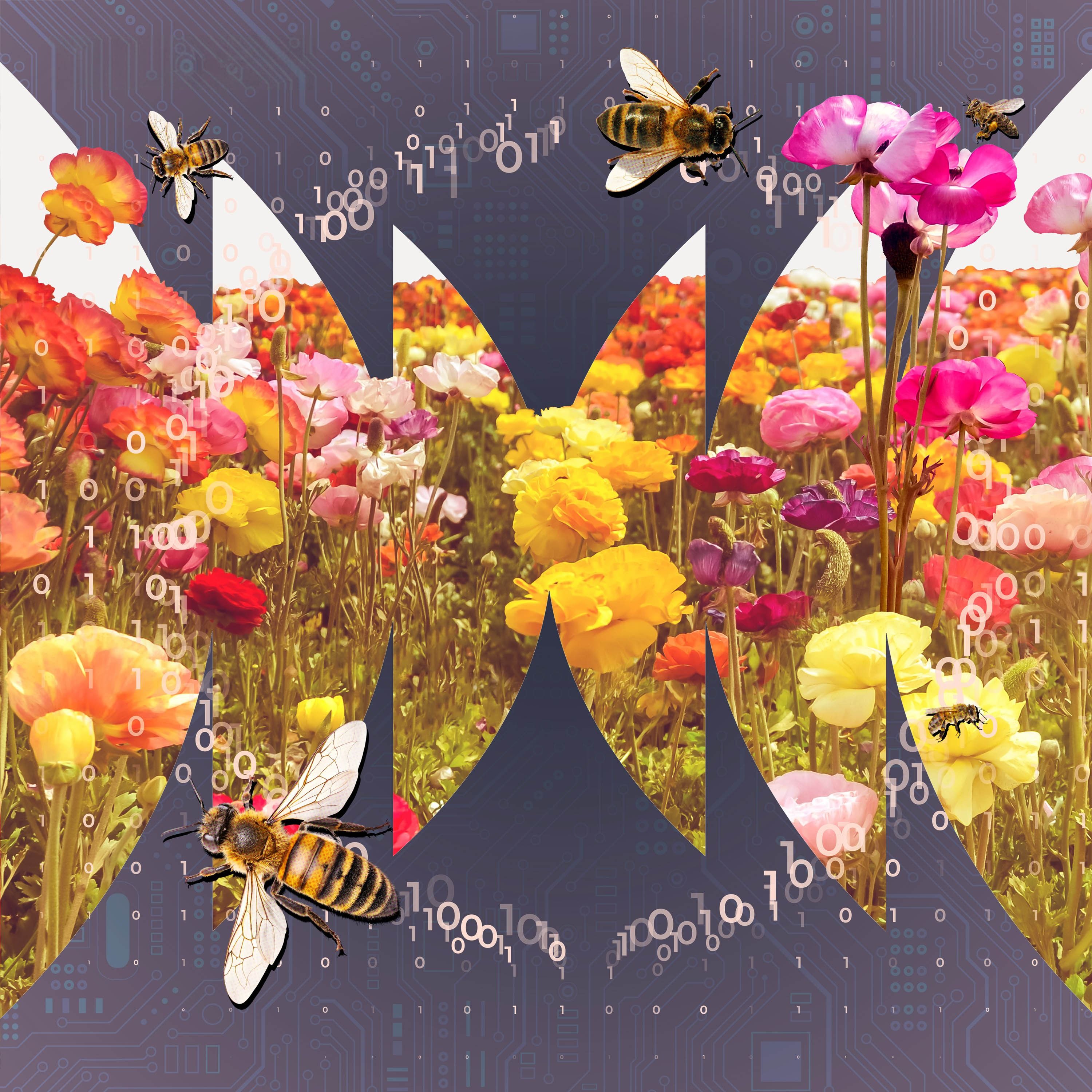
In the early 2000s, Sunil Nakrani felt stuck. Back then, websites crashed all the time. When Sunil noticed this, he decided he was going to fix the internet. But after nearly a year of studying the architecture of the web, he was no closer to an answer. In desperation, Sunil sent out a raft of cold emails to engineering professors. He hoped someone, anyone, could help him figure this out. Eventually, he learned that the internet could only be fixed if he paid attention to the humble honeybee. This is the story of the Honeybee Algorithm: How tech used honeybees to build the internet as we know it. https://www.goldengooseaward.org/01awardees/honey-bee-algorithm EPISODE CREDITS: Reported by - Latif Nasser with help from - Maria Paz Gutiérrez Produced by - Maria Paz Gutiérrez, Annie McEwen and Pat Walters and Edited by - Pat Walters EPISODE CITATIONS: Videos - __ __ Books - __ __ https://radiolab.org/newsletter http://members.radiolab.org http://instagram.com/radiolab http://twitter.com/radiolab http://facebook.com/radiolab
In this episode, we break the thermometer and watch the mercury spill out as we discover that temperature is far stranger than it seems. We first ran this episode in 2021: Five stories that run the gamut from snakes to stars. We start out underwater, with a species of snake that has evolved a devious trick for keeping warm. Then we hear the tale of a young man whose seemingly simple method of warming up might be the very thing making him cold. And Senior Correspondent Molly Webster blows the lid off the idea that 98.6 degrees Fahrenheit is a sound marker of health. In this episode, we break the thermometer and watch the mercury spill out as we discover that temperature is far stranger than it seems. We first ran this episode in 2021: Five stories that run the gamut from snakes to stars. We start out underwater, with a species of snake that has evolved a devious trick for keeping warm. Then we hear the tale of a young man whose seemingly simple method of warming up might be the very thing making him cold. And Senior Correspondent Molly Webster blows the lid off the idea that 98.6 degrees Fahrenheit is a sound marker of health. EPISODE CREDITS: Reported by - Lulu Miller and Molly Webster Produced by - Becca Bressler, Lulu Miller and Molly Webster with help from - Carin Leong Fact-checking by - Emily Krieger https://radiolab.org/newsletter http://members.radiolab.org http://instagram.com/radiolab http://twitter.com/radiolab http://facebook.com/radiolab
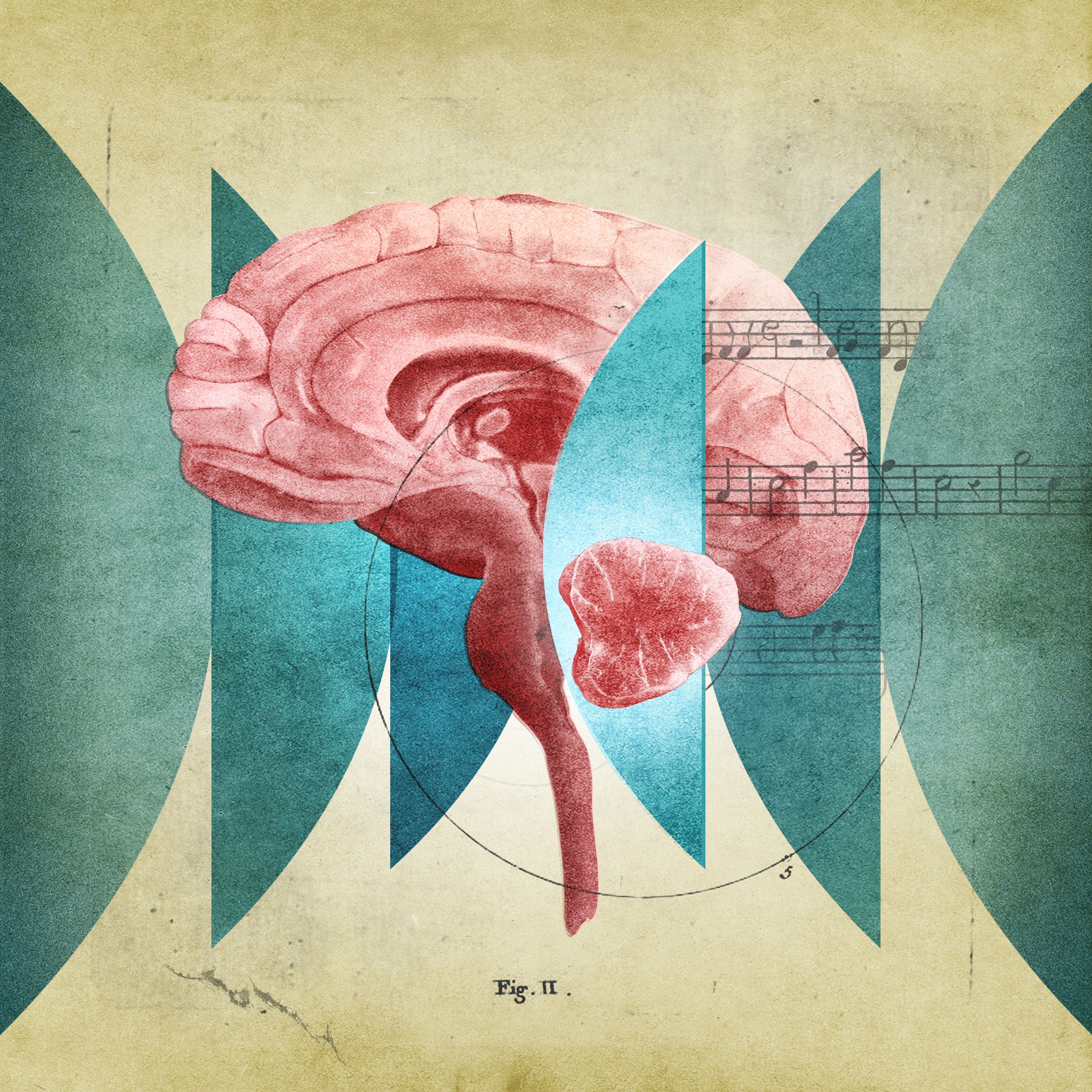
One spring evening in 2024, science journalist Rachel Gross bombed at karaoke. The culprit was a bleed in a fist-sized clump of neurons tucked down in the back and bottom of her brain called the Cerebellum. A couple weeks later, her doctors took a piece of it out, assuring her it just did basic motor control - she might be a bit clumsy for a while, but she’d still be herself. But after that surgery Rachel did not feel quite like herself. So she dove into the dusty basement of the brain (and brain science) to figure out why. What Rachel found was a new frontier in neuroscience. We learn what singing Shakira on stage has to do with reaching for a cup of coffee — and why the surprising relationship between those two things means we may need to rethink what we think about thinking. EPISODE CREDITS: Reported by - Rachel Gross Produced by - Sindhu Gnanasambandan Additional mixing by - Jeremy S. Bloom EPISODE CITATIONS: ARTICLES - __ __ BOOKS - __ __ https://radiolab.org/newsletter http://members.radiolab.org http://instagram.com/radiolab http://twitter.com/radiolab http://facebook.com/radiolab
Most of us spend some part of our lives feeling bad about ourselves and wanting to feel better. But this preoccupation is a surprisingly new one in the history of the world, and can largely be traced back to one man: a rumpled, convertible-driving California state representative named John Vasconcellos who helped spark a movement that took over schools, board rooms, and social-service offices across America in the 1990s. This week, we look at the rise and fall of the self-esteem movement and ask: is it possible to raise your self-esteem? And is trying to do so even a good idea? EPISODE CREDITS: Reported by - Heather Radke and Matt Kielty Produced by - Matt Kietly Flute performance and compositions by - Ben Batchelder Voiceover work by - Dann Fink Fact-checking by - Anna Pujol-Mazzini and Angely Mercado and Edited by - Pat Walters EPISODE CITATIONS: Articles - __ __ Books - __ __ https://radiolab.org/newsletter http://members.radiolab.org http://instagram.com/radiolab http://twitter.com/radiolab http://facebook.com/radiolab

This episode, first aired in 2019, brings you the story of John Scott, the professional hockey player that every fan loved to hate. A tough guy. A brawler. A goon. But when an impish pundit named Puck Daddy called on fans to vote for Scott to play alongside the world’s greatest players in the NHL All-Star Game, Scott found himself facing off against fans, commentators, and the powers that be. Was this the realization of Scott’s childhood dreams? Or a nightmarish prank gone too far? Today on Radiolab, a goof on a goon turns into a parable of the agony and the ecstasy of the internet, and democracy in the age of Boaty McBoatface. https://www.droppingthegloves.com/https://www.droppingthegloves.com/) https://www.simonandschuster.com/books/A-Guy-Like-Me/John-Scott/9781501159657https://www.simonandschuster.com/books/A-Guy-Like-Me/John-Scott/9781501159657) EPISODE CREDITS: Reported by - Latif Nasser Produced by - Matt Kielty Original music and sound design contributed by - John Dryden, Thee Oh Sees, Weedeater and Bongzilla. https://radiolab.org/newsletter http://members.radiolab.org http://instagram.com/radiolab http://twitter.com/radiolab http://facebook.com/radiolab
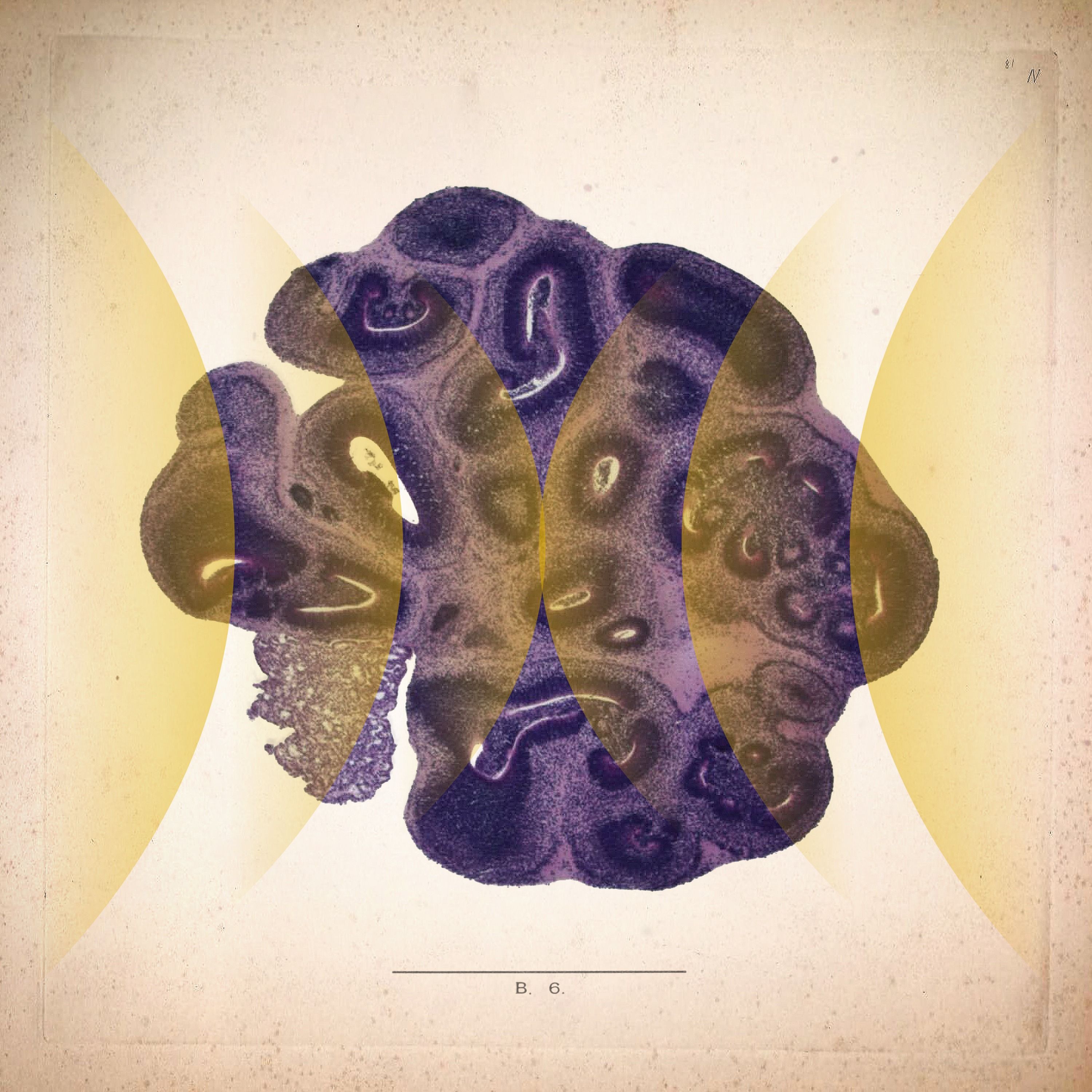
When neuroscientist Madeline Lancaster was a brand new postdoc, she accidentally used an expired protein gel in a lab experiment and noticed something weird. The stem cells she was trying to grow in a dish were self-assembling. The result? Madeline was the first person ever to grow what she called a “cerebral organoid,” a tiny, 3D version of a human brain the size of a peppercorn. In about a decade, these mini human brain balls were everywhere. They were revealing bombshell secrets about how our brains develop in the womb, helping treat advanced cancer patients, being implanted into animals, even playing the video game Pong. But what they? Are these brain balls capable of sensing, feeling, learning, being? Are they tiny, trapped humans? And if they were, how would we know? EPISODE CREDITS: Reported by - Latif Nasser with help from - Mona Madgavkar Produced by - Annie McEwen, Mona Madgavkar, and Pat Walters with mixing help from - Jeremy Bloom Fact-checking by - Natalie Middleton and Rebecca Rand and Edited by - Alex Neason and Pat Walters EPISODE CITATIONS: VIDEOS - __ __ ARTICLES - __ __ BOOKS - Carl Zimmer https://carlzimmer.com/books/lifes-edge/(https://carlzimmer.com/books/lifes-edge/) https://radiolab.org/newsletter http://members.radiolab.org http://instagram.com/radiolab http://twitter.com/radiolab http://facebook.com/radiolab
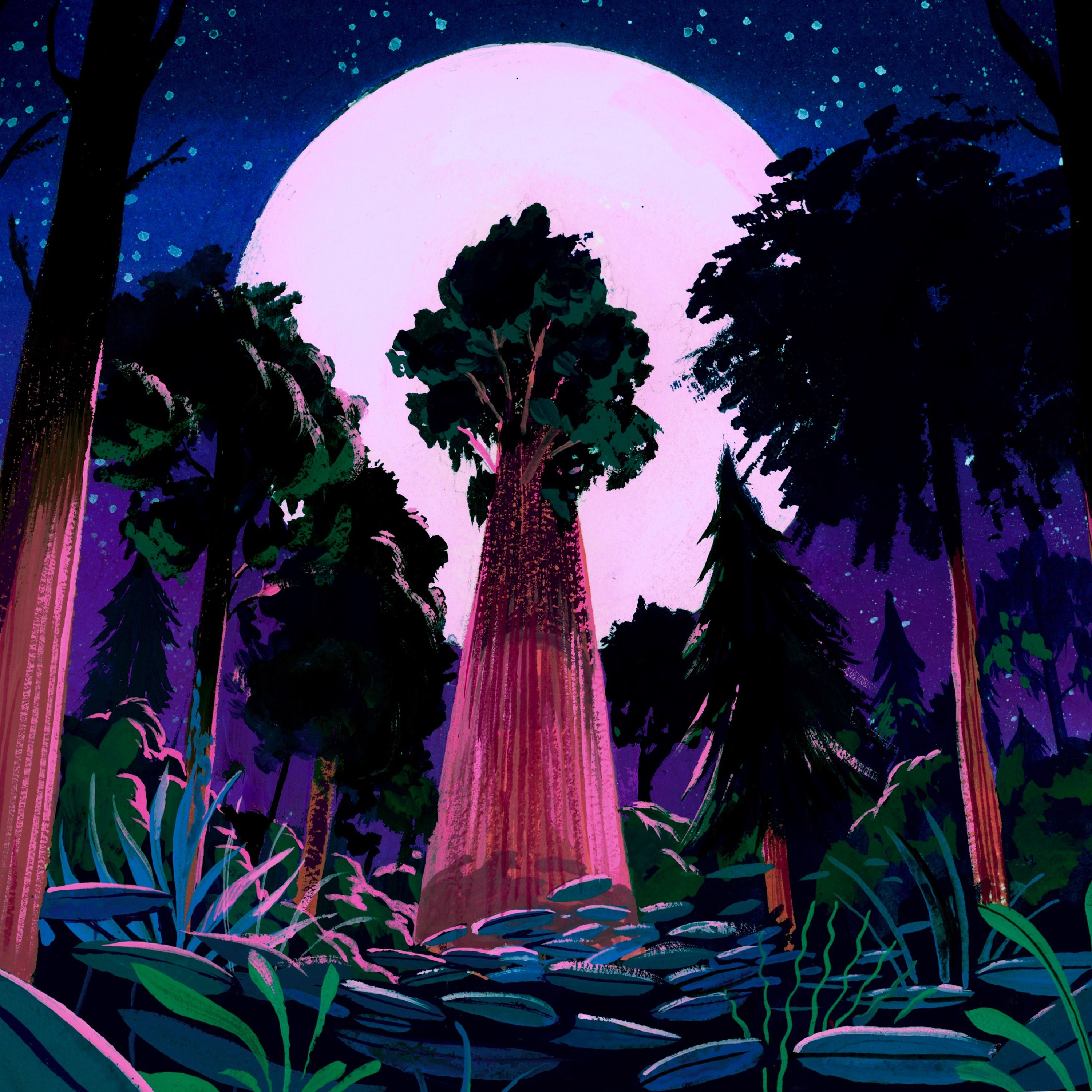
In 1971, a red-headed, tree-loving astronaut named Stu ‘Smokey’ Roosa was asked to take something to the moon with him. Of all things, he chose to take a canister of 500 tree seeds. After orbiting the moon 34 times, the seeds made it back to Earth. NASA decided to plant the seeds all across the country and then… everyone forgot about them. Until one day, a third grader from Indiana stumbled on a tree with a strange plaque: "Moon Tree." This discovery set off a cascading search for all the trees that visited the moon across the United States. Science writer, and our very own factchecker, Natalie Middleton ( https://www.nataliemiddleton.org/https://www.nataliemiddleton.org/) tells us the tale. Read Lulu’s remembrance of Alice Wong for Transom.org http://transom.org: 13 questions I’ll never get to ask Alice Wong https://transom.org/2025/13-questions-ill-never-get-to-ask-alice-wong/ (https://transom.org/2025/13-questions-ill-never-get-to-ask-alice-wong/). Check out Natalie’s map to find your nearest moon tree on our show page https://radiolab.org/podcast/the-travelers-how-moon-trees-hide-among-us (https://radiolab.org/podcast/the-travelers-how-moon-trees-hide-among-us)! Help us hunt for more moon trees. If you know of an undocumented moon tree, contact Natalie at nataliemiddleton.org http://nataliemiddleton.org. Check out Natalie’s essay on Moon Trees https://orionmagazine.org/article/moon-tree/ (https://orionmagazine.org/article/moon-tree/) and Space Zinnias https://orionmagazine.org/article/astronaut-scott-kelly-flower-experiment-space/ (https://orionmagazine.org/article/astronaut-scott-kelly-flower-experiment-space/) in Orion Magazine https://orionmagazine.org/ (https://orionmagazine.org/). Visit NASA’s official Moon Tree Page https://science.nasa.gov/resource/apollo-moon-trees/ (https://science.nasa.gov/resource/apollo-moon-trees/) for a list of all the Apollo 14 Moon Trees in the world. To learn more about Stu Roosa or to learn more about acquiring your own half Moon Tree, check out the Moon Tree Foundation https://www.moontreefoundation.com/ (https://www.moontreefoundation.com/), spearheaded by Stu’s daughter, Rosemary Roosa. A reminder that Terrestrials also makes original music! You can find ‘Tangled in the Roots’ and all other music from the show here https://www.wnycstudios.org/podcasts/radiolab-kids/just-the-songs(https://www.wnycstudios.org/podcasts/radiolab-kids/just-the-songs). EPISODE CREDITS: was created by Lulu Miller with WNYC Studios. This episode was produced by Tanya Chawla and sound-designed by Joe Plourde. Our Executive Producer is Sarah Sandbach. Our team includes Alan Goffinski, Ana González and Mira Burt-Wintonick. Fact checking was by Diane Kelly. Special thanks to Sumanth Prabhaker from Orion magazine, retired NASA Scientist Dr. Dave Williams, Joan Goble, Tre Corely and NASA scientist Dr. Marie Henderson. Our advisors for this show were Ana Luz Porzecanski, Nicole Depalma, Liza Demby and Carly Ciarrocchi. Support for also comes from the Simons Foundation, the Arthur Vining Davis Foundations, and the John Templeton Foundation. https://radiolab.org/newsletter http://members.radiolab.org http://instagram.com/radiolab http://twitter.com/radiolab http://facebook.com/radiolab
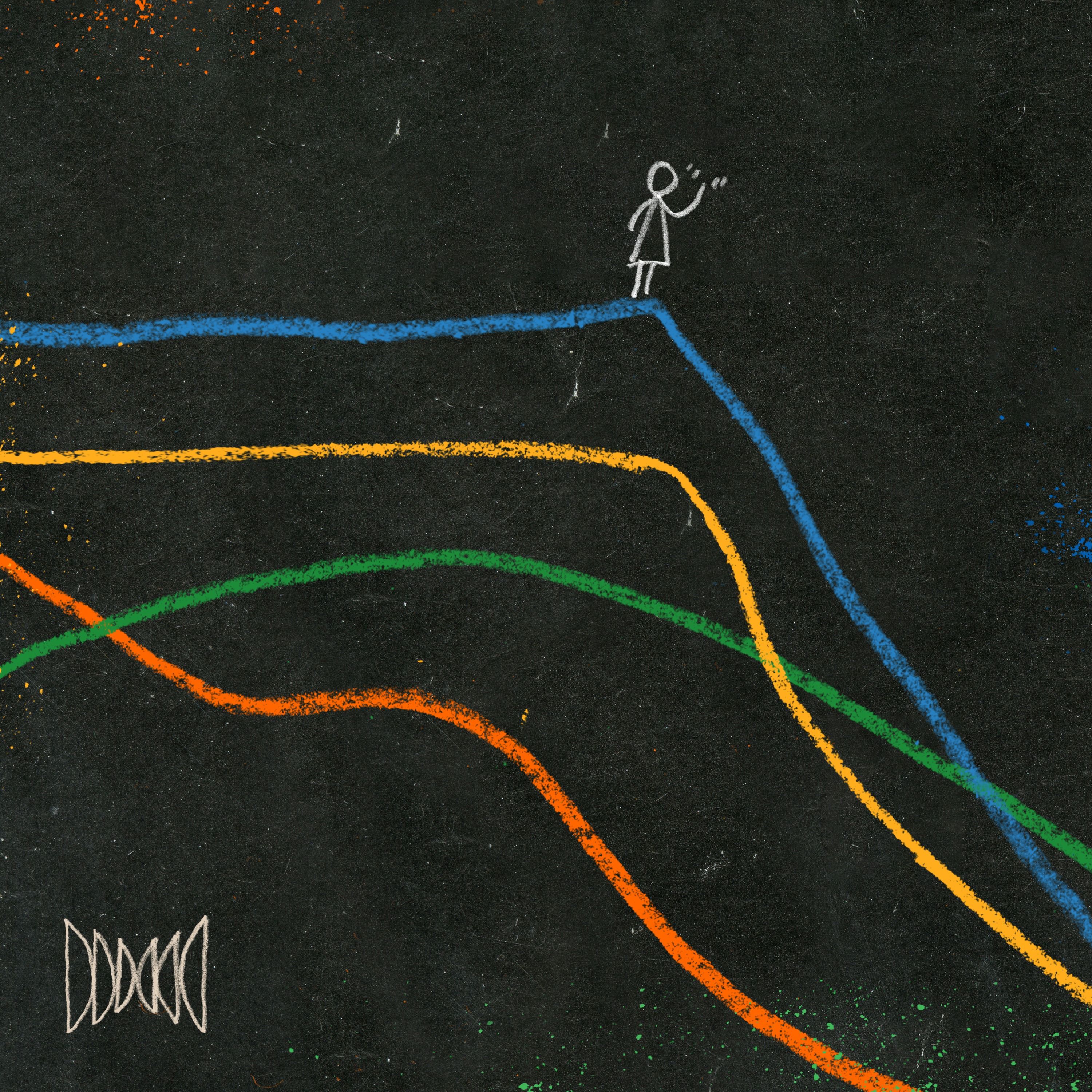
As she -- and her friends — approached the age of 35, senior correspondent Molly Webster kept hearing a phrase over and over: “fertility cliff.” It was a short-hand term to describe what she was told would happen to her fertility after she turned 35 — that is, it would drop off. Suddenly, sharply, dramatically. And this was well before she was supposed to hit menopause. Intrigued, Molly decided to look into it — what was the truth behind this so-called cliff, and when, if so, would she topple? https://radiolab.org/series/radiolab-presents-gonads/ https://radiolab.org/series/radiolab-presents-gonads LINK TO GRAPHS: https://internal.wnyc.org/admin/cms/image/249243/ EPISODE CREDITS: Reported by - Molly Webster Produced by - Arianne Wack Fact-checking by - Diane A. Kelly EPISODE CITATIONS: Audio: __ __ VIDEOS: “Radiolab Presents: Thirty Something” https://youtu.be/LOJVAaSwags?si=czCBraHf1JEqmAQi Research Articles: __ __ __ FURTHER READING: https://www.bu.edu/articles/2014/predicting-fertility/, (https://zpr.io/YEdfiYT29rUh): Magazine article on Lauren Wise’s research, https://radiolab.org/newsletter http://members.radiolab.org http://instagram.com/radiolab http://twitter.com/radiolab http://facebook.com/radiolab

The standard view of evolution is that living things are shaped by cold-hearted competition. And there is no doubt that today's plants and animals carry the genetic legacy of ancestors who fought fiercely to survive and reproduce. But in this hour that we first broadcast back in 2010, we wonder whether there might also be a logic behind sharing, niceness, kindness ... or even, self-sacrifice. Is altruism an aberration, or just an elaborate guise for sneaky self-interest? Do we really live in a selfish, dog-eat-dog world? Or has evolution carved out a hidden code that rewards genuine cooperation? https://radiolab.org/newsletter http://members.radiolab.org http://instagram.com/radiolab http://twitter.com/radiolab http://facebook.com/radiolab
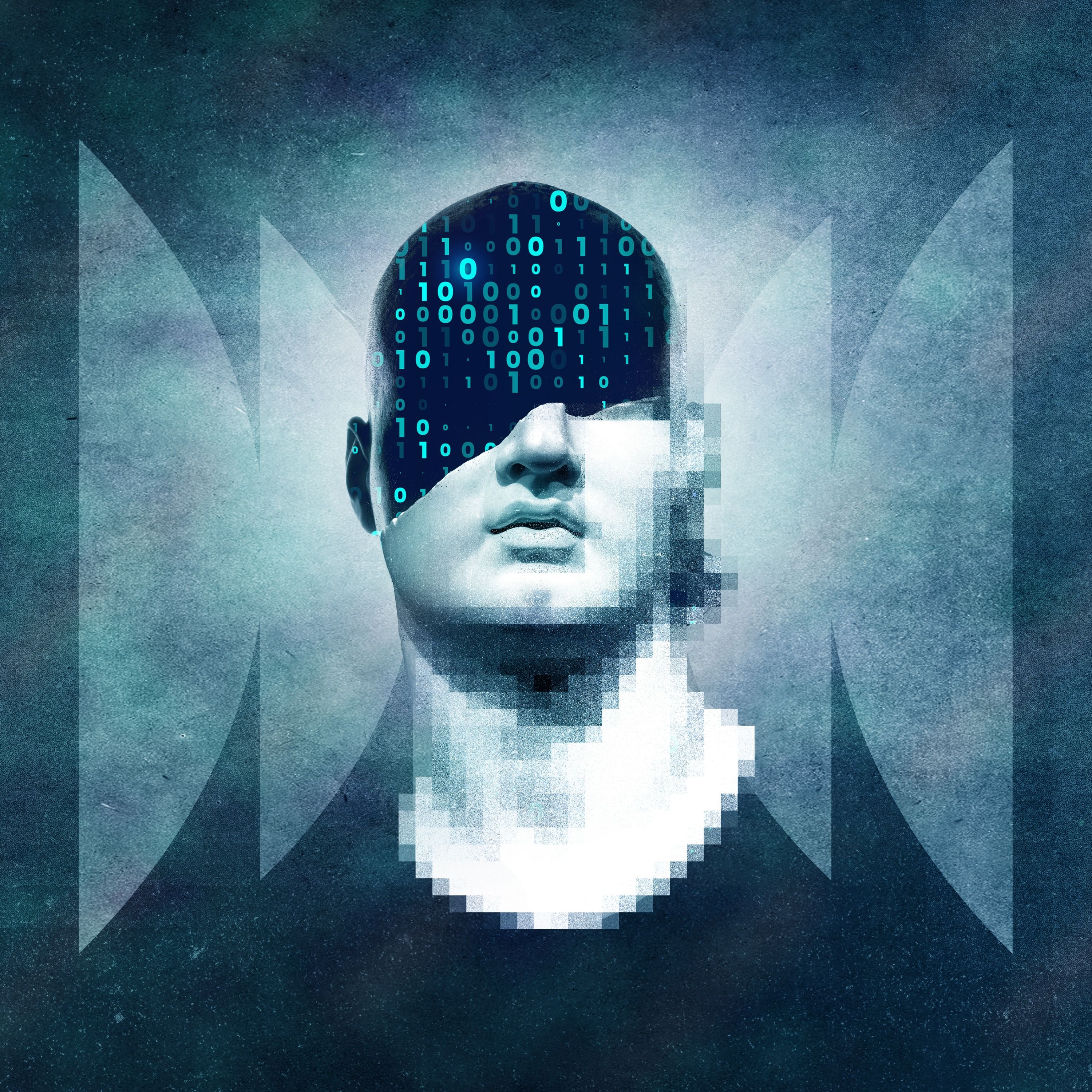
It’s faster than a speeding bullet. It’s smarter than a polymath genius. It’s everywhere but it’s invisible. It’s artificial intelligence. But what actually is it? Today we ask this simple question and explore why it’s so damn hard to answer. EPISODE CREDITS: Reported by - Simon Adler Produced by - Simon Adler Original music from - Simon Adler Sound design contributed by - Simon Adler Fact-checking by - Anna Pujol-Mazzini https://radiolab.org/newsletter http://members.radiolab.org http://instagram.com/radiolab http://twitter.com/radiolab http://facebook.com/radiolab
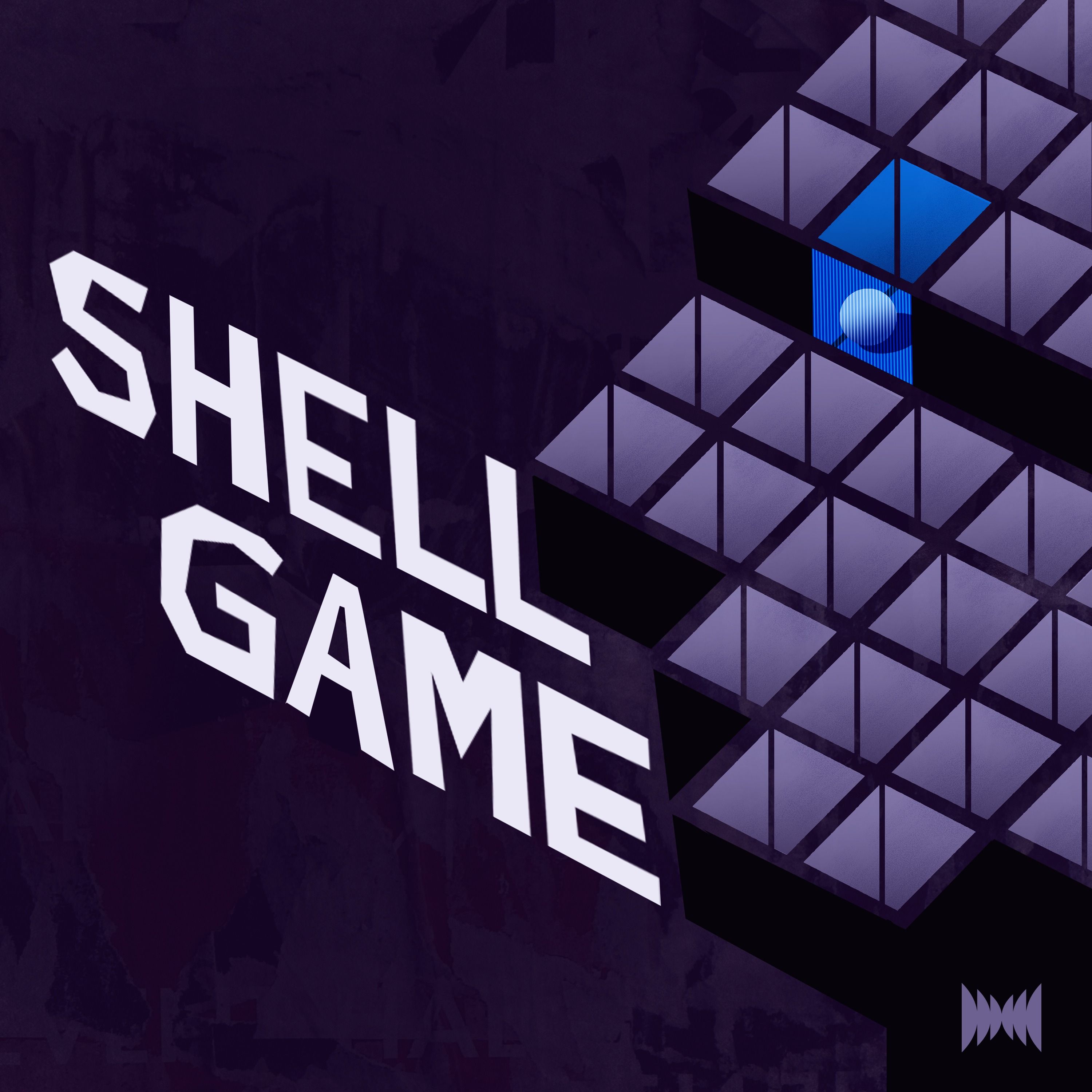
A year ago we brought you a show called Shell Game where a journalist named Evan Ratliff made an AI copy of himself. Now on season 2 of the show, Evan’s using AI to do more than just mimic himself — he’s starting a company staffed entirely by AI agents, and making a podcast about the experience. The show is a smart, funny, and truly bizarre look at what AI can do—and what it can’t. This week we bring you the first episode of Shell Game Season Two, Minimum Viable Company. You can sign up to get the rest of the Shell Game ad-free, and the Shell Game newsletter, at shellgame.co http://shellgame.co . EPISODE CREDITS: SHELL GAME Hosted by Evan Ratliff, Produced and edited by Sophie Bridges. Shell Game’s Technical Advisor Matty Bohacek Executive Produced by Samantha Henig, Kate Osborn and Mangesh Hattikudur at Kaleidoscope and Katrina Norvell at IHeart Podcasts. RADIOLAB PORTIONS Hosted by Simon Adler Produced by Mona Madgavkar. https://radiolab.org/newsletter http://members.radiolab.org http://instagram.com/radiolab http://twitter.com/radiolab http://facebook.com/radiolab
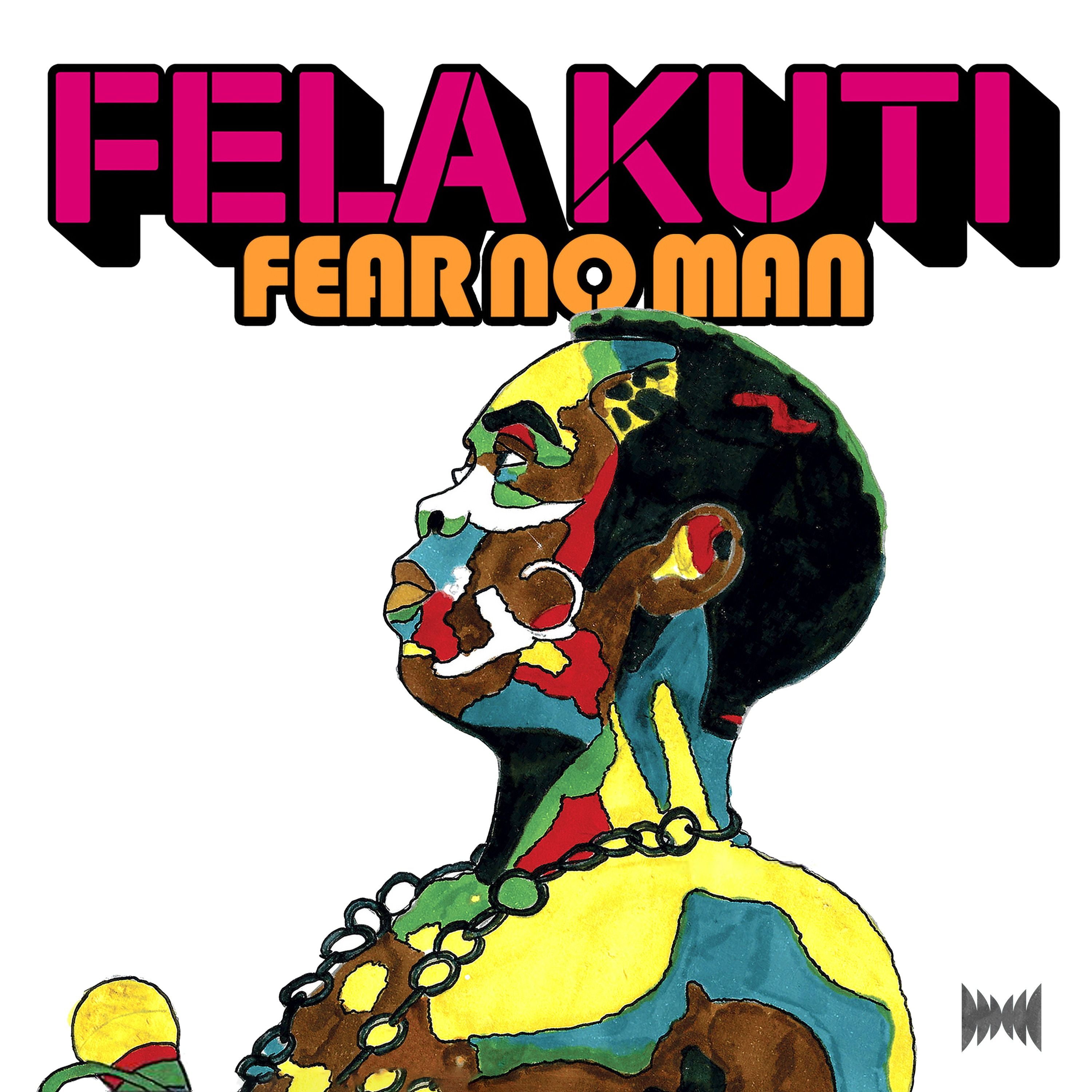
Our original host Jad Abumrad returns to share a new podcast series he’s just released. It’s all about Fela Kuti, a Nigerian musician who created a genre, then a movement, then tried to use his hypnotic beats to topple a military dictatorship. Jad tells us about the series and why he made it, and we play the episode that, for us at least, gets to the heart of the matter: How exactly does his music work? What actually happens to the people who hear it and how does it move them to action? You can find Jad’s entire nine-part series, Fela Kuti: Fear No Man, on Apple or Spotify, or wherever you get your podcasts. EPISODE CREDITS: Reported by - Jad Abumrad Radiolab portions produced by - Sindhu Gnanasambandan https://radiolab.org/newsletter http://members.radiolab.org http://instagram.com/radiolab http://twitter.com/radiolab http://facebook.com/radiolab
Today on the show, we’re bringing you an episode from https://link.podtrac.com/v7mx144d (https://link.podtrac.com/v7mx144d), a new podcast series where cellist Yo-Yo Ma and host Ana González travel around the United States to meet people, make music and better understand how culture binds us to nature. The series features a few familiar voices, including Ana González (host) and Alan Goffinski (producer), from our kids podcast, https://link.podtrac.com/vysacqn1 (https://link.podtrac.com/vysacqn1). ABOUT THE EPISODE: West Virginia is defined by its beauty and its coal, two things that can work against each other. Yo-Yo Ma felt this as soon as stepped foot in its hills.This episode explores how music and poetry help process the emotions of a community besieged with disaster and held together by pride and duty. We travel down the Coal River with third-generation coal miner Chris Saunders, who tells us how coal has saved and threatened his life. Poet Crystal Good shares her poetry, which channels her rage and love. And musician and granddaughter of West Virginia coal miners, Kathy Mattea, explains the beauty of belting out your home state in a chorus. The end of the episode finds host Ana floating down the New River with help from a group of high schoolers and Yo-Yo Ma. Listen to the full series https://link.podtrac.com/v7mx144d (https://link.podtrac.com/v7mx144d). Featuring music by EPISODE CREDITS: Radiolab Bits Produced - Anisa Vietze (Radiolab bits) https://radiolab.org/newsletter http://members.radiolab.org http://instagram.com/radiolab http://twitter.com/radiolab http://facebook.com/radiolab

Qasem Waleed is a 28-year-old physicist who has lived in Gaza his whole life. In 2024, he joined a chorus of Palestinians sharing videos and pictures and writing about the chaos and violence they were living through, as Israel’s military bombardment devastated their lives. But Qasem was trying to describe his reality through the lens of the most notoriously confusing and inscrutable field of science ever, quantum mechanics. We talked to him, from a cafe near the Al-Mawasi section of Gaza, to find out why. And over the course of several conversations, he told us how this reality-breaking corner of science has helped him survive. And how such unspeakable violence actually let him understand, in a visceral way, quantum mechanics’ most counter-intuitive ideas. EPISODE CREDITS: Reported by - Lulu Miller Produced by - Jessica Yung with mixing help from - Jeremy Bloom Fact-checking by - Emily Kreiger and Edited by - Alex Neason EPISODE CITATIONS: Videos - __ __ Articles - Read a selection of Qasem’s published essays about his life in Gaza and the quantum world: __ __ https://radiolab.org/newsletter http://members.radiolab.org http://instagram.com/radiolab http://twitter.com/radiolab http://facebook.com/radiolab

When we think of China today, we think of a technological superpower. From Huawei and 5G to TikTok and viral social media, China is stride for stride with the United States in the world of computing. However, China’s technological renaissance almost didn’t happen. And for one very basic reason: the Chinese language, with its 70,000 plus characters, couldn’t fit on a keyboard. Today, we tell the story of Professor Wang Yongmin, a hard-headed computer programmer who solved this puzzle and laid the foundation for the China we know today. http://www.antiquetypewriters.com/ EPISODE CREDITS: Reported by - Simon Adler Produced by - Simon Adler https://radiolab.org/newsletter http://members.radiolab.org http://instagram.com/radiolab http://twitter.com/radiolab http://facebook.com/radiolab
A call to oceanographer Edie Widder about a fish with a very odd immune system quickly becomes something else: a dive into the deep sea, into a world of brilliant light. But down there, the light doesn’t behave like light -- it sparkles and glows, but also drips, squirts, and dribbles. Today, find out how creatures make the light and how they use it, from hunting and hiding to maybe even … talking. And hear about a series of mysterious moments where Edie goes from studying the creatures to becoming one of them. EPISODE CREDITS: Hosted by - Molly Webster Reported by - Molly Webster Produced by - Maria Paz Gutierrez with help from - Molly Webster Fact-checking by - Diane A. Kelly EPISODE CITATIONS: DOCUMENTARY - Coming soon, there’ll be a new doc about Edie’s life and work studying bioluminescence in deep sea creatures. According to Edie, “A Life Illuminated https://www.sandboxfilms.org/films/a-life-illuminated/”, contains some of the best deep sea bioluminescence footage ever recorded. It’s from our friends at Sandbox Films, and director Tasha Van Zandt. https://www.sandboxfilms.org/films/a-life-illuminated/ BOOKS - Edie Widder wrote a memoir! Go read, “Below the Edge of Darkness: A Memoir of Exploring Light and Life in the Deep Sea”.https://www.penguinrandomhouse.com/books/564185/below-the-edge-of-darkness-by-edith-widder-phd/ VIDEOS - It’s not in the episode, but a few years back, Edie’s fame reached new heights when she captured footage of a never-before-seen Giant Squid https://www.youtube.com/watch?v=krDdv9KLmuM … here’s the story, and video. https://www.youtube.com/watch?v=krDdv9KLmuM ARTICLES - A look at some glowing shrimps. https://zpr.io/3jyHWi7VFBw5 A photo gallery of different types of deep sea glow, from different types of deep sea creatures, including one of counterillumination, which Edie talks about in the episode. https://zpr.io/hdFFsArGjhau https://radiolab.org/newsletter http://members.radiolab.org http://instagram.com/radiolab http://twitter.com/radiolab http://facebook.com/radiolab
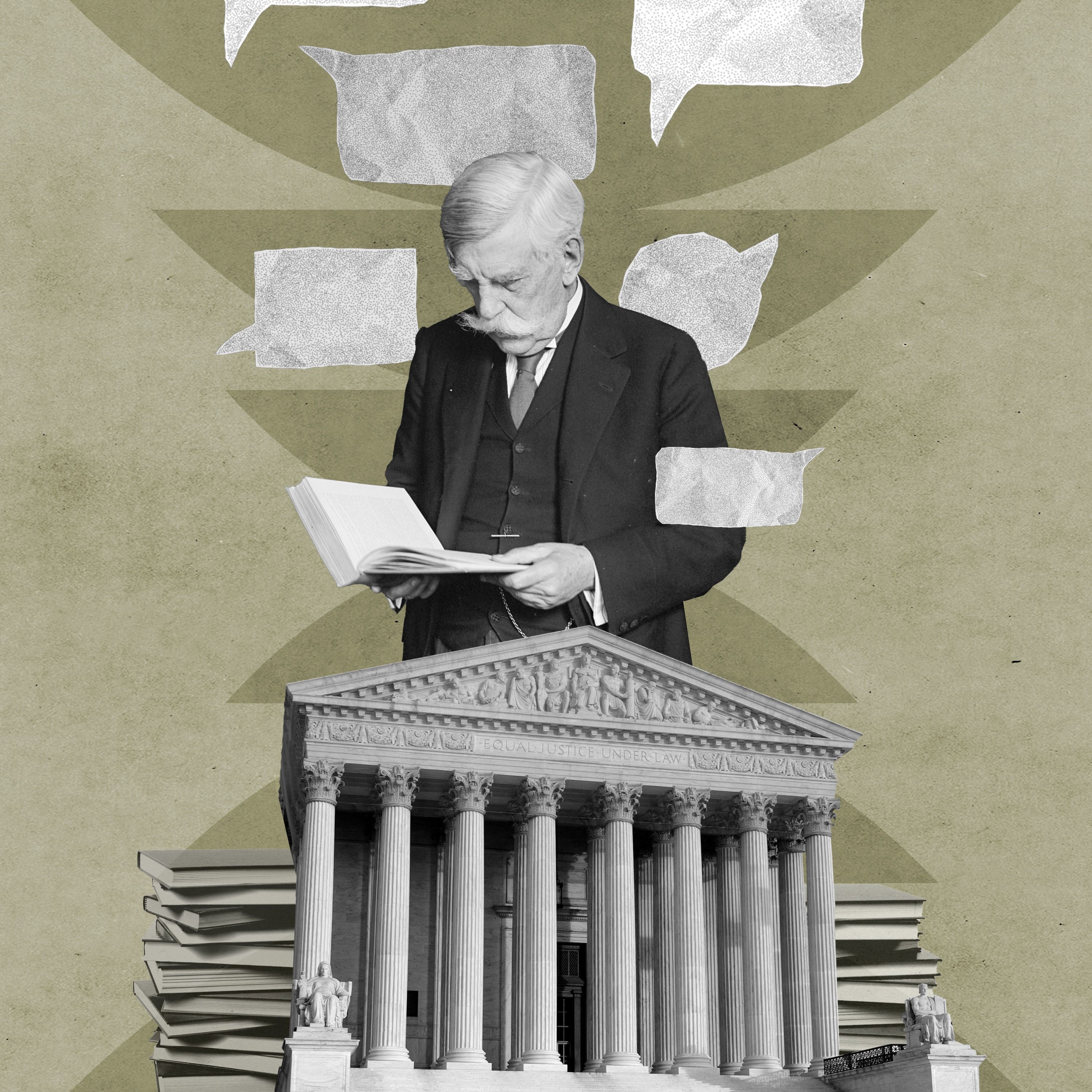
Love it or hate it, the freedom to say obnoxious and subversive things is the quintessence of what makes America America. But our say-almost-anything approach to free speech is actually relatively recent, and you can trace it back to one guy: a Supreme Court justice named Oliver Wendell Holmes. Even weirder, you can trace it back to one seemingly ordinary eight-month period in Holmes’s life when he seems to have done a logical U-turn on what should be say-able. Why he changed his mind during those eight months is one of the greatest mysteries in the history of the Supreme Court. (Spoiler: the answer involves anarchists, a house of truth, and a cry for help from a dear friend.) Join us in an episode we originally released in 2021, as we investigate why he changed his mind, how that made the country change its mind, and whether it’s now time to change our minds again. LATERAL CUTS: https://radiolab.org/podcast/content-warning https://radiolab.org/podcast/facebooks-supreme-court https://radiolab.org/podcast/trust-engineers EPISODE CREDITS: Reported by - Latif Nasser Produced by - Sarah Qari with help from - Anisa Vietze https://radiolab.org/newsletter http://members.radiolab.org http://instagram.com/radiolab http://twitter.com/radiolab http://facebook.com/radiolab
Over the past five years TikTtok has radically changed the online world. But trust us when we say, it’s not how you’d expect. Today we continue our yearslong exploration of what you can and can’t post online. We look at how Facebook’s approach to free speech has evolved since Trump’s victory. How TikTtok upended everything we see. And what all this means for the future of our political and digital lives. EPISODE CREDITS: Reported by - Simon Adler Produced by - Simon Adler Original music from - Simon Adler with mixing help from - Jeremy Bloome Fact-checking by - Anna Pujol-Mazzini Lateral Cuts: https://radiolab.org/podcast/trust-engineers https://radiolab.org/podcast/facebooks-supreme-court https://radiolab.org/newsletter http://members.radiolab.org http://instagram.com/radiolab http://twitter.com/radiolab http://facebook.com/radiolab
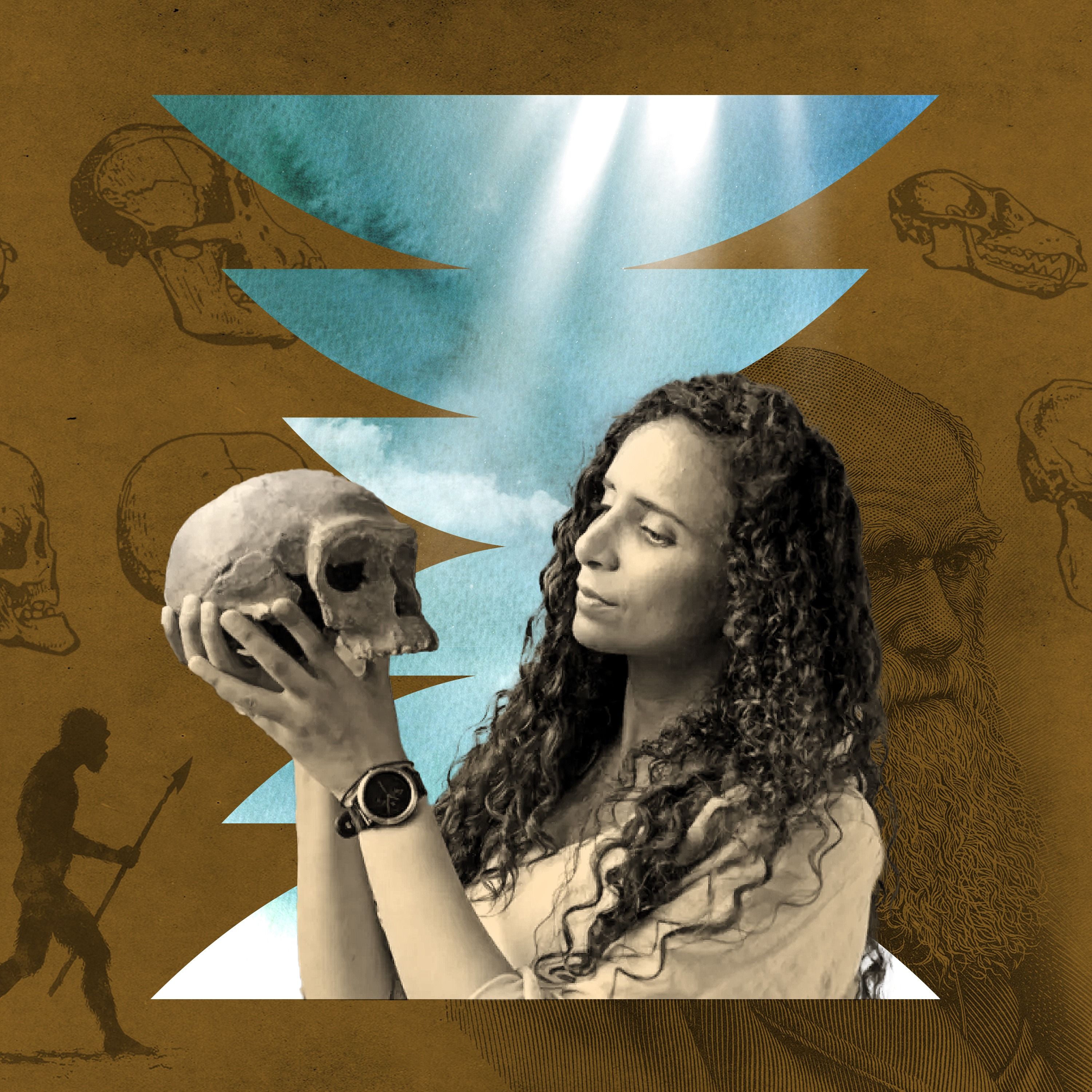
Ella al-Shamahi is one part Charles Darwin, one part Indiana Jones. She braves war zones and pirate-infested waters to collect fossils from prehistoric caves, fossils that help us understand the origin of our species. Her recent hit BBC / PBS series follows her around the globe trying to piece together the unlikely story of how early humans conquered the world. But Ella’s own origins as an evolutionary biologist are equally unlikely. She sits down with us and tells us a story she has rarely shared publicly, about how she came to believe in evolution, and how much that belief cost her. EPISODE CREDITS: Reported by - Latif Nasser Produced by - Jessica Yung and Pat Walters with help from - Sarah Qari Fact-checking by - Diane Kelly and Edited by - Pat Walters EPISODE CITATIONS: Videos - “” https://www.bbcearth.com/shows/human (https://www.bbcearth.com/shows/human), Ella’s show on the BBC and PBS https://radiolab.org/newsletter http://members.radiolab.org http://instagram.com/radiolab http://twitter.com/radiolab http://facebook.com/radiolab
This is the story of a three-year-old girl and the highest court in the land. The Supreme Court case is a legal battle that has entangled a biological father, a heart-broken couple, and the tragic history of Native American children taken from their families. We originally released this story back in 2013, when that girl’s fate was still in the balance of various legal decisions. We thought now was a good time to bring the story back, because the Act at the center of the story is still being questioned. When then-producer Tim Howard http://www.radiolab.org/people/tim-howard/ first read about this case, it struck him as a sad but seemingly straightforward custody dispute. But, as he started talking to lawyers and historians and the families involved in the case, it became clear that it was much more than that. Because challenges parts of the 1978 Indian Child Welfare Act, this case puts one little girl at the center of a storm of legal intricacies, Native American tribal culture, and heart-wrenching personal stakes. LATERAL CUTS: What Up Holmes? https://radiolab.org/podcast/what-holmes The Gatekeeper https://radiolab.org/podcast/gatekeeper EPISODE CREDITS: Reported by - Tim Howard Produced by - Tim Howard EPISODE CITATIONS (SO MANY): BACKGROUND AND REPORTING FROM A RANGE OF DIFFERENT PERSPECTIVES __ __ ANALYSIS AND EDITORIALS __ __ CONTEMPORARY, HISTORIC, AND LEGAL SOURCE MATERIALS __ __ https://radiolab.org/newsletter https://radiolab.org/newsletter http://members.radiolab.org https://members.radiolab.org/ http://instagram.com/radiolab http://twitter.com/radiolab http://facebook.com/radiolab

Over the course of millions of years, human voices have evolved to hold startling power. These clouds of vibrating air carry crucial information about who we are–and we rely on them to push ourselves up and out into the physical world. This week, we’re on a journey to understand how we got our unique sonic fingerprint, the power it affords us, and what happens when it’s taken away. EPISODE CREDITS: Reported by -Annie McEwen and Matt Kielty Produced by - Annie McEwen and Matt Kielty Original music and sound design contributed by - Jeremy Bloom and Matt Kielty with mixing help from - Jeremy Bloom Fact-checking by - Anna Pujol-Mazzini and Edited by - Alex Neason EPISODE CITATIONS: BOOKS - __ __ WEBSITES - __ __ https://radiolab.org/newsletter http://members.radiolab.org http://instagram.com/radiolab http://twitter.com/radiolab http://facebook.com/radiolab
In the 1920s, a Russian biologist studying onion roots made a surprising discovery: underground, down in the darkness, it seemed like the cells inside the onion roots were making their own … light. The “onion root experiment” went on to become something of a cult classic in science, and eventually the biologically-made light was dubbed “biophotons.” In the ensuing century, biophoton discoveries moved from onion roots to bacteria, frog embryos, and humans. Today, scientist Nirosha Murugan is on a career-defining journey to learn more about the light. As she and her colleagues study this mysterious phenomenon, they find themselves racing from question to question, wondering what gives off light, where it might be coming from, and what, if anything, it could tell us about life, disease, and even death. EPISODE CREDITS: Hosted by - Molly Webster Reported by - Molly Webster Produced by - Sarah Qari with help from - Molly Webster Fact-checking by - Natalie Middleton EPISODE CITATIONS: Videos - The “Life Flash https://www.youtube.com/watch?v=b9tmOyrIlYM” video! Note that fluorescent dye was added to the experiment, by the researchers, to enhance the zinc sparks (https://www.youtube.com/watch?v=b9tmOyrIlYM) ARTICLES - The Onion Root Experiment https://www.brmi.online/gurwitsch (https://www.brmi.online/gurwitsch) Enjoy this Wikipedia rabbit-hole about Fritz Albert Popp https://en.wikipedia.org/wiki/Fritz-Albert_Popp (https://zpr.io/nxJFcAMvZkBz) Original Paper on zinc sparks https://pmc.ncbi.nlm.nih.gov/articles/PMC4845039/ (https://zpr.io/GfbazBqU3e3y) at the time of fertilization, a moment referred to as the “life flash” Read more about the “death flash,” https://www.sciencedirect.com/science/article/abs/pii/S0167494309002593#:~:text=Results,ELEs%20are%20not%20uncommon%20occurrences (https://zpr.io/TqG3mcCGYEgQ) and other end-of-life phenomenon, as reported by medical caregivers Research from Nirosha’s lab on photon emissions https://www.cell.com/iscience/fulltext/S2589-0042(25)00279-2 (https://zpr.io/mtpbwSeY4iEp) and brain activity Research from Nirosha’s lab on biophoton emission https://pmc.ncbi.nlm.nih.gov/articles/PMC7226102/ (https://zpr.io/3in9LSmzW6m5) and cancer diagnosis https://radiolab.org/newsletter http://members.radiolab.org http://instagram.com/radiolab http://twitter.com/radiolab http://facebook.com/radiolab
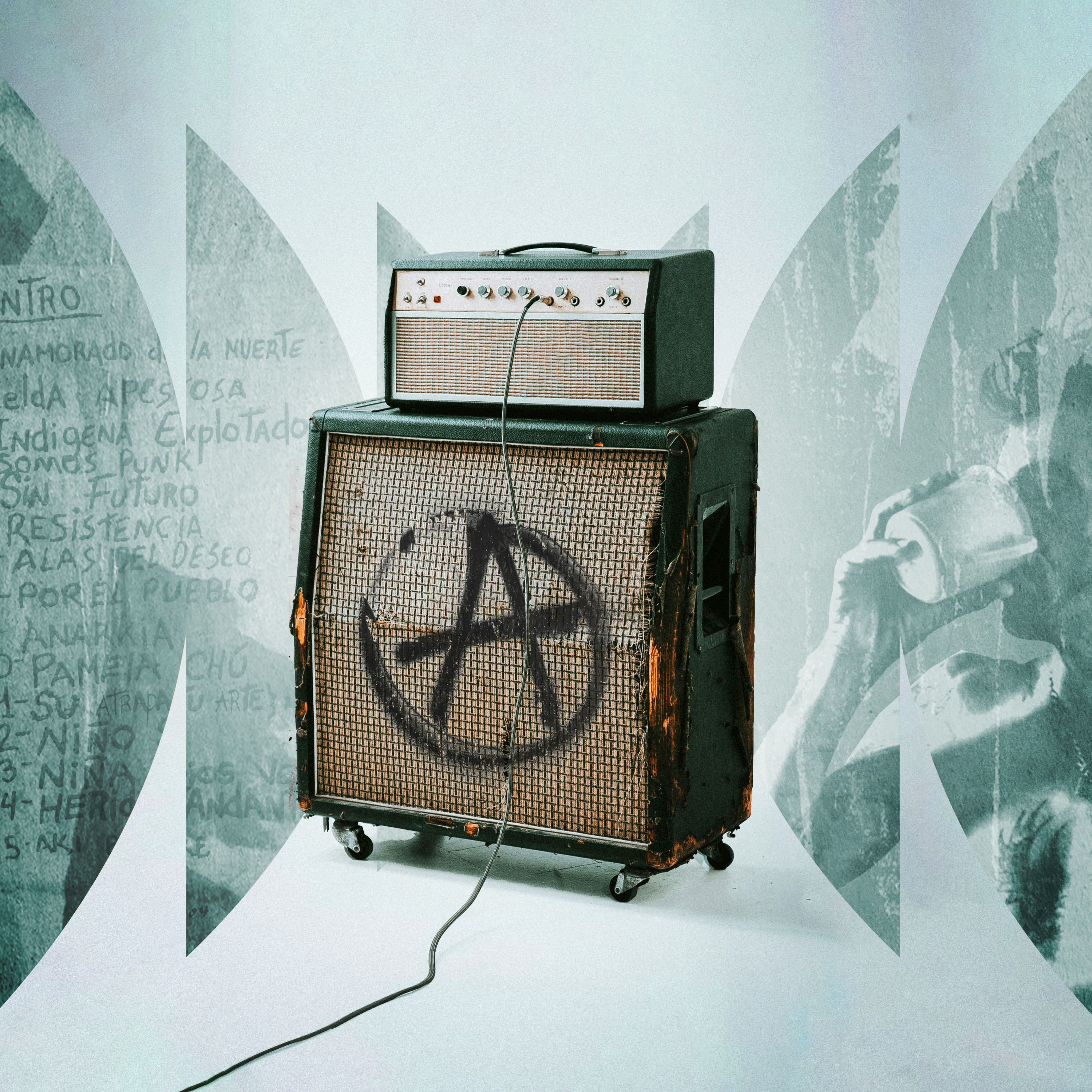
How a group of 80’s Cuban misfits found rock-and-roll and created a revolution within a revolution, going into exile without ever leaving home. Reporter Luis Trelles brings us the story of punk rock’s arrival in Cuba and a small band of outsiders who sentenced themselves to death and set themselves free. We originally released this episode back in 2015 in a collaboration with Radio Ambulante, but the story is so fascinating (and, in many ways, still relevant) that we haven’t stopped thinking about it. Radio Ambulante launches their 15th season on September 30th!! Check it out, here!! https://radioambulante.org/en (https://radioambulante.org/en) EPISODE CITATIONS: Find some of Radio Ambulante’s other stories about the Frikis here - The Survivors https://zpr.io/Kh8KWWi6SqaF (https://zpr.io/Kh8KWWi6SqaF) When Havana was Friki https://radioambulante.org/en/audio-en/when-havana-was-friki-2 (https://zpr.io/HrXsgibzvbJj) https://radiolab.org/newsletter http://members.radiolab.org http://instagram.com/radiolab http://twitter.com/radiolab http://facebook.com/radiolab
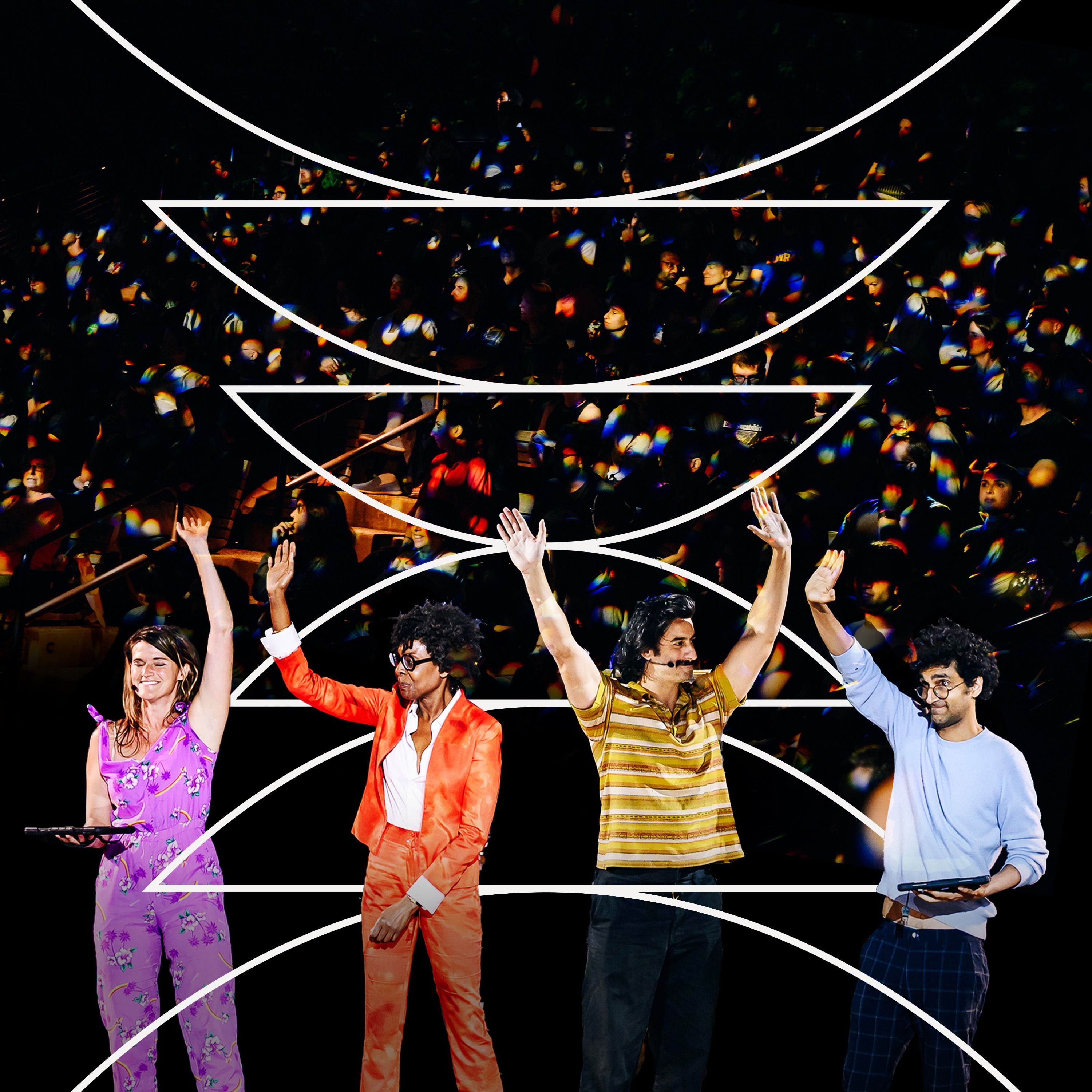
In August we performed a live taping of the show from a theater perched on the edge of Manhattan, overlooking the Hudson River, overshadowed by the wide open night sky. Three stories about voids. One about a fish that screams into the night – and the mystery of its counterpart that doesn’t. Another about a group of women who gazed at the night sky and taught us just how vast the universe is. And a third about a man who talk to aliens – and the people who tell him he’s putting human civilization at risk by doing so. Finally, we turn back to Earth with the help of a reading from Samantha Harvey’s hit novel https://bookshop.org/p/books/orbital/19729720 (https://zpr.io/RNi4sY2JVKxK) performed by the artist, actor and podcast host Helga Davis https://www.wqxr.org/people/helga-davis/ (https://zpr.io/TKGuzzDFnVjN). What does it mean to stand on the edge of a void, and what happens when you scream into it, or choose not to? https://mitpress.mit.edu/9780262049382/attention-is-discovery/ (https://zpr.io/j7ZYKX8wSCYL). EPISODE CREDITS: Reported by - Lulu Miller, Matt Kielty and Latif Nasser Produced by - Pat Walters and Matt Kielty with help from - Jessica Yung, Maria Paz Gutierrez and Rebecca Rand Original music from - Mantra Percussion Sound design contributed by - Matt Kielty and Jeremy Bloom with mixing help from - Jeremy Bloom Fact-checking by - Diane Kelly and Natalie Middleton and Edited by - Pat Walters EPISODE CITATIONS: BOOKS - https://mitpress.mit.edu/9780262049382/attention-is-discovery/ (https://zpr.io/j7ZYKX8wSCYL) by Anna von Mertens https://radiolab.org/newsletter http://members.radiolab.org http://instagram.com/radiolab http://twitter.com/radiolab http://facebook.com/radiolab
With this episode, we’re putting on our music hat. For a program that relies so much on scoring and sound, it’s not often we talk about the musicians and the music they make that inspire us. Today, that changes. Today, we bring you two stories. Each about musicians that our former host and creator of Radiolab, Jad Abumrad, loves. We originally released these stories many years ago, and both start deep in music itself. Then quickly, they dig deeper — into our relationships with technology, and ourselves. We start with the band Dawn of Midi, who straddle the intersection between acoustic and electronic sounds. Jad talks to the band about their album, Dysnomia, and how it's filled with heavily-layered rhythms that feel both mechanistic and deeply human, at the same time. Then, Jad talks with Juana Molina, an Argentine singer who accidentally became a famous actress, when all along all she really wanted was to be a musician. EPISODE CREDITS: Reported by - JAD ABUMRAD EPISODE CITATIONS: http://dawnofmidi.com http://juanamolina.com https://radiolab.org/newsletter http://members.radiolab.org http://instagram.com/radiolab http://twitter.com/radiolab http://facebook.com/radiolab
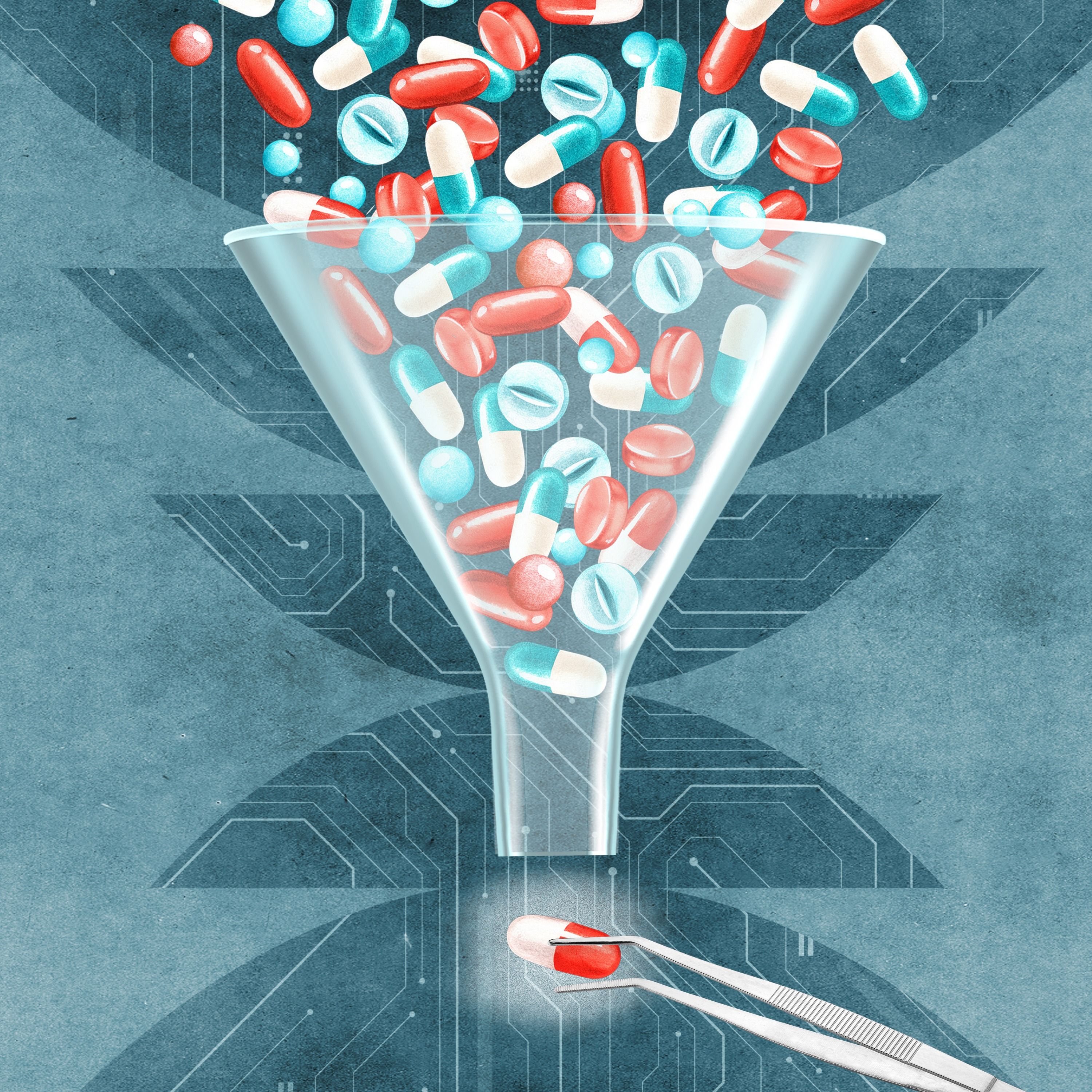
As he finished his medical residency exam, David Fajgenbaum felt off. He walked down to the ER and checked himself in. Soon he was in the ICU with multiple organ failure. The only drug for his condition didn’t work. He had months to live, if that. If he was going to survive, he was going to have to find his own cure. Miraculously, he pulled it off in the nick of time. From that ordeal, he realized that our system of discovering and approving drugs is far from perfect, and that he might be able to use AI to find dozens, hundreds, even thousands of cures, hidden in plain sight, for as-yet untreatable diseases. EPISODE CREDITS: Reported by - Latif Nasser Produced by - Maria Paz Gutiérrez with mixing help from - Jeremy S. Bloom Fact-checking by - Natalie A. Middleton EPISODE CITATIONS: BOOKS - Blair Bigham, https://store.walrusmagazine.com/products/death-interrupted RADIOLAB | LATERAL CUTS: Check out https://radiolab.org/podcast/death-interrupted(https://radiolab.org/podcast/death-interrupted), a conversation with Blair Bigham about a worldview shifting change of heart. https://radiolab.org/podcast/dirty-drug-and-ice-cream-tub(https://radiolab.org/podcast/dirty-drug-and-ice-cream-tub) to hear the crazy story about how Rapamycin was discovered. https://radiolab.org/newsletter http://members.radiolab.org http://instagram.com/radiolab http://twitter.com/radiolab http://facebook.com/radiolab
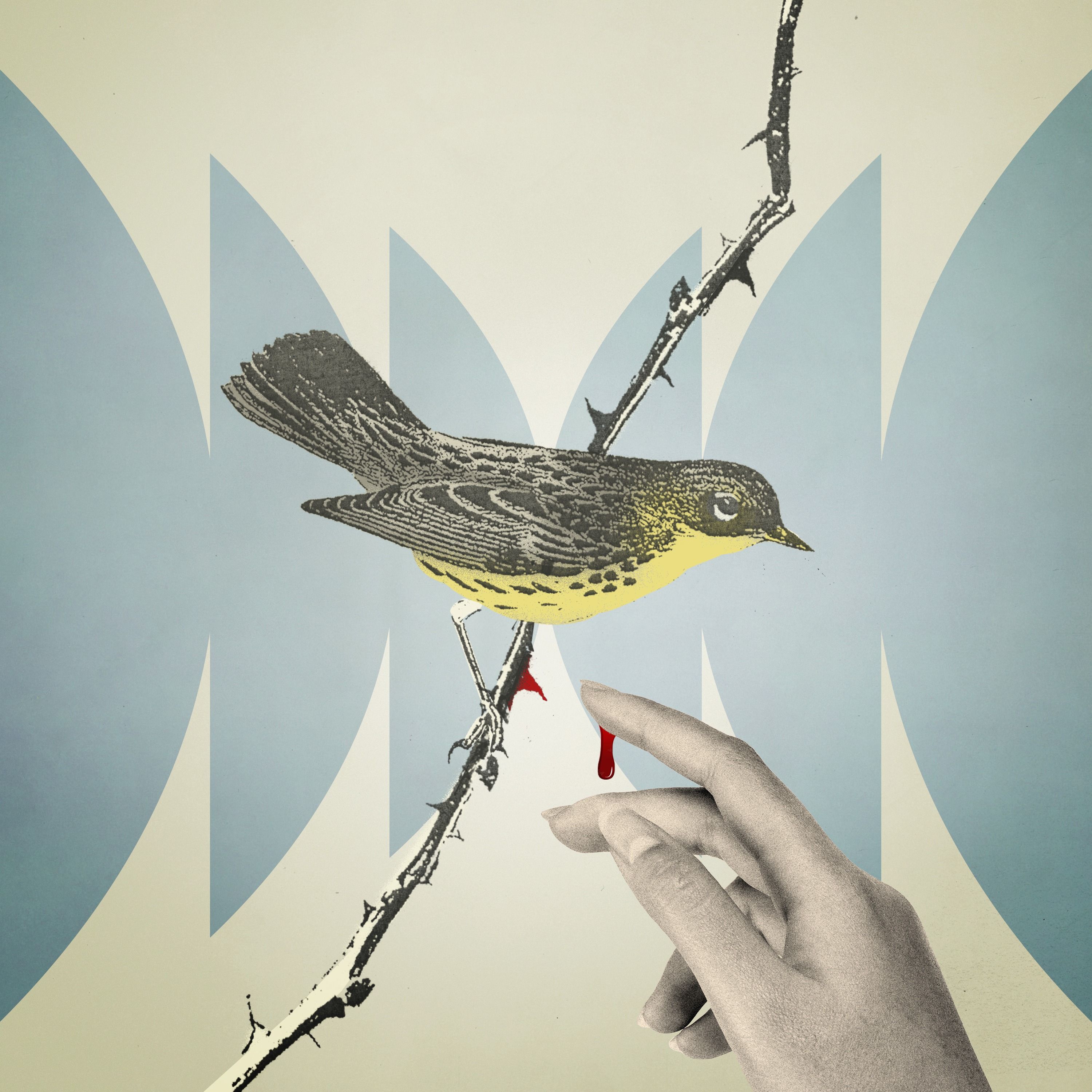
In an episode first released in 2010, then-producer Lulu Miller drives to Michigan to track down the endangered Kirtland’s warbler. Efforts to protect the bird have lead to the killing of cowbirds (a species that commandeers warbler nests), and a prescribed burn aimed at creating a new habitat. Tragically, this burn led to the death of a 29-year-old wildlife technician who was dedicated to warbler restoration. Forest Service employee Rita Halbeisen, local Michiganders skeptical of the resources put toward protecting the warbler, and the family of James Swiderski (the man killed in the fire), weigh in on how far we should go to protect one species. EPISODE CREDITS: Reported by - Lulu Miller https://radiolab.org/newsletter http://members.radiolab.org http://instagram.com/radiolab http://twitter.com/radiolab http://facebook.com/radiolab
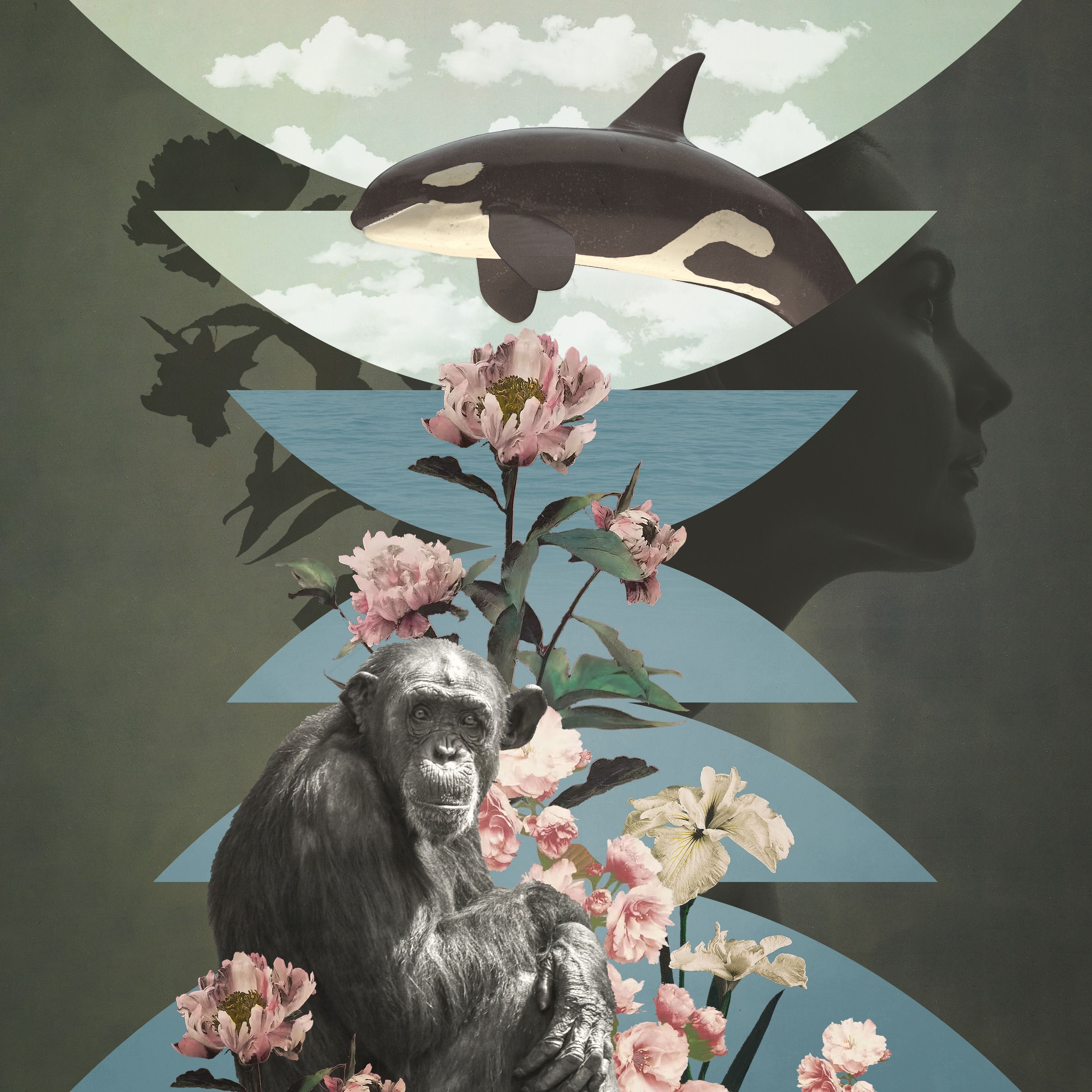
Until recently, scientists assumed humans were the only species in which females went through menopause, and lived a substantial part of their lives after they were no longer able to reproduce. And they had no idea why that happens, and why evolution wouldn’t push females to keep reproducing right up to the end of their lives. But after a close look at some whale poop, and a deep dive into chimp life, we find several new ways of thinking about menopause and the real purpose of this all too often overlooked second act of life. EPISODE CREDITS: Reported by - Heather Radke and Becca Bressler Produced by - Sarah Qari and Becca Bressler Fact-checking by - Emily Krieger and Edited by - Becca Bressler EPISODE CITATIONS: Books - Check out everything Heather Radke writes, including , cause it’s all that good, here: Heather Radke http://www.heatherradke.com (www.heatherradke.com http://www.heatherradke.com). Find any one of Lucy Cooke’s book, including , here: Lucy Cooke http://www.lucycooke.tv/ (http://www.lucycooke.tv/) And check out everything Caroline Paul has on offer, including ,here: Caroline Paul https://www.carolinepaul.com/ (https://www.carolinepaul.com/) Socials - Heather Radke: https://www.instagram.com/radhradke Lucy Cooke: https://www.instagram.com/luckycooke/ AUDIO: Becca Bressler’s Greatest Hits - Everybody's Got One https://radiolab.org/podcast/e0a4aa47f7ff0df3be085864 The Shark Inside You https://radiolab.org/podcast/the-shark-inside-you Growth https://radiolab.org/podcast/growth Lateral cuts - Butt Stuff https://radiolab.org/podcast/butt-stuff https://radiolab.org/newsletter http://members.radiolab.org http://instagram.com/radiolab http://twitter.com/radiolab http://facebook.com/radiolab
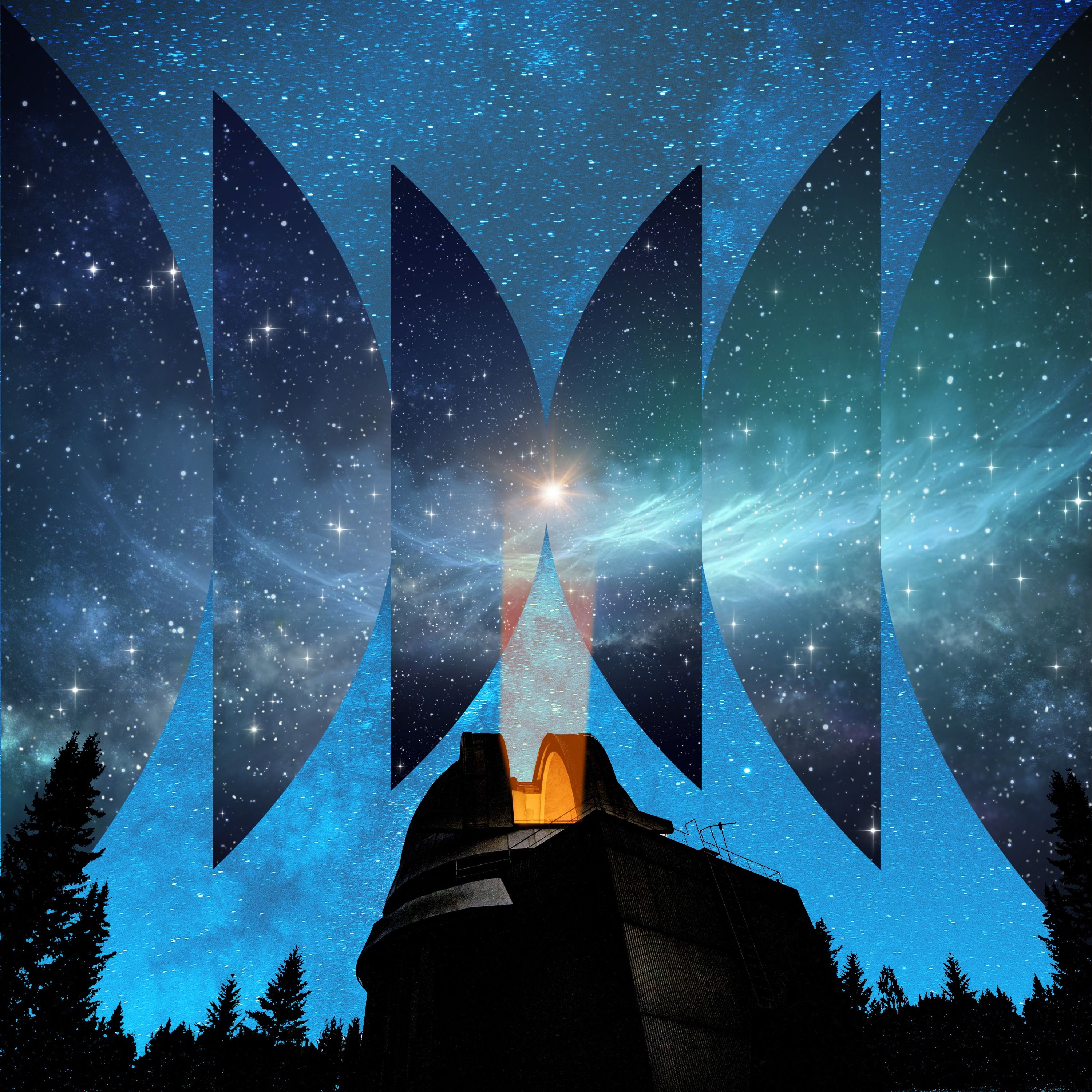
This week: the story of astrophysicist Charity Woodrum. Charity is an extragalactic astronomer who studies the life and death of galaxies, why some galaxies burn bright and others dim and sputter out. And in the midst of an unthinkable grief in her personal life, she discovers something in the sky – a new kind of light that would guide her path forward. Megan Stielstra, Jad Abumrad, Michael Woodrum, Gina Vivona, and Clair Reilly-Roe. EPISODE CREDITS: Reported by - Lulu Miller Produced by - Jessica Yung Fact-checking by - Diane Kelly RADIOLAB | LATERAL UTS: Our episode The Darkest Dark https://radiolab.org/podcast/the-darkest-dark (https://radiolab.org/podcast/the-darkest-dark) could be of interest to those seeking the deepest unknowns. EPISODE CITATIONS: Music - Clair Reilly-Roe’s song “Sky Full of Ghosts https://open.spotify.com/track/6Ny77KUMyKTDEjBsn9Hf5C?si=6715caaa2c864f30” (https://zpr.io/JgauhRnj7qpX) Articles - A new documentary on Charity Woodrum’s story: https://www.spacehopecharityfilm.com/ (https://www.spacehopecharityfilm.com/) https://radiolab.org/newsletter http://members.radiolab.org http://instagram.com/radiolab http://twitter.com/radiolab http://facebook.com/radiolab
