



Generations Community Church


About
Available on








Community
529 episodes
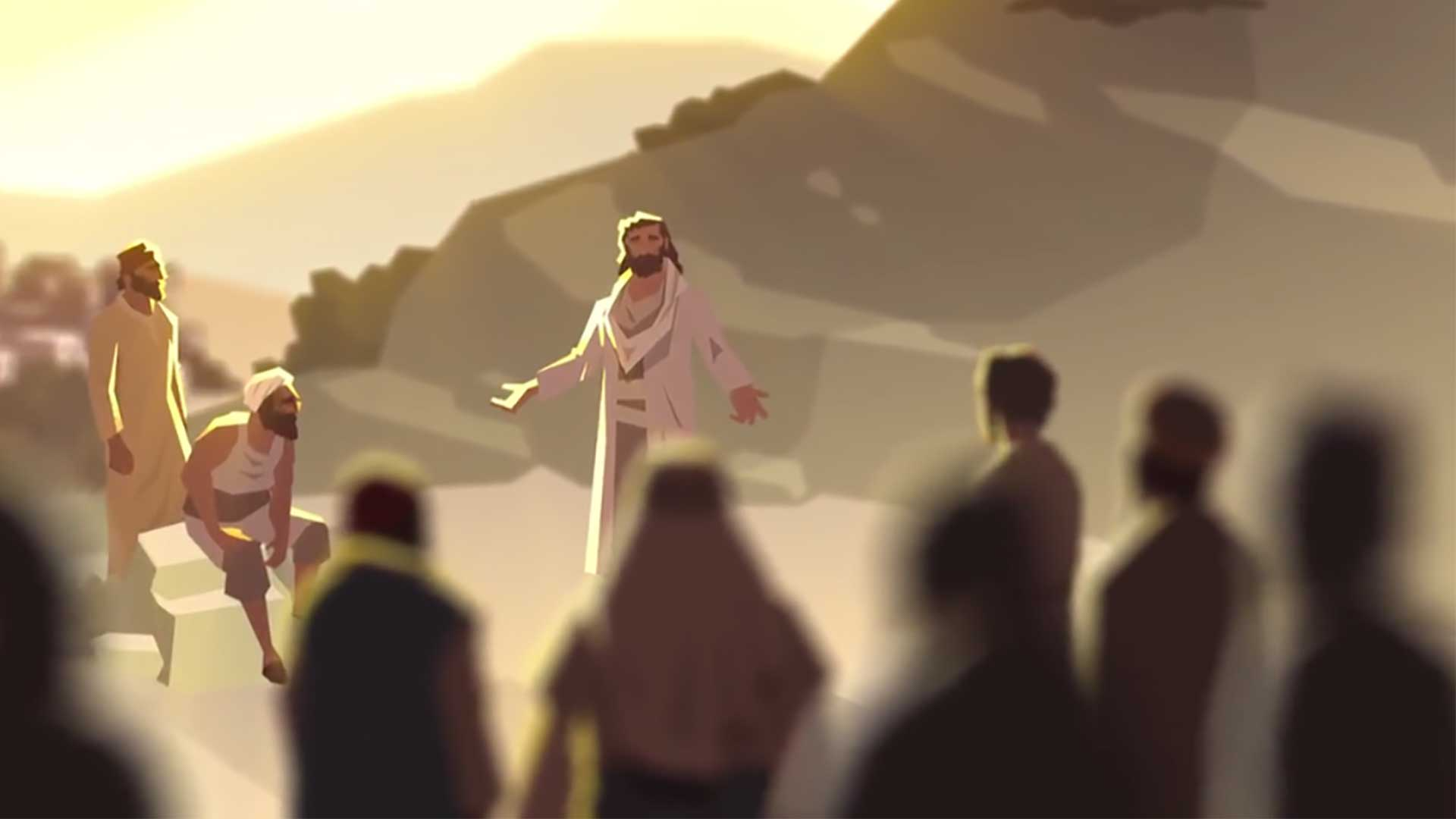
Easters come and Easters go - but what difference does Easter really make? In this message, Brian Hull unpacks the potent symbolism and foreshadowing woven into Jesus's final week in Jerusalem - the week that culminated with his death and resurrection. So what does a sandal, a lamb, a goat, a kernel of wheat, and fruit have to do with Jesus? What do they have to do with us? Is it possible to go to church your entire life and never really "hear the music?"

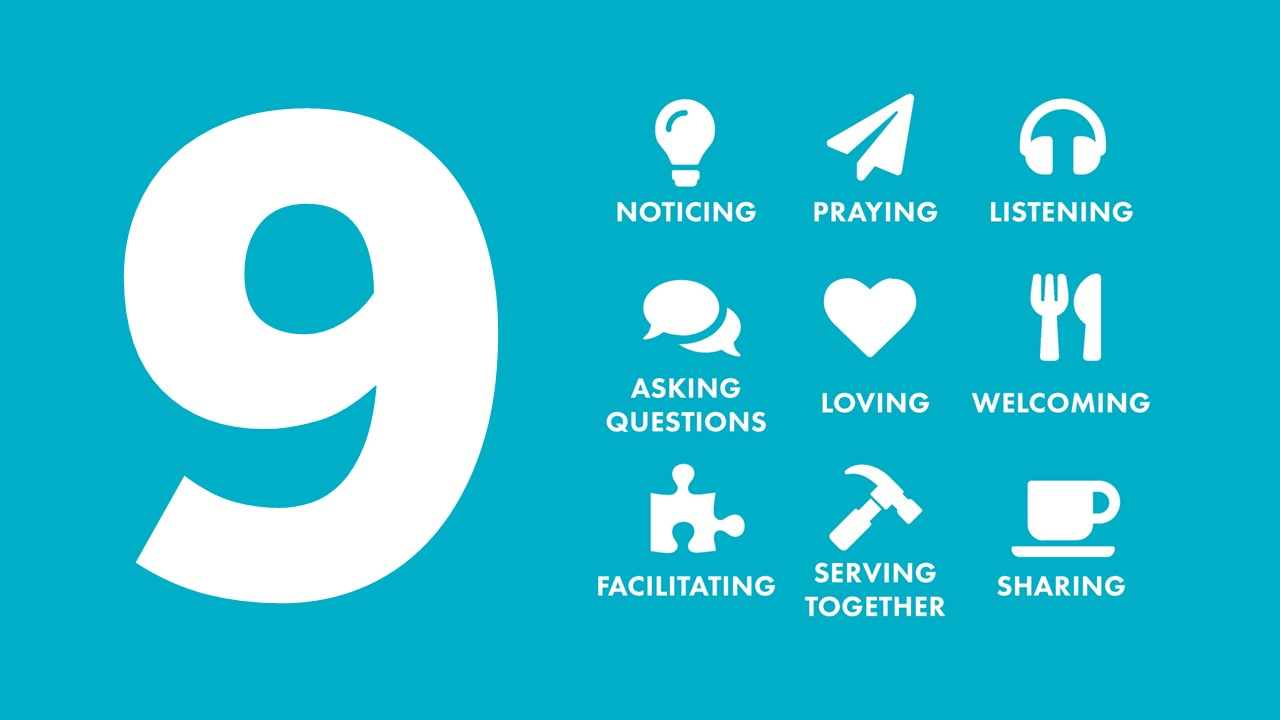
We've all had something so amazing we wanted to share it with people who matter to us. Maybe it's how to digitally clip coupons at Kroger - or how to take a selfie by just holding up your hands with five fingers - but we know what it's like to have or know something so worthwhile we simply can't keep it to ourselves. One of the more amazing stories from Mark's Gospel is Jesus's encounter with the man possessed by a legion of demons - and what happened to that man as a result. In this message, Brian Hull unpacks what it means to share Jesus - because we've encountered him and his goodness in our life - all because we care about other people.
For the longest time, the American church has believed it needed to have the answers and give people "the answers." But what if it doesn't HAVE to be that way? What if church (and "church people") can help others talk about what matters. In this message, Brian Hull outlines some ways we can engage others on the things that matter most. The good news? In doing so, we will be just like Jesus.

We define peace as "proving you care more about each other than winning an argument." And, believe it or not, even people IN churches need to develop this virtue. Today, Josh Lanier shares a real world example of making peace involving a Methodist church and skateboarders.
Have you ever had a friend or family member you disagreed with in a significant way? What was that like? Did one of you have to win in order for the relationship to work? In this message, Brian Hull unpacks the story of the Good Samaritan and how we see a third way in which we can be a good neighbor to others and welcome others, even when we may not always see eye to eye. Are we willing to see people for who God's created them to be? Doing so unlocks the good stuff - the real JOY of God's Kingdom.
If you've been part of Generations Community Church for ANY length of time, you've heard Max Vanderpool (our pastor) preach and teach on LOVE. So what does it REALLY mean to love someone? Today's message features several sections (cut here for brevity) where the congregation was invited to think about and discuss the following questions: (1) What does it mean to really love someone? (2) How can you tell when people are truly loving? (3) What are the traits of churches and families that are built on God's love? (4) When was the last time you were amazed by someone's love for you? Why did it stand out?
Asking the right questions opens doors with people. And being genuinely curious about someone opens the door to a meaningful conversation. We know this about ourselves, and yet, we are often hesitant to ask questions. Why? What hinders us from being curious about others?

There's a subtle difference between being nice and being kind. Being nice usually involves things like speaking softly, pleasing others, minding your manners, smiling all the time (even when you don't feel like it), and going along with what people want. Kindness reflects God's character and sometimes is risky and downright dangerous. Jesus shows us what kindndess looks like - and reveals God's heart toward people.
Much of what takes place in our society is “Here’s why WE are right and YOU are wrong.” People don't need that. People don't need advice. People don't want to be told what they "need to do." People need to be HEARD. In this message, Max Vanderpool makes a case for why listening matters. It matters - because often there’s a question behind the question, the issue behind the issue. And what most people need in not an expert but as friend with open ears.
Many of us can think of someone in our neighborhood, work, school, family, or friend circles who is lost. Someone who really needs to see Jesus for who Jesus really is. But we often jump in and attempt to get them to the finish line (or a point of decision) before we prayerfully assess what's going on. The TRUTH of the matter is God is already at work. As Rick Richardson says, "Before we talk to people about God, we need to talk to God about people."
Every single one of us wants to be noticed, wants to be seen. It's why babies become distressed when a mother's gaze is turned away toward a smartphone or something else. And, despite all the growth that happens in us (from toddlerhood to adulthood), we still want to be noticed and seen. Here's the good news: Jesusa notices people. Jesus sees them. And Jesus wants to use us so that others can feel "seen" by their Heavenly Father.
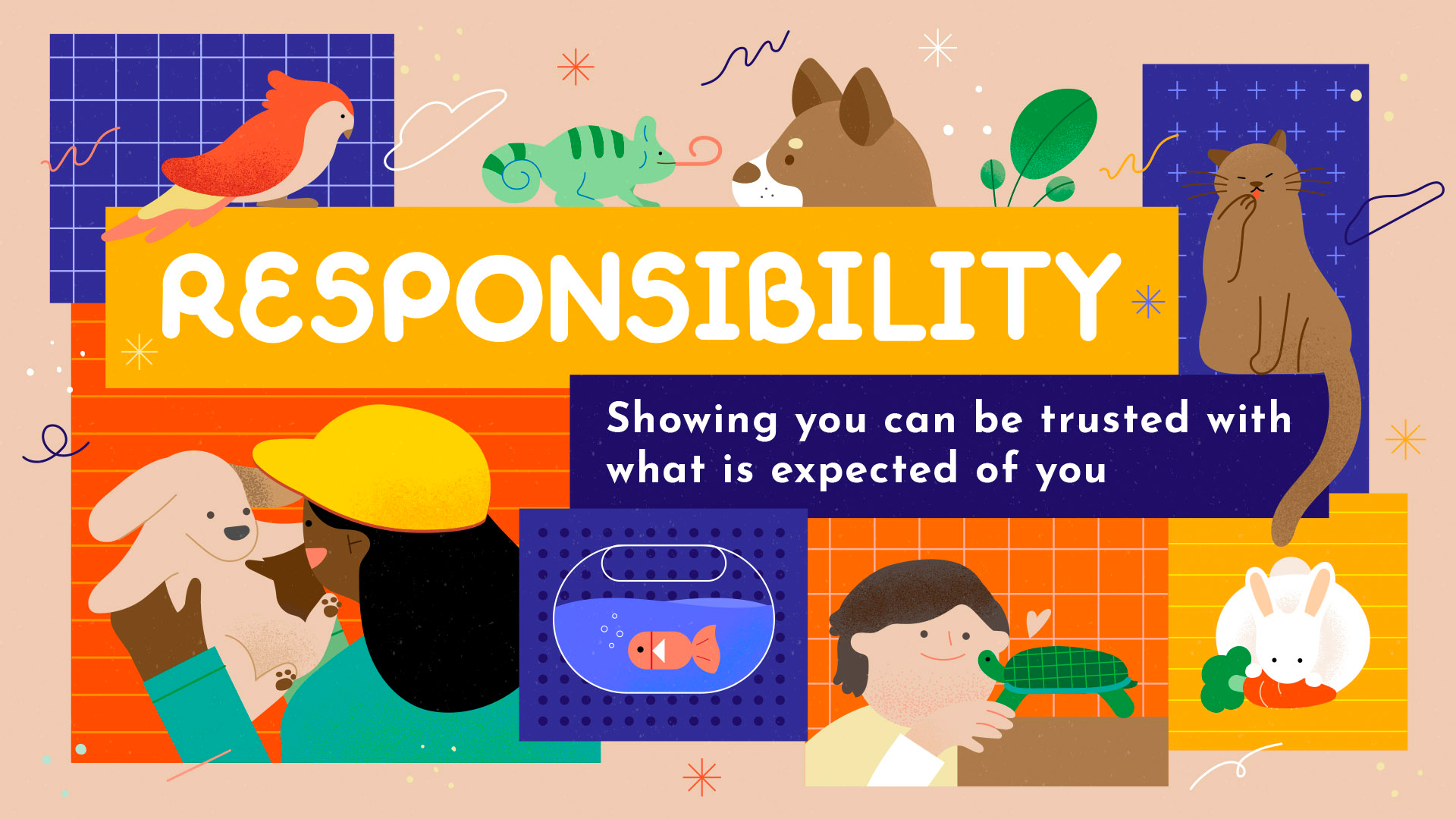
Responsibility - showing you can be trusted with what is expected of you. And the greatest reponsbility we have is the LOVE God and LOVE others.

Generations' first-ever "radio players" put on a Christmas skit that entails going to Grandma's house.
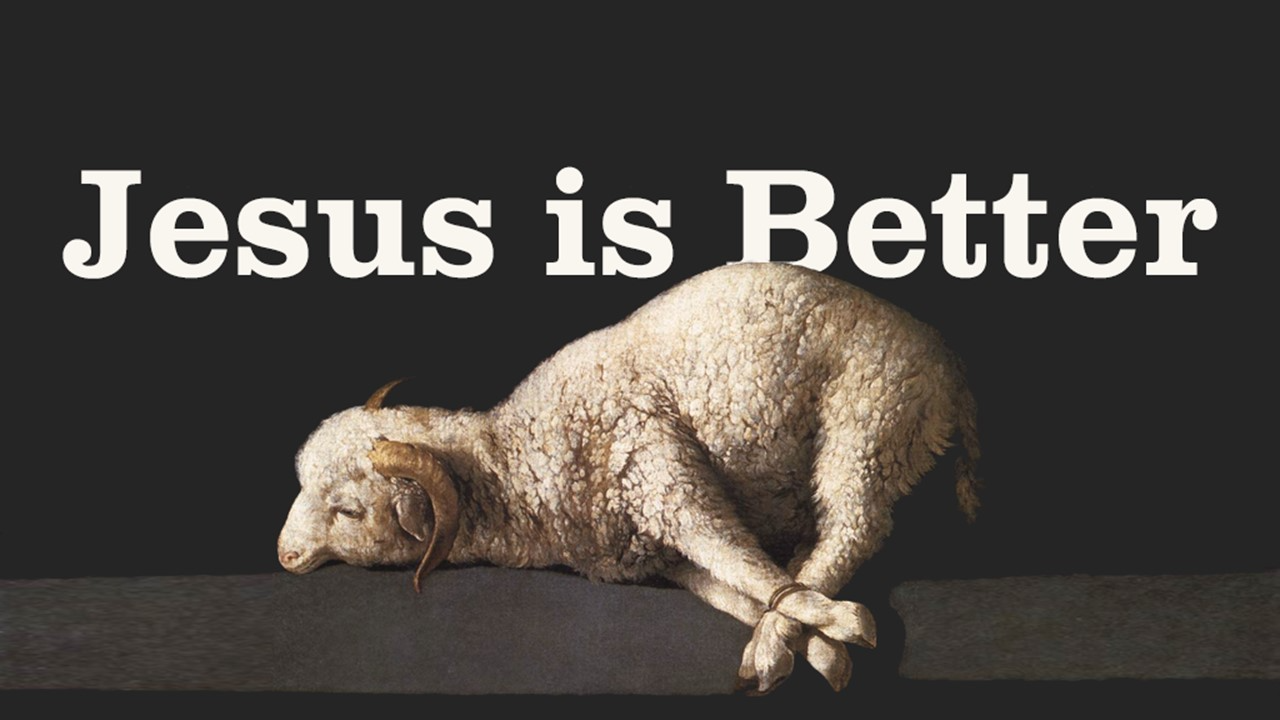
At Christmas, we retell the story. Caesar & Herod, Zechariah & Elizabeth, Mary & Joseph, the angels, the shepherds, the innkeeper, and the wise men. And in these narratives about the birth of Jesus, the Gospel writers are wanting us to know that Jesus is a king. All the kings in the Old Testament point to Jesus. And sometimes, it's okay to admit that you don't know what to do. It's okay to say to God, "I don’t know how you’re going to fix this, solve this, deliver us, provide for us. I just don’t know. But I’m going to pause (right now) and focus on Jesus – I’m going to look to you. YOU alone are my deliverer. YOU alone are my savior." This Christmas, look to Jesus.
Jesus is a prophet, someone who speaks for God. But Jesus is more than just a prophet. He is God. So when Jesus speaks, God is speaking. And all throughout his public ministry, Jesus shows us God’s heart, one that hurts and is MOVED by those who are oppressed, used, taken advantage of, and who have no one to help them. Chances are, you have a lot of voices in your life these days. Jesus is the voice we must listen to. When Jesus speaks, God is speaking to us. Will we hear it?
We have this tendency, precisely because we’re Americans, to cast ourselves in the role of the hero. When we read the story of David and Goliath, we naturally insert ourselves in David's place. WE face a lot of giants, and with God's help, WE can slay them, just like David did. Only that's a lot of pressure. Not to mention the fact that, when it comes to THE story (history), we're NOT the hero. God is. What if David actually points to Jesus? What if Jesus is a better David? A better king? A better shepherd? A better deliverer? What if that's truly good news?
In the Bible, we encounter God's prophets - people who told the truth and who spoke for God by warning and accusing and by testifying to God's goodness. Two different prophets, Isaiah and Micah, spend their ministries warning God's people that destruction is coming (because God's people were rebellious, idolatrous, and acting injustly). But they also spoke of a coming king - one who would bring justice and peace to the nations. And that king is Jesus!

We often forget that Jesus was born in a particular time and place. That's why Luke reminds us of some of those particulars. Things like Caesar Augustus. Rome had a particular way of bringing "peace" to the ancient world - through power and control. Interestingly so some 2,000 years later, many of us try to experience peace using the tools of Rome - power and control. But real peace won't come that way. In this message, Brian Hull unpacks the cultural context of Luke 2 and why the peace that Jesus offers is so radically different - and better.
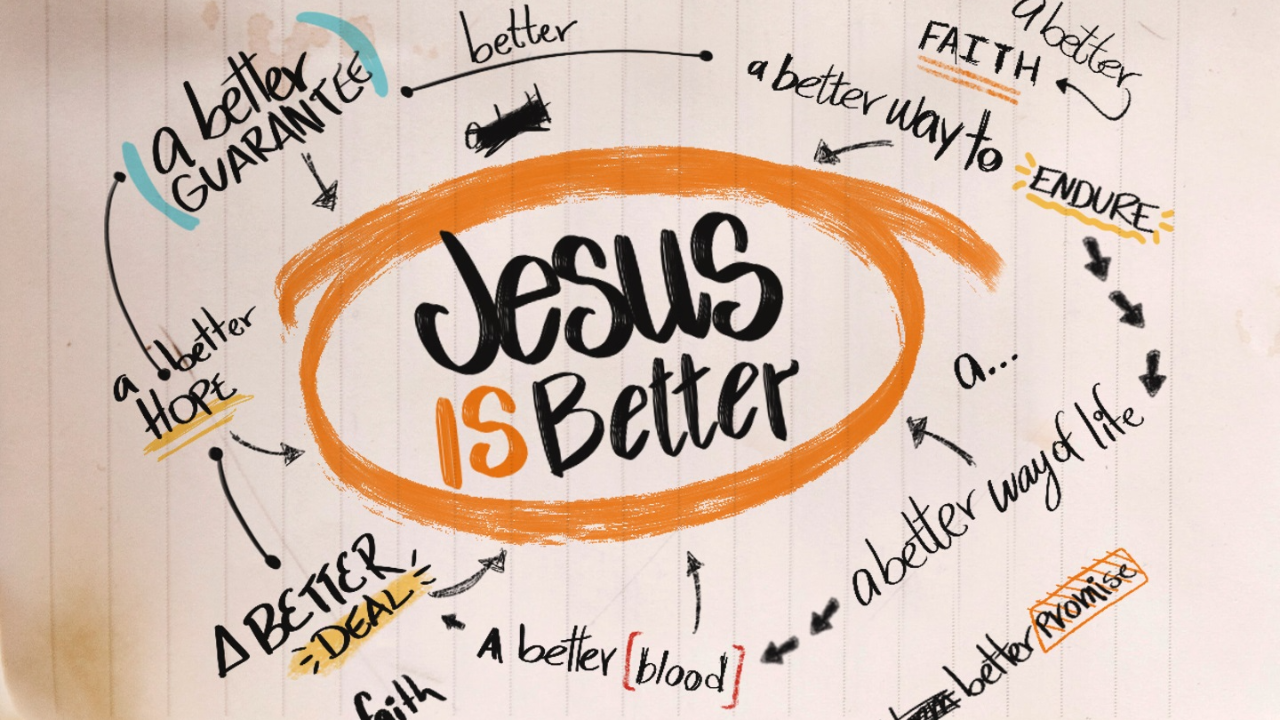
Most American Christians don’t appreciate how big, how important, how all-encompassing Jesus is through Scripture. They camp out in the "red letters" and some of Paul's letters, but ignore everything else. It ALL points to Jesus. In this message, Max Vanderpool, makes a case for why Jesus is the true and better human. The only way to recover your full humanity is through Jesus. You won’t get there through self-help. You won’t get there by trying harder. You won’t get there by trying to obey all the stuff in the Bible. Jesus is the true and better human.

All of us, because we are SO human, tend to return where we are wanted and welcome and invited. You could almost say we’re “acceptance magnets.” God knows this about us – which is why Jesus was constantly inviting people IN. Today’s big idea is simple: As followers of Jesus, we build relationships that are strong enough to invite others in.
At the end of 1 Thessalonians, the Apostle Paul reminds the Thessalonican church that God knows the end of the story, and no matter what they were facing, God would give them strength to keep going. At the end of the letter, Paul says, "Be thankful in all circumstances, for this is God's will for you who belong to Christ Jesus." You and I don't know how our stories will end, but we do know how THE story ends (Jesus returns, Jesus makes things right, Jesus sorts people, Jesus gives us resurrection bodies that don't get sick or wear out). We have good reason, even when the chips are down, to be grateful.

Unlike Job's friends, Jesus knows how to be a good friend for those experiencing pain & suffering, for those enduring loss, for the woman caught in adultery, and for the thief on the cross. Jesus is a better friend. In this recording, Amanda Duke shares the Biblical pattern of lament, Max Vanderpool shares how to be a good friend to someone who is going through and tough time, and Danita LaSage and Dawn Tippey share their experience of loss - and where they found Jesus.
"Who are your people?" For the longest time, you LIVED in the same place where you were born. You were rooted and connected to a household. “Who are your people” was the most common question asked (even in America). All that changed after WW2. Now the first question typically asked of an adult is, “What do you do?” But despite all the mobility we Americans have enjoyed over the past century, and despite ALL the ways we can now remain connected to people “back home” through social media, you cannot separate geography and friendship. Geography matters (when it comes to friendship).
True friends are not blind. They see us as we really are. They know our strengths, truth, and beauty – and they know our weaknesses, warts, and issues. Friends know the truth about us. The art of friendship requires both ENCOURAGEMENT and REBUKE. True friends help us see the truth – the good, the bad, and the ugly – because the truth will set us free.
Friendship requires that we make and keep promises, even though we will break them and need forgiveness. That's because true friends, good friends, are peole who have committed to stand by you and with you - people who will not run away, bail or dump you simply because they get mad or hurt or offended. We all need these kinds of friends. So what does it take to get there? In this message, Max Vanderpool explains the power of refrigerator rights.

Our virtue emphasis for October is INTEGRITY - choosing to be truthful in whatever you say and do.
What do you do when a friend hurts you? When a friend is selfish? When a friend doesn’t care for you the way you’d hoped? When a friend lets you down? Do you confront them? And, if they don’t seem to apologize right or show the right amount of empathy, do you forgive them anyway? Or – do you walk away? Ghost them? Write them off? Many friendships in America today last until the first conflict. And that’s a shame – because we LEARN forgiveness by practicing it. And we learn it in the context of FRIENDSHIP. Without forgiveness, there is no friendship
We’re impressed with people who've succeeded in life, but we CONNECT with people who share their struggles and failures. This is why vulnerability is so important - it's a doorway to true friendship, and it's a doorway to new life. Learning to be appropriately vulnerable unlocks friendship and the potential for healing and transformation. So what is it and how is it different from just sharing or being authentic?
When you were born, you couldn’t walk or talk. You couldn’t read or write. You couldn’t even control your own bowel movements. You LEARNED all those things from another human being. You were made for people. And here in America, we're now five years into a downward trend in life-expectancy that's being fueled by "deaths of despair" (suicide, drug overdose, and alcoholism). Why? Because Americans are LONELY. As it turns out, YOU WERE MADE FOR PEOPLE.
Corrie ten Boom once said that if the devil can’t make you sin, he’ll make you busy. If the devil can't make you sin, he'll make you busy. Huh? How is that again? That's because both sin and busyness have the exact same effect—they cut off your connection to God, to other people, and even to your own soul. In this message, Max Vanderpool makes a case why you should eliminate hurry from your life.
