



Good Beer Hunting


About
Available on








Community
712 episodes
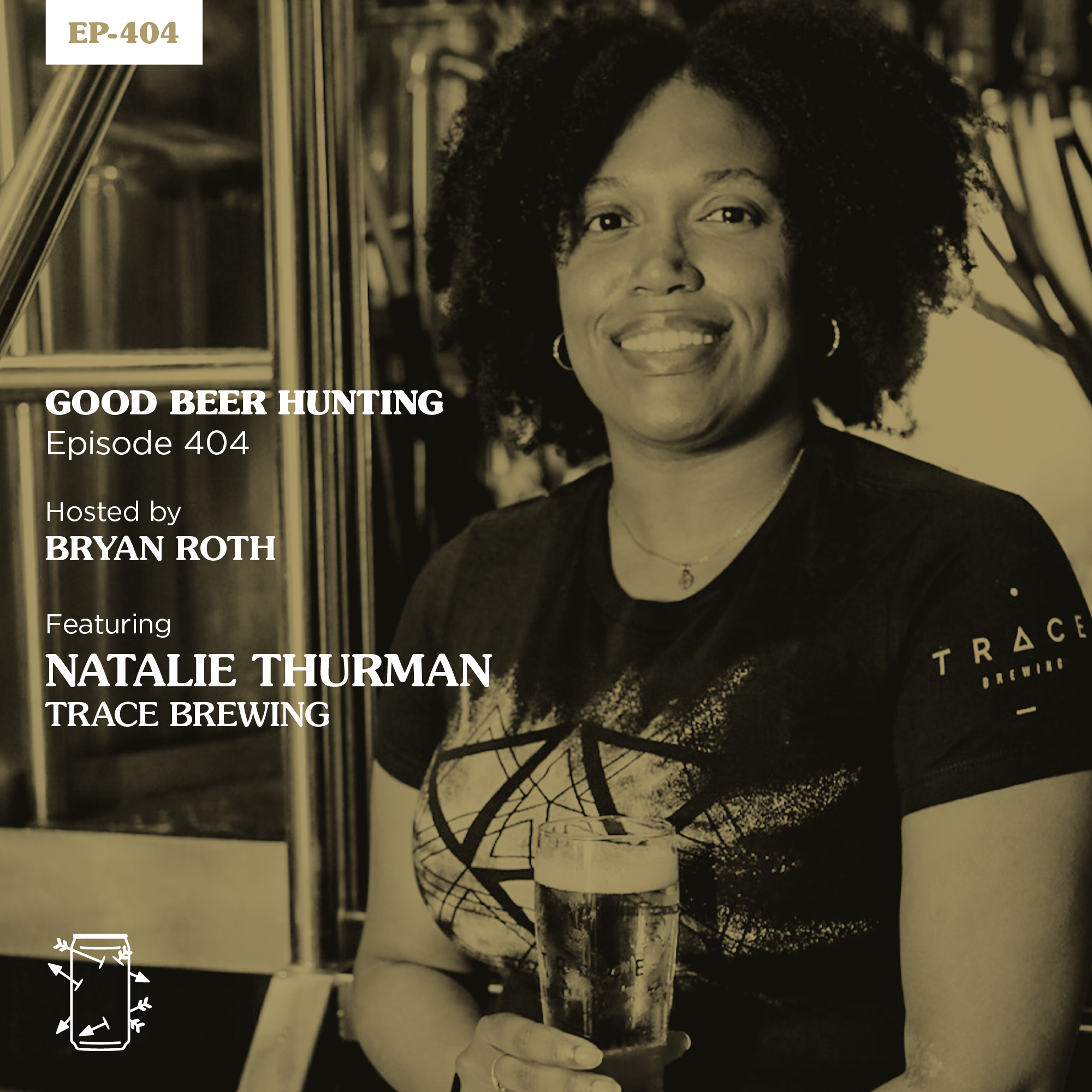
So often, when you listen to these episodes, you hear conversations with people far along in their experience with beer, wine, spirits, or other alcoholic beverages. We’ve had our share of brewers and owners who have been in the game for a decade or more. And in this conversation, we’re invited to hear from Natalie Thurman, an up-and-coming brewer discovering what it means to go pro, create recipes, and learn all the time. Natalie was a homebrewer before she was brought on as a vocational brewer at Pittsburgh’s Trace Brewing. Over a six-month period from summer 2023 through the end of that year, Natalie worked alongside and learned from a variety of staff at Trace, picking up tips, tricks, and an education that will guide her in brewing for years to come. It’s all new—Natalie is a clinical research professional and registered nurse who’s spent more than 10 years working in healthcare—but as you’ll hear in this chat, there’s a lightness and excitement at work in her life through beer. While we talk about her beginnings in homebrewing and building an interest in beer, I invite you to really hear the way Natalie talks about finding herself through her homebrewing and her work at Trace. Spending time at a brewery and meeting industry peers has seemed to unlock something special for her, and it’s an opportunity you’ll hear she’s not taking for granted. This is a chance to hear what it sounds like to start something new and why it’s so meaningful. It’s an opportunity to hear about how the joy of homebrewing becomes the joy of professional brewing and all that’s to come for Natalie and those in her orbit.

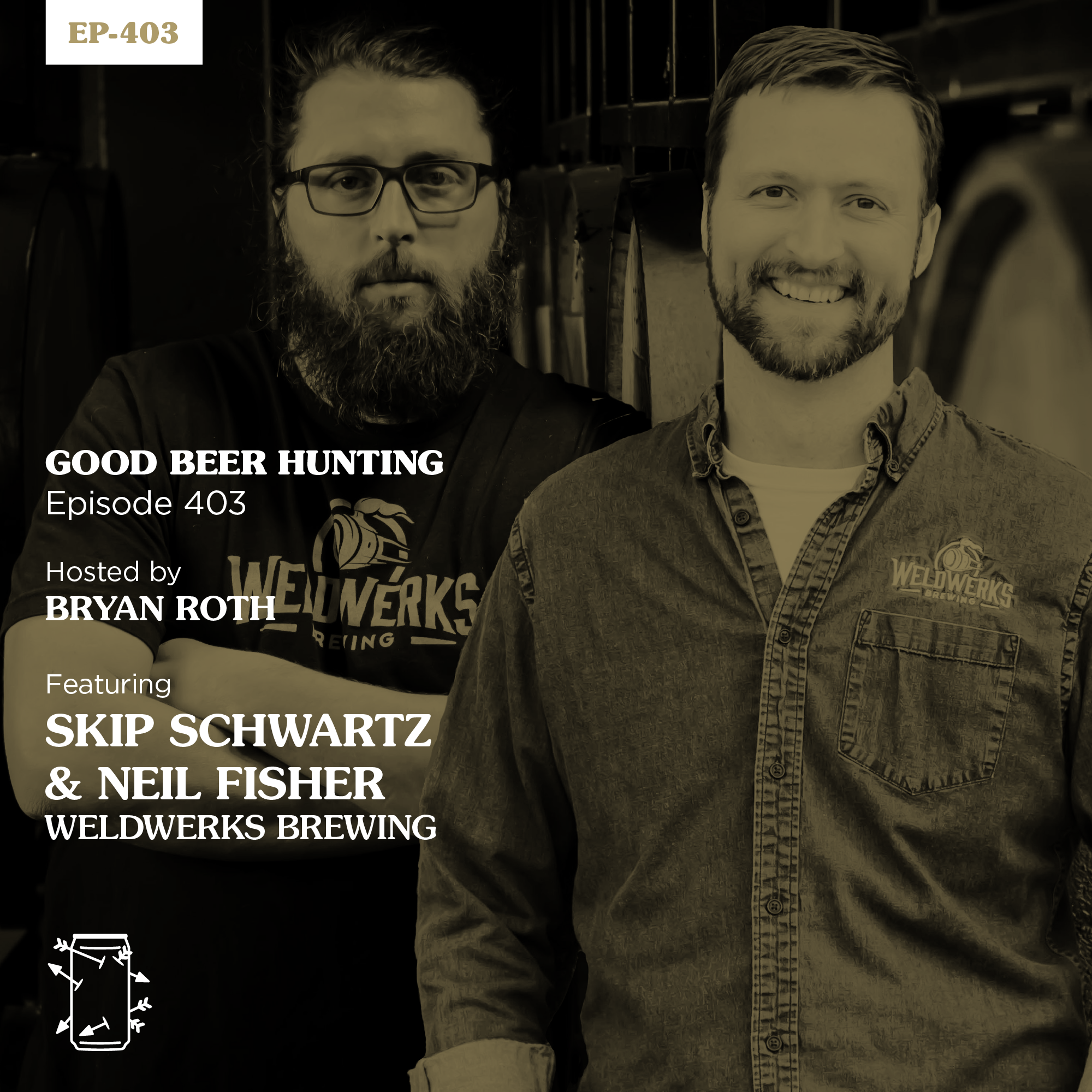
Fluffernutter and Oreo Marshmallow pastry stouts. Kettle sours brewed with "obscene amounts" of fruit. A cream cheese rangoon gose. Depending on your level of curiosity and adventurousness, these beers may sound exciting or challenging, but they also have two things in common: They’ve been made by Colorado’s WeldWerks Brewing and they’re fun beers made with serious intent. In this episode, we get into some of the technical ideas, philosophies, and search for dialed-in joy with Skip Schwartz, WeldWerks’ head brewer and Neil Fisher, founder and owner of the company. What makes brewing and beer fun these days? There are lots of answers, and as you’ll hear both explain, it could be from the never-ending tweaks to make a beer as perfect as possible or finding ways to connect with new drinkers who would otherwise turn away from a beer. Some of the more wild beers created by WeldWerks have gotten attention over the years, but it’s their flagship hazy IPA, Juicy Bits, that put this brewery on the map and has allowed WeldWerks to expand into 26 different markets this year. The runaway success of Juicy Bits has helped the business gain notoriety beyond Colorado, build out its brewhouse, and set a goal of modest growth as many companies in craft beer are focused on just staying flat with their production. So, maybe you’ve tried some of WeldWerks’ outlandish beers at their taproom or during a major industry event like the Great American Beer Festival, or maybe you’ve had their signature IPA and one of its variants. Allow Skip and Neil to give you some background on what it means to connect with drinkers today and learn how their approach to beer is setting them up for 2024 and beyond. * *
Some people nerd out about beer in general. Others go wild for water profiles, hop varieties, or yeast strains, but in Don Tse’s experience, not enough people are paying attention to malted barley. It’s something he’s been passionate about for a decade, and a topic he finally gets to explore in-depth in his first piece for Good Beer Hunting. In that Critical Drinking op-ed, titled “Fight the Power — How Craft Malt Is Central to Taking On Beer’s Industrial Complex,” Don explains how the barley of today shouldn’t be the barley of yesterday. Typical crops are bred to resist disease and blight every few years. But in North America, barley that’s now widely planted has been around for three decades and is the main source of what’s used for malt in beer recipes. Why? Well, it takes time, money, and a lot of buy-in to change a monoculture crop like barley. That change is finally coming, thanks to investments from researchers at Cornell University, breweries like Allagash, and other forward-thinking farmers ready to make malt craft again. In our conversation, you’ll hear Don talk about why it took so long for him to pursue this passion project, why as a Canadian he’s focused on American farmers, why he’s so stoked on things like protein levels and output, and what sort of potential and future he sees in the North American barley industry. He doesn’t expect people to be as nuts about the subject as he is. But he hopes that we’ll all start to care, at least a little, to keep moving craft beer and our shared agricultural future looking bright.

The story of homebrewing and craft beer is intertwined. Ask many craft brewery owners how they got their start, and you’ll probably hear about their homebrewing days—how it sparked their love of beer and eventually led them to turn their hobby into a career. However, homebrewing is only one part of going pro, and there are many more skills needed to open and run a brewery. Ryan Lavery, owner of Widowmaker Brewing, got his start brewing beer in his garage. A series of serendipitous moments, including a Craigslist ad, eventually led him to open his own brewery in Braintree, Massachusetts in 2017, and another location in Allston-Brighton, a neighborhood in Boston in 2023. Both locations reflect Ryan’s love for music with his second location being described as a place with “intergalactic, spacey, stoner rock” vibes. In this conversation, Ryan shares how he didn’t really know anything about opening a brewery and how those first decisions—like how they set up the brewhouse—still affect him and his team today. You'll hear Ryan discuss the distinction between the opening of his first taproom and the second one, as well as how the brewery discovered its identity and how that knowledge influenced the design of both locations, starting with the second. We also spend a little time talking about the special places he’s visited in Atlanta while on business for the brewery, including a previous podcast guest, Todd DiMatteo, and his brewing company, Good Word Brewing.
Modelo Especial continues to absolutely dominate as a lager, but is it so successful that we can call it the new domestic lager of choice? On this episode of The Gist, I’m joined as always by Lead Sightlines reporter Kate Bernot, along with special guest, freelance writer, and Good Beer Hunting contributor Jerard Fagerberg to talk about how Constellation Brands has grown Modelo to a 200 million case brand and what that means for the domestic beer category at large. Plus, we look at the latest c-store numbers—specifically, how cider is performing—and why combining “low” and “no” alcohol options into one group doesn’t really make much sense. I’m Beth Demmon, and you’re listening to The Gist.

Next up in our series of interviews from the 2023 Foeder for Thought festival, Kate Bernot is talking to Matt Manthe from Odd Breed Brewing in Pompano Beach, Florida. Most of the locations of the brewers we speak to at Foeder for Thought come from far and wide, and usually from places with more mild climates than Florida has to offer. So Matt and Odd Breed adapt their process and expectations to that reality, working with yeast strains and styles that provide the nuanced results they’re looking for. He also talks about what it takes to help grow the audience for these beers in Florida, which is a younger scene that markets like California or the Northeast. One of the methods Matt enjoys most is fresh hopping his wild ales for a somewhat hybrid style of IPA and wild and sour beer that is delighting his fans.

In this episode of the 2023 Foeder for Thought festival, I’m talking to Aaron Kleidon of catch Brewing in Ave, Illinois, one of the country’s most obscure and isolated brewers, that also happens to be one of the most welcoming and casual visits among the class of brewers you might consider a destination brewery. Tucked away in far southern Illinois, Scratch has made a name for itself with foraged ingredients, ancient methods of brewing, such as hot stone and campfire heating, as well as a culinary program at the brewpub that delivers a similarly-minded approach to cooking. We talk a lot more these days about the connection between agriculture and brewing, but in this conversation with Aaron, you’ll hear something more akin to a naturalist or a conservationist obsessed with his land and the surrounding forests, and how he makes world class beers from those unlikely resources.
In this episode of the 2023 Foeder for Thought festival, Kate Bernot is talking to Trevor Rogers from de Grade Brewing, a geographical outlier like many of these producers, based in Tilamook, Oregon. de Garde was part of the avant garde in American wild ales, founded in 2012 with his partner Linsey, considered by many to be one of, if not THE first producer of these styles of beer in the US. Part of the legend of de Garde comes from its methods of collecting wild yeast along multiple locations in the Pacific Northwest coastal region, and that influenced a generation of wild ale producers across the US who were looking for the courage to try these traditional Belgian methods in untested areas of the country.

After taking a short break for a St. Pete-style rain to pass through, the crowd at Foeder for Thought gathered in the courtyard at Green Bench again, dried off some seats and got a beer to listen to our second chat featuring Brandon Boldt from Primitive Beer in Colorado. A well-respected and novel producer of wild ales, Primitive is perhaps more widely known for their packaging style, putting uncarbonated wild ales into a bag and box serving package. These still beers provide a profoundly different drinking experience—without the carbonation, the flavors and textures move over the palate entirely differently than a beer in a thick glass bottle with those highly pressurized tiny bubbles. Since me and Brandon spoke at Foeder last year, they closed up shop in Longmont Colorado and starting making a big move to a new location—in an annex at New Image Brewing in Wheat Ridge Colorado.
We’re kicking off our 2023 Foeder for Thought episodes with Zach Adams of Fox Farm in Salem, Connecticut. Like many craft brewers, Zach was a home brewer, but unlike most home brewers, he competed at the top of the game in the Boston Beer Longshot challenge and won. Riding that boost of confidence, he and his partner bought a 1960s dairy barn and renovated it to create a humble but beautiful destination for what would quickly become one of the ties premier beer destinations. That confidence turns to some measure of humility however when we talk about his venture into wild and spontaneous brewing where he feels they’ll still finding their way and making a name. * *

Unless you’ve been listening to older episode of the GBH Podcast, you may not have heard my voice in awhile. I’ve been working on some new projects this past year or so that I’m excited about, but if there’s one thing that pulls me out of semi-retirement each year, it’s the Foeder for Thought festival in St Petersburgh Florida every March with Green Bench Brewing Company, and here we are again on the cusp of that annual gathering of wild and spontaneous beer producers gathering. This year its on Friday March 8th, and in the run-up to that event where I get to sit down and chat with a few leading producers in the category about their trajectory and the future the envision. I’m releasing last year’s talks as a way to sort of get people excited again and remind them of some of the aspects of Foeder for Thought that make it so special. First of all, it’s a small event but there’s some serious work and care put in that makes it fantastic. Khris Johnson and his team at Green Bench pull out all the stops for this thing. They get Web’s City Cellar, their companion bar, primed and ready to welcome fans of wild and spontaneous beer to what I consider one of the best beer bars in the country. And I’m certainly not alone in the opinion—this year the James Beard Awards nominated them for the Outstanding Bar category. That’s big time stuff. This year they’re featuring Northern California’s Russian River, Threes Brewing in New York, Keeping Together in New Mexico, Suarez Family Brewery in the Hudson Valley, and The Referend Bier Blendery from Kutztown, Pennsylvania It’s going to be a fantastic time - and I hope to see you there. Now, let’s talk about 2023’s lineup of guests that you’ll hear in these episodes, hosted by myself and Good Beer Hunting’s Kate Bernot. We’re talking to folks from de Garde Brewing in Oregon, Fox Farm Brewery in Connecticut, Off Breed Wild Ales in Pompano Beach Florida, Primitive Beer in Colorado, and Scratch Brewing in far Southern Illinois. As per usual, it was an inspired lineup of beers and the producers behind them. All connected through their love of wild and spontaneous beer making, but also unique in their own rights—serving unique audiences and geographies, adapting to the realities of climate change and a shifting market, and finding their own way even as they hold the ancient traditions of these beers in a kind of reverent state.

This episode is one of a three-part series recorded as part of the Rare & Vintage Beer Tasting, an annual event held in Durham, North Carolina that brings brewers and beer lovers together from all over the country. Along with a beer festival, Rare & Vintage also hosts beer industry professional development conversations each January. The combo acts as a fundraising and awareness effort for the Michael James Jackson Foundation, which funds education and career advancement for Black, Indigenous, and People of Color in the brewing and distilling industries. For this year’s event, I moderated three discussions, and in this episode, you’ll hear me in conversation with three panelists talking about measurements, bias, and how these things impact the making of beer and how we bring people together for beer. Joining me are: __ __ The experience between all three of these industry pros gave us fodder to get nerdy about lab work, ingredients, and more, but it also allowed us to look at big picture challenges facing beer today, most notably how to better welcome new drinkers into the fold. After you listen to this episode, make sure to check out the other two, which includes a panel discussion about bias in sensory and a keynote conversation with my Good Beer Hunting colleague and friend, Jamaal Lemon.

This episode is one of a three-part series recorded as part of the Rare & Vintage Beer Tasting, an annual event held in Durham, North Carolina that brings brewers and beer lovers together from all over the country. Along with a beer festival, Rare & Vintage also hosts beer industry professional development conversations each January. The combo acts as a fundraising and awareness effort for the Michael James Jackson Foundation, which funds education and career advancement for Black, Indigenous, and People of Color in the brewing and distilling industries. For this year’s event, I moderated three discussions, and in this episode, you’ll hear me in conversation with three panelists talking about how language and culture have built the lexicon for beer and what we can do to change and enhance it all. It’s a spiritual connection to a James Beard Award-winning story Good Beer Hunting published in 2022, in which Mark Dredge explored how flavor wheels and tasting tools should evolve to speak to a global collection of beer drinkers. To build on the ideas you may have read about in that story and share new ones, joining me were: __ __ As you listen to the back-and-forth between these three, you get to hear practical, scientific, and philosophical approaches to how we can all think differently about the way we describe and talk about beer. The importance of this, as you’ll hear, is a necessary step to acknowledge how diverse beer is becoming—even if it’s been slow—but how much the language we use is going to matter next year and long after that. After you listen to this episode, make sure to check out the other two from Rare & Vintage, which includes a panel discussion about bias in measurement, brewing, and more, and a keynote conversation with my Good Beer Hunting colleague and friend, Jamaal Lemon. * *
This episode is one of a three-part series recorded as part of the Rare & Vintage Beer Tasting, an annual event held in Durham, North Carolina that brings brewers and beer lovers together from all over the country. Along with a beer festival, Rare & Vintage also hosts beer industry professional development conversations each January. The combo acts as a fundraising and awareness effort for the Michael James Jackson Foundation, which funds education and career advancement for Black, Indigenous, and People of Color in the brewing and distilling industries. For this year’s event, I moderated three discussions, and in this episode, you’ll hear me in conversation with my Good Beer Hunting colleague, Jamaal Lemon. Jamaal has written some of the most celebrated work published at GBH, which includes a 2023 James Beard Award for his story, Come Hell or High Water — Oysters, Brewing, and How the Come Yahs & Bin Yahs Could End Sea Level Rise in Charleston. He’s been a contributor to Good Beer Hunting since 2020 and also writes the blog, Bootlegger’s Baby for us, which focuses on Jamaal’s ruminations on fatherhood and family. During our talk at Rare & Vintage, Jamaal was welcomed as a keynote speaker, so we engaged in a discussion that would inspire conversations between brewers for the whole weekend. We talked about big ideas, storytelling, innovation in beer, and more. You’ll hear us talk about where Jamaal gets his ideas, why he cares about stories of the water, and much more. After you listen to this episode, make sure to check out the other two, which include panel discussions about bias in beer sensory and science with some of the smartest minds in beer as well as a discussion of how to build inclusive language for how we talk about beer.
If we’ve said it once, we’ve said it a thousand times—beverage companies are going to have to expand their offerings not just to grow, but to survive at all. In this episode of The Gist, lead Sightlines reporter Kate Bernot joins me, Beth Demmon, to take a big look at 2023 and what the numbers mean for 2024, why diversification is the word of the year, and what a brewery buying into CBD could signal to the rest of the industry. This is the Gist.
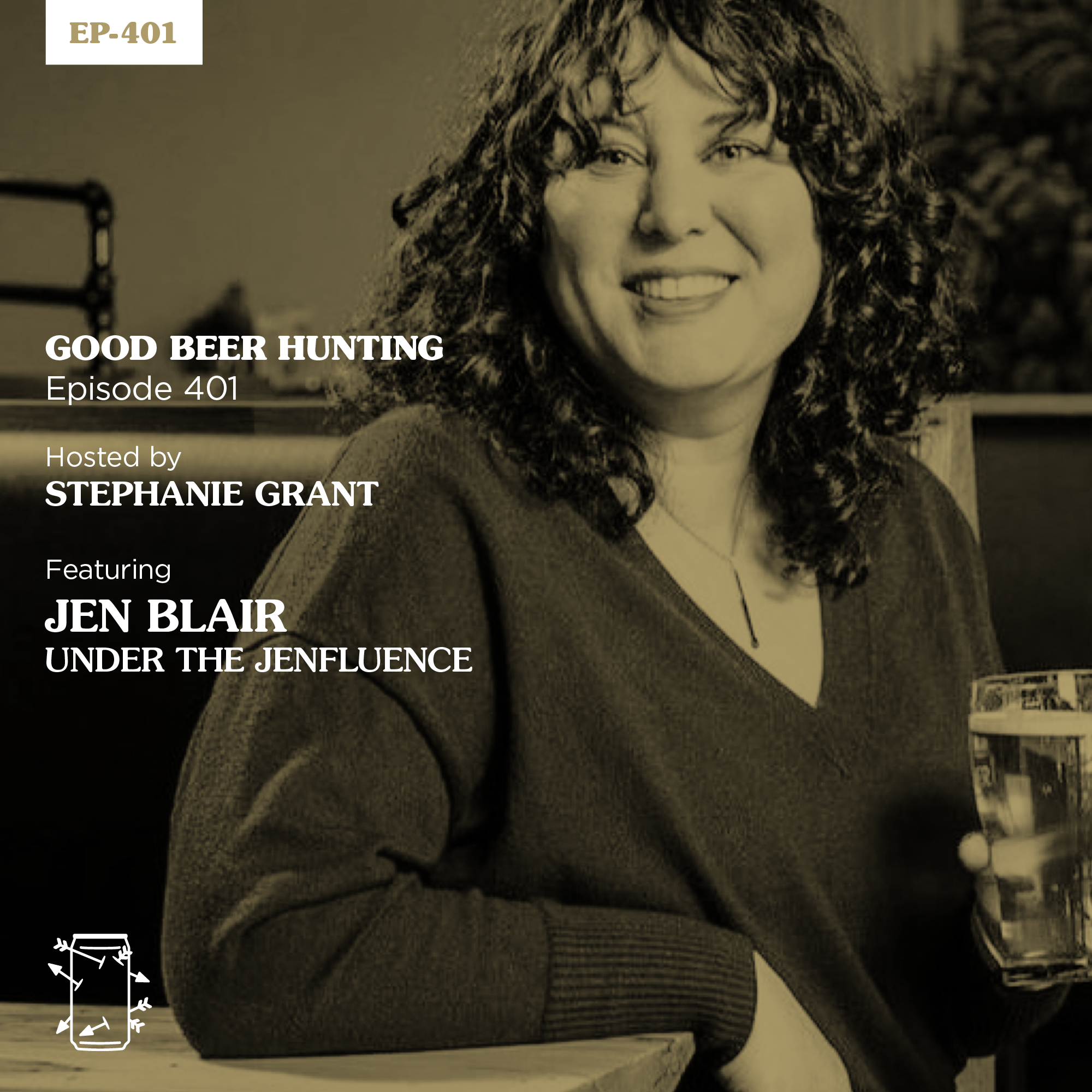
In my time in and around the beer industry, I’ve heard too many people underestimate the Cicerone Certification Program, a worldwide standard for recognizing people who are experts in beer sales and service. While I haven’t taken it myself, I understand the rigorous studying that’s required to pass the written and tasting exam to become a Certified Cicerone, just the second level of a four-part process to become a Master Cicerone. And even those who take the test seriously aren’t guaranteed to pass it the first time. But don’t take my word for it, let’s hear from an expert. In this episode, Jen Blair, who recently became a Master Cicerone—the highest level of certification and a title just 28 people in the world hold today—shares details from her almost decade-long journey to reach this pinnacle. If you’re interested in becoming a Cicerone, this episode is for you. But even if you’re not planning to take these tests, you’ll learn so much about what it means to explore beer, its history, and all the sensory experiences it can provide. There’s a personal side to it all, too, and you’ll hear from Jen about the importance of learning from your mistakes, honoring deadlines, and creating realistic schedules. As a straight-A student, Jen thought she knew how to study for the Cicerone tests, but realized that to pass even the first level exam she had to go beyond memorization and fully master the material. Throughout the episode, Jen shares some of the shifts in mindset she had to make to cross the Master Cicerone finish line, including relearning how to learn and strengthening her weak areas instead of ignoring them, like memorizing commercial styles despite disagreeing with the requirement. Listen in until the end to hear about the inspiration behind her newsletter, get tips on palate training and health, as well as what Jen is focused on now that she’s completed her Cicerone journey.
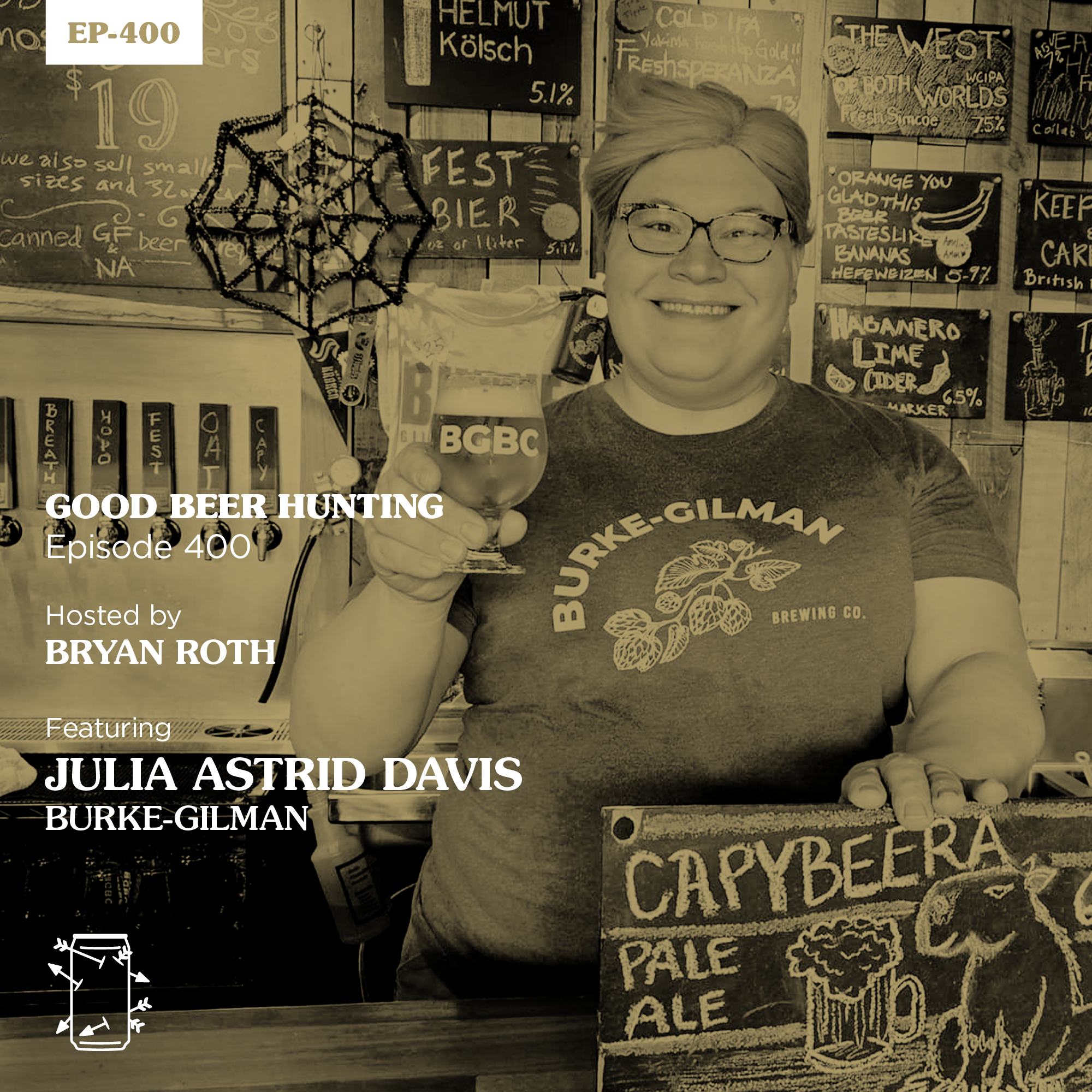
In this episode, we’re talking about process. And it’s not just in context of the brewing of beer, but everything that leads up to it, what happens during, and how a brewer can get better after. Helping us get into the detail of it all is Julia Astrid Davis, the head brewer and zygurmatrix at Burke-Gilman Brewing Company in Seattle. And if you're going to talk to a brewer about all these intimate aspects of their job, Julia is a great example of someone you should listen to. Over the course of her career she's brewed at companies small and large, from Denmark to Chicago and now Seattle. Her stops include Goose Island, Lagunitas, and Empirical Brewery, all in the Windy City, and has now been at Burke-Gilman for three years. That’s a who’s who list of barrel-aging and hop-forward breweries and in this conversation you’ll hear how Julia’s time at each place has helped build an understanding and appreciation for the process of brewing, experimentation, and constant improvement to dial-in recipes and drinking experiences. We’ll also talk about inspiration, collaboration, and why it’s important for a brewer to always think about how to get better. Through it all, is the idea of process. * *
It’s only February, but beverage companies are already setting the stage for the rest of 2024 with new products, big investments, and… TV ads? Today, Kate Bernot and me, Beth Demmon, recap the best and most blah Super Bowl commercials, discuss the potential of high and low ABV products, and you’ll hear from Drinkways Editor Emma Janzen about the economic outlook for spirits this year. This is the Gist.
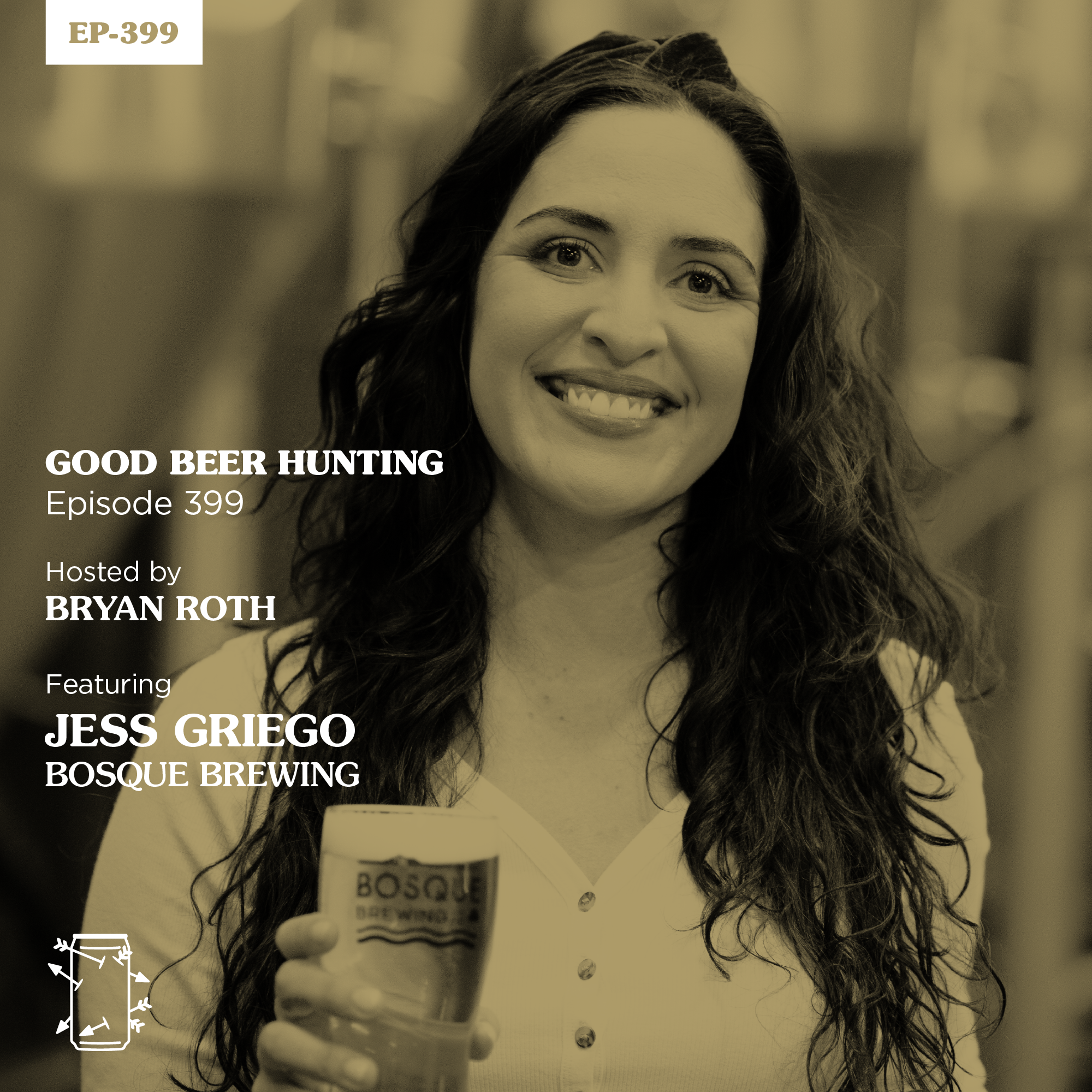
When it comes to careers, longevity is hard to come by. Most surveys and job-focused websites will tell you Americans find a new job roughly every three-to-five years. The average American worker changes some aspect of their career—if not their entire professional focus—multiple times over their life. So, when you find someone who’s really committed to the people they work with and those they work for, you know something must be going right. Such is the case for Jess Griego, now the chief operations officer and co-owner of New Mexico’s Bosque Brewing, which has nine different locations in the state. A decade ago, Jess started with the brewery as a server and has worked up through a variety of jobs, also becoming an equity partner in 2019. But her roots aren’t just with the company, they’re interwoven in New Mexico itself as a native, college graduate, proud resident, and a co-lead for the state chapter of the Pink Boots Society. Jess has also taken her longtime focus on local to a national stage, where she’s a newly elected pub brewery representative to the Brewers Association’s board of directors. For as much as beer industry pros tout “local” as core to what they do, that often means locally-produced products. In this conversation, we get about as local as we can get as Jess reflects back on her years with Boseque, what inspires her as a leader, and what it takes to oversee a rapidly expanding brewery today. Growth is hard to come by for beer these days, but Jess and Bosque offer a unique example of what happens when you play the long game, in your career and in your business plan.
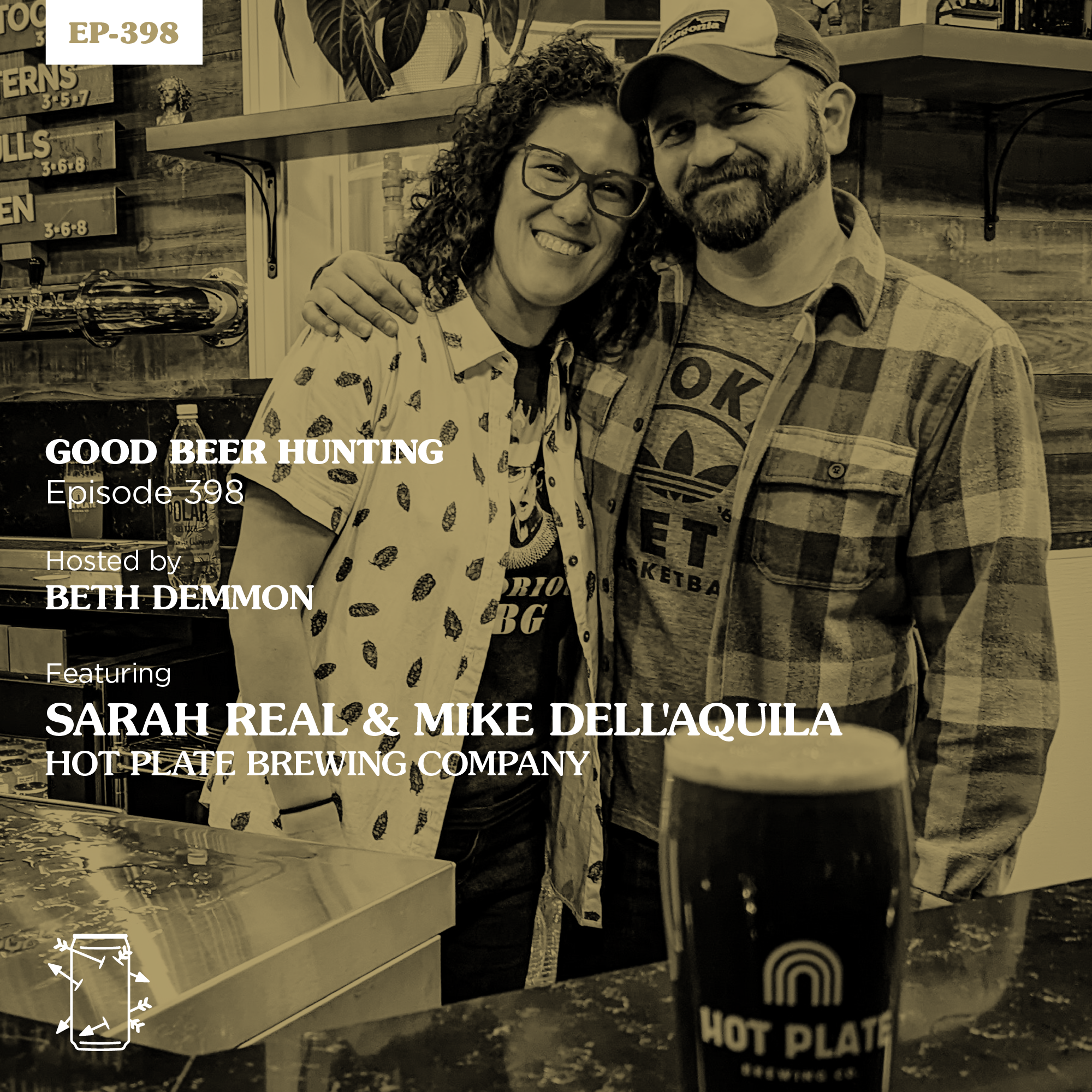
Sometimes when dreams get put on hold for too long, they can fade away and become nostalgia for what never was. But in the case of Sarah Real, her dream of starting a brewery was never far from her mind, and when she was finally able to open Hot Plate Brewing Company in Pittsfield, Massachusetts earlier this year with her husband and co-founder Mike Dell'Aquila, it had been many years in the making. As one of the few Latina-owned brewpubs amongst the nearly 10,000 total breweries in the United States, the pair is acutely aware of what representation means and what responsibilities they feel come along with it. According to a 2021 survey by the Brewers Association, just 2.2% of brewery owners across the country identify as “Hispanic, Latina -o, or of Spanish Origin.” In this episode, Mike talks about how they try to offer multiple access points for consumers through the beers they make and how Hot Plate cultivates a safe, welcoming community for anyone who may not feel represented or seen in the current craft beer industry. A storyteller by trade, Mike crafts the narratives and Sarah brews the beer in a unique partnership that seems to suit them both. However, Sarah and Mike both admit that while it was, at times, a struggle to start the brewery, now that it’s open, they’re ready to welcome everyone through the front door. They talk about their backgrounds, their passions, and the future they’re already building together—the dream finally realized.
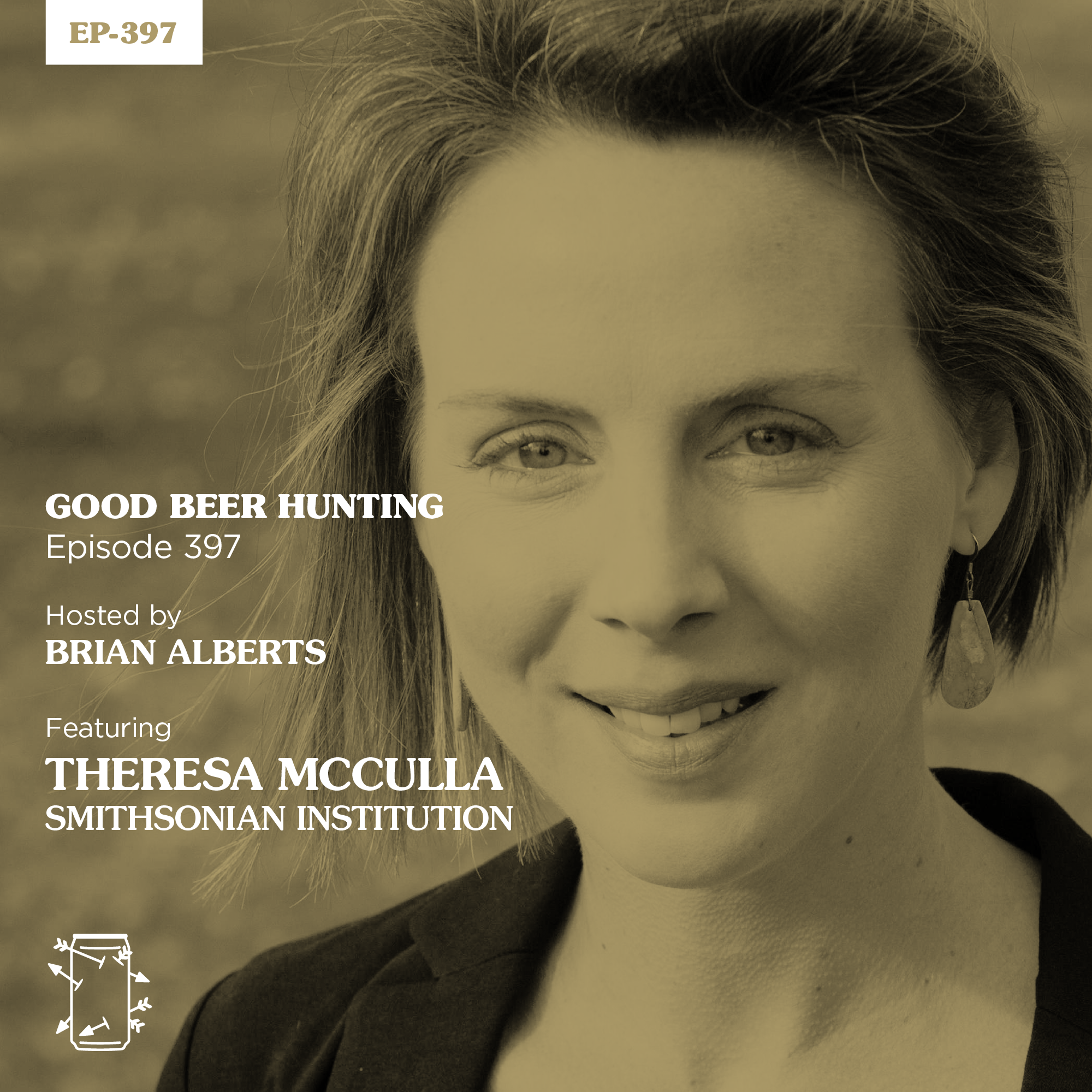
American craft beer is old enough to have “good old days,” which means it's no stranger to retirements or its best and brightest moving on to new careers. In October 2023, Theresa McCulla announced she’d conclude seven years of work with the American Brewing History Initiative at the Smithsonian Institution, wrapping up an effort that saw her collect artifacts, design exhibits, interview nearly 100 icons of American brewing, award-winning stories, and more. Theresa’s departure leaves a distinct void—her job was literally to trace the history of beer's ups and downs through all kinds of change–global pandemics, industry trends, demands on behalf of the marginalized, climate change, and of course the beginnings, middles, and occasional ends of important breweries and people who made American craft beer what it is. Without her and the American Brewing History Initiative, our risk of forgetting will be that much greater. So, before she could move on to her new position as curator at candy giant Mars, Incorporated, I sat down with her for one last interview. A symbolic exit interview.

It’s a new week with new news, but you already knew that. In this week's episode of The Gist, Sightlines reporter Kate Bernot talks with me, Beth Demmon, about Drizly’s billion-dollar bust, cider’s rising star, and… beads? BEES! Hat tip to Arrested Development for that one. This is the Gist.
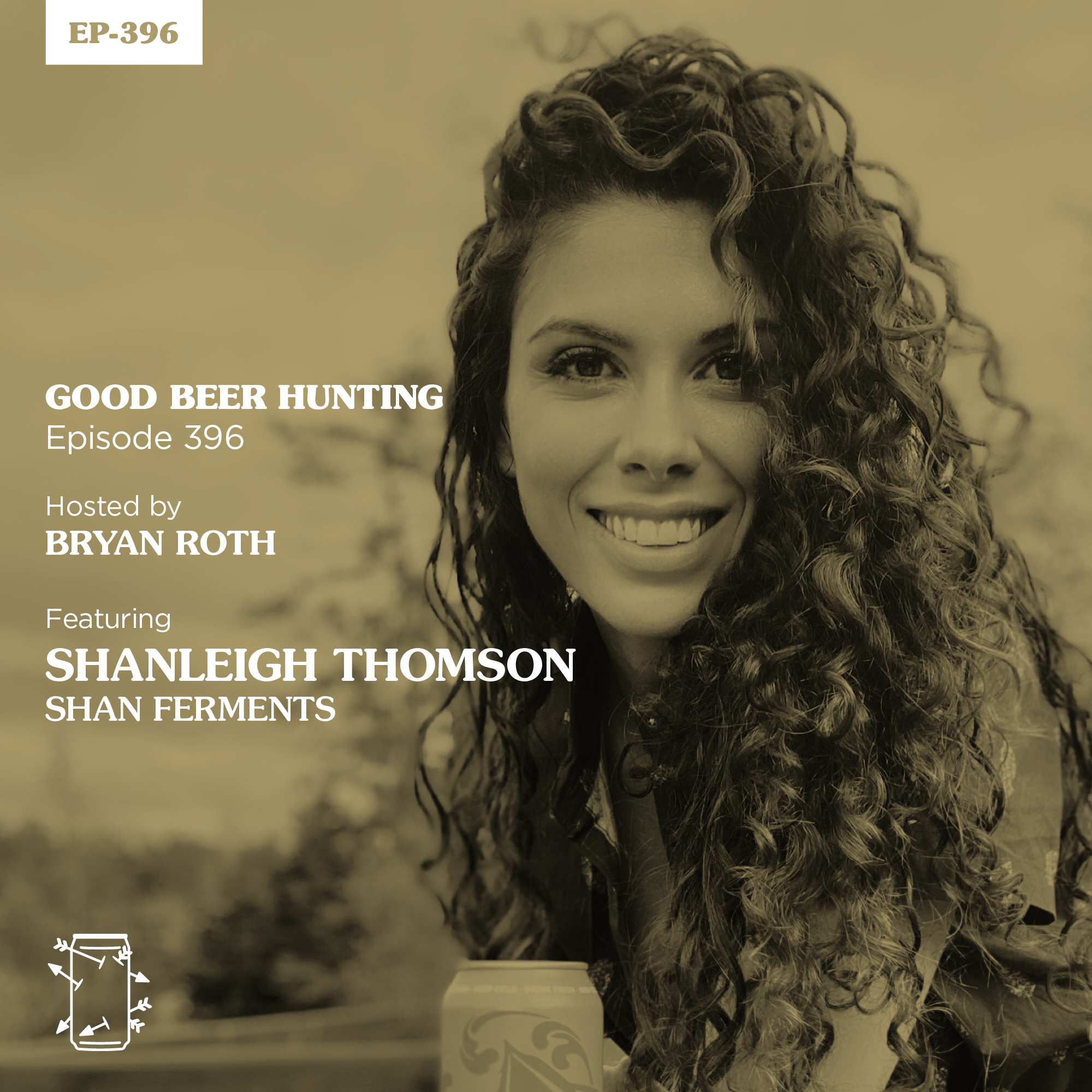
People who work in beer arrive from all kinds of professional backgrounds and even different career trajectories. But once they’re in beer, it’s less common to find examples of those who will be true chameleons, working across businesses that make, move, or sell beer, or even for companies that just handle the raw ingredients that go into making it. That’s what makes this conversation particularly special. Shanleigh Thomson has been a food scientist, brewer, and sales rep for distributors and companies that provide malt and hops. She's worked as a consultant and analyst. She's also a beer fan, which means that this wide range of roles and expertise gives her a unique vantage point for how she does her job, shares well-informed points of view, and applies a variety of education that ranges from advanced degrees in food science to business and brewing. She splits her time between Canada and the U.S., which means the scope of her understanding and work offers us a good perspective, too, all of which she’s combined in the last two years to run her own consultancy business, Shan.Ferments. In this episode, we’ll talk about all this and how we can learn from what Shanleigh has picked up over the years. But in addition to hearing how her professional life has brought this together, there’s also time in our chat to reflect on the personal impact a changing industry has left on her. Beer in Canada is facing many of the same challenges as the U.S., as prices and competition increase and a camaraderie that was easy to find 10 years ago is harder to come by. For someone who’s spent a career focused on so many different aspects of the business of beer, what happens when the shine wears off? And what’s at stake for us should we lose professionals with an array of ideas and expertise like Shanleigh? Let’s find out. * *
Football and beer tend to go together without much thought. But in places like Pope County, Arkansas, alcohol is noticeably absent from tailgate coolers, plastic Solo cups, and concession stands. That’s because the area, which is home to Arkansas Tech University, is also one of the state’s 29 dry counties, where access to alcohol is restricted thanks to political influence, conservative mindsets, and tradition left from the time of Prohibition. In his first piece for Good Beer Hunting titled “No Blitz — How Arkansas Tech University Fans Tailgate in a Dry County,” freelance writer Brian Sorenson portrays a small, but proud slice of the American South, where sports like football dominate much of the culture. That culture, he says, lags behind the more liberal coastal areas of the United States, but that doesn’t mean it’s less worthy of attention. In our conversation, he describes his hope for readers and listeners to set aside their notions of what they think Arkansas is like, and to instead experience it through fresh eyes and open minds. You’ll hear about his background in beer, football, writing, and the state of Arkansas, where he grew up used to rowdy sports fans fueled by alcohol. For this story, he was fascinated by the idea of separating the two, and shares some of the surprises he came across while writing the piece. It’s an insider’s look at seemingly contradictory ideologies, and it’s likely you’ll walk away with a new framework from which to view a different, but beautiful, way of life.
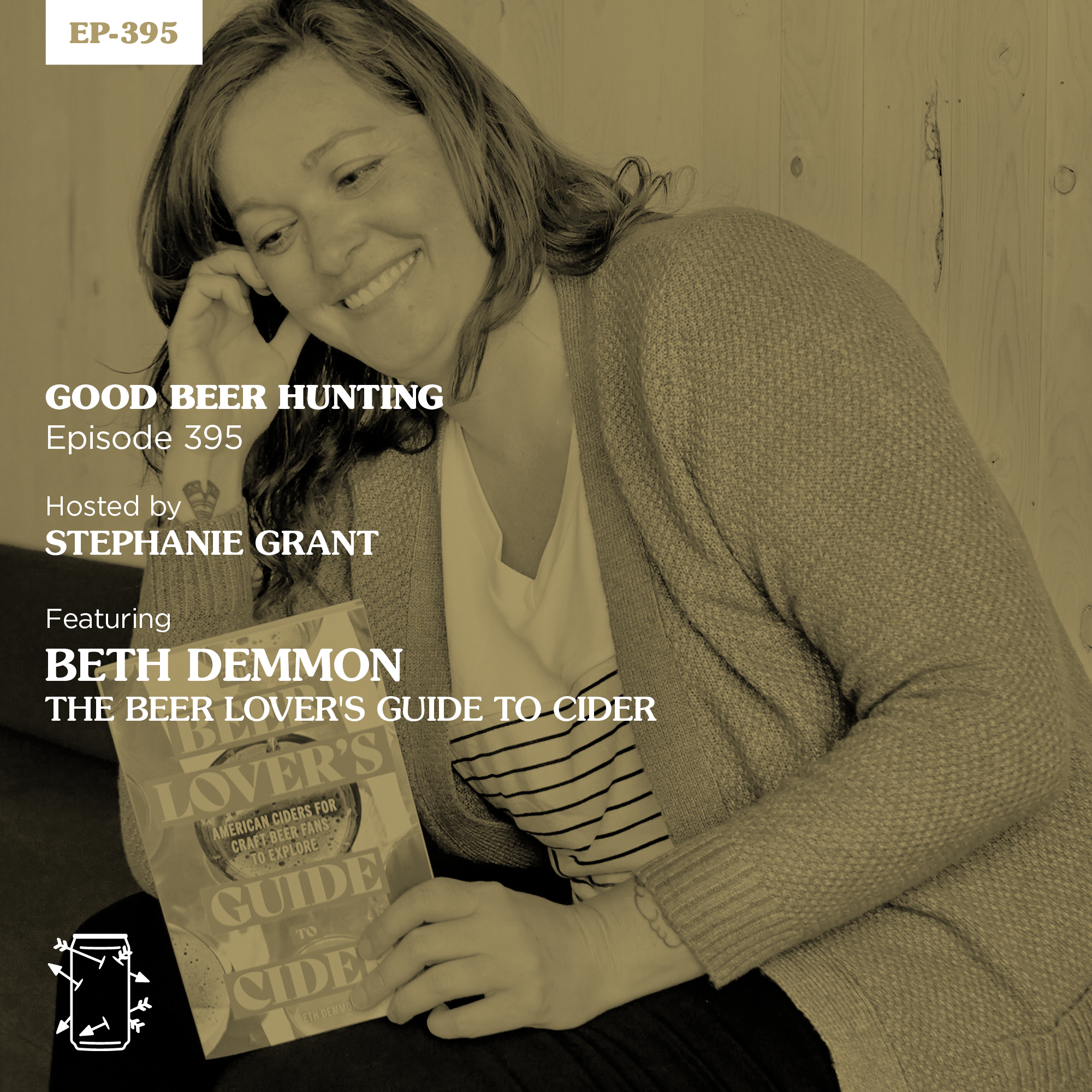
When I tell people that I’m really into beer, a quarter of the time someone mentions cider despite the two being vastly different. These interactions have always left me feeling helpless because I lacked the knowledge to educate them about the differences, and I certainly couldn’t guide them to a beer style that would be similar to cider. The extent of my cider knowledge was extremely limited—until I read fellow GBH contributor and podcast host Beth Demmon's book “The Beer Lover's Guide to Cider.” In fact, she addresses this common mixup in the first line of her book “Cider is not beer.” Cider is more like wine than beer because it’s created from fruit whereas beer is a combination of malt, hops, and yeast. Despite their differences, Beth is able to draw a connection between beer and cider to show us how vast the world of cider really is, encouraging us to look beyond what we might find in our local grocery store. Much like many of us had to do in the early days of craft beer when shelves were stocked with domestic Lager and other mass-produced beers. In our conversation, we talk about Beth’s inspiration for the book, which includes a trip to CiderCon, an annual conference organized by the American Cider Association. Beth also shares how she approached writing the book and how she was able to lean on her community for help. But what I love most about our conversation is how she draws parallels between those initial days of craft beer and the current state of cider here in the United States. For those of us who have explored all corners of craft beer, cider offers a new landscape of flavors, producers, and techniques to dive into, so let’s jump right in. * *

It’s a new year and things are already shaking up in the beer world, first with Asahi’s entry into brewing in the United States, plus Coca-Cola subsidiary Red Tree’s big plans for 2024. Looking outside of beer, Kate and I preview what Sightlines has planned for CiderCon, the annual cider industry conference kicking off January 16, 2024 in Portland, Oregon. Keep listening for all that and more, right here on The Gist.
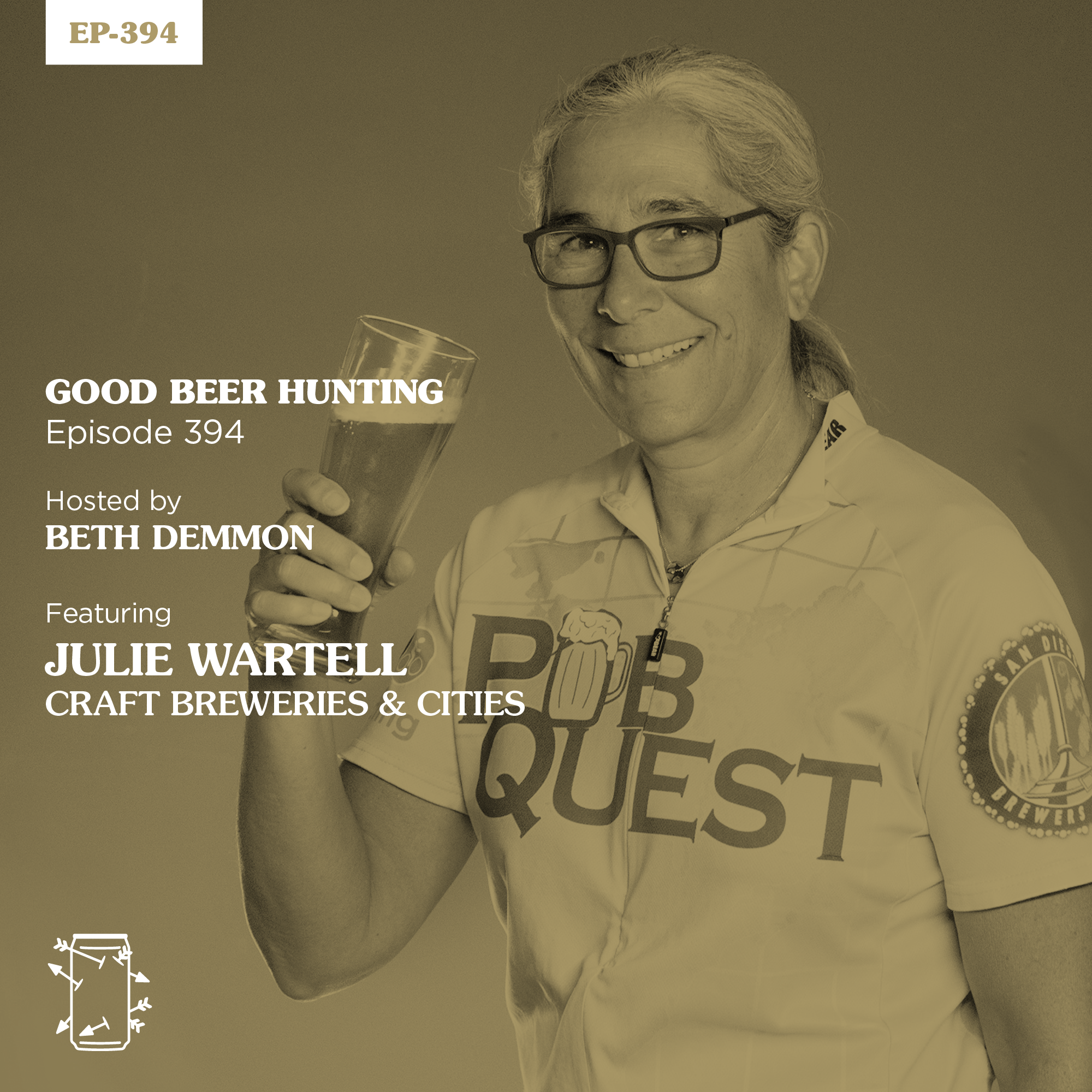
When scouting locations to open a new brewery, quite a few things are left to chance. What’s available to lease, in the right price range, in the right area, at the right time? Data sometimes comes into play, but then again, sometimes, it’s just vibes. Julie Wartell, a continuing lecturer at the University of California, San Diego and co-editor of the academic text titled “Craft Breweries and Cities: Perspectives from the Field,” believes that statistics and scientific measurements should play a larger role in these types of decisions, as well as affecting many more perceptions and beliefs about craft beer’s influence on its surroundings. How does the presence of alcohol impact things like public safety, gentrification, or the economics of a community, and what’s the difference between breweries, bars, and other alcohol-centric establishments? Why are there so many resources for technical brewing, but almost none about the social science of the beer industry itself? These are the questions that led to the text, which she hopes more breweries, business owners, residents, beer enthusiasts, and government employees will use to examine the reasoning behind the decisions they make, and perhaps even improve the way we think about craft beer as a cultural force. In this episode, Julie and I talk about what breweries contribute to cities, and how she uses maps and data to draw scientific conclusions that may not always correlate with public opinion. She shares her professional background as a crime analyst, as well as her personal passion for beer, and how she’s managed to find overlaps between the two through her work and research. Even as someone who writes about, analyzes, and enjoys beer, I found myself realizing that I, too, have some impressions of beer at large that are much more emotionally-charged than data-driven. It’s humbling, if not fascinating to see things from her point of view, and there’s plenty to learn from someone who’s been doing this for 30 years.
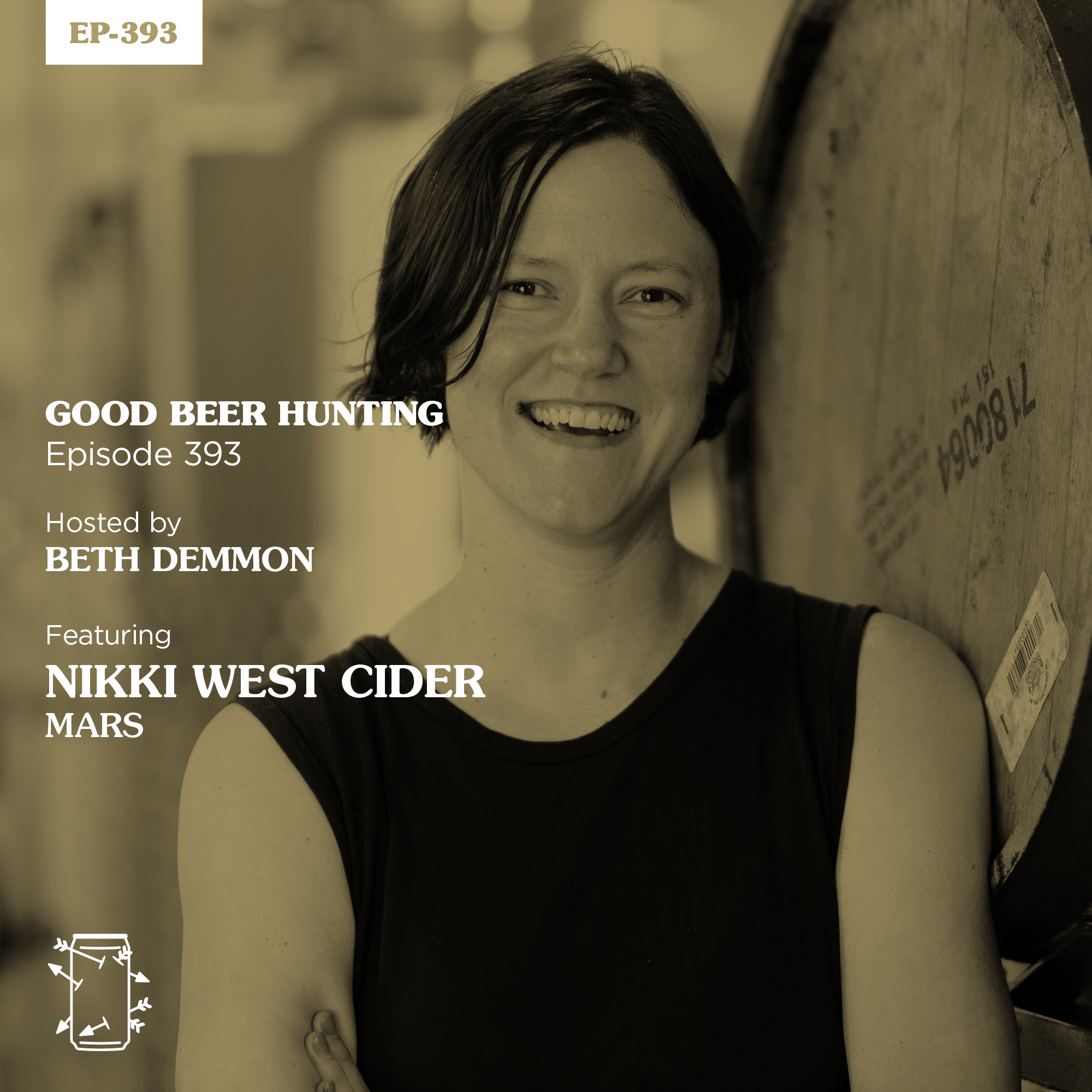
In the world of cider, Nikki West says the nerdier you are, the cooler you are. That’s probably the scientist in her talking, but she’s not wrong. As an agriculturally-based product, cider is inextricably tied to the earth, which is one reason why West decided to move from an academic career in geosciences to launching Ciders From Mars in Staunton, Virginia. It wasn’t a huge leap, scientifically speaking, but it was definitely one that changed the trajectory of their life. In our conversation, West and I discuss the pros and cons of a formal education in fermentation, and how the Cider Institute of North America helped her transform a garage operation into a tasting room in the Shenandoah Valley, the heart of Virginia apple country. We also talk about the seismic shift it took to jump from geology to ciderology, and the overlaps between the two endeavors, as well as why they decided to plant an orchard in order to (eventually) use apple varieties not readily found elsewhere. As someone with Celiac disease, West says cider is an ideal alternative to beer, as well as less filling, without the stuffy culture or high ABV of wine—basically, nature’s most perfect drink, and one she hopes more people discover in the years to come. It may be called Good Beer Hunting, but in this episode, we’re Good Cider Hunting.
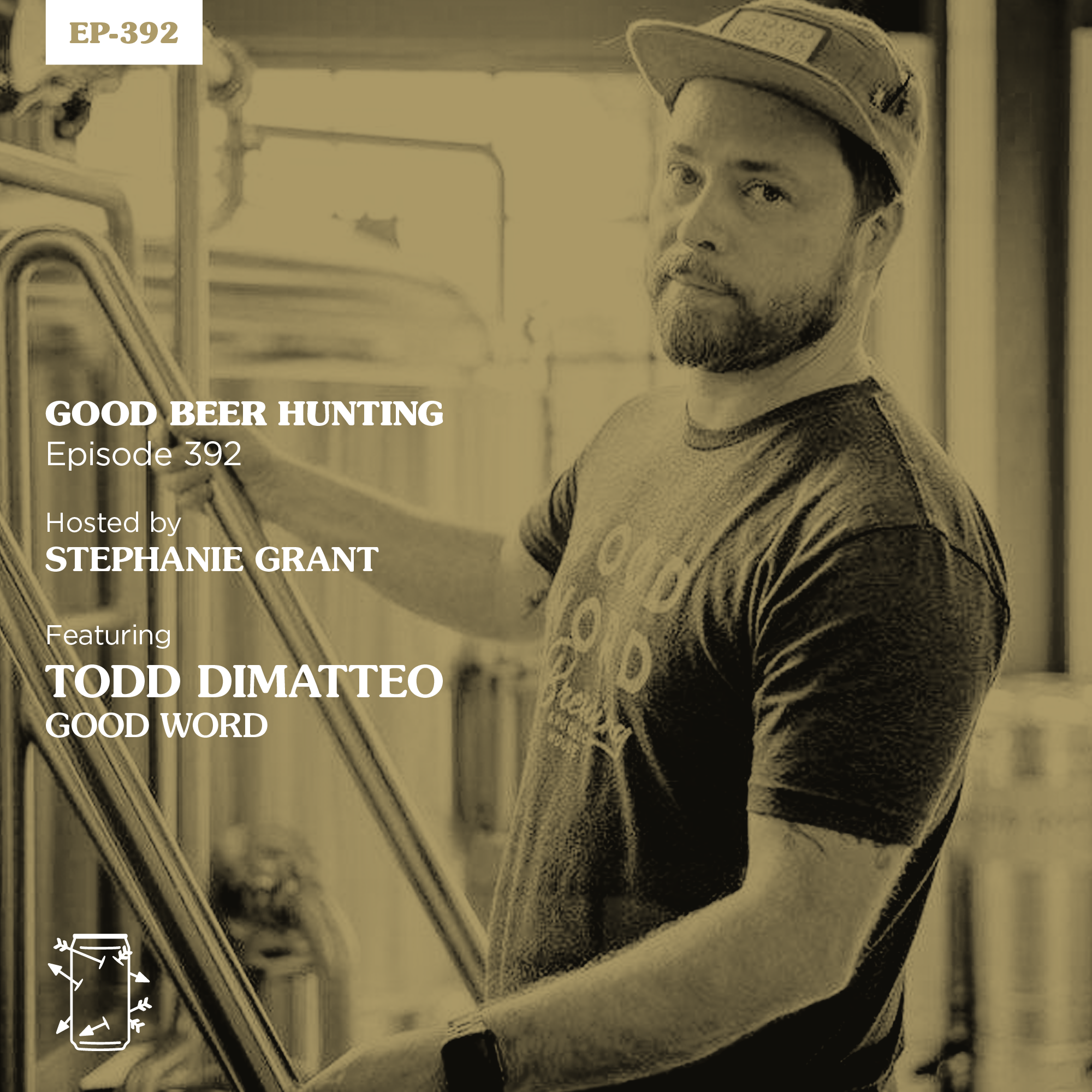
From the moment I stepped into Good Word Brewing in Duluth, I was impressed. The space is a take on old-world style with warm wood and plush booths—it's comfortable, cozy, and looks like it’s been there for decades even though it's fairly new. It's a place where you can settle in for a long while, and you'll want to because the food and beer are so exceptional that lingering is a pleasure. Todd DiMatteo, the owner of Good Word, has been at the helm since its opening in 2017. We first met in 2019 when I was working on a story highlighting the city of Duluth, and over the years, I continue to be impressed by his dedication to quality, community, and hospitality. It shows up in every aspect of the business, but especially his Lagers, which are clean and crisp and have enough flavor to keep your palate engaged without overdoing it. With their sixth anniversary approaching, I thought it would be a good time to catch up with Todd and reflect on everything he's been able to accomplish over the years. You'll hear him share some of his stumbles along the way and how he keeps himself engaged as a brewer. We also talk about why so many of the beers on his menu are decocted, how he balances his beer descriptions for beer geeks and novices, and his approach to beer events.

2023 is drawing to a close, so it’s time to take a look back at the year to see what happened, what’s happening, and what might happen in the coming months. This is the Gist with Kate Bernot and me, Beth Demmon, where we examine the biggest stories happening in beer and beyond so you know everything you need to know. It’s time for The Gist.
