


The Virtual Memories Show


About
Available on








Community
652 episodes

How did an eBay search lead to the discovery of a lost classic of comics? How can art help us build a better America? Artist and teacher Keith Mayerson https://keithmayerson.com joins the show to talk about co-editing the amazing new book, Frank Johnson: Secret Pioneer of American Comics, Vol. 1 (Fantagraphics) and his multi-decade "wordless novel" in paintings, My American Dream (Karma). We get into how Frank Johnson made of pages of comics in private, never published, and may have created the first American comic-book in history, whether he constitutes an Outsider Artist, how his creative legacy contrasts with Henry Darger's, and what it means to make a lifelong body of work with no sense or expectation of a readership. We also get into Keith's project, its roots in 9/11 & the GWBush era, how his paintings play off of each other like panels in a comic (and how the curation of art exhibitions is a form of comics), the mash-up of key cultural figures of modern America, his art-subject trinity of James Dean, Elvis, and Keanu Reeves (and his story of meeting Keanu), how works to synthesize aspects of Warhol & Rembrandt (& Haring), and the vitality of his painting of Kermit the Frog on a bicycle and the significance of the Muppets in his vision of America. Plus we discuss Keith's art & comics upbringing, the process of building comics programs at SVA and USC, his cult classic queer horror graphic novel with Dennis Cooper, the artistic act of suturing in to his subjects, why the job of art is keeping hope alive, how he felt when he found a parallel, secret history of comics taking place solely in one person's mind, and a lot more. Follow Keith on Instagram https://www.instagram.com/keithmayerson/ • More info at our site • Support THE VIRTUAL MEMORIES SHOW via Patreon or Paypal https://paypal.me/vmspod and via our e-newsletter


Classicist Edith Hall https://edithhall.co.uk joins the show to talk about her fantastic, important new book, FACING DOWN THE FURIES: Suicide, the Ancient Greeks, and Me (Yale University Press). We talk about the taboo of talking about suicide, how that taboo can lead to transgenerational damage, how that compares to the family curses in Greek tragedies, and what the Tragedians have to teach us about life (and death) today. We get into her grandmother's suicide and her mother's conspiracy of silence around it, her own suicidal ideation and how helped her through her worst phase, the way sprung from Edith's previous book, Aristotle's Way, the process of researching her family history after her mother's death, and how embodies It Gets Better. We also get into the gender difference of existentialists and the crappy behavior of male philosophers, the gender difference in our readings of , why she's Team (and supports my reading of Achilles' tragedy), the one Greek tragedy that she wishes survived to reach us, and a lot more. Also, I go LONG in the intro about some family stuff that came up in the lead-in to this episode. It should go without saying: content/trigger warning if discussions about suicide are a problem for you. Follow Edith on Twitter https://twitter.com/edithmayhall • More info at our site • Support THE VIRTUAL MEMORIES SHOW via Patreon or Paypal https://paypal.me/vmspod and via our e-newsletter

LEAN INTO DEAN! Cartoonist, playwright, schmoozer, etc. Dean Haspiel returns for a Bonus Episode to talk about his new Kickstarter, THE RED HOOK X DEAN HASPIEL (closing March 28, 2024)! We get into why he's making the plunge into Meta-Mem-Noir and bringing Dean Haspiel as a character into his New Brooklyn comics universe, what it's like to be part of the story, and how this podcast is also becoming more autobiographical with each passing week. Plus, we talk about getting old and not being able to stay out all night (even though he tried this weekend), what it's like to treat comics as a reductive art rather than a rendering one, the play Dino's working on, what he's learned from his previous Kickstarter projects, Covid Cop and Billy Dogma and Jane Legit, why he's holding off on reading the finale of Howard Chaykin's Time2 project, and more! Follow Dean on Substack https://deanhaspiel.substack.com, Instagram and . . . LiveJournal!? • More info at our site • Support THE VIRTUAL MEMORIES SHOW via Patreon or Paypal https://paypal.me/vmspod and via our e-newsletter

With his brand new collection, THE WEREWOLF AT DUSK and Other Stories (Liveright), David Small http://davidsmallbooks.com brings us a trio of stories about the beast within (that is, within the heart, within the psyche, and within the body politic). We talk about the on-and-off 40-year history of this collection, the themes of transformation and aging that suffuse these stories, and the schism in Leonora Carrington's estate that nearly derailed the whole project. We get into the the challenges of adapting prose fiction into comics, his move from graphic novels (think Stitches and Home After Dark) to short stories, why he's come to love drawing digitally, and just how bad most surrealist fiction can be. We also discuss the decline in kids' books, our respective life changes from 2020's COVID check-in, his Truman Capote kick, how we deal with monstrous artists, how hard he has to work to make his drawings look like they were done in 15 seconds, and a lot more. • More info at our site • Support THE VIRTUAL MEMORIES SHOW via Patreon or Paypal https://paypal.me/vmspod and via our e-newsletter

With RADIANT: The Life and Line of Keith Haring https://bookshop.org/a/4669/9780062698261 (Harper), Brad Gooch brings us the biography of Keith Haring https://www.haring.com, an artist who transformed public art & the art world in the 1980s and whose work has become part of global culture in the three decades since his untimely death from AIDS. We get into Brad's common threads with Haring, the parallels between this book and his biography of Rumi, how fatherhood helped Brad better understand Haring, and his surprise at discovering what a serious artist Haring was. We talk about why Haring's work makes more sense now than in the '80s, what he would have made of social media, the fire that drove him to make more than 10,000 pieces of art in his decade-plus career, the relationship of Haring to artists of color (among other race issues), where the Radiant Baby image came from, and what the younger gay population doesn't know about the AIDS crisis. We also discuss the incredible memorial of Keith and Howard Brookner https://bookshop.org/a/4669/9780062354969 at a recent Madonna concert, why 60 is a great age to start having kids, how Instagram reminds him of '80s social life, the parallels between the AIDS crisis and the early months of COVID, what Brad's learned in the course of writing four biographies, why Barbra Streisand's memoir reminds him of Karl Ove Knausgaard's https://bookshop.org/a/4669/9780374534141 (!), and more. Follow Brad on Instagram https://instagram.com/bradgooch and listen to our 2015 http://chimeraobscura.com/vm/episode-114-roller-coaster and 2017 conversations, and check out the Nakamura Keith Haring Collection https://www.nakamura-haring.com/en/ • More info at our site https://chimeraobscura.com/vm/episode-579-brad-gooch • Support THE VIRTUAL MEMORIES SHOW via Patreon or Paypal https://paypal.me/vmspod and via our e-newsletter

No conversation this week, except for our host, GIL ROTH, in conversation with some virtual memories of his own! On the occasion of going to the movies for the first time since 2018, to see Wim Wenders’ amazing new film Perfect Days, he reflects on a cusp-of-pandemic trip to Japan. This one’s got Keith Haring & Koji Yakusho, a misplaced fortune, The Tokyo Toilet, an empty parking lot, Country & Western, a special 5K run, a big bag of Kit-Kats, and more, so give it a listen. • More info at our site https://chimeraobscura.com/vm/episode-578-japan • Support THE VIRTUAL MEMORIES SHOW via Patreon or Paypal https://paypal.me/vmspod and via our e-newsletter
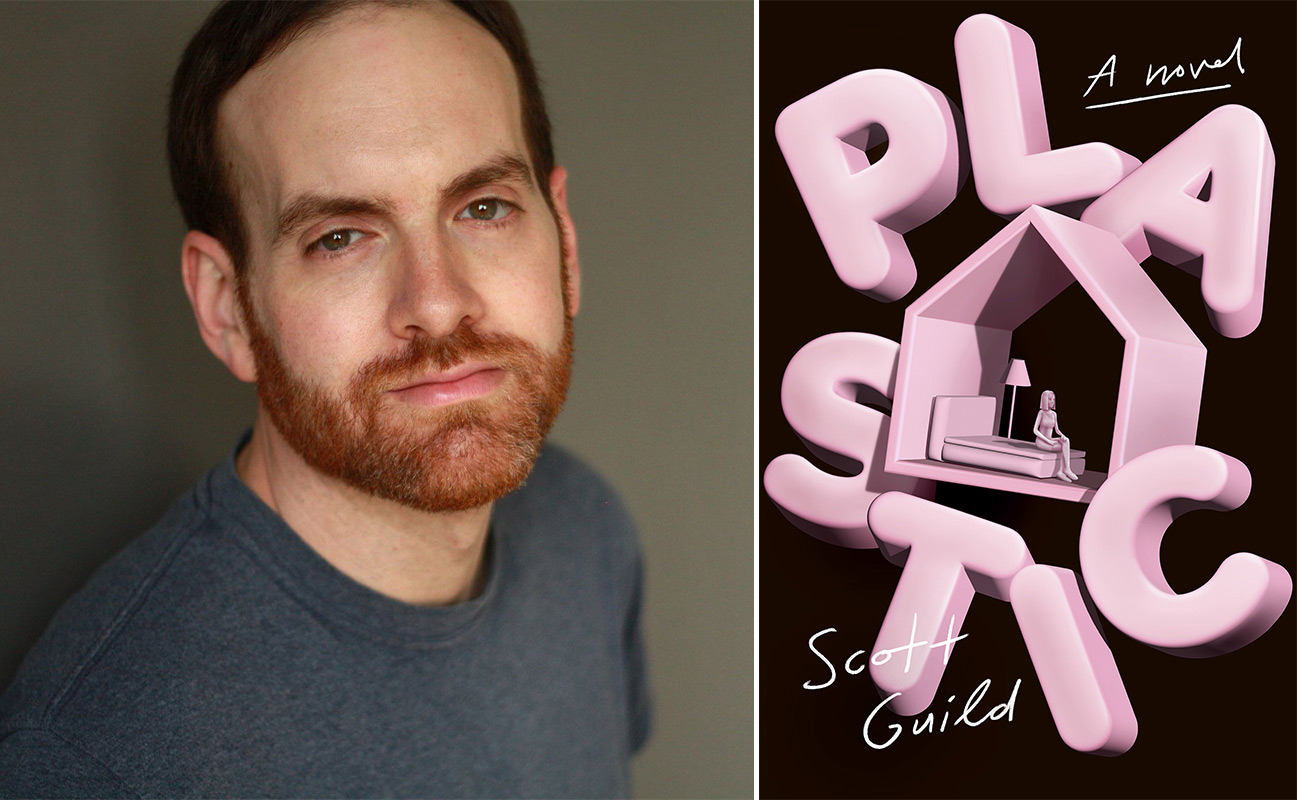
With his fantastic debut novel, PLASTIC (Pantheon), Scott Guild https://www.scottguild.com brings us a dystopian future of eco-terrorism, meta-reality, and . . . a world populated by plastic figurines who break out in song? We talk about the 10-year process of writing the book, how he found the stylistic elements that made it work, and why making the lead characters plastic let him bring comedy into his apocalyptic vision of the future. We get into Scott's history as a musician and how songwriting differs from fiction, the album he made https://www.scottguild.com/plasticalbum (with all sorts of great artists) to accompany the novel, why he'd love to do live performances of it, and how the songs changed genre from the ones in the novel. We also discuss his writing influences, esp. Kafka & Plath, why he dedicated to his high school English teacher, how he accidentally created his own Barbenheimer (the Barbie https://www.imdb.com/title/tt1517268 movie created a conceptual entry point for readers, but the characters are under the Oppenheimer-esque shadow of a nuclear war), why he didn't show his novel to his wife until 3-4 months before their wedding, whether he played with dolls as a kid (spolier: we both did), who wins in the Dostoevsky-Tolstoy Steel Cage Match, and a lot more. Follow Scott on Twitter https://twitter.com/_scottguild and Instagram • More info at our site • Support THE VIRTUAL MEMORIES SHOW via Patreon or Paypal https://paypal.me/vmspod and via our e-newsletter

What is the meaning of Cleveland? Cartoonist Aaron Lange joins the show to talk about AIN'T IT FUN: PETER LAUGHNER & PROTO-PUNK IN THE SECRET CITY (Stone Church Press), his breathtaking new graphic novel that weaves together obscure records, urban legends and psychographic history. We talk about Aaron's fascination with Cleveland's punk scene, why the musician Peter Laughner https://en.wikipedia.org/wiki/Peter_Laughner stood out to him, the way Cleveland's hidden landmarks pointed him toward this massive project. We get into the research and interviews Aaron conducted for , the process of editing this work into a looping, flaneur-like, discursive (but never aimless) narrative, and the influence of Greil Marcus' Lipstick Traces, Iain Sinclair's Lud Heat, and Adam Curtis' documentaries. We also discuss post-Laughner Pere Ubu, using graphic design rather than panel-to-panel cartooning, visiting the zodiac circle by the Cleveland Museum of Art at all 4 equinoxes, chronicling the city's brutalist architecture, the constraints of the comics market on a book that defies easy description, and a lot more. Follow Aaron on Instagram https://www.instagram.com/aaronlangecomix/ and support Stone Church Press via Patreon (which doubles as Aaron's blog) • More info at our site https://chimeraobscura.com/vm/episode-576-aaron-lange • Support THE VIRTUAL MEMORIES SHOW via Patreon or Paypal https://paypal.me/vmspod and via our e-newsletter

With Marcus Aurelius: The Stoic Emperor https://bookshop.org/a/4669/9780300256666 (Yale University Press), author & therapist Donald J. Robertson brings us the life and philosophy of the last of the Five Good Emperors. We talk about how knowing the life and travails of Marcus Aurelius helps one understand how to lead a Stoic life, how the Antonine Plague compares with our life in Pandemia, the reasons Donald found modern biographies of Marcus Aurelius wanting, and how this book brought him new understanding of the intricacies of Ancient Roman life and Marcus Aurelius' big decisions. We also get into the role of Stoicism in his own life and how that philosophy's been debased into the unhealthy "lower-case stoicism", the literal toxicity of being a tough guy, how Stoicism and its nuanced view of emotions inspired modern Cognitive Behavioral Therapy, why the psychotherapy field is resistant to acknowledging Stoicism's contribution, and why Freudians disapprove (think symptom substitution). We discuss the importance of building emotional resilience and understanding one's value judgements, Robert Burns' role as a gateway drugs to Stoicism, the alternate history in which Socrates was part of Christian tradition, Donald's Eureka! moment and how he accidentally became a writer, how Wilko Johnson can help me live a fuller mortal life, and a more. Follow Donald on Twitter https://twitter.com/DonJRobertson, Facebook and Instagram, and subscribe to his Substack and his podcast • More info at our site • Support THE VIRTUAL MEMORIES SHOW via Patreon or Paypal https://paypal.me/vmspod and via our e-newsletter

With her incredible new book, THE FURIES: Women, Vengeance, & Justice (Harper), journalist Elizabeth Flock https://www.lizflock.com explores the lives of three women who responded to violence with violence, and how they run up against the social institutions that seem designed to grind them down. We get into how the book grew from her interest in female vigilantes and her own experience of sexual violence, how she wound up reporting on the YPJ all-women army in Syria (but didn't tell her mom until a few days before flying out there), how we try to reconcile revenge and a just world, and how cultures of honor wreak havoc on women and men. We talk about how she balanced reporting with the near-mythic characters of some of her subjects, what she's learned over 15+ years in journalism (including how not to re-traumatize her subjects as they tell her their stories), the mind-body connection & how wrecked her body got by the time she finished writing this book, and how she went into this book starry-eyed and came away with a muddied picture. And we discuss how flexible podcasts are for journalistic storytelling, how women and men have responded to , what it was like reporting during the pandemic, guns & gun culture (& my embarrassing gun story), that time her dad took her to a murder scene when she was a kid (tbf, he was a journalist), having her first child a few months ago, whether things are getting a better for women, and a lot more. Follow Liz on Twitter https://twitter.com/lizflock and Instagram • More info at our site • Support THE VIRTUAL MEMORIES SHOW via Patreon or Paypal https://paypal.me/vmspod and via our e-newsletter

Hey! Anything good on TV? No? Then listen to legendary film critic David Thomson as we discuss his amazing new book, REMOTELY: Travels in the Binge of TV (Yale University Press)! David & I get into how TV has changed and how it's changed us, the communal experience of going to the movies vs. sitting on the sofa, the ways his relationship with his wife deepened in front of the tube during lockdown (and why he gave her some of the best lines in ), and the personal, political, & social implications of watching crap over a long period of time. We talk about falling into the stream of streaming, how advertising was the snake in American TV's garden, BBC's very strange exception for its licence fee, the courage in actually writing about what he's watching (even though isn't a critical guide), and what made special to him. We also discuss Clive James' transformation of TV criticism, the end of a golden age of TV, the importance of live sports events, the joy of seeing in a packed theater, how everything points to a world where no one is in charge, and a lot more. • More info at our site • Support THE VIRTUAL MEMORIES SHOW via Patreon or Paypal https://paypal.me/vmspod and via our e-newsletter

With his graphic novel, BLOOD OF THE VIRGIN (Pantheon), Sammy Harkham tells a story of personal and professional disintegration, against the backdrop of exploitation movies and the Iraqi Jewish diaspora in '70s L.A. We get into the obsessions and family lore that drove him to make the book, why it took him 14 years to complete it, what it means to focus on the 'novel' part of 'graphic novel', and how craft is always trying to catch up to ambition. We talk about the need to get past the cliches of the 'inside Hollywood' story, what he learned about his process over the course of making this book, why he didn't read the earlier chapters until he finished the story, and the John Steinbeck advice that got him over the finish line. We also discuss his comics upbringing, his thoughts on the late Joe Matt, the Jim Woodring panels that have haunted him for decades, the joyful anxiety of not knowing what his next project will be, and a lot more. Follow Sammy on Instagram • More info at our site • Support THE VIRTUAL MEMORIES SHOW via Patreon or Paypal https://paypal.me/vmspod and via our e-newsletter

The great cartoonist and humorist Ed Subitzky gets his long-delayed due with the new collection, POOR HELPLESS COMICS! (New York Review Comics). We talk about Ed's amazing career at National Lampoon, how he developed his "can't draw' style after taking a cartooning class with RO Blechman http://chimeraobscura.com/vm/episode-218-ro-blechman & Charles Blackman , how the Rapidograph became his Excalibur, and why this collection includes some of his favorite prose pieces alongside all the comics. We get into how he began experimenting with the form & structure of comics, his lifelong curiosities for science and philosophy and how he wound up getting published in the , his longtime career writing direct marketing pieces, and how it took preparing this book and looking back at his work for him to realize his comics were funny. • More info at our site • Support THE VIRTUAL MEMORIES SHOW via Patreon or Paypal https://paypal.me/vmspod and via our e-newsletter
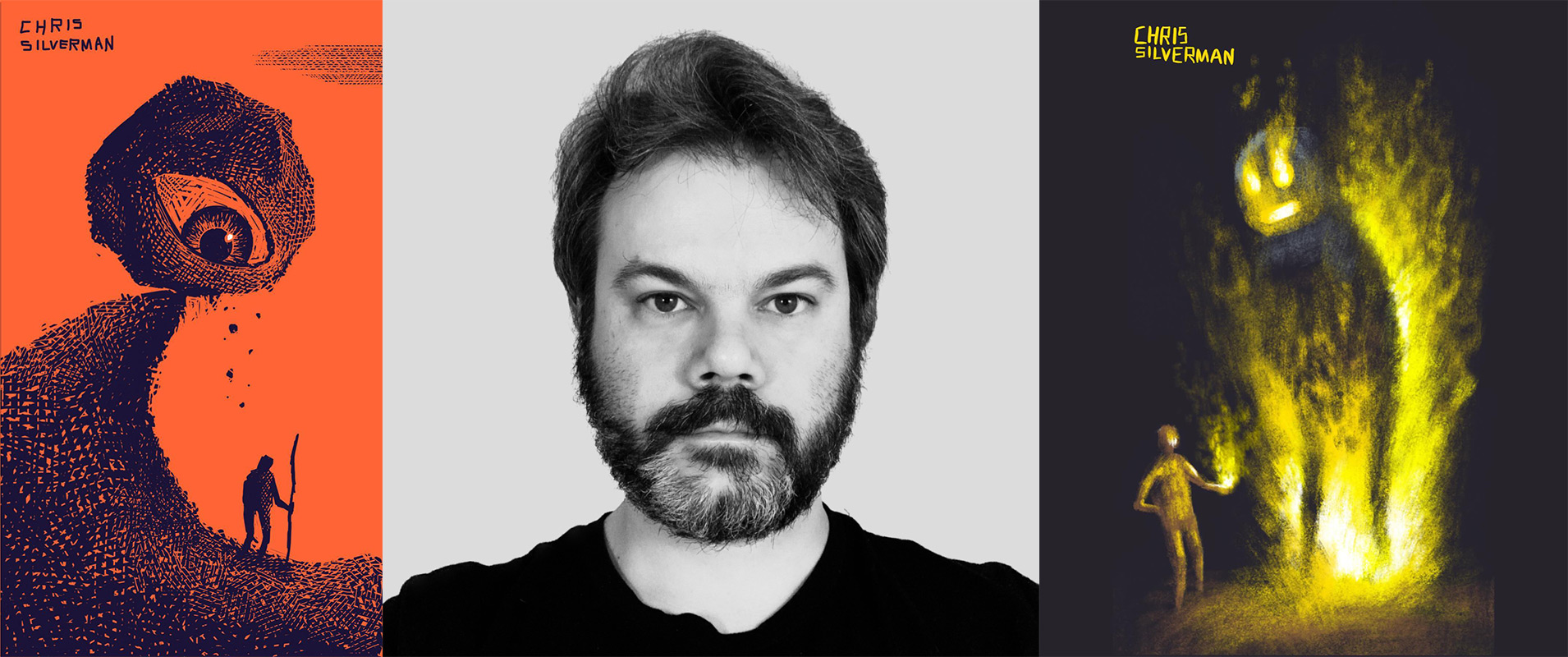
Did you make a 2024 resolution to put down your phone? This week's guest might make you rethink that! Chris Silverman has been making gorgeous, weird, haunting artwork daily for more than 2 years, using only his iPhone's Notes app and his fingertips. We get into how #notesArt began, how it's evolved, what his drawing process is like, what it's been like to build an audience for his art, and how viewers bring their own meanings to his #notesArt. We talk about the challenges of keeping up a regular art practice (daily!), how upgrading to iOS17 jump-started his new creative phase, the artists and cartoonists who influence him, whether Undo is his friend or enemy, his fascination with traffic lights, empty buildings, and masks, and the subconscious burbling that gives birth to the images he draws. We also share our thoughts on mortality, authenticity and identity, what it means to share your art with the world, the pressure that comes when someone is watching, and a lot more! Follow Chris & #notesArt on Instagram https://www.instagram.com/csilverman/, Mastodon, Glass http://glass.photo/csilverman, and at notes.art • More info at our site • Support THE VIRTUAL MEMORIES SHOW via Patreon or Paypal https://paypal.me/vmspod and via our e-newsletter

Our host, Gil Roth, closes out 2023 with the story of a week of transformations! This one's got a Yom Kippur fast gone trippy, and a bathroom-door-induced concussion, a lightning-bolt realization about grief and mourning, a secret mission at a comics festival in Ohio, the Book of Life & the books of the dying, a pharma conference, crying eyes and deaf ears and a mess of signs & portents, plus a dwarf, a salamander, David Koechner and a more. But seriously, it's about coming to terms with the loss of a dear friend, and what it means to know you're not alone, so give it a listen. More info at our site • Support THE VIRTUAL MEMORIES SHOW via Patreon https://patreon.com/vmspod or Paypal and via our newsletter

Seventeen of this year's guests tell us about the favorite books they read in 2023 and the books they hope to get to in 2024! Guests include HO CHE ANDERSON, JOSH BAYER, HOWARD FISHMAN, PRISCILLA GILMAN, BILL GRIFFITH, DEAN HASPIEL, SARA LIPPMANN, PATRICK MCDONNELL, JAMES MCMULLAN, LISA MORTON, JONATHAN PAPERNICK, ANDREW PORTER, DAWN RAFFEL, PAUL B. RAINEY, PETER ROSTOVSKY, SCOTT SAMUELSON, and KARL STEVENS (+ me)! • More info at our site • Support THE VIRTUAL MEMORIES SHOW via Patreon https://patreon.com/vmspod or Paypal and by subscribing to our Substack

For the last guest-episode of 2023, art critic Jarrett Earnest joins me to celebrate his beautiful new book, VALID UNTIL SUNSET http://matteeditions.com/sunset/ (Matte Editions), which brings together his Polaroids and a second-person narrative to create a bewitching trip through memory, art, grief, friendship, and more. We talk about how the sudden death of his father paralyzed and then catalyzed him, the importance of making art before fully recovering from a bad experience, how the artist's job is to be a question mark, and how a Nan Goldin exhibition started him on taking pictures of the people and places that mattered to him. We get into his friendships with Genesis P-Orridge and Peter Schjeldahl, and Genesis' imprecation to do/make/be the Most Fabulous Imaginable Version, the importance of road trips and pilgrimages, what he learned from interviewing a series of art critics, the freedom & addictiveness of writing in the second person, why we need to make an argument about why any art matters at all today, and why he loves writing about artists he knows. Plus, we discuss the value of public-facing life in NYC, how it felt to perform selections from , how he thinks of writing in terms of shape, the importance of having a really good analyst and really dumb personal trainer, why you don't need to be part of Barbenheimer, and a lot more. Follow Jarrett on Instagram https://instagram.com/angelic_transmissions and subscribe to his Substack • More info at our site • Support THE VIRTUAL MEMORIES SHOW via Patreon or Paypal https://paypal.me/vmspod and via our Substack

With his new book, ZERO AT THE BONE: Fifty Entries Against Despair (FSG), Christian Wiman fuses essay, poem, memoir and anthology in a singular work that explores how the act of writing a poem is a gesture of faith. We talk about the varieties of despair and joy, the question of whether the world is chaos or has order, and whether the relationship between art and life is a tension or an actual antipathy (as Henry James would have it). We also get into the urgency of mortality and the rare cancer that almost killed Christian on three separate occasions (including this year), the notion of having a calling and the difference between and callings, who we're trying to reach when we write a poem, whether Philip Larkin's Aubade is a poem of pure despair, how literature has taken the place of sacred texts, and what he's learned from teaching at Yale Divinity School. We also discuss The Void & how to tune it out, his thoughts on faith and Christ and how the incarnation of God in Jesus sacralizes the physical world, where poetry began for him, whether joy is passed down epigenetically like trauma (allegedly) is, what it's like having a Ninja Blender for a brain, coming around on poets in translation like Yehuda Amichai, the meaning of existence, and a lot more (I mean, if you can a lot more after the meaning of existence). More info at our site • Support THE VIRTUAL MEMORIES SHOW via Patreon or Paypal https://paypal.me/vmspod and via our Substack

With the 60th anniversary of the assassinations of JFK & Lee Harvey Oswald, Danny Fingeroth http://dannyfingeroth.com brings us the new biography, JACK RUBY: The Many Faces of Oswald's Assassin https://bookshop.org/a/4669/9781641609128 (Chicago Review Press). Danny & I talk about what drew him to tell Ruby's story, how many JFK conspiracy rabbit-holes he had to avoid, the challenges of separating Ruby's life from myth & speculation, and how the bio began as a graphic novel collaboration with Rick Geary (!) before its prose incarnation (although he's still hoping for an adaptation). We get into what he learned from talking to Ruby's rabbi, Hillel Silverstein, the figures he would have loved to interview for this book, what Ruby's siblings & their kids went through in the aftermath of Jack's moment of infamy, the circus of Ruby's murder trial and Melvin Belli's failed epilepsy defense, and the danger of treating Ruby's life like a sitcom. We also discuss Danny's dizzying résumé, including his 20-year run as a writer & editor at Marvel Comics, discovering himself as a biographer with Stan Lee: A Marvelous Life https://bookshop.org/a/4669/9781250766182, the complexity of the (working) relationships of Lee, Jack Kirby & Steve Ditko, the surreal of experience of meeting Gabe Kaplan while promoting , and more! Follow Danny on Twitter http://twitter.com/dannyfingeroth, Facebook, Instagram, and Bluesky • More info at our site • Support THE VIRTUAL MEMORIES SHOW via Patreon or Paypal https://paypal.me/vmspod and via our Substack

With The Nib https://thenib.com, cartoonist & editor Matt Bors helped build an online (and print!) venue for political satire, graphic journalism and non-fiction comics that featured some of the best names in comics and gave space to a bazillion up-and-comers. Matt & I sat down during CXC to talk about his decision to close down after 10 years, how it felt to bring together the best political cartoonists under a single online umbrella, how tech money giveth and taketh away, and what this fall's farewell tour means to him. We get into what comes after (like Justice Warriors comic), how it felt to see one of his comics displayed on the floor of the House of Representatives, the challenges & rewards of building a diverse roster of cartoonists, why he always wanted a print companion of , and how mainstream comics and dystopian science fiction have always held an appeal for him (and why he'd love to do more with his Wasteland characters). We also discuss how it feels to have traded America for Canada and how the move has changed his perspective, the ways his post- self spends less time getting mad online, how he plans to catch up on all the comics he's missed in the last decade, what it's like having his first two-week stretch as an adult without immediate editorial deadlines, and more! Follow Matt on BlueSky https://bsky.app/profile/mattbors.bsky.social, Twitter, Facebook https://www.facebook.com/mattbors and Instagram • More info at our site • Support THE VIRTUAL MEMORIES SHOW via Patreon or Paypal https://paypal.me/vmspod and via our Substack

With his new collection, A YEAR AND A DAY: AN EXPERIMENT IN ESSAYS (NYRB), master essayist Phillip Lopate https://poets.org/poet/phillip-lopate explores the world & himself through the mode of a weekly blog. We get into how he adapted to a short, time-constrained essay form for , how he avoided The Columnist's Curse (limitless curiosity helps!), whether an essayist can truly write about anything, and how he has and hasn't changed since the 2016-17 period in which he wrote these pieces. We talk about Phillip's integration of the private and public self in his writing, how his wife & daughter felt about being included in this book, the question of whether he's fulfilled as a writer, why he hides his journal, and how editing the three Great American Essay https://bookshop.org/a/4669/9780525436270 collections allowed him to leave something canonical behind for students & readers. We also discuss how it feels when readers thinking they know him from his essays, how his books and essays add up to a fragmentary, lifelong memoir (and why he'll likely never write an actual memoir or autobiography), why his multiple myeloma diagnosis was more of a psychological hit than a physical one, how he found himself working on a biography of Washington Irving, the benefits of a fragmentary unitary self, the career validation of being inducted into theAmerican Academy of Arts & Letters https://artsandletters.org/pressrelease/2022honors/, and a LOT more. • More info at our site • Support THE VIRTUAL MEMORIES SHOW via Patreon or Paypal https://paypal.me/vmspod and via our Substack

With her wonderful, hilarious & heartfelt new graphic novel, Brooklyn's Last Secret https://bookshop.org/a/4669/9781770466340 (Drawn & Quarterly), cartoonist Leslie Stein https://www.instagram.com/leslieamstein/ brings us the story of Major Threat, a getting-over-the-hill indy band on tour. During SPX 2023, we talked about how she mined the raw material of her own rock & roll tour experiences (and those of her friends) to make a comedy about touring life, why she started it during COVID lockdown in 2020, and how serializing it on Instagram served as an antidote to doomscrolling. We got into the evolution of her cartooning style and how she finds new modes to work in, the expectations vs. the reality of artistic life, the experience of going viral with a comic about Nirvana T-shirts (and her time playing in a Nirvana cover band). We also discussed going back to cons & festivals, why it's important to be an entertaining panelist, the role of music in art-making, why it's best to open up emotionally to your bandmates when on tour, and more. Follow Leslie on Instagram and go buy some of her original pages • More info at our site • Support THE VIRTUAL MEMORIES SHOW via Patreon or Paypal https://paypal.me/vmspod and via our Substack
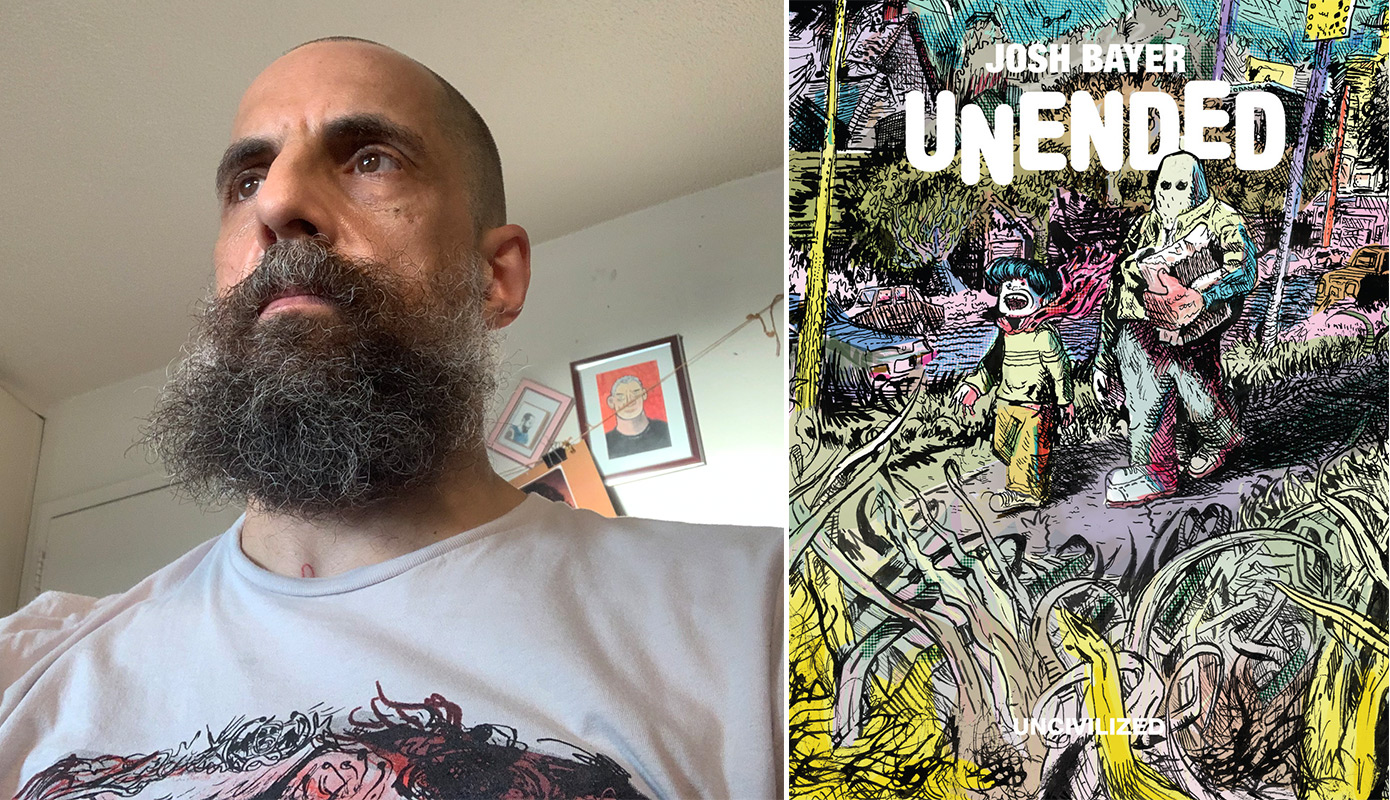
With his new graphic novel/memoir, UNENDED (Uncivilized Books), cartoonist Josh Bayer explores family trauma, memory, art, and more. We get into how Josh spent five years trying to adapt his late father's unfinished play into a comic, the ways it did & didn't help him come to terms with his father's life and his mother's death, and why he blurs out his character's face on the page. We talk about the punk rock inspiration in his writing and art, the systems he uses to pull him out of storytelling morasses and how he learned to teach them to his students, learning to cope with his ADD (and wondering whether I have it too), studying at SVA in his 30s, and why he pursued comics over fine art. We also discuss mental health and treatment and how we deal with our father-issues, Josh's recent stint working at Carol Tyler's Ink Farm, the impact of the Masters of 20th Century Comics exhibition on his career, why it's tough to be Rollins, the question of whether he's forgiven his dad, and a more. Follow Josh on Facebook https://www.facebook.com/joshbayer and Instagram • More info at our site • Support THE VIRTUAL MEMORIES SHOW via Patreon or Paypal https://paypal.me/vmspod and via our Substack

With The Secret Life of John le Carré https://bookshop.org/a/4669/9780063341043 (Harper), Adam Sisman reveals the secrets he couldn't publish in 2015's John le Carré: The Biography https://bookshop.org/a/4669/9780062106285, and explores how serial deception & betrayals — through the multiple affairs le Carré (a.k.a. David Cornwell) conducted during both of his marriages — can provide a key to understanding the late, great spy novelist. We get into how Adam became a combo detective-psychoanalyst-confessor during his work on the biography, how he learned of le Carré's messy private life, why he decided to wait until after the author and his wife had died before publishing this new book, and whether he felt le Carré was manipulating him during their interviews. We talk about le Carré's monumental achievements chronicling the Cold War and Britain's decline (& his top 3 le Carré novels), the man's undeniable charm & his self-mythologizing, the times when he thought the biography might not happen, how he felt when le Carré published a memoir after Adam's biography came out, and the ways in which le Carré's upbringing — abandoned by his mother, reared by a con man father he struggled to escape from — may have contributed to his devotion to duplicity & seduction. We also discuss the moment Adam realized that biography is a human process, his thoughts on the new Errol Morris documentary with le Carré, the limits of interviews in general (NO!), what it means to put le Carré behind him with this new book, and plenty more. • More info at our site • Support THE VIRTUAL MEMORIES SHOW via Patreon or Paypal https://paypal.me/vmspod and via our Substack

Let's celebrate spooky season with The Art of the Zombie Movie (Applause Books)! Author Lisa Morton https://lisamorton.com & I talk about her new book and the fun of researching the history of zombies in pop culture and folklore, the challenge & joy of assembling the 500 illustrations in the book (including one-sheets, stills, alternative art, and more), and how she got messed up at an early age by Dawn Of The Dead https://www.imdb.com/title/tt0077402/. We get into her history of horror (it was all over once she saw The Exorcist), how she found herself as a writer and wound up with 6 Bram Stoker Awards®, her take on fast vs. slow zombies, and what she found researching the George Romero papers at UPitt. We also discuss her experience as a bookseller in Los Angeles (go, Iliad Bookshop!), getting her heart broken by screenwriting, her work to bring the classic Fantasmagoriana anthology to a new reading public, and a lot more. Follow Lisa on Instagram, Facebook and Substack • More info at our site • Support THE VIRTUAL MEMORIES SHOW via Patreon or Paypal https://paypal.me/vmspod and via our Substack

With MONICA https://bookshop.org/a/4669/9781683968825 (Fantagraphics), legendary cartoonist Daniel Clowes has pushed the limits of his storytelling and art to make one of the great graphic novels of the decade. We sat down during CXC weekend to talk about this amazing, haunting, hilarious book and how it grew out of his attempts at trying to figure out his childhood, the ways in which is haunted by the deaths of cartoonists Richard Sala and Gary Leib (oh, and those of Daniel's brother and mom), what art, community and mortality have come to mean to him, and how certain panels took him 5 years to draw. We get into what he's learned from using multiple genres within a single book, the artists who influenced him and the ones he had to escape, the 7-year gap from his previous book, PATIENCE, and what's changed, and his late-stage depression at finishing . We also discuss how he was always awaiting the shift from pamphlet-comics to hardcover original books, how thankful he was to not be good enough to get work at Marvel or DC in his youth, what it's like writing and drawing his books without any editorial input, his only takeaway from writing for movies, the Americanness of his comics, why he prefers drawing over writing even though A) he's a really good writer and B) would never draw from someone else's script, the only advice he would ever give young artists, and a more. Follow Daniel (sorta) on Twitter and Instagram • More info at our site • Support THE VIRTUAL MEMORIES SHOW via Patreon or Paypal https://paypal.me/vmspod and via our Substack
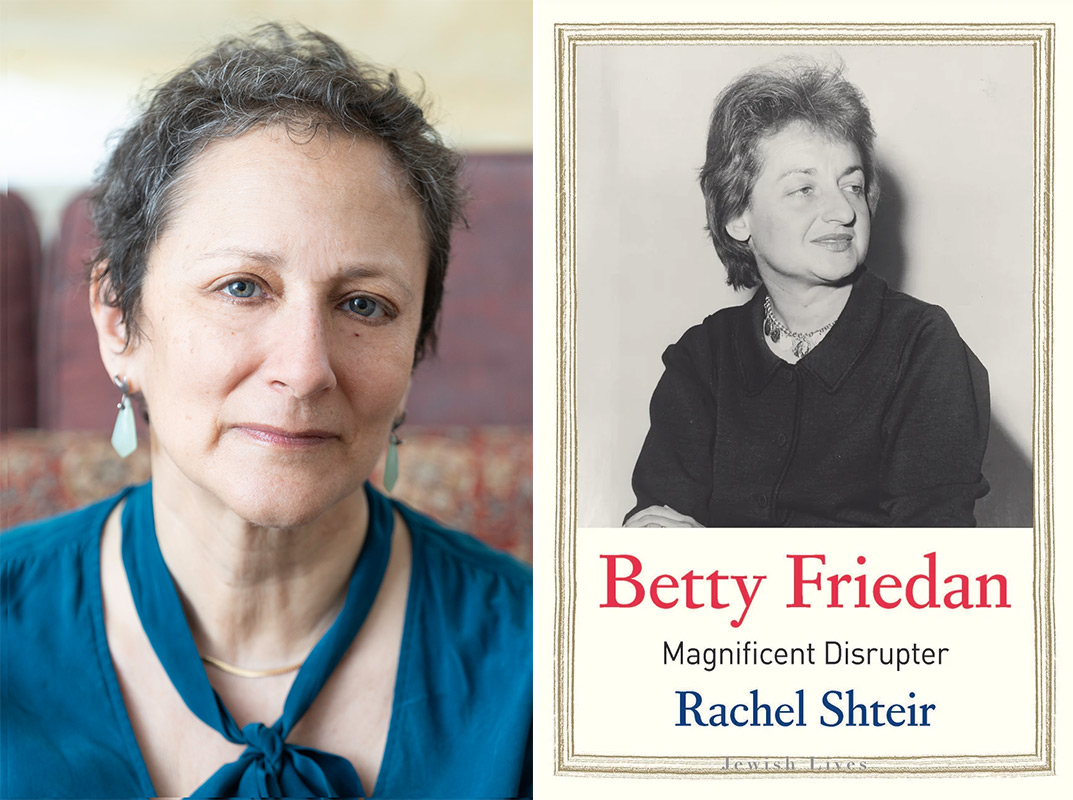
With her fantastic new biography, Betty Friedan: Magnificent Disrupter (Yale University Press), Rachel Shteir https://www.rachelshteir.com sheds light on a key figure in the women's rights movement. We get into how Friedan's The Feminine Mystique https://bookshop.org/a/4669/9780393346787 is being erased or glossed over by contemporary writing about women, how the 50th anniversary of sparked this biography, the challenge of balancing Friedan with her work and threading her life and the massive shift in women's rights she helped cause. We talk about Friedan's involvement in Esalen & Human Potential Movement and how it influenced her later work, why knowing her midwestern family upbringing is key to understanding her choices (good and bad), the battle between equal rights and sexual politics and how feminism got away from her, the intersection of Judaism and feminism, and how Friedan began to recognize her mistakes and try to correct for them over time. We also discuss how "What Would Betty Do?" in relation to today's politics and the Me Too movement (potentially not well), how Rachel finds synergies between biography and dramaturgy, and a lot more. Follow Rachel on Twitter https://twitter.com/RShteir and Instagram • More info at our site • Support THE VIRTUAL MEMORIES SHOW via Patreon or Paypal https://paypal.me/vmspod and via our Substack
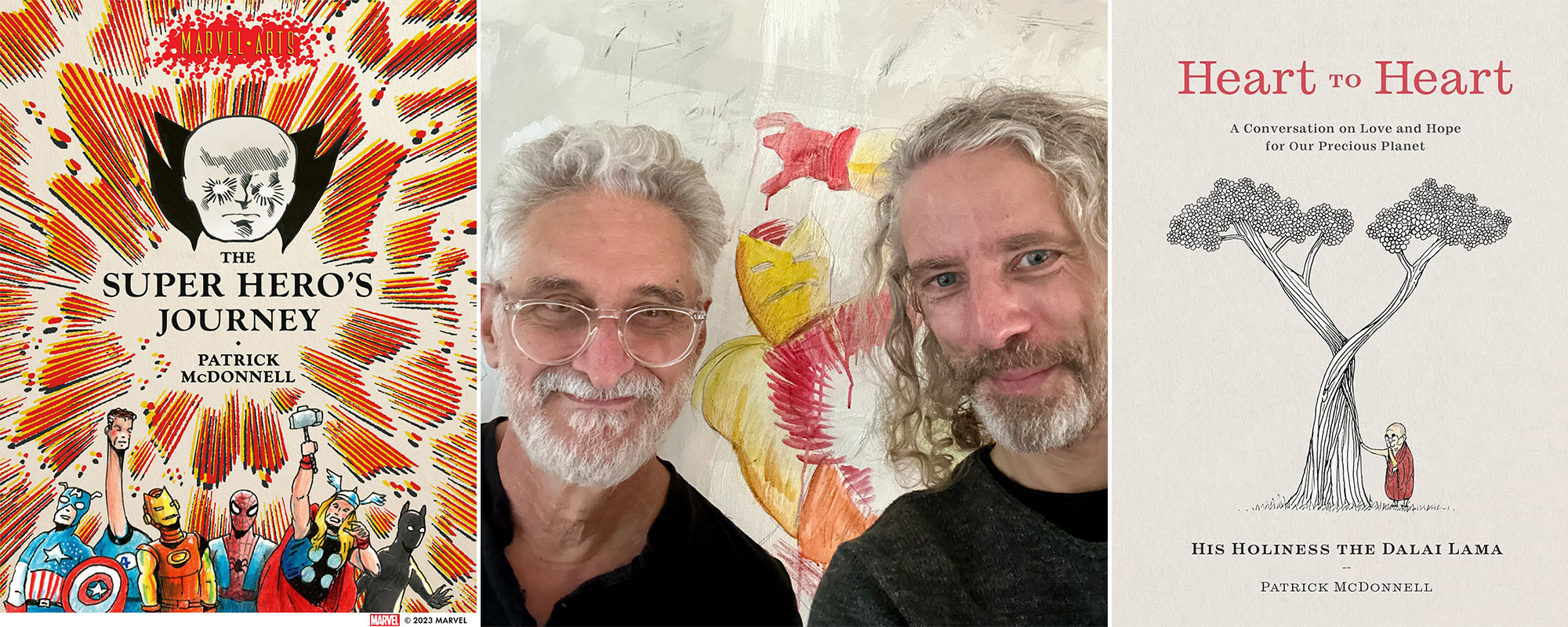
What's it like to put out books with Jack Kirby and the Dalai Lama in the same year? Legendary cartoonist & artist Patrick McDonnell rejoins the show to talk about his amazing new books THE SUPER HERO'S JOURNEY https://bookshop.org/a/4669/9781419769108 (Abrams ComicArts), his collaboration with the Dalai Lama, HEART TO HEART (Harper One), and more! We get into the secret origin of , the joy of getting to play with the comic-book characters of his youth and remix 1960s panels & pages with his own art & story, how he made a spiritual book disguised as a Marvel comic, and why the best art is when your mind is not involved. We also talk about the making of , Patrick's combination of minimal (but gorgeous) art with the Dalai Lama's words to tell a story of ecological survival, getting to meet the Dalai Lama in Dharmshala (& finding some bliss), and the struggle of drawing a cartoon version of His Holiness and his small nose. Plus we discuss the approaching 30th anniversary of his MUTTS https://mutts.com comic-strip and how Patrick keeps finding inspiration & fun in making it, how making books and paintings allows him to flex and play with his art, the ways making a comic strip parallels making haiku, the experience of showing his paintings at a exhibition at OSU in 2021, and how purposefulness suffuses Patrick's art & life. Follow Patrick & Mutts on Twitter, Facebook http://facebook.com/muttscomics and Instagram (here's Patrick's Instagram) • More info at our site • Support THE VIRTUAL MEMORIES SHOW via Patreon or Paypal https://paypal.me/vmspod and via our Substack
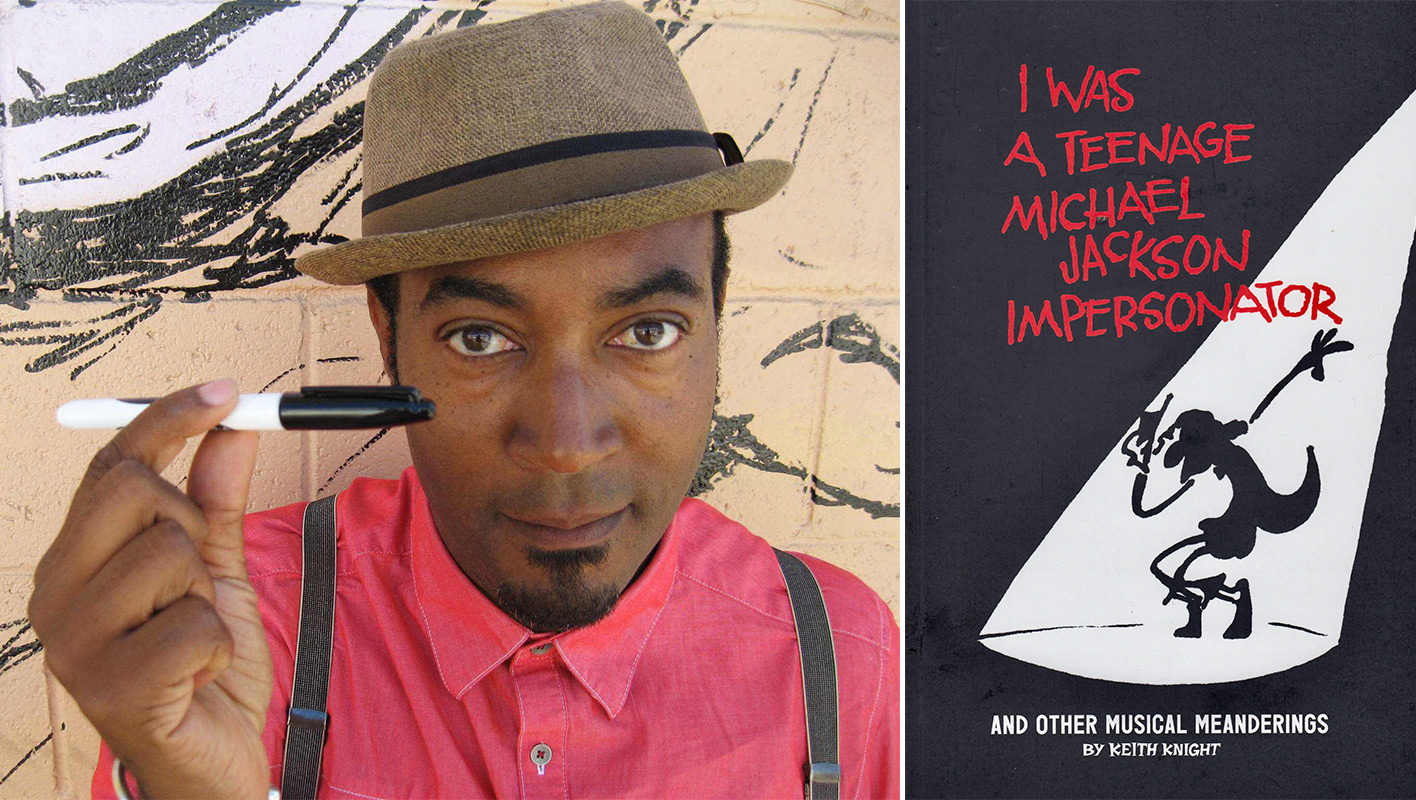
How did the writers' strike get Keith Knight to finish his long-awaited graphic memoir, I WAS A TEENAGE MICHAEL JACKSON IMPERSONATOR (Keith Knight Press)? Find out in our conversation at SPX https://smallpressexpo.com about his fantastic new book, chronicling Keith's 18 months as an MJ impersonator in the mid-'80s! We get into how he found himself by being someone else, what he learned about audiences and the business of entertainment, the role music has played in his life, his favorite MJ song, why Off The Wall is better than Thriller, and how Janet Jackson was the lucky one, all things considered. We also talk about Keith's experience writing and producing two seasons of WOKE on Hulu (sadly cancelled), how he got involved in every aspect of making that show, what he learned about storytelling in the writers' room, and what he wants to bring to his next TV project. Plus we discuss why comics are the ultimate DIY art form, the differing modes of audience-artist interaction from comics to TV to slideshow lectures to MJ performances, how deadlines can be your friend, why Stevie Wonder may have the best three-album run of anyone in music history, and a LOT more. Follow Keith on Twitter https://twitter.com/KeefKnight and Instagram, and support his Patreon (& go listen to our 2015 and 2020 conversations!) • More info at our site https://chimeraobscura.com/vm/episode-555-keith-knight • Support THE VIRTUAL MEMORIES SHOW via Patreon or Paypal https://paypal.me/vmspod and via our Substack
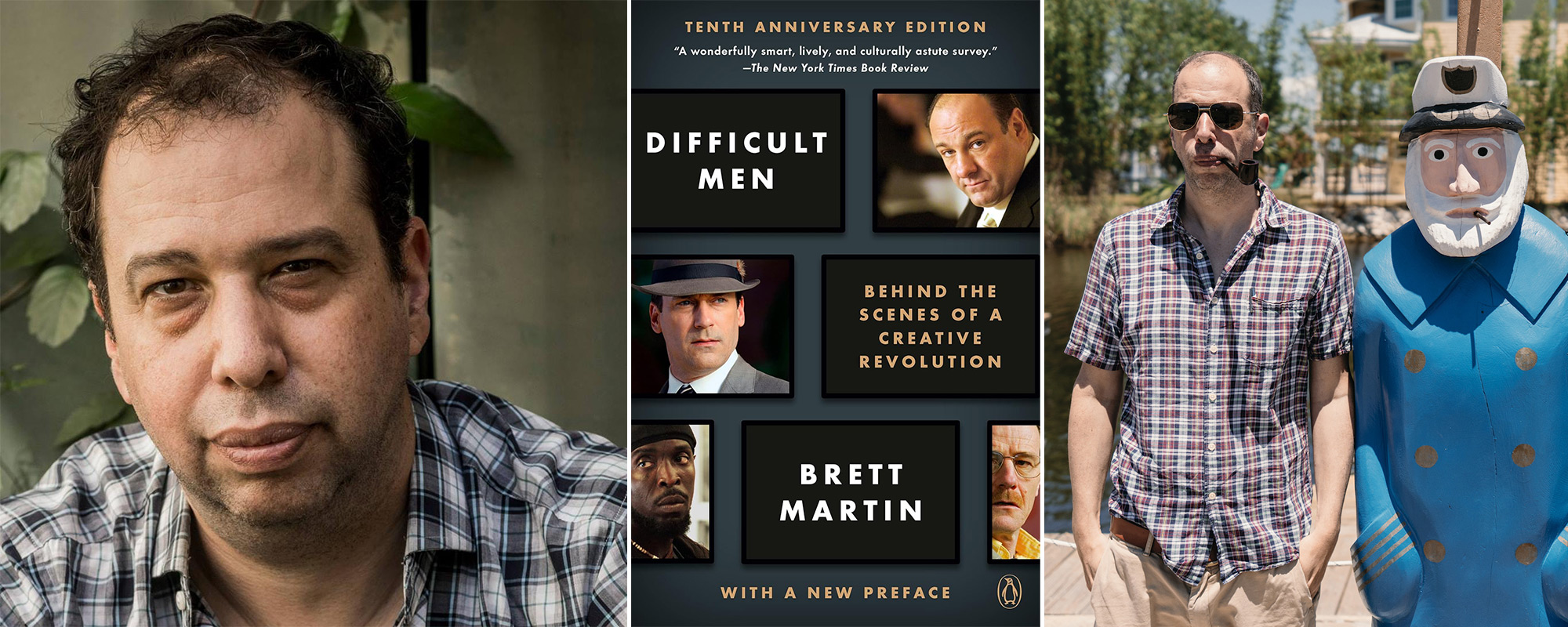
Ten years can be a lifetime (or two or three): Brett Martin returns to the show to celebrate the 10th anniversary of his book DIFFICULT MEN: Behind the Scenes of a Creative Revolution (Penguin), and we talk about how the TV landscape — prestige & otherwise — has changed in the past decade, how it felt to revisit the book 10 years later, and why this anniversary was more startling than his turning 50. We get into how was lauded for its criticism and analysis at the time but now shines for its reporting and character studies, how the explosion of prestige TV was unsustainable but led to amazing shows, how the #metoo movement intersected with male-dominated writers' rooms (and which show-creators in looked bad 10 years ago & worse now), and his feelings about the writers' and actors' strikes. We also discuss Brett's writing career, what food media talks about, his reporting on the history (& racial complexities) of Preservation Hall, what he's learned about interviewing, why he's crushed by the retirement of Bartolo Colon, what our favorite eras of M*A*S*H are, why he's enjoying the heck out of Inkmaster https://www.imdb.com/title/tt1865740 and the new Night Court, and a lot more. Follow Brett on Twitter https://twitter.com/brettmartin, Bluesky and Instagram • More info at our site • Support THE VIRTUAL MEMORIES SHOW via Patreon or Paypal https://paypal.me/vmspod and via our Substack
