



VoxDev Development Economics


About
Available on








Community
195 episodes

* Does being rich make us happy, or is it being richer than other people that matters? Will interventions that alleviate poverty also improve someone’s well-being? If we can improve a person’s mental health, does this have an economic effect too? Johannes Haushofer and Daniel Salicath tell Tim Phillips what we know so far about these questions, and how future research can help us understand the psychology of poverty.

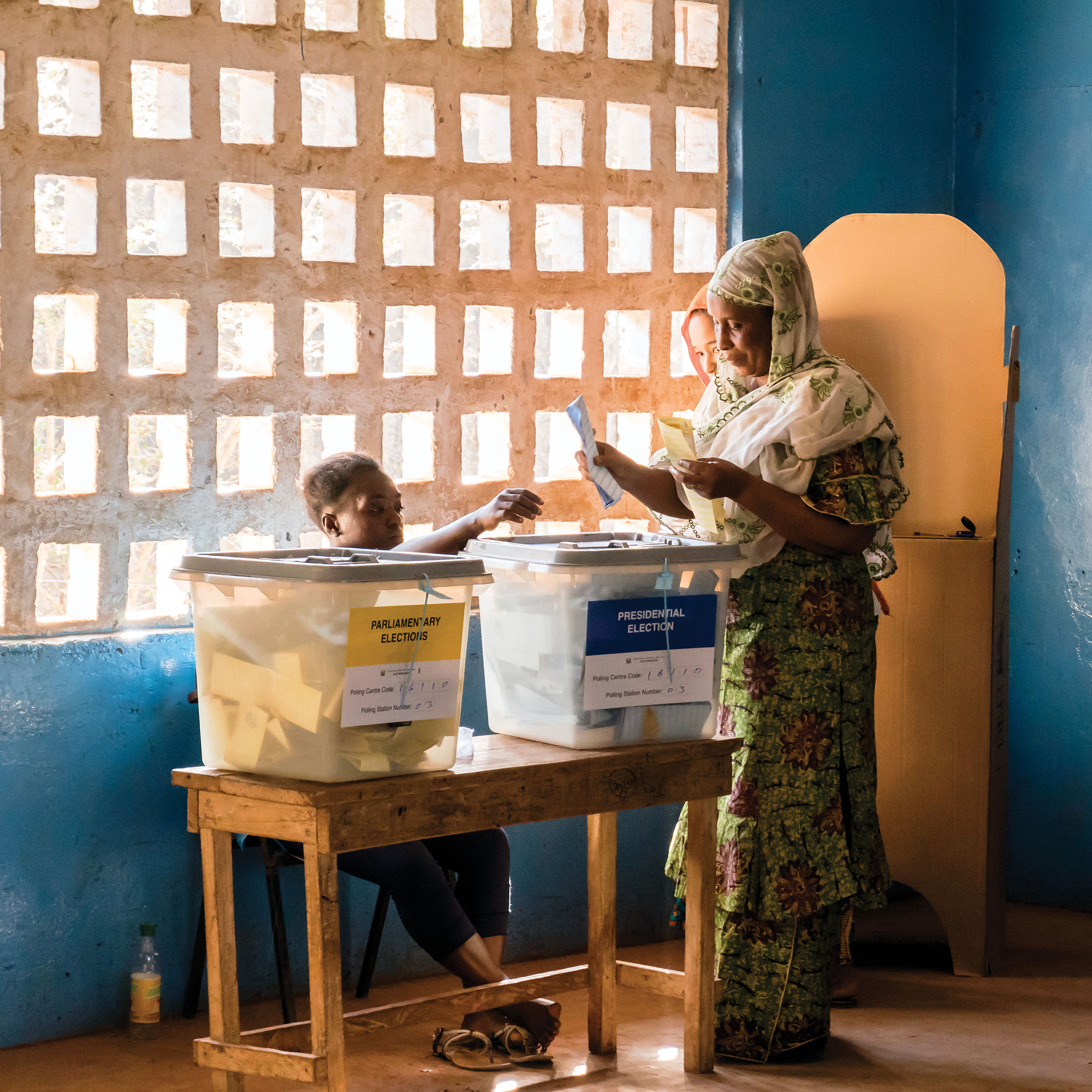
* Who should select political candidates, the people or the party? Abou Bakarr Kamara and Niccoló Meriggi talk to Tim Phillips about an experiment in Sierra Leone that convinced two major political parties to adopt a primary system for candidate selection. Did that mean that different candidates stood in the election, and that different MPs were chosen? Photo: Carol Sahley/USAID

* Universal basic income – UBI – has always been more an economic thought experiment than serious policy idea. It’s now being taken seriously, but any large-scale implementation would need solid empirical evidence to justify the cost. Tavneet Suri tells Tim Phillips about the surprising insights from the early stages of a decade-long test of UBI in Kenya, and what we expect to learn as the experiment progresses.
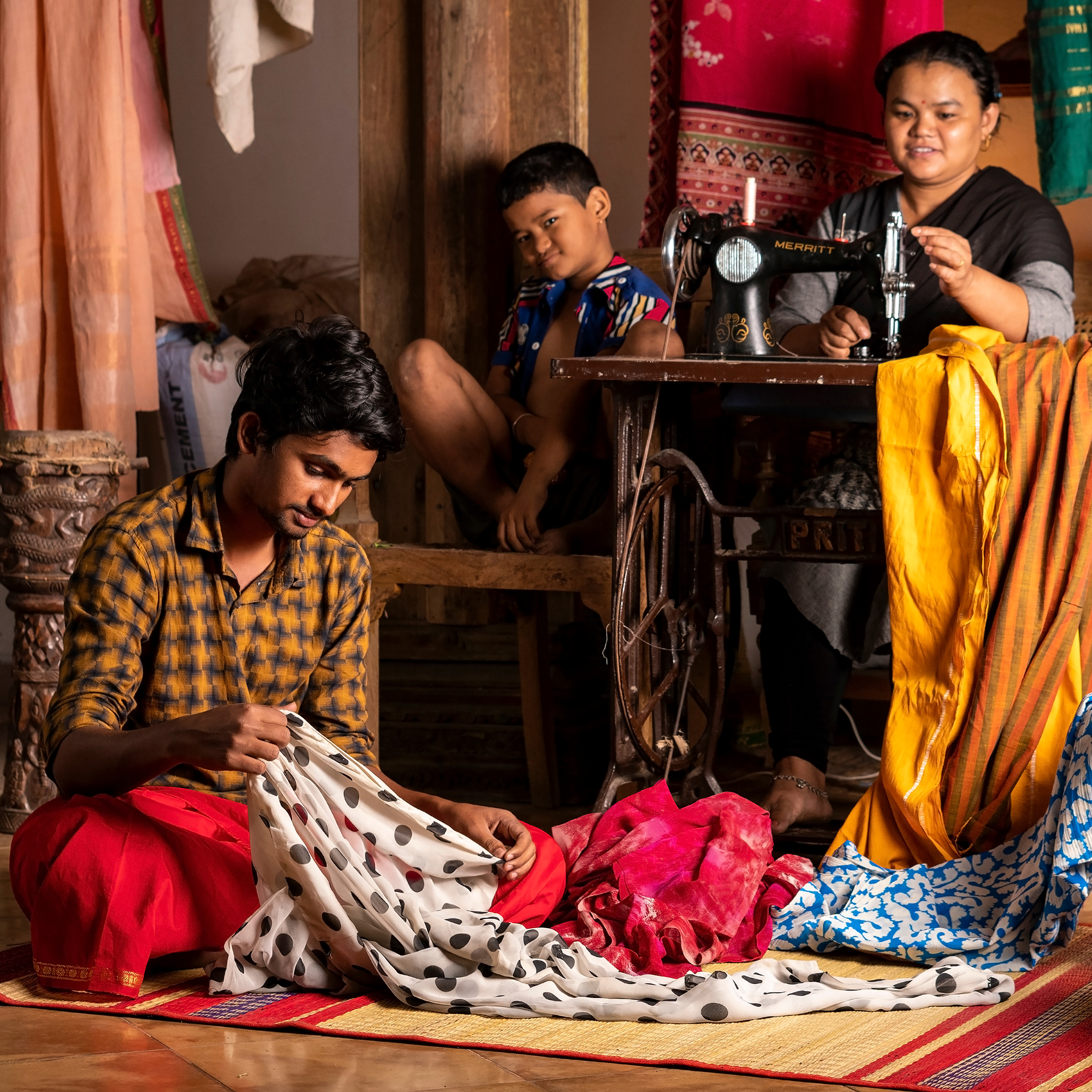
* The process that economists call labour market dynamics lets workers improve their lives by switching jobs. But do our assumptions about it apply in LMICs? Because if the dynamics are different, then maybe the policies should be different as well. Kevin Donovan and Todd Schoellman tell Tim Phillips about the surprising evidence they discovered about labour market flows, and why it might lead us to rethink job creation policy in LMICs.

* The need for humanitarian relief is at record highs, while support from the international community is dwindling. Should we divert funding from development policies designed to deliver growth to focus on the most efficient ways to provide humanitarian assistance instead? And, if we did, what would those policies be? Arif Husain of the UN WFP tells Tim Phillips about the growing funding gap for aid, the urgent need to improve global food security, and the consequences if we choose not to act. Photo credit: doganmesut - stock.adobe.com http://stock.adobe.com/

* How useful is generative AI in helping entrepreneurs become more successful? Rem Koning is one of a team of researchers who created an AI mentor for entrepreneurs in Kenya. He tells Tim Phillips about which questions the mentor was asked, and which businesses profited from its AI-driven advice.

* Mobile money has created many opportunities for users. But its fees can be expensive. One solution: create competition between mobile money providers in Africa through interoperability. But if we reduce the profitability of providers, might it also reduce network coverage, and therefore financial inclusion too? Nicola Limodio tells Tim Phillips about the upside and downside of competition in Africa’s mobile money market.

* Recorded at CEPR Paris Symposium 2023: How can macroeconomics (and macroeconomists) contribute to what we know about development policy? The availability of better data has given fresh impetus to the use of macroeconomic models to explain the development process in LICs. Doug Gollin and Paula Bustos talk to Tim Phillips about this emerging agenda, what questions it is helping to answer, and the challenges of the next generation of research.

* What is the role of state capacity in economic development? Nicola Mastrorocco spent five years digitalising civil service records from a century of economic development in the US, showing how a century of bureaucracy changed the US, and what this tells us about how a state bureaucracy evolves.

* Research shows that policymakers have consistently endorsed the use of industrial policy. And now economists are increasingly talking about – and researching – the benefits of it too. Dani Rodrik talks to Tim Phillips about what we know about its effectiveness, and the evolving policy agenda that it represents.

* How does place-based policy work, and what can it deliver? Gordon Hanson has spent many years studying the economic importance of where people live, and what policy can do to improve those places. He talks to Tim Phillips and what has historically succeeded and failed in US cities, and how that knowledge can be applied elsewhere.

* What is the fairest and most efficient way to improve not just access to education, but outcomes too? Should policymakers focus on a broader markets and systems approach to education reform? Emiliana Vegas and Asim Khwaja tell Tim Phillips about what a markets and systems approach to delivering education reform is, and what it has already achieved in Pakistan and Chile.

* Researchers want to maximise the development impact of their advice. Stefan Dercon tells Tim Phillips, that to do this, they need to consider the local political constraints and opportunities, and not be “The sort of technocrat that says ‘’nothing to do with me, it’s someone else’s problem’.”
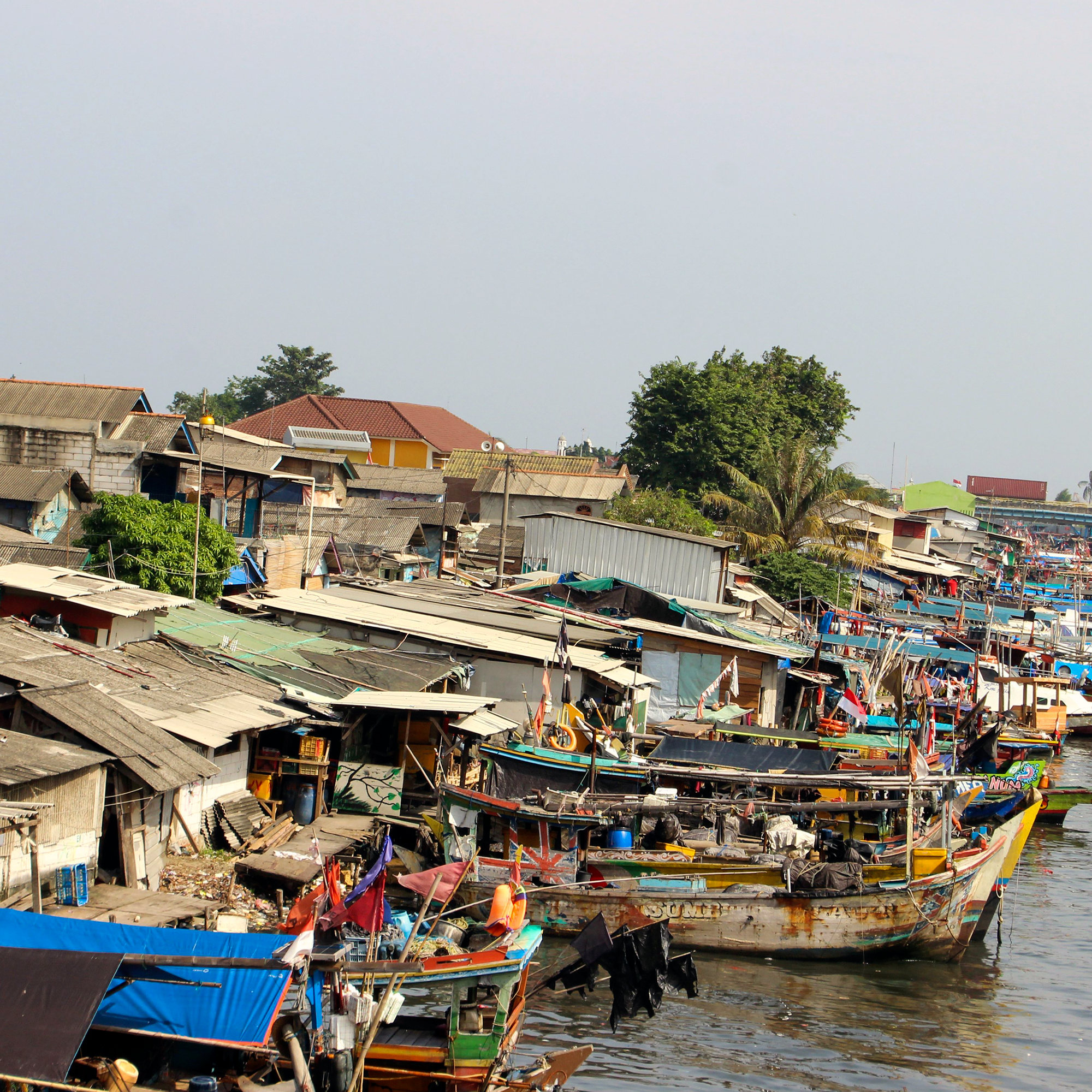
* While the news agenda is grabbed by droughts, hurricanes and wildfires, the inexorable rise in sea level is less easy to see. But it will affect billions of people living in coastal regions in our lifetimes. What are the possibilities for, and costs of, adaptation? Allan Hsiao discusses how low-lying cities like Jakarta will cope.

* What is the social cost of carbon? What can it tell us about the effects of, and the feasibility of policies to cope with, climate change? Michael Greenstone tells Tim Phillips about how the process of assigning a value to the cost of emissions, and how that can help us to think clearly about the choices we make.

* Macroeconomic development policies can be effective to combat poverty. But a lot of research uses smaller-scale RCTs and experiments. Can macro theory and micro empirical research complement one another? Francisco Buera and Joseph Kaboski tell Tim Phillips how this can work in practice, and how it can lead to better policy.
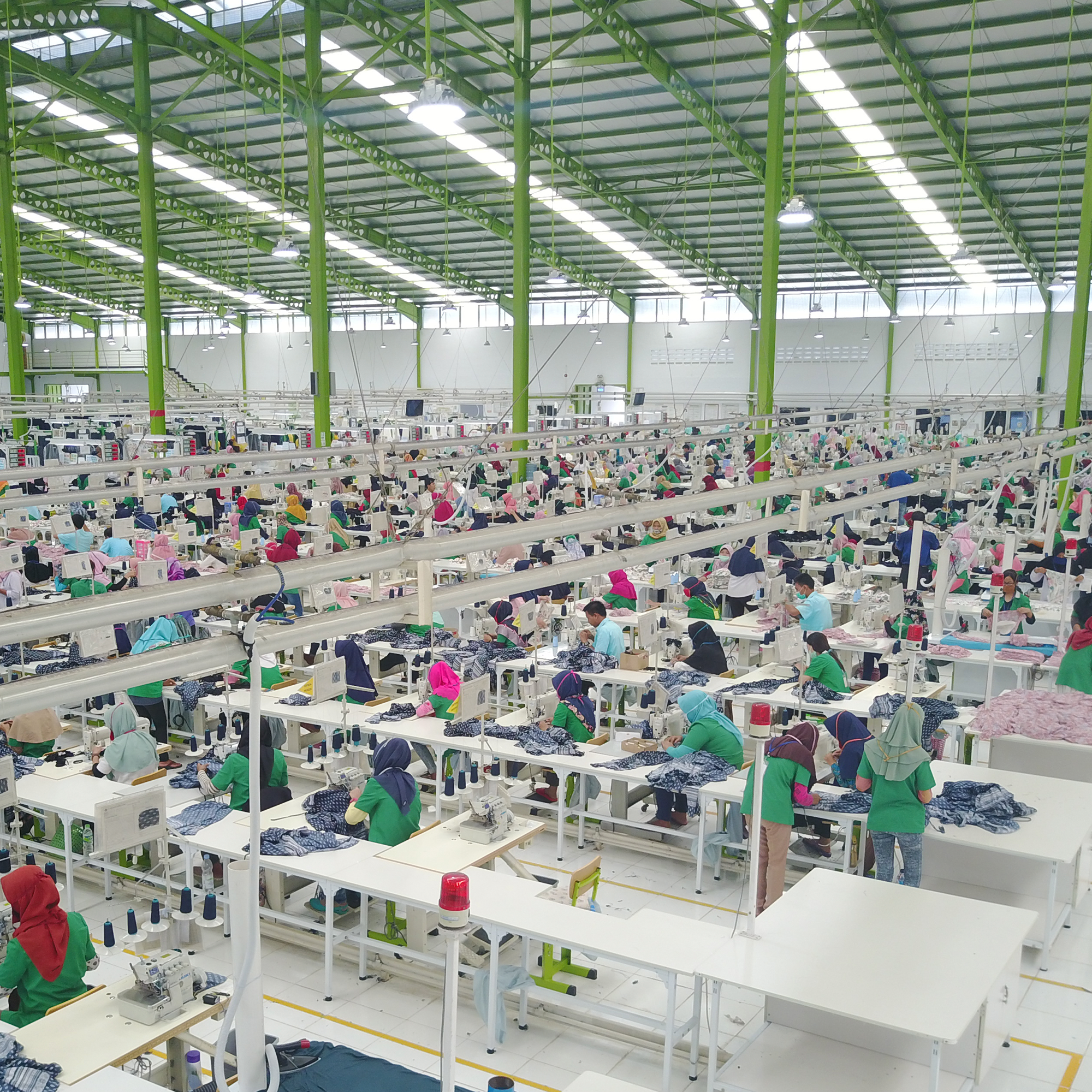
* The rapid spread of GVCs has revolutionised the manufacture and supply of … everything. We can point to trade statistics to show that. But what aspects of the relationship between producers and buyers aren’t captured in these statistics? Long-time observers of GVCs Julia Cajal Grossi and Rocco Macchiavello explain to Tim Phillips how supply chains really work.

* In developing countries, electricity is still mostly generated from fossil fuels. So how quickly can that change? And what policies are needed to speed innovation in renewables and the transition to using them? John Van Reenen of the London School of Economics and Mar Reguant of Northwestern talk to Tim Phillips.
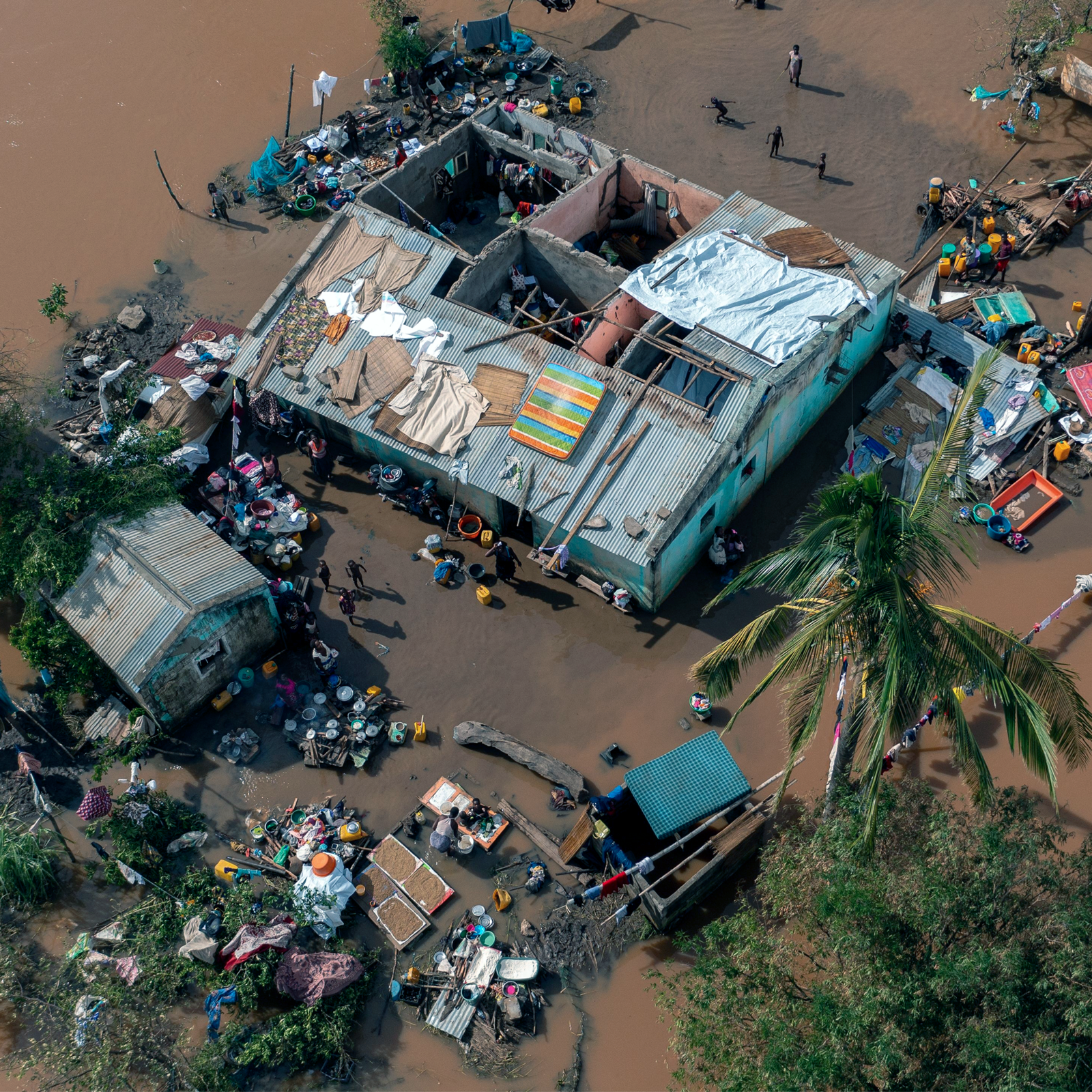
* We tend to discuss changes to the natural environment in big, global numbers. But the impact of those changes is felt in different ways by different people in different places. Tamma Carleton and Reed Walker talk to Tim Phillips about the inequality of environmental damage, and how more detailed data and analysis can help policymakers target their interventions.
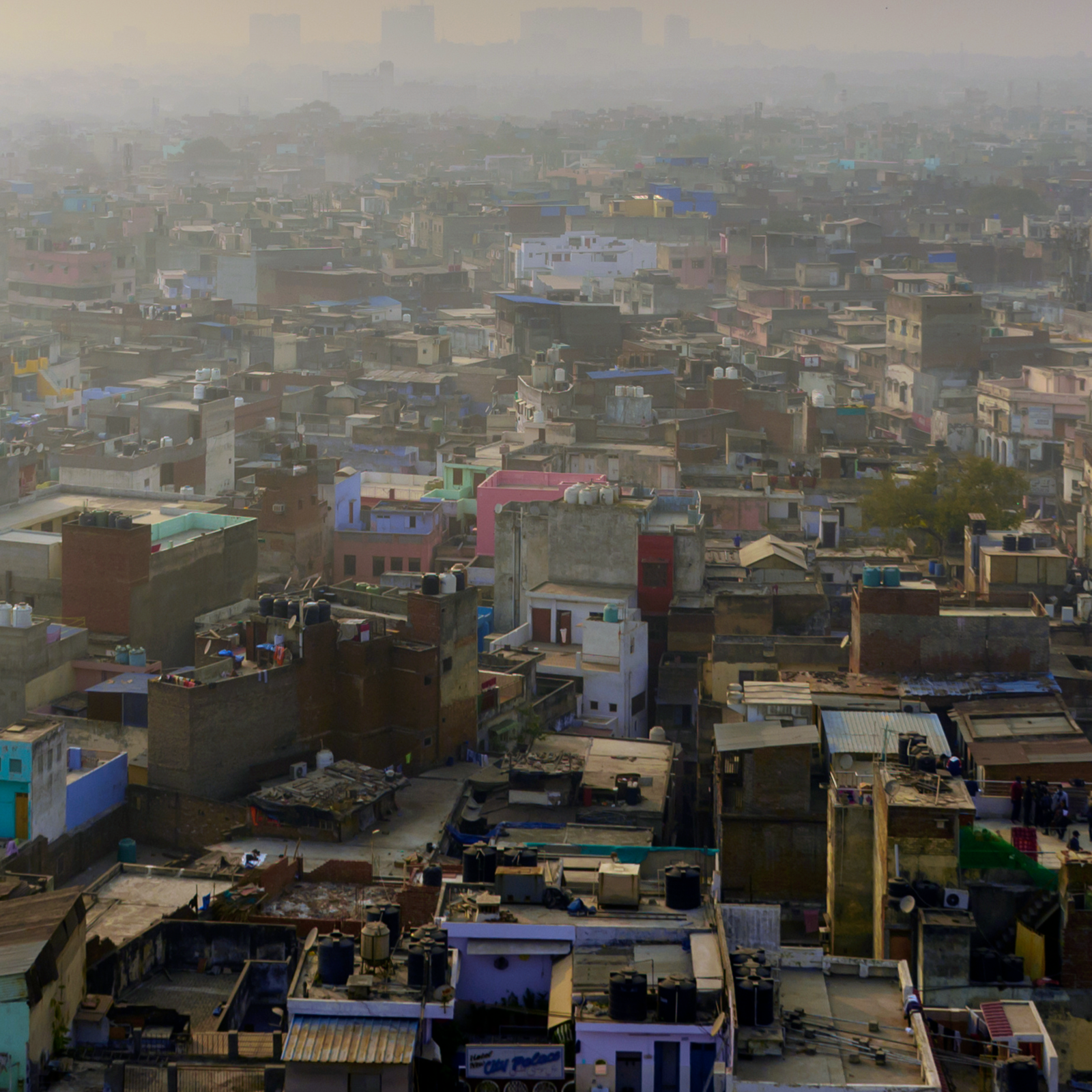
* Where there are no markets for clean air or drinkable water, can regulation step in? The latest lecture in the Bread-ICG lecture series on environmental economics explored the challenges of environmental regulation in developing economies. Rohini Pande and Nick Ryan talk to Tim Phillips.
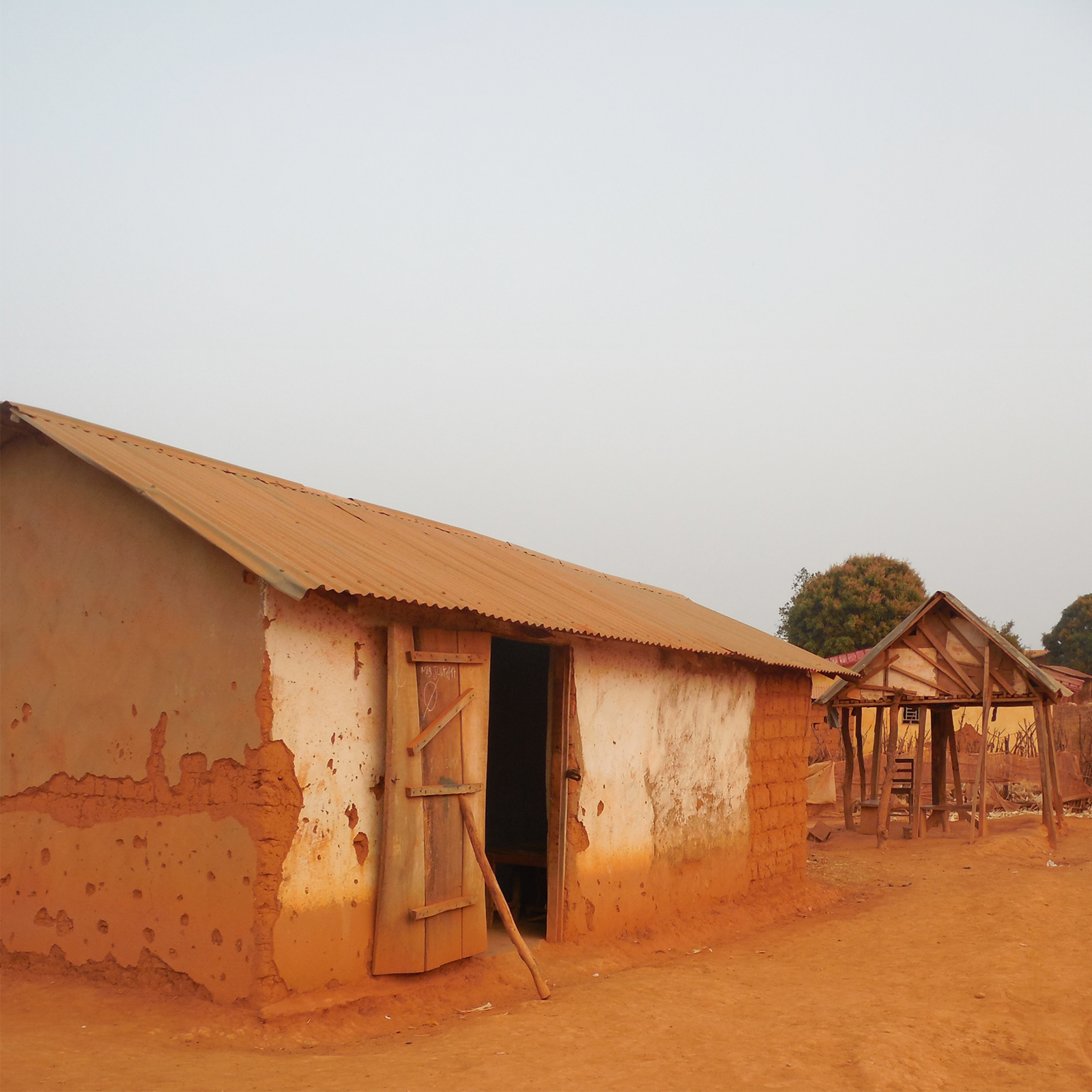
* When the state is weak, autocratic traditional chiefs control the provision of public goods. If they don’t have the technical skills that these tasks need, can delegation to technocrats or inclusive decision-making improve outcomes? Katherine Casey tells Tim Phillips about the results of an experiment in Sierra Leone.
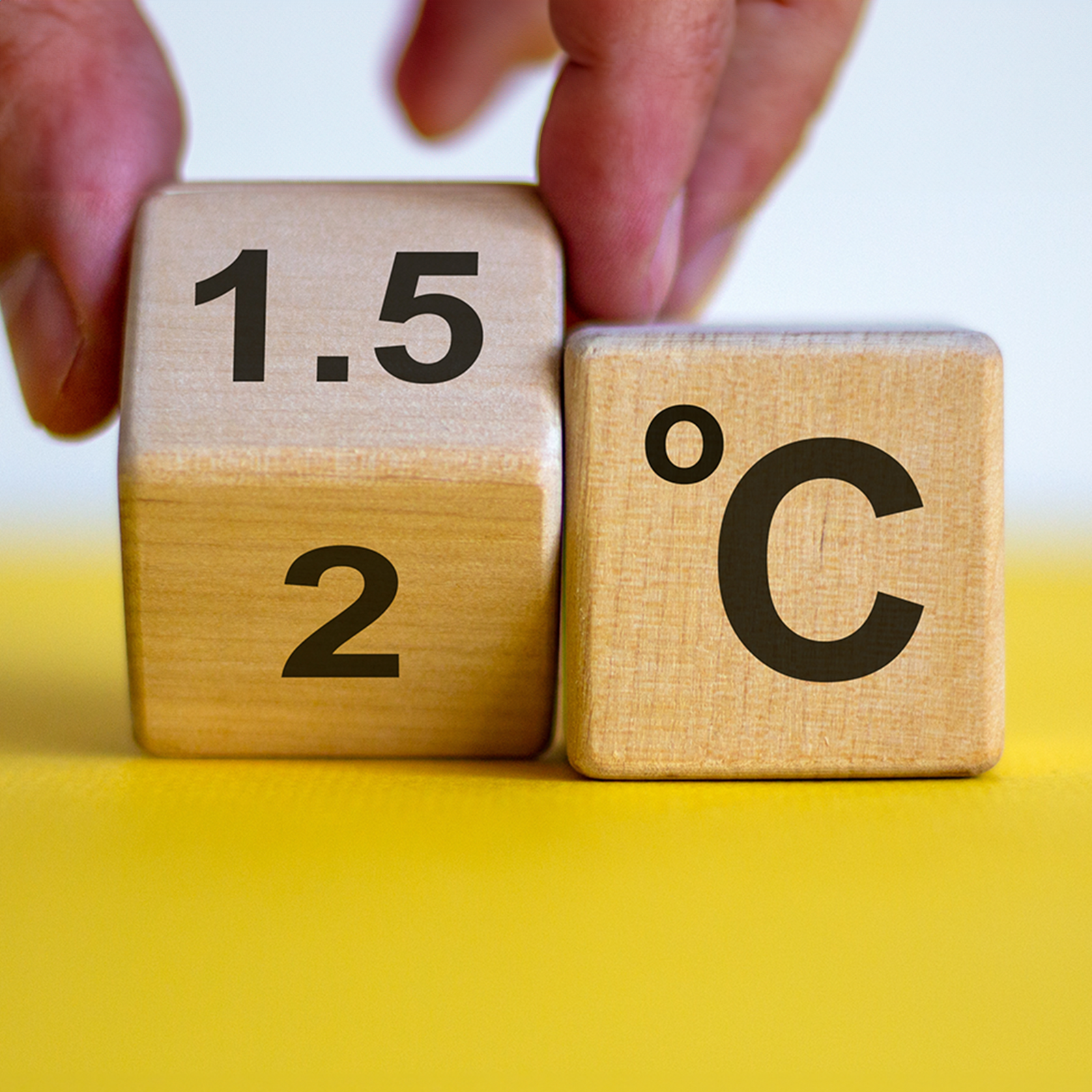
* Policies and commitments to tackle climate change emerge from global meetings and conferences. In our latest episode examining policy for environmental economics in development, Bard Harstad talks to Tim Phillips about how economics can help us make (and stick to) international commitments.

* In future we’re going to have to cope with a more volatile climate, but how can we increase the resilience of the most vulnerable communities? An analysis of droughts in the US in the 1950s shows how the financial sector can help communities to adapt to large climate shocks – and what happens when credit is not available. Raghuram Rajan and Rodney Ramcharan talk to Tim Phillips.
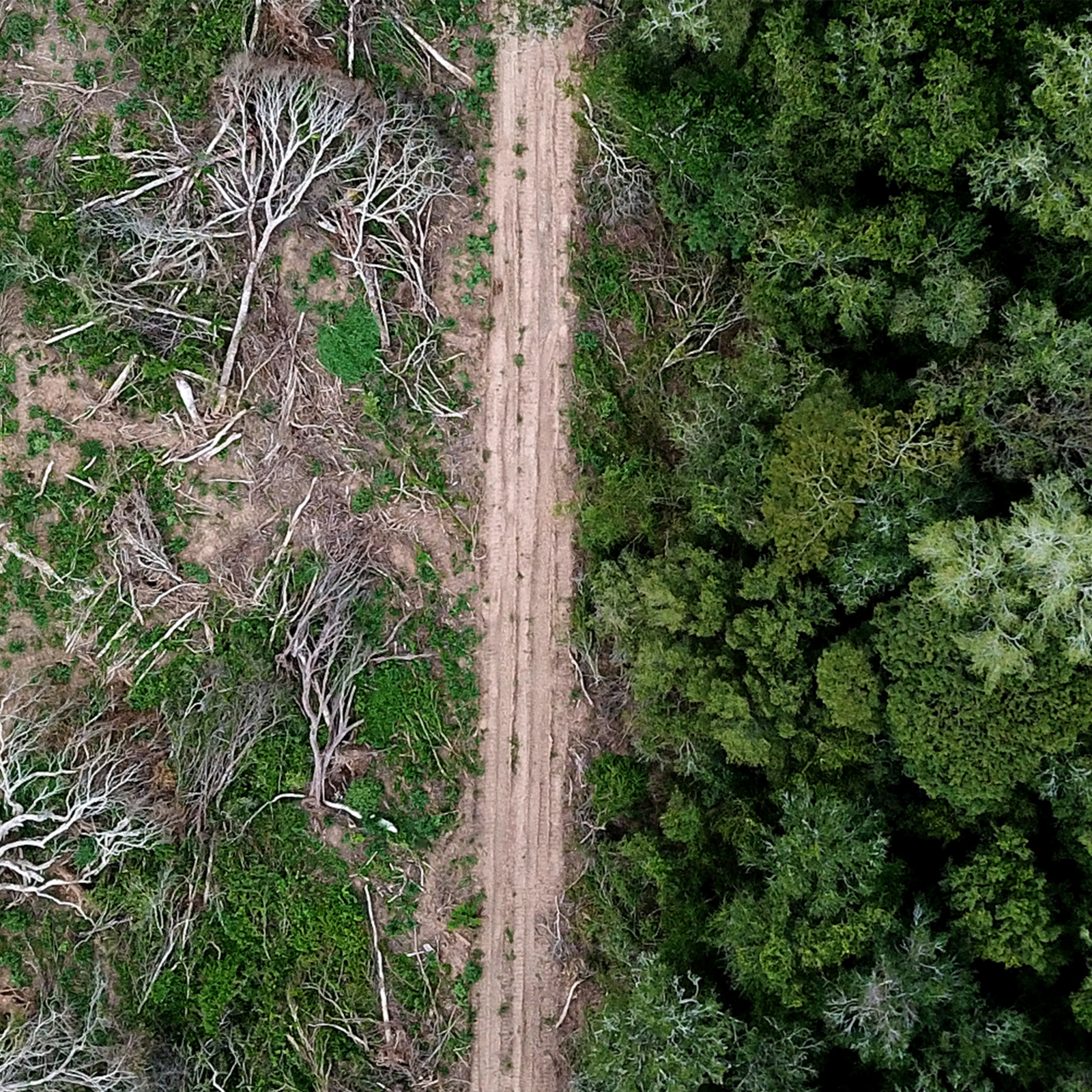
* In the second of our episodes examining policy for environmental economics in development, Seema Jayachandran and Ben Olken talk to Tim Phillips about how to reduce pollution and increase conservation, while protecting the livelihoods of the global poor.
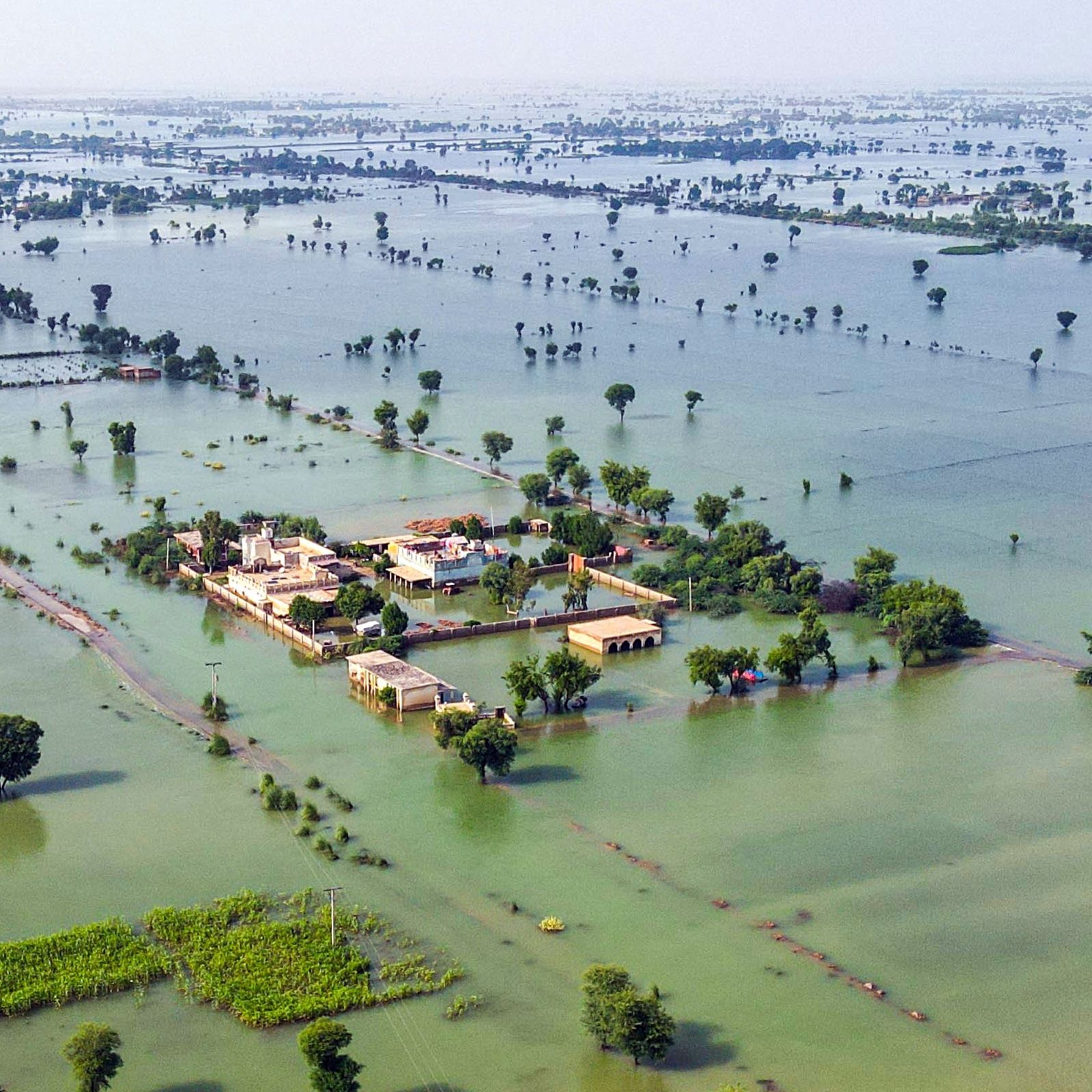
* In the first of a series of episodes that investigates policy for environmental economics in development, Kelsey Jack and Robin Burgess introduce the topic to Tim Phillips, and its implications for adaptation, natural capital conservation, and innovation.
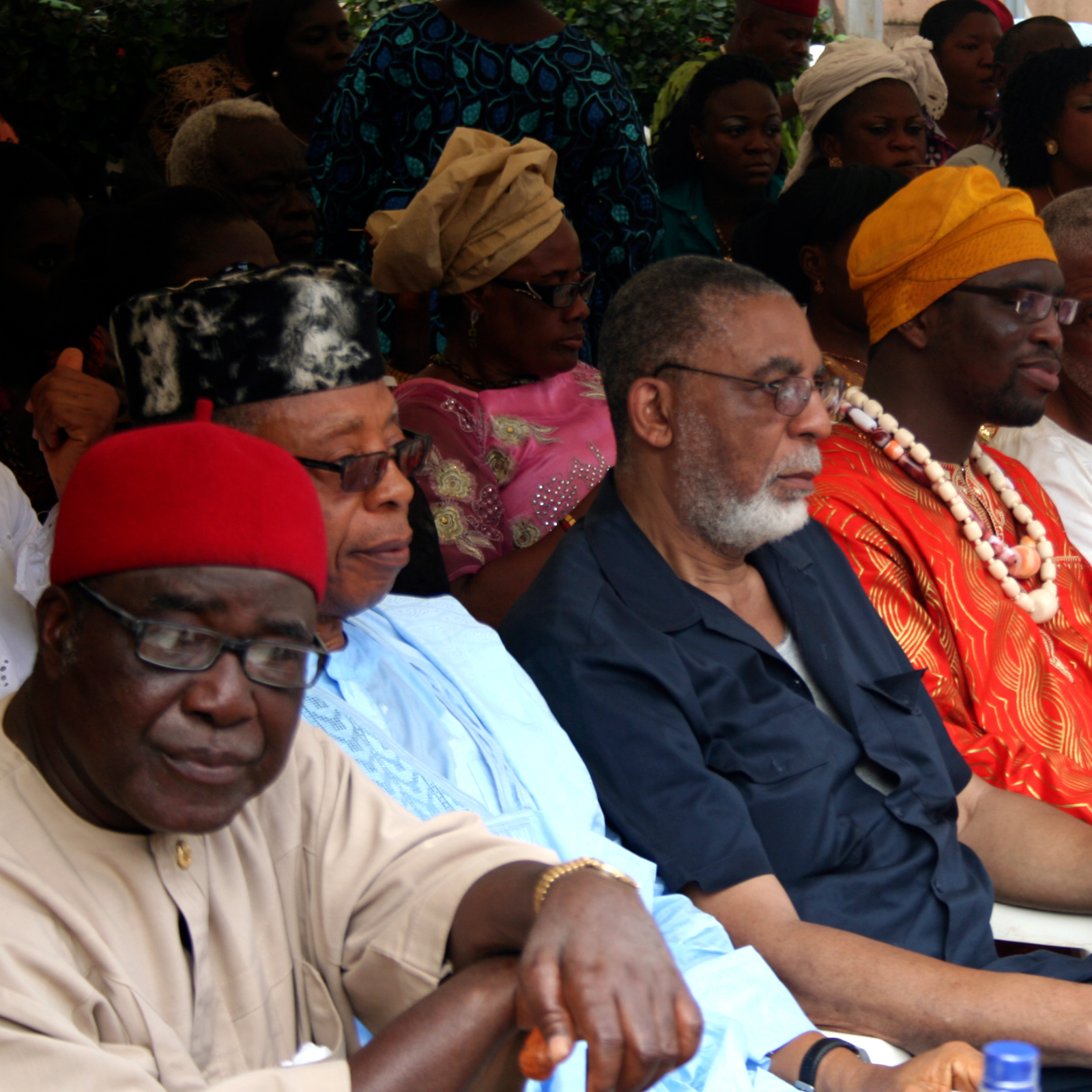
* The study of institutions and political power is a strand of development research that in recent years has taught us a lot about – in the name of the famous book – Why Nations Fail, but also what improves their chances of success. James Robinson talks to Tim Phillips about what he and his fellow researchers have discovered, and which directions for future research are the most exciting. Photo credit: Jeremy Weate
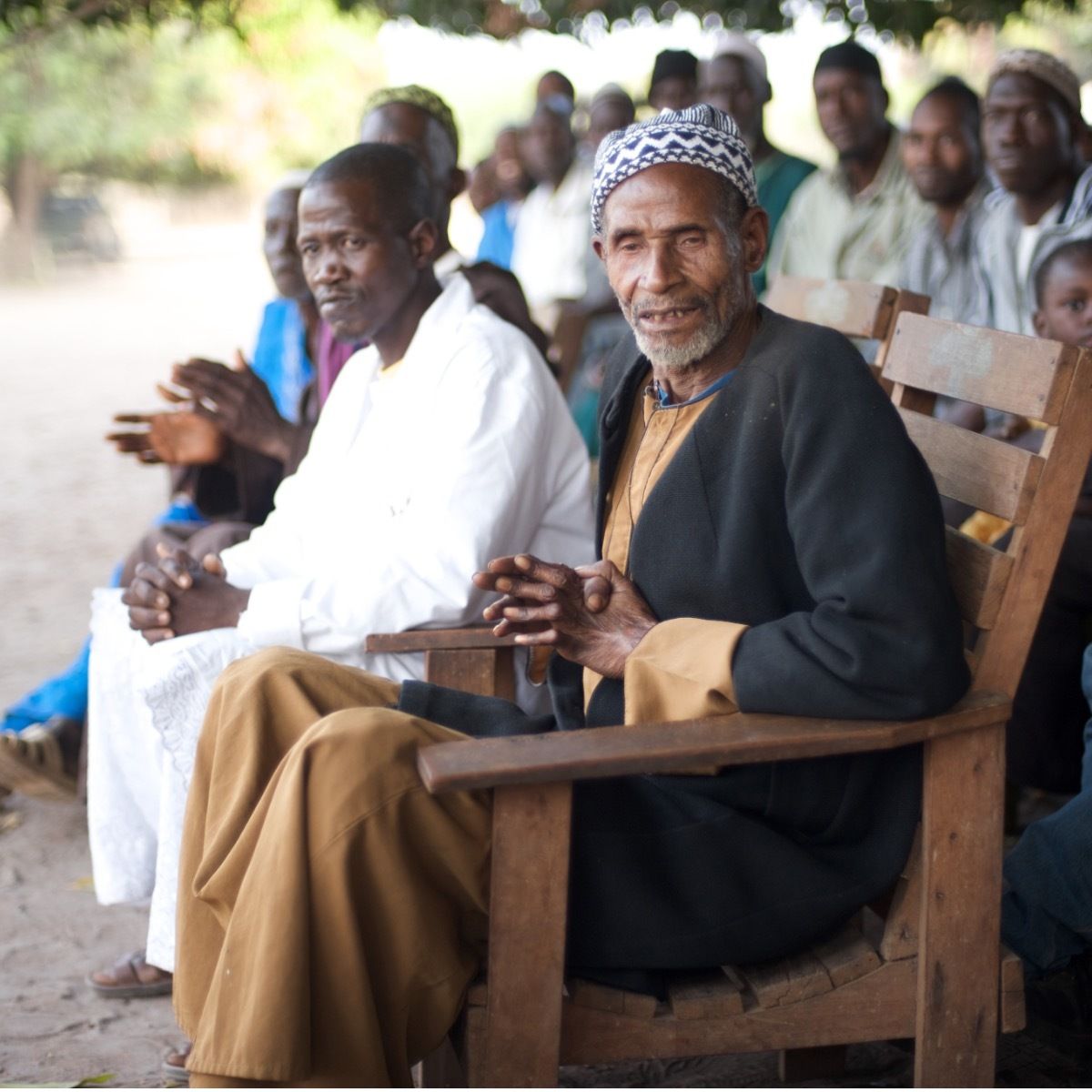
* In the last 30 years many governments have attempted to shift service delivery away from a central bureaucracy to local administrations. How well has it worked, and what do we know about the right and wrong way to decentralise? Dilip Mookherjee talks to Tim Phillips. Photo credit: Julien Harneis
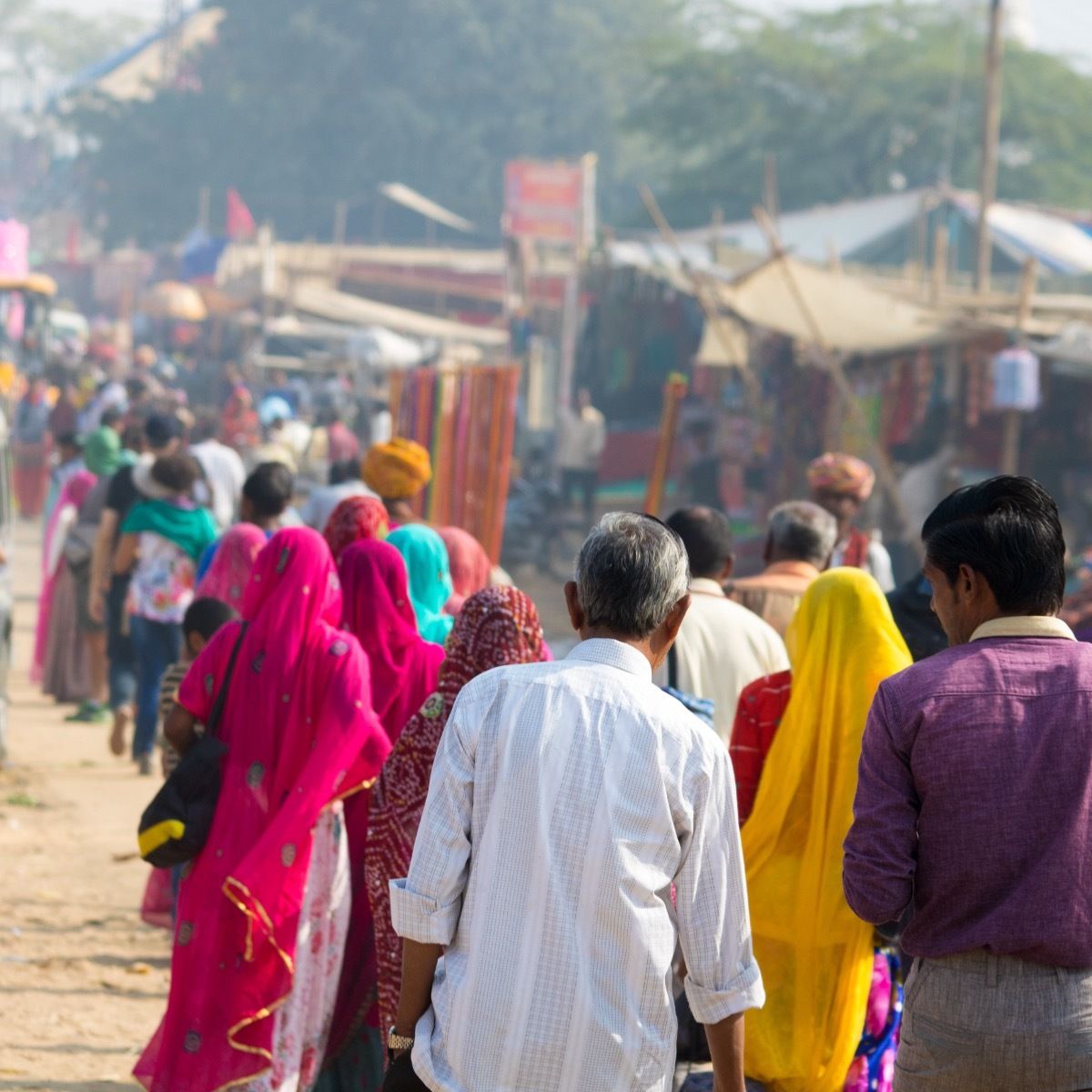
* Most policies are one-size-fits-all. But in some cases, we can do better. How can we design an intervention that incentivises people to manage their diabetes and hypertension, and does it deliver better results for both the patient and the policymaker? Ariel Zucker of UC Santa Cruz tells Tim Phillips about an experiment to deliver personalised healthcare in India.

* Poor air quality is a danger to children’s health, but most of what we know about the effects are from wealthy countries or large cities. A multidisciplinary study has estimated the impact of air quality on child health for many countries in sub-Saharan Africa, with surprising policy conclusions. Jennifer Burney talks to Tim Phillips.

* The economies of Latin America and the Caribbean are facing some tough economic problems. What policies will improve prospects for people who live in the region? Eric Parrado, Chief Economist at the Inter-American Development Bank, talks to Tim Phillips about how IDB puts research into practice.
