



About
Available on








Community
403 episodes

Senator Patrick Dodson speaks in conversation with Professor Andrew Gunstone on a range of critical issues in Indigenous Affairs, including land rights, treaties, the Royal Commission into Aboriginal Deaths in Custody, reconciliation and constitutional reform.

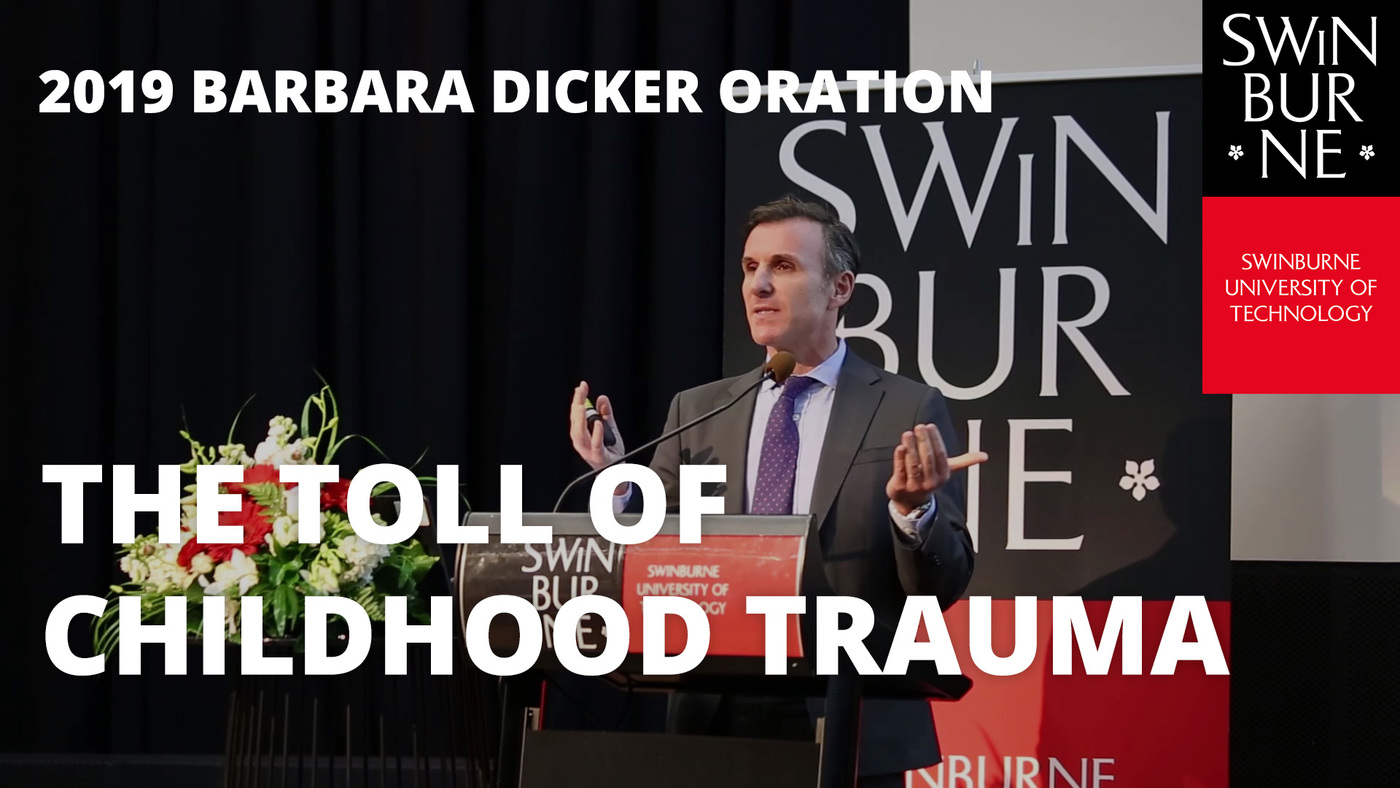
The experiences that we see, hear, and feel as a child affect us. But just how much? And in what ways is our brain changed by these childhood traumas? The eighth annual Barbara Dicker Oration was presented by Dr Gustavo Turecki (McGill University, Canada). Dr Turecki has devoted his life’s work to understanding how childhood harm can impair brain development and leave adults more vulnerable to psychiatric disorders. Dr Turecki is a Professor of Psychiatry; Chair of the Department of Psychiatry at McGill University; Scientific Director of the Douglas Institute; and Director of the McGill Group for Suicide Studies. His work and contributions to the field have been recognised through numerous awards and he has authored over 450 publications in leading peer-reviewed journals such as Nature Neuroscience, Nature Medicine, and The Lancet.
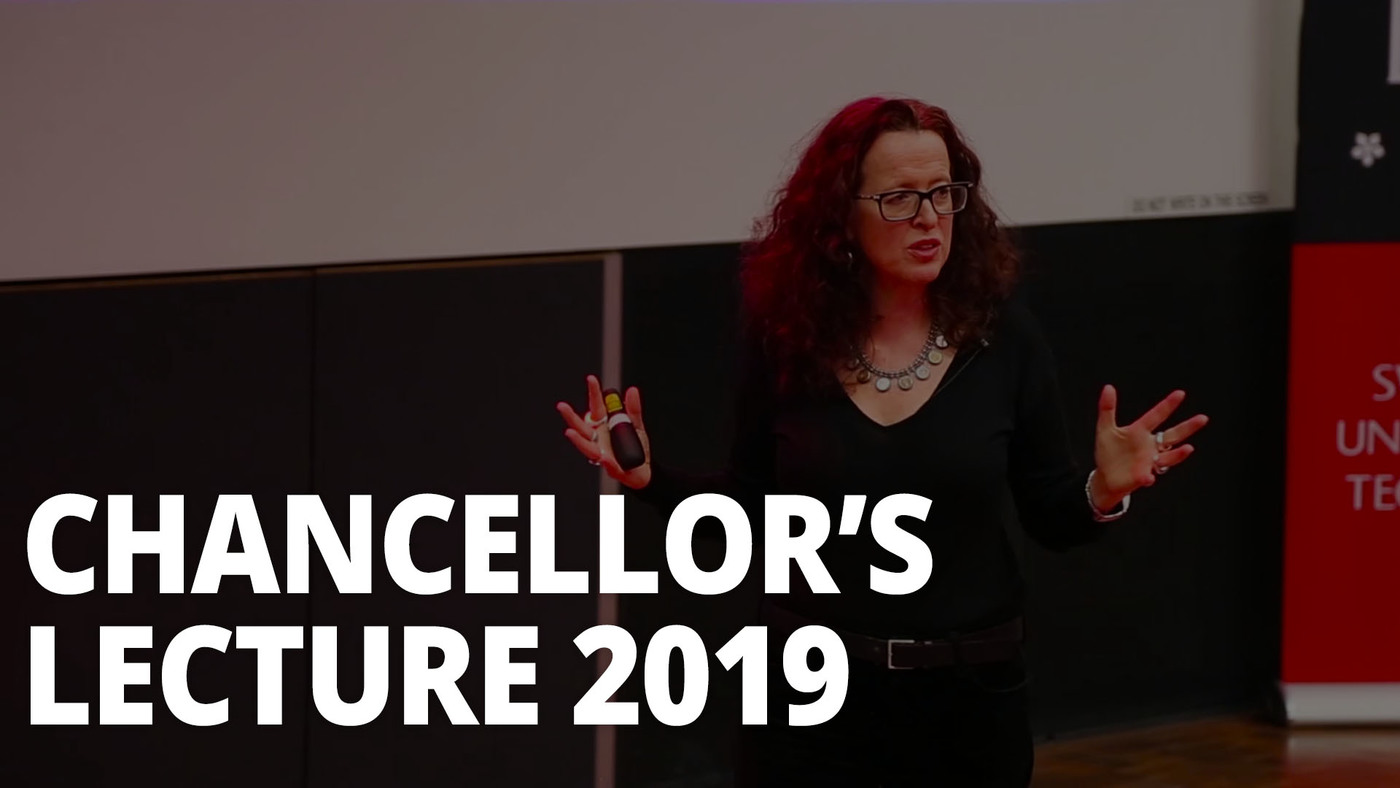
From industrialisation in the 19th century to the breakthrough of computing in the 20th, we are now seeing the dawn of a new revolution in technology. Emerging technologies such as the Internet of Things, machine learning, and autonomous systems are already offering new ways of doing with profound social, cultural and political implications. Artificial intelligence promises to revolutionise our lives, shape a new future and disrupt the world as we know it. But can we truly imagine all the ways that these emerging technologies will alter the human experience? Professor Genevieve Bell (Director of the 3A Institute, Florence Violet McKenzie Chair, and Distinguished Professor at the Australian National University) explores what the 21st century might bring (it’s not as scary as you think!).
Presented by Dr Daniel C Price on 22nd February 2019. Thanks to new, more powerful technology, astronomers can search the skies faster and with more resolution than ever before. In this public lecture, I will talk about two exciting fields in astronomy: the Search for Extraterrestrial Intelligence (SETI), and Fast Radio Bursts. The SETI field has been reinvigorated by the 10-year, $100M Breakthrough Listen initiative to search for intelligent life beyond Earth. As a project scientist for Breakthrough Listen, I will introduce the program and detail how we are using new technology to run the most comprehensive search for intelligent life beyond Earth ever undertaken. I will also discuss a mysterious phenomenon known as fast radio bursts: incredibly bright but short-lived signals from distant galaxies, which escaped detection until recently. Could these signals be due to intelligent aliens, or is there an astrophysical explanation? I will give an overview of how a telescope upgrade will help us answer this question, and how Swinburne astronomers will play a leading role. Finally, I will discuss what evidence would convince us that there is indeed life beyond Earth, or that the Universe is ours alone to enjoy.
Presented by Assoc. Prof. Tara Murphy on 23 November 2018. On August 17th 2017 the LIGO-Virgo interferometer detected gravitational waves from a neutron star merger in a galaxy 130 million light years away. This was a breakthrough for physics and astronomy. What followed was a frenzy of activity as astronomers around the world worked to detect electromagnetic radiation with conventional telescopes. After this unprecedented effort the event was detected in gamma-rays, x-rays, visible light and radio waves. I will discuss this incredible scientific result and its implications, including: predictions made by Einstein; the production of gold and other heavy elements; and our understanding of black hole formation. I will also give a 'behind the scenes' perspective of how it happened, and discuss the changes in the way we do science in this era of big astronomy.
Presented by Dr Duane Hamacher and Krystal De Napoli on 1st June 2018. The subject of Indigenous astronomy has skyrocketed in recent years all around the globe. A constant stream of emerging research is changing what we think we know about Aboriginal knowledge systems in Australia and the number of Aboriginal students studying astrophysics is rapidly growing. This lecture will introduce you to one of these students, Kamilaroi woman and astrophysics student Krystal De Napoli, and the research she and Dr Duane Hamacher are conducting with other Aboriginal researchers on topics ranging from Moon haloes, Sun Dogs, and supernovae to the antiquity of deep time oral traditions based on astronomical and geological evidence - even the official naming of Aboriginal stars by the IAU. This talk will explore the many ways in which Indigenous Australians encoded scientific information in their knowledge systems and some of the ways in which they pass this knowledge to successive generations.
Presented on 19 October 2018 by Dr Michelle Cluver. The more we learn about the universe, the mosre it tends to surprise us. This is one of the most exciting aspects of science - making unexpected discoveries! In this talk I will present some recent scientific discoveries I have been involved with and discuss why these and other discoveries have us so excited about the Square Kilometre Array Pathfinders, MeerKAT and ASKAP.

The Featherston Contour chair is an icon of mid-century modernist nostalgia as copies flood the market and the original chairs fetch exorbitant prices at auction. Yet its designer, Grant Featherston, had little time for nostalgia. As he saw it, the important question facing architects and designers was how to live in a post industrialised, technological and urbanised world. He fought tirelessly to make design for social need as important as design for financial profit. Hosted by the Heide Museum of Modern Art a panel of design experts will explore key social issues in contemporary design practice before taking questions from the audience. Presented on Saturday 8 September 2018.
The 2018 Barbara Dicker Oration was presented by Professor Iris Sommer. Professor Sommer is a best-selling author and Professor of Cognitive Aspects of Neurological and Psychiatric Disorder at the Department of Neuroscience at the University Medical Center Groningen, Netherlands. Entitled The phenomenon of hallucinations, Professor Sommer offered a holistic view into the research and experiences of hallucinations. It’s actually more common than you might think but what happens in our brains when we hallucinate? And what does this mean for new treatments and interventions? This Barbara Dicker Oration was held on 13 September, 2018.
The 2018 Chancellor’s Lecture was presented by Professor Peter Choong on 16 August 2018. Professor Choong (St Vincent’s Hospital and Peter MacCallum Cancer Centre) is a world-leading cancer surgeon and pioneer in limb-sparing surgery. Entitled 'A surgeon’s journey: Innovating cancer care through science, dreams and hope', Professor Choong offered a compassionate perspective into what it means to operate at the forefront of medical innovation that is changing lives. From bedside to breakthrough; how has technology enhanced cancer care? And what does the future look like for those affected by bone and soft tissue cancers?

With the rise of artificial intelligence and automated technologies, it’s easy to feel worried about what the future might hold for work and jobs. So how can we be ready, and can humans ever actually reach their full potential? Presented on 25th July 2018 at the State Library of Victoria.
Presented by Assoc. Prof. Jeff Cooke on 11 May 2018. When you look up a the night sky, it appears static and unchanging. However, a closer look using telescopes finds it to be wildly violent. Objects explode, erupt and burst on all time scales, from millions of years to months to milliseconds. Many of these events have been studies in great detail but the fastest have been the most difficult to catch largely because of the technological limitations. This presentation will discuss these fast bursts and our program to catch them.
Presented by Prof. Mike Hudson on 16th March 2018. Most of the matter in the Universe is dark matter: an elusive particle that is completely invisible. But we can “see” this matter by studying how it distorts the light from galaxies in the distant Universe, a phenomenon called gravitational lensing. I will give a whirlwind tour of gravitational lensing’s “greatest hits” showing how it can be used as a tool to understand some of the most mysterious things in the Universe: from black holes to the “cosmic web” of dark matter that links galaxies together.
A reflection of Swinburne's Indigenous Studies projects and programs, led by Professor Andrew Gunstone.
Presented by Dr Emily Petroff on 9 February 2018. Most things in the universe happen over millions or even billions of years but some things change on the timescales of human life and can be seen to change in a matter of months, days, or even seconds. These sources are called transients and are some of the most extreme events in the Universe, things like the collapse of a dying star, or a collision of two massive objects. Humans have been observing astronomical transients for centuries, from supernovae to gamma ray bursts and, most recently, gravitational waves, but recent advances in telescope power and technology mean we’re observing more and more transients each year and even finding new types. In 2007 we discovered a brand new type of transient called fast radio bursts (FRBs), bright radio pulses that last only a few milliseconds. Their origin is one of the newest unsolved mysteries of astronomy but it is clear they are produced in tremendously energetic processes, possibly even billions of light years away. I will tell the story of their discovery, some of our most exciting new breakthroughs, and how new telescopes in Australia and around the world are poised to answer some of the big questions about FRBs in the next few years.
Professor Jo Richardson is a Professor of Housing and Social Research and Director of the Centre for Comparative Housing Research at De Montfort University, Leicester, UK. Jo is currently a Visiting Fellow at the Centre for Urban Transitions at Swinburne University of Technology. In this lecture Jo will reflect on findings from her CIH Frontline Futures research, combined with lessons from her JRF project on conflict resolution on Traveller site delivery and management. She will consider whether an increasing march towards ‘mainstreaming’ management approaches can improve service delivery whilst still making diverse groups of residents with different cultural, social and economic backgrounds, still feel valued and ‘at home’.
In this biofilm, Aunty Dot Peters discusses her connections to culture, her family, and the Australia she loves. With her son, Dr Andrew Peters, they throw a light on the truths behind being Indigenous Australians past, present and future, and talk about reconnecting with their own ancestry and promoting cultural awareness to the wider community.
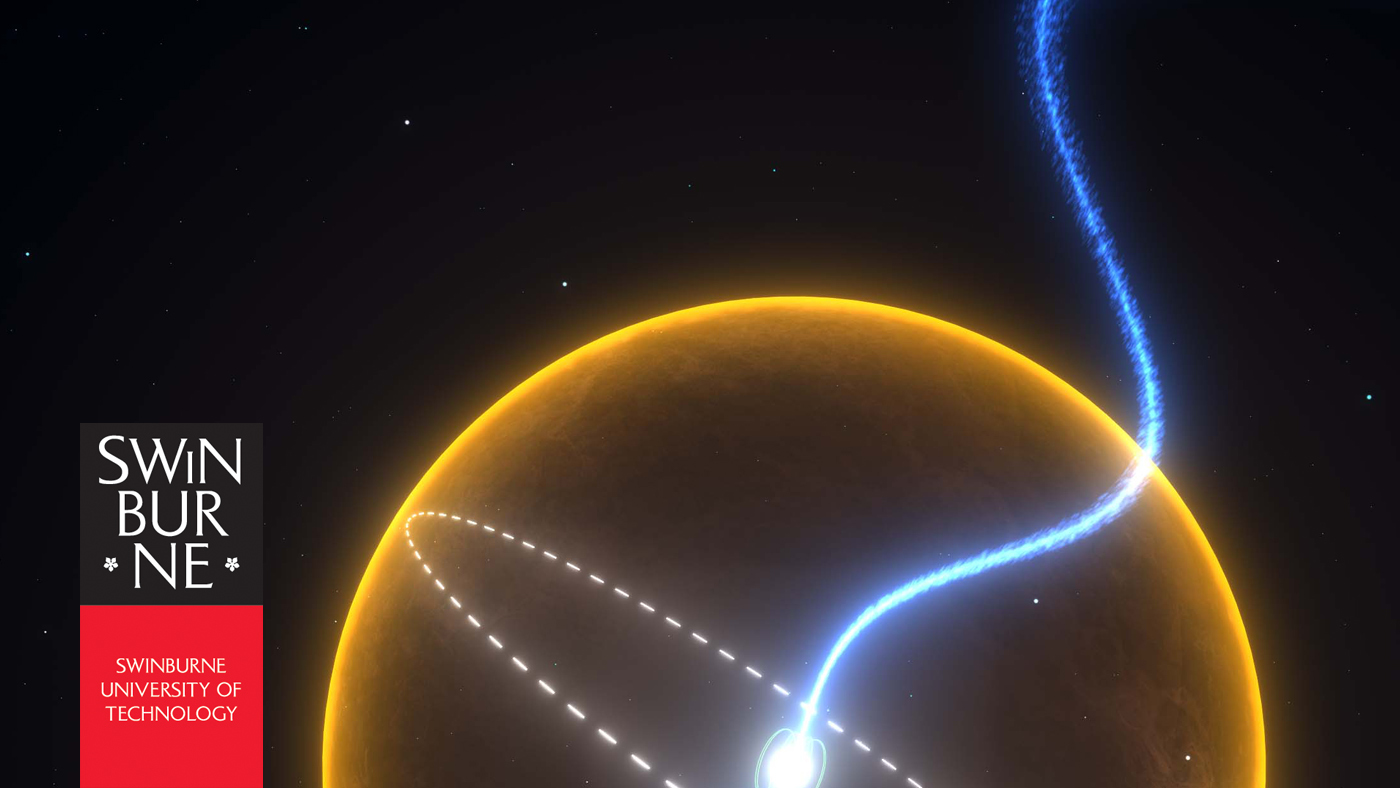
Presented by Dr Thomas E. Collett on Tuesday 14 November 2017. Einstein's theory of general relativity predicts that light rays are bent when they travel past a massive object. In this talk, we will explore tests of this prediction and view some of the spectacular consequences of light bending: gravitational lenses. These gravitational lenses let us directly measure where the mass is in the Universe, and the results imply that the Universe is mostly made of an exotic substance called dark matter.
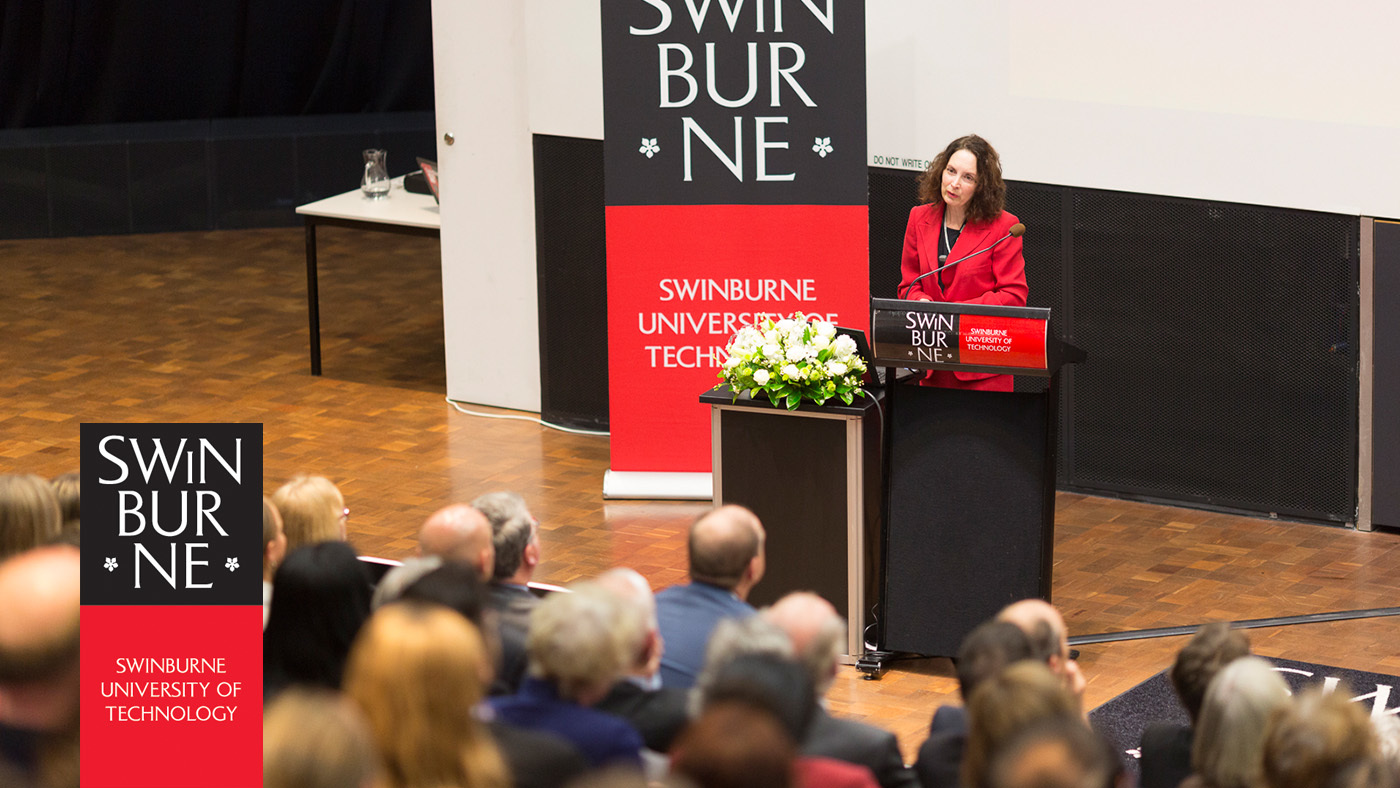
In the 2017 Barbara Dicker Oration Professor Sheri L Johnson, a distinguished professor at the University of California, Berkley, gave us a unique insight into exploring the links of rewards with mania and depression and understanding the relationship between reward pursuit and mood disorders. This Barbara Dicker Oration was held on 11 October 2017.
Presented by Dr Tiantian Yuan on Friday 29 September 2017. One of the most prominent features of galaxies today is the manifestation of elegant spiral arms. We live in a beautiful grand-design spiral galaxy called the Milky Way. Our Solar System, including the Earth and the only life that we know, lies within the Orion spiral arm of our Milky Way galaxy. However, as we look back in time to the very early Universe, the frequency of spiral galaxies decreases dramatically. In fact, most galaxies in the distant past are messy and irregular in shape. Why is it so? When was the first appearance of spiral arms? How were they formed? In this talk, I will take us 11 billion years back in time through the distorted space surrounding nature's most massive structures. We will get a glimpse of earliest onset of spiral arms and directly witness the formation of a spiral galaxy that could later be home to billions of stars and planets like our earth.
Presented by Igor Andreoni on Friday 20 October 2017. The ancients considered the Universe unchanging, and had a special name for the planets, which they regarded as “wanderers”. Any changes in the night sky were seen as portents of doom – and a reason to fear the Gods. The advent of modern astronomy means that we no longer fear changes in the night sky, indeed some of us make our living from them! In this lecture I will tell you the story of the modern transient sky, where stars live and die in spectacular explosions and amazing instruments such as the LIGO and Virgo gravitational wave interferometers probe the darkest depths of the Universe. The discovery of gravitational waves was awarded the Nobel Prize in Physics this month and has the power to reveal a plethora of new science from the merger of black holes and other exotic stars.
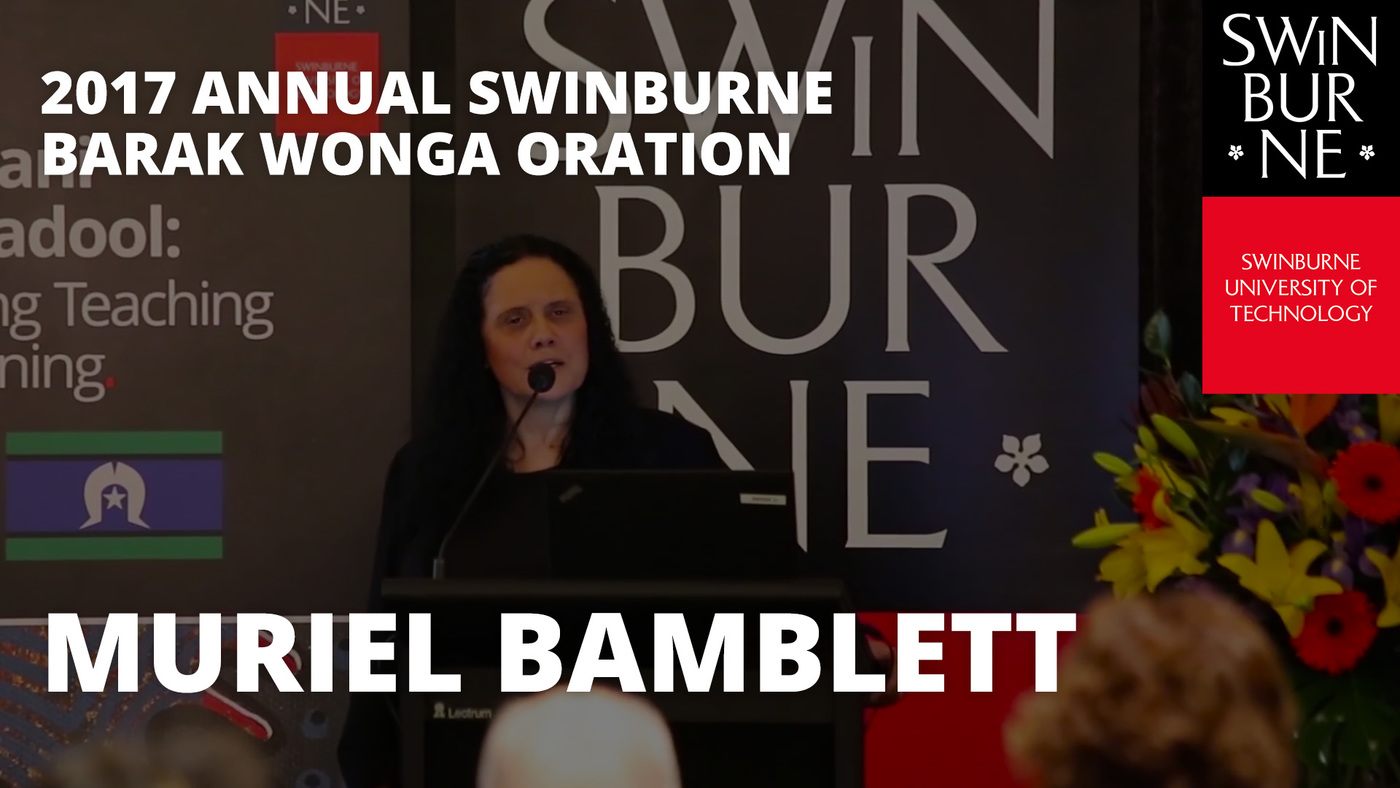
Presented by Adjunct Professor Muriel Bamblett Hon DLittSW AM on Thursday 17 August 2017. Full title: Walking in two worlds: Can Reconciliation lead us together onto a single pathway for a more just and equitable outcomes for all? The Victorian Aboriginal Child Care Agency (VACCA) celebrates forty years since our founding this year. In 1991 when the Royal Commission into Aboriginal Deaths in Custody made its recommendation about a Reconciliation process to address the alienation of Aboriginal people in our own land, we were barely fifteen years old yet much of that report focused on failings in child and family welfare. Our struggle to address the disproportionate removal of our kids from our families led us into fields of service and endeavour we did not expect to go down, nevertheless the path we chose – at times found ourselves on – has brought us to a point where we have shaped child welfare in this country. VACCA’s services reflect the beginnings of an Aboriginal model of child and family welfare that is based on the principle of the right of Aboriginal people to self-determination. Forty years on and we are now working in partnership with a state government and a sector that is determined to apply the principle of self-determination to Aboriginal affairs most notably through its discussions with us about a Treaty. What all this means for Swinburne University will be one of the issues that the Oration will tackle.
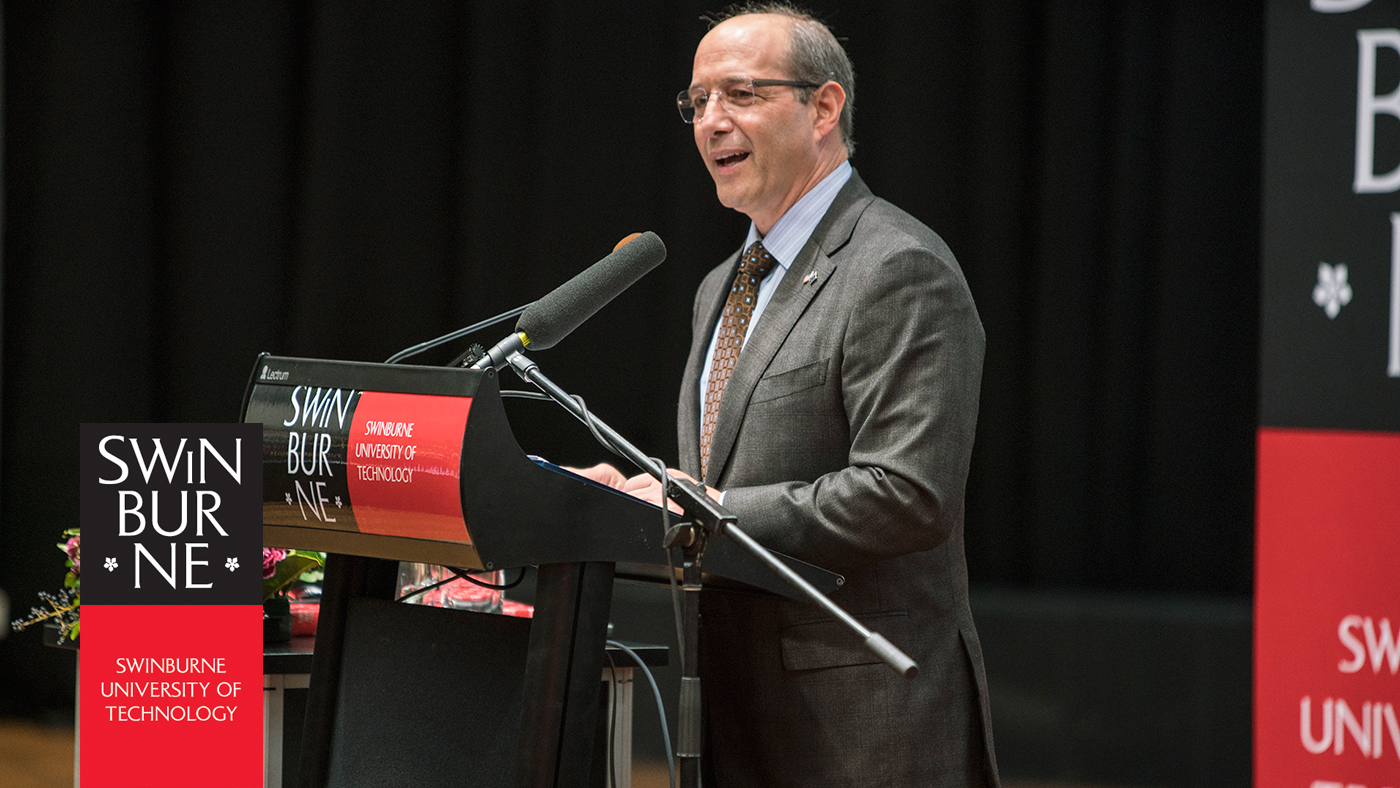
In the 2017 Chancellor's Lecture, the Hon. Jeffrey Bleich discussed five great technology driven challenges confronting Western democracies - automation, education, cyber, climate and self-governance. Presented 2 August 2017.
Presented by Prof. Patricia Vickers-Rich on Friday 7 July 2017. We have been plotting the history of life around the world and climate over more than 1 billion years. Tonight we will zero in on a time when the Earth's first animals came into the picture - at a time when the planet was in the grips of a massive glaciation, Snowball Earth - which is likely better named Slushball Earth.
This session was held by HERDSA Victoria Branch with presentations from Dr Jaclyn Broadbent (Deakin University): 'Am I just another number? Student success in large classes'. Dr Georgia Clarkson (Australian Catholic University): 'Facilitating successful transition'. Mr John Schwartz (Swinburne University): 'Student Success at Swinburne: The Role of Academic Development Advisors'.
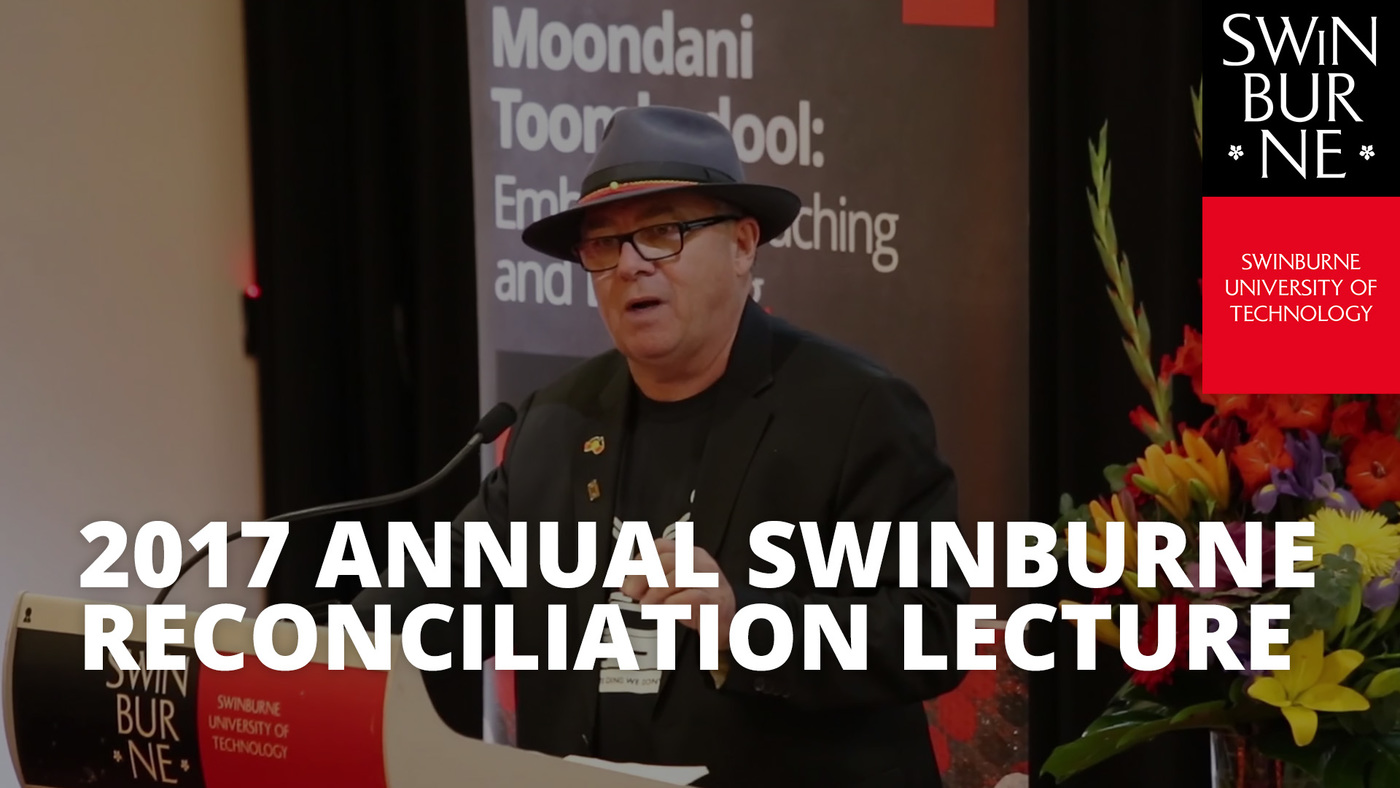
Presented by Professor John Maynard on Thursday 8 June 2017. In 2017 Australians stand at a crossroads. Are we heading to a truly egalitarian and shared future of prosperity, or to the bleak future portrayed in the movie Back to the Future II? Global political instability and bizarre electoral outcomes have created a climate of world uncertainty. In recent times the Australian nation has faced extreme and conflicting views over refugees, boat people, Australia Day, constitutional change and Aboriginal issues. It is timely to look back at the past now on some of these very same issues, to gain an insight on how we can take steps towards making positive change today.
Presented by Dr Rebecca Allen on Friday 12 May 2017. Galaxies are the largest structures of matter in our Universe. Our own Milky Way has been studied in glorious detail. We know it has billions of stars, around most of which planets are likely to be found. There is a super massive black hole at its center where anything that gets too close will be consumed. There are intricate dust lanes that obscure the main disk of the galaxy. There is the life-force of stars, hydrogen gas. Finally, there is the mysterious dark matter that acts as a gravitational glue holding the ordinary matter together. But our galaxy is just one of many, and since their discovery, understanding how these complex objects form and evolve has been a focus of astronomers. There are many pathways to reveal more about the nature and evolution of galaxies. In this talk, Dr Rebecca Allen from the Centre for Astrophysics and Supercomputing, will share how she uses the sizes of galaxies to understand more about their growth.
Presented by Dr. Themiya Nanayakkara on 21st April 2017. Over the last century, our understanding of the Universe has grown by leaps and bounds whilst posing new questions and testing our very fundamental knowledge and understanding of things around us. To answer these profound questions, scientists are planning ever more ambitious projects driven by human curiosity, to explore the unknown and comprehend our place in the vast senseless space. The Australian federal government in 2016-17 provided AUD 10 billion in support of science research and experiment development while NASA and ESA combined, plans to invest USD 25+ billion in 2017. Why is it important for governments to spend substantial amounts of money in fundamental science research? What are the benefits for the average tax payer, from governments investing billions of dollars into space science? How has our everyday lives been influenced by such investments? Together we shall discuss and explore how our investments in science has improved our way of living, and what the future may hold in store for us.
Presented by Professor Andrew Gunston on Thursday 23 February 2017. Over many decades, the Australian Higher Education sector has struggled to genuinely address the educational needs of Indigenous Australians. ‘Indigenous Australians and the Australian Higher Education Sector’, will discuss a number of interrelated factors – leadership, governance, culture, employment, student support, engagement, teaching and learning, research – that are essential in enabling the sector to address this critical area.
On September 14, 2015, gravitational waves from the merger of two black holes rippled through the Laser Interferometer Gravitational-wave Observatory (LIGO). The measurement of these ripples would ultimately lead to the first direct detection of gravitational waves, the first observation of a binary black hole, and the birth of an entirely new field of astronomy. In this talk, Dr Eric Thrane from Monash University, will trace the history of gravitational waves from Einstein to the LIGO detection. Dr Thrane will describe how LIGO works and how we are using it to learn about black holes and other interesting objects. He'll also discuss the future of gravitational-wave astronomy in Australia and around the world. Presented on 16 December 2016.
