



Storied: San Francisco


About
Available on








Community
466 episodes
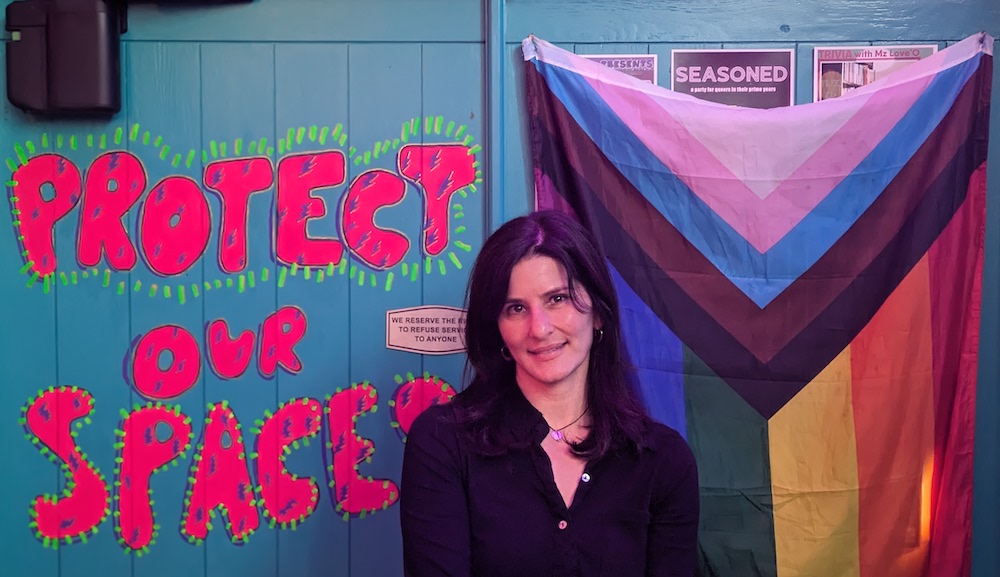
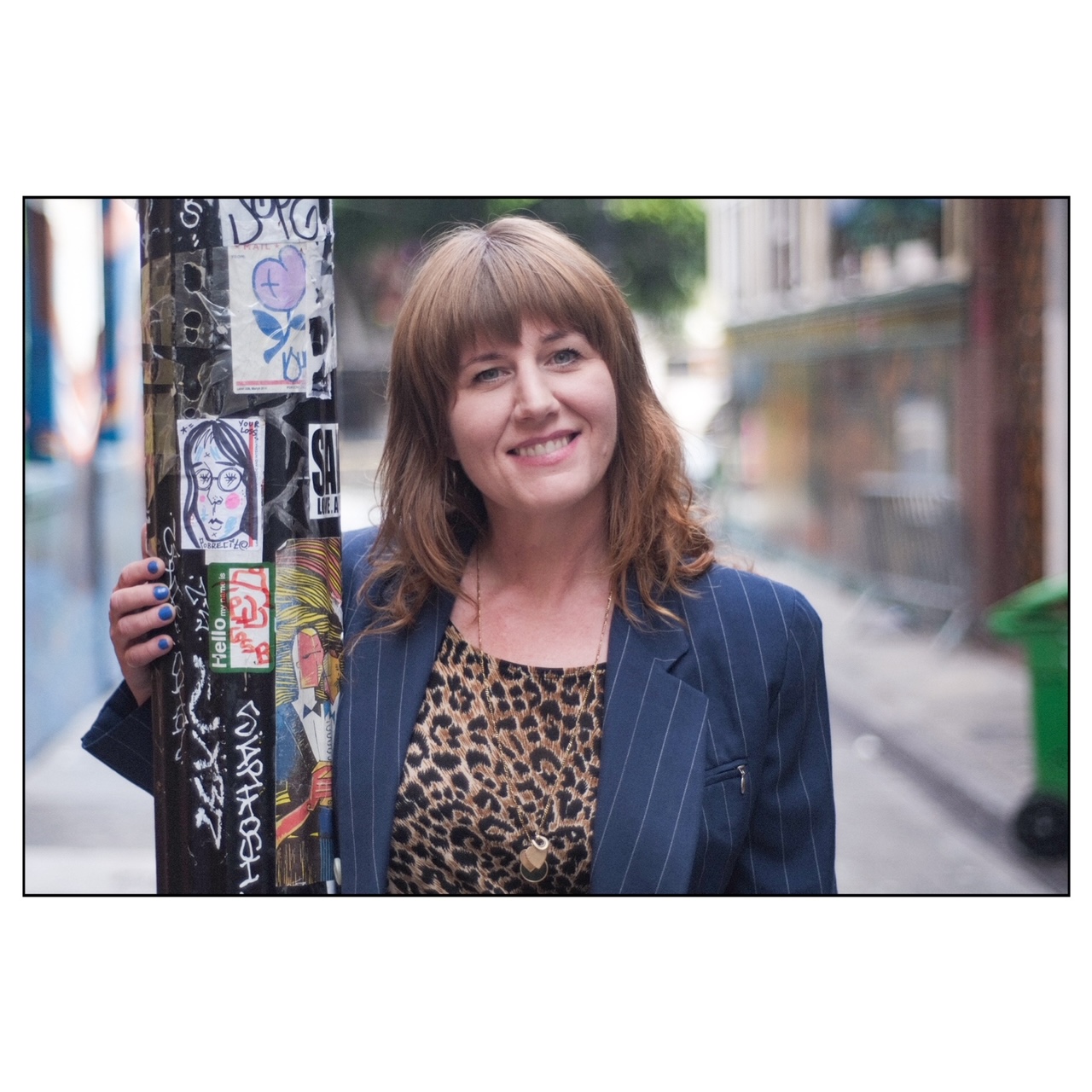
Chloe Sherman's eyes are intense, but not the way you might think. * * Chloe, who's been taking photographs since she was young, was born in New York City. Her mom and her mom's mom were both New Yorkers, and her dad was from Chicago, with his family going back generations there. When she in was grade school, the family moved to Chicago, where Chloe was raised by aunts and grandparents as well as her parents, just like she had been in NYC. * * It was the Seventies and her parents were hippies. They soon headed west, taking their family to Portland, Oregon, where Chloe spent the rest of her grade school days. * * Chloe says the move was fine, but that she felt like more of a city kid, and so it took some adjusting. She and her brother visited back east a lot. He ended up going to college there, and Chloe started school in Connecticut and then Boston before realizing that she'd become a West Coaster. * * We talk about life in Portland, how it's easier to be collective-minded and communal because it's more affordable than bigger cities. This of course has an effect on who's drawn to cities like Portland. With an abundance of young people, folks tend to band together. * * Chloe ended up going to Portland State. One weekend, she took a trip to San Francisco after reading about our city in a zine she got at Powell's Books in her hometown. We take a conversational detour at this point to talk about zine culture back in the late-Eighties and early Nineties. * * In high school, she had dabbled in dance and music, but knew she didn't want to pursue either performing art. She says she loved art and did photography, but got more serious about that after high school. * * In those aforementioned zines, she learned all about the bike messenger culture here in The City and was captivated by it. On that weekend trip down from Portland, she visited Lickety Split Couriers, which was Lynn Breedlove's bike messenger company. Chloe ended up working at another messenger for two weeks, but soon gave that up entirely. "San Francisco is instant death if you're not a pro," she says. We talk a bit about bike messenger culture in SF back in the Nineties. The service was essential to downtown during dotcom, but you'd hardly know it these days. * * Breedlove told Chloe, "Go to the Bearded Lady Cafe," which she did. And it changed her life forever. It was there that she found her community. Chloe moved to San Francisco right after that visit to the cafe on 14th Street in the Mission. * * She lived with friends until she finally got her own place in Lower Haight. After Chloe was established here, friends from Portland followed her to The City. Her world was expanding around her. She says that she looks at photos now from back then and sees concentric circles of friends. * * The SF Dyke scene flourished through the Nineties. But then people grew up, got priced out, and The City changed. Many businesses closed with those changes. * * Check back next week for Part 2 to hear more about that thriving, bustling, Mission lesbian scene that Chloe https://www.chloeshermanphotography.com/ captures so well and so prolifically in her photography. * * Photography by Jeff Hunt

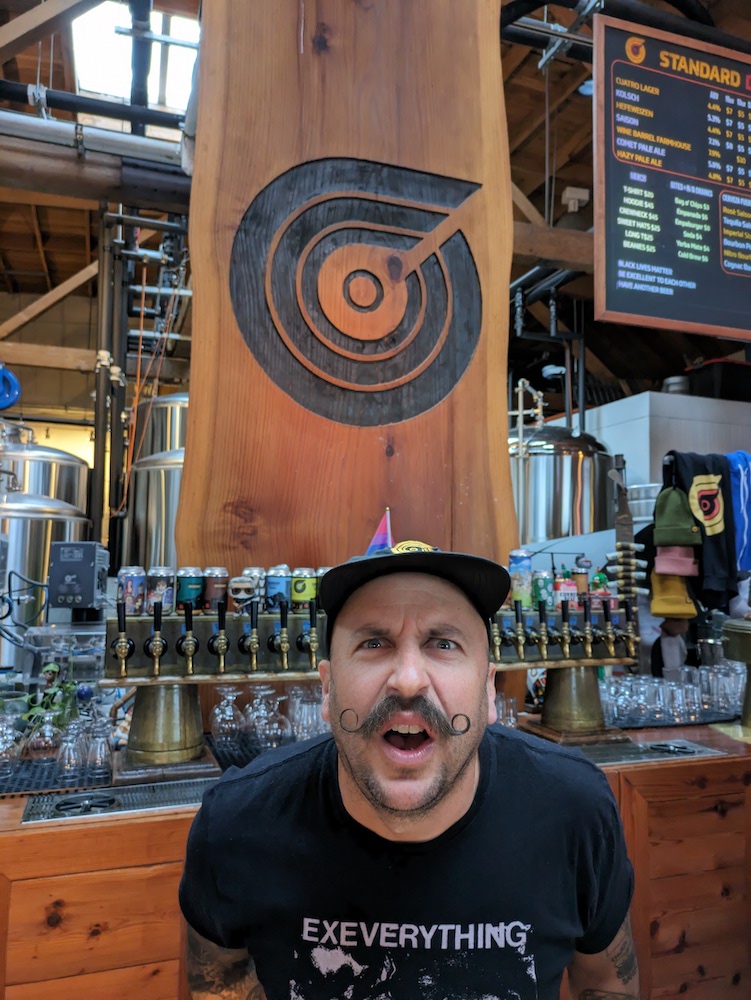
* In Part 2, we pick up right where we left off in Part 1. Mark was walking around the Mission taking down numbers of places with "for rent" signs. A resident in one of those spots leaned out the window and invited Mark in to see the place. Mark reveals that he and his wife still live in that same apartment 20 years later. * * * Paul Duatschek lived nearby in the Mission. He and Mark were introduced by a mutual friend at Bottom of the Hill. Soon enough, Paul was coming in regularly to Luna Park on Valencia, where Mark managed and bartended. His new friend kept urging Mark to carry his homebrew at the restaurant, something Paul most likely knew couldn't happen. The same thing happened when Mark opened his own place—Dr. Teeth (now simply "Teeth") on Mission. * * It was around the time of two major events—his 30th birthday and the dissolution of his band (see Part 1)—that Mark decided to branch out. He ended up opening several other alcoholic-beverage-heavy establishments around SF: joints like Wild Hare, Royal Tug Yacht Club, Soda Popinskis, Cease and Desist. But it was at Dr. Teeth that Paul, by now a pretty damn good homebrewer, would pressure his friend. * * The idea was that Paul knew beer and Mark knew how to open places. They hired a branding company to help come up with the name, while they also poured Paul's homebrew at parties. They got a good reaction to the product, but encountered challenges finding a spot. Eventually, Craigslist saved them. * * Today, Standard Deviant lives on 14th Street just off Mission in an old body shop. They signed the lease in 2015, built the place out, and opened in 2016. The brewery produces around 2,000 barrels a year. * * The conversation then turns to San Francisco craft brewing. When Mark and Paul decided to work together, there were about 10 craft breweries in SF (places like 21st Amendment and Magnolia, to name just a few). A year or so later, when Standard Deviant opened its doors, that number had doubled. Mark says of the entire operation that it's about the place as much as it is the beer. I for one can attest to that. * * We end the podcast with Mark's response to our theme this season: "We're all in it ..." * * PS: An exciting bit of news dropped since we recorded back in December. This fall, Standard Deviant is opening its second location in San Francisco’s Pier 70. For reference, we featured this exciting new area of the bayside waterfront back in Season 4 Episode 20. * * We recorded this podcast at Standard Deviant Brewing https://www.standarddeviantbrewing.com/ in the Mission in December 2023.
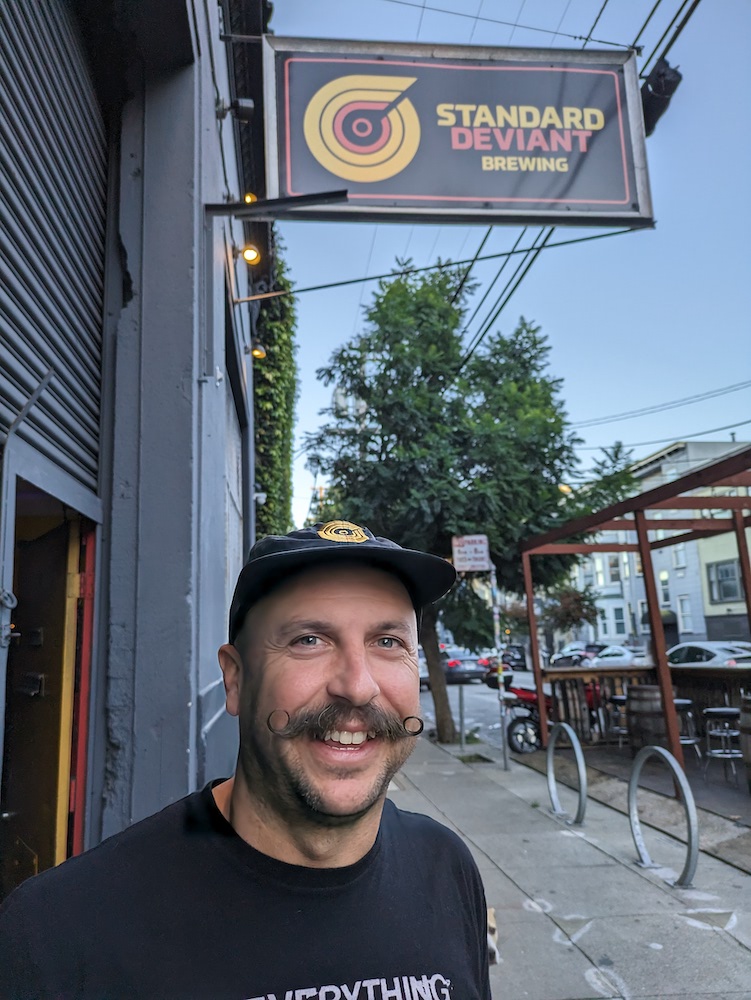
* Mark DeVito, co-owner and COO of Standard Deviant Brewing https://www.standarddeviantbrewing.com/, wouldn't last a day in a police lineup. But it might not be his curly handlebar mustache that gave him away. Mark has an outsize personality, to put it mildly. And back in December, I sat down with him and one of the SDB dogs, Beans, at the Mission brewery for what turned out to be quite the wild ride of a recording. * * In Part 1, we learn about Mark's upbringing in smalltown New Hampshire—Hopkinton, to be specific. It's still a town-with-no-stoplights small. The summers were hot and the winters cold and snowy. * * After hearing about two rather unfortunate stories from Mark's elementary school days, we move on to his teen years. He learned to play drums from a neighbor who taught music at his school. His parents placed him in a preparatory boarding school for high school, where he found an entire room full of instruments where he and his friends could play. And play they did. They formed a band that started playing around the area. * * We go back a little so Mark can share his Italian grandparents' story of migrating to the United States and landing in Boston, where his dad grew up and where Mark soon found himself after high school. The gigs, mostly Grateful Dead covers but eventually more like jazz improv with a Miles Davis influence, were stacking up for Great American (named after a grocery store chain and having nothing to do with 9/11). * * After his college years, some band members went their separate ways. But Mark and one of his buds decided to take a chance on San Francisco. Mark had visited and was blown away by the natural scenery and human creative energy here. Which, duh. * * And so, in 2004, he moved here. From 2005 to 2010, Mark would spend around five months a year touring the country from his new hometown. The story of how he found a place to live—where he's still at today with his wife—is remarkable only in the sense that it doesn't really happen that way anymore. He was walking around the Mission taking down phone numbers written on "for rent" signs in windows when someone leaned their head out one of those windows and asked Mark if he wanted to see the place. * * Check back next week for Part 2 with Mark and the story of Standard Deviant Brewing. * * We recorded this podcast at Standard Deviant Brewing in the Mission in December 2023. * * Photography by Jeff Hunt
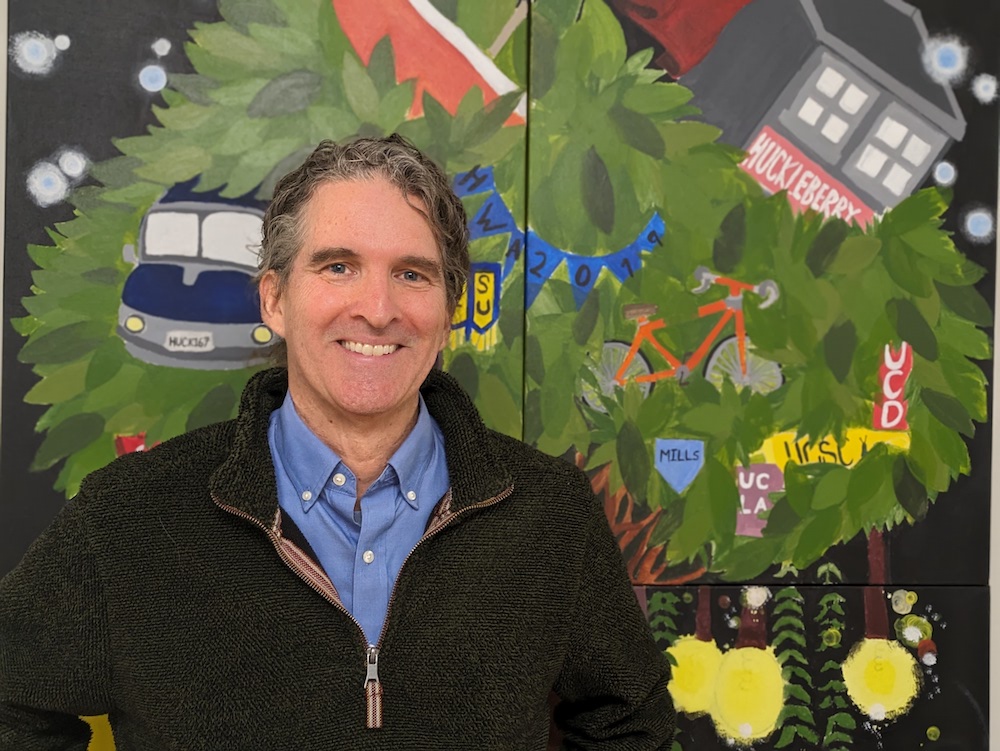
* * In Part 2, we really get into the meat of what Huckleberry Youth is and how it got started. You know, I keep finding out ways in which our city pioneered things for the nation. I recently saw the upcoming Carol Doda documentary and learned that she was the first topless dancer in the US. And in this episode, we hear from Doug and Denise something very important that Huckleberry Youth did before anyone else. And of course, at the time they did it, it was illegal. * * 1967 is also known as the "Summer of Love" in San Francisco. And that meant young people from all over the country and world flocked to our city to find whatever it was they were looking for. Not all of them were lucky. Many faced hardship, having trouble finding shelter, making friends, and getting sick or addicted to drugs. A group of faith-based organizations and folks in the nonprofit world got together to do something about it, and Huckleberry House was born. * * But back then, both being a youth runaway was illegal, and, if you provided shelter for a runaway, it was considered aiding and abetting. Huckleberry House was the first such shelter for runaway youth in the country. * * But all it took was one complaint from a parent. SFPD raided the house and arrested youth and staff alike. Now they needed a lawyer, and they found one in a young man named Willie Brown. The future mayor got the charges dropped, and Huckleberry House reopened in February 1968. It has been in legal operation ever since. * * Denise and Doug talk about several programs that Huckleberry Youth has established over the years. One such program was HYPE, established in the 1980s to help young people with HIV/AIDS. They give thanks and respect to Huckleberry's own Danny Keenan—the first to say, in effect, "We need to have kids talking to kids" to address problems like young people who are sick. * * I bring up the fire at their Geary Boulevard administrative offices back in 2019 because I witnessed it (I live not too far from there). The office had been at Geary and Parker for more than 30 years. The fire in front of Hong Kong Lounge 2 destroyed memorabilia and photos at Huckleberry's office, but they were able to save a lot too. * * During COVID, Huckleberry House stayed open and even took in new youth. Partly because of the fire, they had been moving a lot of admin stuff online before the pandemic, so they were able to make that transition. * * * The conversation then shifts to kids who come to them addicted. Huckleberry gets those youth into its justice program, known as CARC (Community Assessment and Resource Center). Denise tells this story, because she was at Delancey Street when the program started in 1998 (see Part 1 of this podcast). It turned out to be too much for that nonprofit, and so they handed it over to Huckleberry 2000. Doug and Denise estimate that the program has helped at least 7,000 individuals, and possibly as many as 10,000. * * We end this episode with Denise and Doug responding to our theme this season: "We're all in it." * * Go to Huckleberryyouth.org to donate and learn more about all that they do to help underserved youth in San Francisco. * * Photography by Jeff Hunt * * We recorded this podcast in December 2023 at Huckleberry Youth's administrative offices on Geary.

* Huckleberry Youth, the non-profit providing care and housing for underserved youth, celebrated 50 years back in 2017. In Part 1 of this episode, we meet Huckleberry https://www.huckleberryyouth.org/ consultant/advisor DENISE COLEMAN and the organization's CEO/executive director, DOUG STYLES. * * Denise was born at what is now Kaiser's French Campus on Geary. Denise, who is Black, shares the story of the hospital making her dad pay cash for their labor and delivery services, while it was obvious that white folks were allowed to make installment payments. * * Born and raised in the 1950s and Sixties, Denise and her family lived in the Haight/Ashbury neighborhood, as it was known then (now we call it Cole Valley) on Belvedere Street. She has three sisters and a brother, her dad worked two jobs usually, and her mom stayed home. She describes a childhood that was fun, filled with activities like roller skating, skateboarding, and homemade roller coasters. * * Denise was a teenager during the Vietnam War and took part in protests. She describes a history of friction with her mom. When Denise was 16, one of her sisters OD'd on drugs. Still, despite the trauma that came with that, she graduated high school from St. Mary's in 1973. At this point in the podcast, Denise rattles off the San Francisco schools she went to. * * After high school, she joined some of her cousins and attended the College of San Mateo. Denise never thought about or wanted to leave the Bay Area, she says. In an apartment on the Peninsula, she and her cousins had "the best time." After obtaining a two-year associate's degree, Denise says she wanted to go to SF State, but didn't connect with it, and so she started working instead. For two years, she flew as a flight attendant for the now-defunct Western Airlines. After that, she collected debt for a jewelry store, then worked as a credit authorizer for Levitz Furniture in South San Francisco. * * Denise says she got hung up in the crack epidemic in the Eighties. She started with cocaine, and that led to crack. She was an addict for eight years. She got herself into a rehabilitation program at Delancey Street and stayed in the program for seven years. Her time started in SF, then took her to Santa Monica, North Carolina, and New York state. * * In 1998, Denise decided to leave Delancey Street. She got a call from Mimi Silbert, the Delancey founder, with an offer to work at their new juvenile justice program in San Francisco. Denise said no at first, partly because she wanted to stay in North Carolina. But after some persistence from Silbert, in 1999, she said yes and came back to her hometown. After seven years away, The City had changed. * * And so Denise helped to establish Delancey Street's Community Assessment and Referral Center (CARC). After its first year, the organization realized that they didn't have the capacity to run the program. Delancey Street asked Huckleberry Youth to take it over, and this is how Denise ended up at Huckleberry. * * Doug Styles was born and raised in the Richmond District. He was too young to remember the 1960s and mostly grew up in the Seventies. Doug says he had a lot of fun as a kid, describing riding his bike to the beach and back by himself. He shares the story of going to a late movie in the Mission, so late that when he got out, there were no buses. And so he walked home through the Mission, through the Fillmore, to his home in the Richmond. * * He also rattles off San Francisco schools he went to, including Lowell. Doug was in school when the SLA kidnapped Patty Hearst. He was at Everett Middle School when Dan White assassinated George Moscone and Harvey Milk. He speaks to tensions in The City around this time, and Denise joins in to talk about the day of the assassinations. * * Doug graduated high school in 1983 and went to UC Santa Cruz, where he majored in theater. He moved to Massachusetts, where he found work in a theater. After a short time out east, he came back to San Francisco and tried unsuccessfully to get into grad school. So he enrolled in a masters program at CIIS for drama therapy. Following that degree, Doug went back east, this time to Connecticut to work at the VA's National Center for PTSD. * * After another return to the Bay Area, he got his doctorate in clinical psychology. At the VA, Doug had worked with adults, but the jobs he found here had him working with youth. He had a job on the Peninsula for 10 years, during which time he became a father to two kids, which he says changed him more than anything else. * * One day he saw that the Huckleberry Youth executive director was retiring. Doug applied and got the job, and has been with the non-profit ever since. * * Check back next week for Part 2 and more on the history of Huckleberry Youth. * * Photography by Jeff Hunt We recorded this podcast in December 2023 at Huckleberry Youth's administrative offices on Geary.
* We begin Part 2 where we left off in Part 1. Anita had been away from their Arkansas college town and missed Lester. Upon her return, she went to see him and they soon shared their first kiss. * * Soon after that day, Anita had a pregnancy scare, and so Lester asked her, "Would you marry me if you are?" She said yes, but ended up not being pregnant. It didn't matter. They got married anyway. It was 1990 and they were both 22. * * Lester had a semester to go in college, which meant that the young couple couldn't live together or he'd get kicked out of the Christian school. * * He had started his first serious band—Cosmic Giggle Factory. Anita worked at Captain D's, a regional seafood chain fast-food joint, and then at a hotel. They moved to Little Rock a few years later. Eventually, she landed a job at Spectrum Weekly, an alternative paper in the Arkansas capital. Looking back, they say that they really loved their community there. * * After four years in Little Rock, and after Bill Clinton got elected, they decided to leave before they would begin to hate it. closed and Lester's band broke up. They took these as signs to leave. * * Neither of them had ever been to San Francisco, but knew that they wanted to be in a city and many people they knew and trusted had good things to say about SF. Anita was working with an ESPN producer and through them met a person who lived here and offered them a place to live. So they packed up their Geo Prism, sold a lot of stuff, and maybe had $500 between them. It was November 1994. * * Upon arriving in the Bay, Lester worked at Tower Records and Anita found work at a temp agency. She had "toyed" with art while living in Little Rock and picked that up again in SF. But she says she didn't take it too seriously until around 2015. She worked several academic and corporate jobs that she didn't like until around that time, when Annie at Mini Bar gave her a show there. She ended up being in a show at Mini Bar every year for the next four years. * * One day in 2018 or so, Anita was at Fly Bar on Divisadero and learned that the owner needed someone to do art shows there. "I wanna do that!" she told them. Her first show at Fly was based on travel photography. Anita ended up curating shows at Fly until the pandemic, and had become involved in the Divisadero Art Walk https://www.artwalksf.com/. When COVID hit, the other Fly curator left town and Anita took over. She also did shows at Alamo Square Cafe, which stayed open during the pandemic. As other places started to open, she expanded her venues. * * When Annie left Mini Bar and Erin Kehoe took over, Anita reached out and they decided to alternate curating art shows at the bar (where we worked with Erin to do Hungry Ghosts in summer 2023). Anita has since added even more venues, including Bean Bag Cafe, and says she has moved around $50K of art in five years. * * This leads us to Anita's newest thing: KnownSF https://morearteverywhere.com/, which will officially launch later this year. For her shows, she likes to have one artist whose first show it is and one artist 50 or older. She says she wants to stick with the venues she's already showing at. Stay tuned and follow KnownSF on Instagram. * * Then we get to Lester's band, The Pine Box Boys https://www.hollinsandhollins.com/, who recently celebrated 20 years of existence. * * When he first moved to The City, Lester had a hard time getting music going. He was dealing with confidence issues, which didn't make anything easier. * * He enrolled at SF State, got a degree, went into a teaching credential program, and started meeting people. Through some of these new teacher-to-be friends, he started playing with a band that was already established. He says he was stoked to play a show in San Francisco, but that band fizzled out and broke up. * * But Lester and another member kept playing together. It was a noisy, abstract band called Zag Men. As Lester tells us, the saying went, "If the Zagmen are playing, nobody's getting laid." He started creating soundtracks to silent films at ATA on Valencia. He was teaching and doing music on the side. * * Pine Box Boys started in the same studio space at Fulton and McAllister that we recorded this podcast in. Lester showed his buddies some blue grass stuff he'd picked up when he was younger. And we learn that his mom used to sing him to sleep with old British murder ballads when he was a kid. So, Lester taught these friends some of those darker songs. * * At first the band was a side project to his side project at ATA. But Lester points to the 2000 movie which sparked a general societal interest in Americana and genres like blue grass. People began to want to hear Pine Box Boys more than Zag Men, so Lester went with it. * * They played Cafe du Nord a lot and eventually started touring, both the US and Europe. Lester quit his teaching job and from 2006-2009, the band kept touring. They started to put out records (look for a new one, their sixth, soon). Eventually, he started teaching again, and when he got into school admin work, it ate into his music, but not so much that he had to quit. * * During the pandemic, they did some streaming shows and online festivals. Eventually, when it was safe, they played a handful of parklet shows. He and Anita were regulars at Madrone already. Anita had an idea and asked Spike, who owns Madrone—what if Lester did a residency at the art bar? And so, the first Sunday of the month became "Apocalypse Sunday." November 2023 marked the two-year anniversary for the monthly show. Lester tries to always bring different genre bands in to play with his own. Mark your calendars! We've been to a few and they're a lot of fun! * * We end with Anita and Lester responding to this season's theme on the podcast: "We're All in It." Anita points to wanting to see neighborhoods, which are thriving, mingle more and get to know each other. Lester ends with a rather choice quote about casseroles. * * Photography by Jeff Hunt * * * * We recorded this episode at Antia's art studio on Divisadero on a rainy day in January 2024.
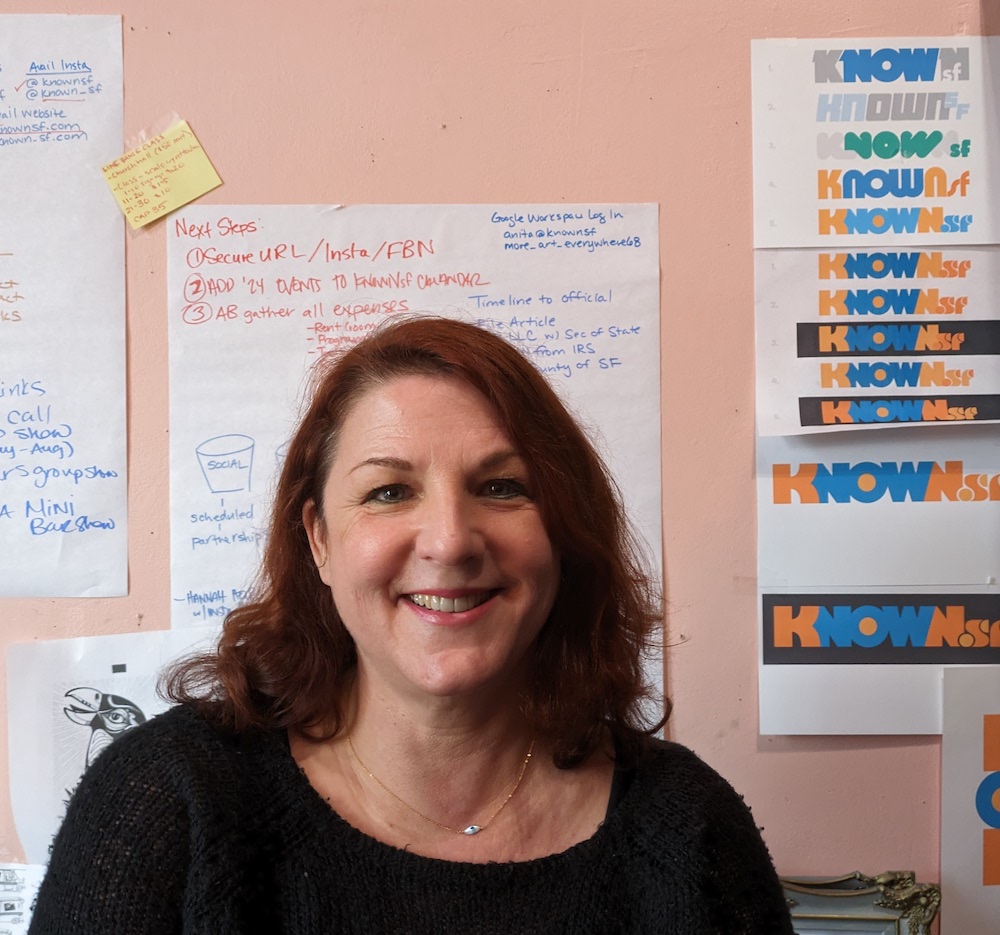
* ANITA BESHIRS was born in Batesville, Mississippi, because the small Southern town her family lived in didn't have a hospital. * * Welcome to our Valentine's 2024 episode all about Anita and her husband, LESTER RAWW. In Part 1, we'll get to know Lester and Anita through the stories of their childhood and early adult years. * * Anita's dad was a Church of Christ minister who, along with her mom, never drank or even took medicinal drugs. Anita is the third child in her family (she has two older brothers) and when she just two years old, their parents moved them to the Cameroon jungle on missionary work. * * The family lived in Africa in a house made of concrete blocks and with a tin roof. Anita spent the first six years of her life with no TV or radio and so she was forced to make her own fun. She was home schooled by her mom because her dad was busy doing his church work. * * After four years, the family returned to Mississippi, now in the college town of Oxford, where Anita started grade school. She says she didn't want to go to college right away because she didn't know what she wanted to do with her life. But her parents insisted that she go to Christian college, which meant a school called Harding University in Arkansas. This is where Lester and Anita met, but more on that after we hear the story of Lester's early life. * * His mom grew up in Florence, Alabama, near the Tennessee River and not far from Muscle Shoals. She moved to Florida and met his dad, who was a fighter pilot in the Navy. Lester has one older brother, born not long before him. Their dad was in and out of Navy and the family moved around, first to San Diego, then back to Flordia, and finally to Virginia, where Lester finished high school. * * Because his family was also in the Church of Christ and his brother had gone to Harding, Lester chose the school, mostly as a way to escape life in Virginia. He had grown apart from the church when he was 13 and a friend introduced him to things like books by Robert Anton Wilson and William S. Burroughs, marijuana, and prog rock. Lester started playing guitar around this time, but we'll get more into that in Part 2. * * Anita and Lester remember first meeting in their first year at college in the campus quad. Anita's first impression was, Oh god, this guy is such a freak. They didn't date for another four years, but hung out with a lot of the same people. Then, in her sophomore year, Anita spent a semester abroad in Florence. She came back a changed person. * * At this point in the conversation, we hear them each describe was they were like as young adults. Anita says she was a bit of a prankster, but Lester's stories take pranks to another level. Because of their respective shenanigans, they were each "dormed" at Harding, which was the school's form of detention punishment. We all share a hearty laugh over this. * * Anita says that at Harding, it was the first time in her life that she was popular. She was recruited into a social club (their version of Greek sororities) and was a rising star in Christian leadership. She liked it enough, but again, Italy changed her. Slowly, she stopped believing in god and Jesus. * * Lester shares stories of how they and others would sneak in drinking and smoking cigarettes while at Harding. Slowly, Anita was finding a new identity and crowd of friends, including Lester. She left Harding for Ole Miss but went back because she figured out that she could graduate faster at Harding. The couple really started hanging out regularly in their fourth years of college. Both had dated others and in fact, Anita set Lester up with some of her friends. Lester had never got serious with anyone at Harding, though. * * It was Anita's goal to get out of Harding unmarried. Her future husband wanted to move to New York to pursue a music career, and she was just ready to live a little, wherever. She broke up with her boyfriend in early 1990 and soon after this, the two got together. * * Check back next week for Part 2 and the conclusion of our Valentine's 2024 episode. * * Photography by Jeff Hunt * * We recorded this episode at Antia's art studio on Divisadero on a rainy day in January 2024.
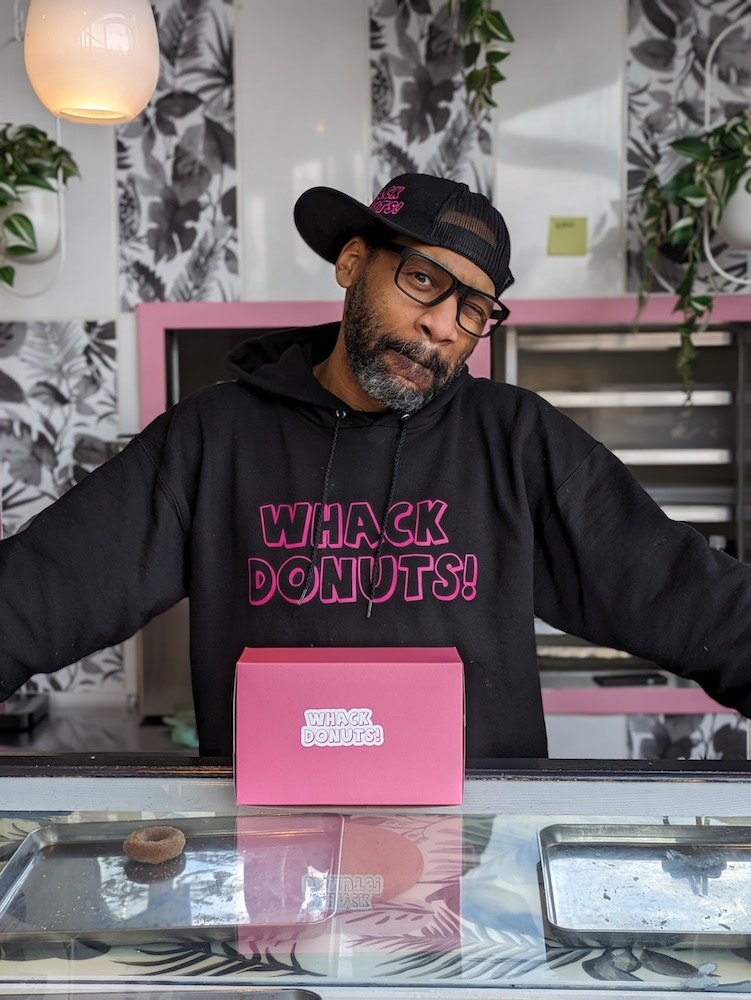
Something awesome happened near the Embarcadero. In Season 4 of this show, back in 2022, we featured SF born-and-raised vegan donut maker Vandor Hill. His pop-up (at the time), Whack Donuts, was gaining some new fans and new spots for him to sell his delicious sweet treats. But now .. * Now Whack Donuts occupies a corner spot of EMB 4, just across the walkway from Osha Thai and near the padel courts and water fountain of recently renamed Embarcadero Plaza. How did this happen? * * Well, Vandor got himself into two city programs: Vacant to Vibrant and Ujamaa Kitchen. And it was his acceptance to Vacant to Vibrant that helped him to get and keep his nook in EMB 4. * * Vandor and I hung out one day in January to catch up on life since April 2022. This bonus episode comprises our conversation that day. * * Whack Donuts is open 8 a.m. - 2 p.m., Tues.-Sat. Vandor often does special drops and monthly flavors. But if you're looking for sweetness for your sweetie (or yourself, let's be real), he'll have a red velvet cake vegan donut for Valentine's as well as a special "Love in a Box" 3-pack or half-dozen. * * Follow Whack Donuts on Instagram. * * Photography by Jeff Hunt * * We recorded this podcast at Whack Donuts in the Embarcadero in January 2024.

* Part 2 begins with how Melan thinks of herself as an artist. "Art is therapy," she says. It's how she knows herself. "If I cannot create, I cannot be myself." * * She's been creative her whole life. She wanted to be a tap dancer early on, pointing to Shirley Temple as inspiration (by the way, Temple was originally from Santa Monica, but died in Woodside). Melan even did drag for a while. But she found painting around four years ago and decided then that she's not doing anything else after that. * * She cites her mom's love of cooking and baking shows as another inspiration. Back in the day, before Food Network and competitive cooking shows, it was just PBS. Melan watched a lot of Julia Child, Jacques Pepin, and Martin Yan. She says that she watched these shows more than the Saturday morning cartoons most kids her age were glued to. She also loved cookbook illustrations and says they've been a big inspiration for her. * * Melan talks about the "Muni Raised Me" show at SomArts last year, which she was part of. In the podcast, she describes her Muni paintings that were part of the SomArts show ... they involved dim sum, burritos, and Irish coffees. Then our conversation evolves into a discussion of Muni and what it can mean to life in The City. * * Plans for 2024 include hibernating. She says she needs to paint, that travel in 2023 pulled her away from that. She's looking for new things to paint, so if you've got ideas, drop her a line. * * We end the podcast with Melan riffing on our theme: "We're All in It." * * Follow Melan on social media: Instagram/TikTok * * We recorded this podcast in Patricia's Green in Hayes Valley in December 2023. * * Photography by Jeff Hunt

MELAN ALLEN is a third-generation San Franciscan. In this episode, we get to know this born-and-raised food artist whom I met last summer at Fillmore Jazz Festival. * Melan's grandparents moved here in the Sixties and lived in San Francisco until the 2000s. Her mom's mom came to SF from Texas and was part of a mass migration west, when her mom was very young. In our conversation, Melan says that she sometimes wonders what it would have been like if she had grown up in Texas instead of The City. * * Her dad was born here and raised in Western Addition/Hayes Valley. Her mom also grew up in that part of town. Perhaps naturally, when the two met and started to raise a family, they stayed in the area. Her family was there until Melan was 16, in fact. Even though she no longer lives there, Melan says that this hood is home, even though it has changed. * * "It's like your first love," Melan says of her hometown. "It feels like growing up in Oz." She left The City when she found herself complaining about changes. * * Rewinding a bit, Melan shares the story of her family getting evicted from her grandma's house in Ingleside when she was 19. She had wanted to move out on her own anyway, but wasn't sure how. And so, as it turns out, this unfortunate event forced her to become an adult. * * She's the middle kid of three, with one older sister and one younger brother. Melan says that she and her siblings are all different, that they did their own things, and that she is the only artist among them. Her dad is a playwright and her mom's a hard-core crafter. Melan says that she has always been creative, that creativity and expression were fostered in their home. * * Her mom collected/hoarded things, and Melan thinks that's where she got her own propensity to pick things up off the street. She feels like she can "McGuyver" anything. * * We end Part 1 with Melan explaining that she's consistently cookie-decorating at her home in the East Bay. At the time of our recording last December, she was also making fake cookies out of clay. She rattles off some of the other projects she's currently working on, and ends by proclaiming, "I have to have a lot of space." * * Follow Melan on Instagram @melanmadethat https://www.instagram.com/melanmadethat/. * Visit her website here. * * Photography by Jeff Hunt * * We recorded this podcast in Patricia's Green in Hayes Valley in December 2023.

* Part 2 is a deep-dive into the history of the Tenderloin, which we began toward the end of Part 1. Katie digs into the infamous Compton's Cafeteria Riot and shares the background and what lead to that fateful event. * * After the moral crusaders successfully passed new laws essentially controlling the lives of women, the Tenderloin bounced right back thanks to Prohibition, when the neighborhood's nightlife effectively went underground. Katie says that in the 1920s and Thirties, the TL was the glitzy, seedy nightlife capital of the Bay Area, replete with bars and restaurants, some of which doubled as gambling halls and brothels. Then came the 1940s, and World War II impacted all of San Francisco, especially the Tenderloin. * * Many servicemen were housed in SROs in the TL before leaving for the Pacific. This situation allowed gay members to explore their sexuality. And it was this that established SF as a Gay Mecca. Interestingly, the Army gave servicemembers a list of places to go in the Tenderloin, and the smarter ones took that as a map of where go. * * Then-Mayor George Christopher had it out for the TL. His brother had gotten into some trouble in the hood, and the mayor blamed the Tenderloin itself, calling it a blight and generally scapegoating the area. He led a crack-down on gambling, removed the cable cars, and created one-way streets. * * By the time the Fifties rolled around, many came to see the TL as a hood to get away from. But just a short decade or so later, in the 1960s, a significant migration of young people to The City began. Many queer folks landed in the TL and soon found that churches in the neighborhood were a safe haven, especially Glide Memorial Church. * * From this point in the story, Katie shifts briefly to discuss the museum's work with Susan Stryker, a trans historian and director of (2005). Stryker rediscovered and wrote a history of the riot. She described Glide as a "midwife" to LGBTQ history in San Francisco. * * In the early Sixties, sex workers didn't have legal means of employment. Many of them frequented Compton's because it was one of the few places in town that served them. The joint was frequented by trans women, sex workers, and activists on most days. Then, in 1966, SF cops raided the place. The story goes that a trans woman poured hot coffee in a cop's face, and all hell broke loose. It came to be seen as a militant response to police harassment. * * was the first public program at TLM. In 2018, the museum produced an immersive play about the riot called . Katie takes us on a sidebar about Aunt Charlie's, the last gay bar in left in the Tenderloin. * * TLM's plan was to produce play again in 2020, and they've been hard at work since the pandemic to bring it back. They now have a space on Larkin to produce play year-round, so, stay tuned. * * We end the podcast with a discussion about the new neon sign outside the museum. Katie explains that TLM is a fiscal sponsor of SF Neon, a non-profit doing neon sign restoration, walking tours, and other events. * * We recorded this podcast at the Tenderloin Museum https://www.tenderloinmuseum.org/ in November 2023 and January 2024. * * Photography by Jeff Hunt
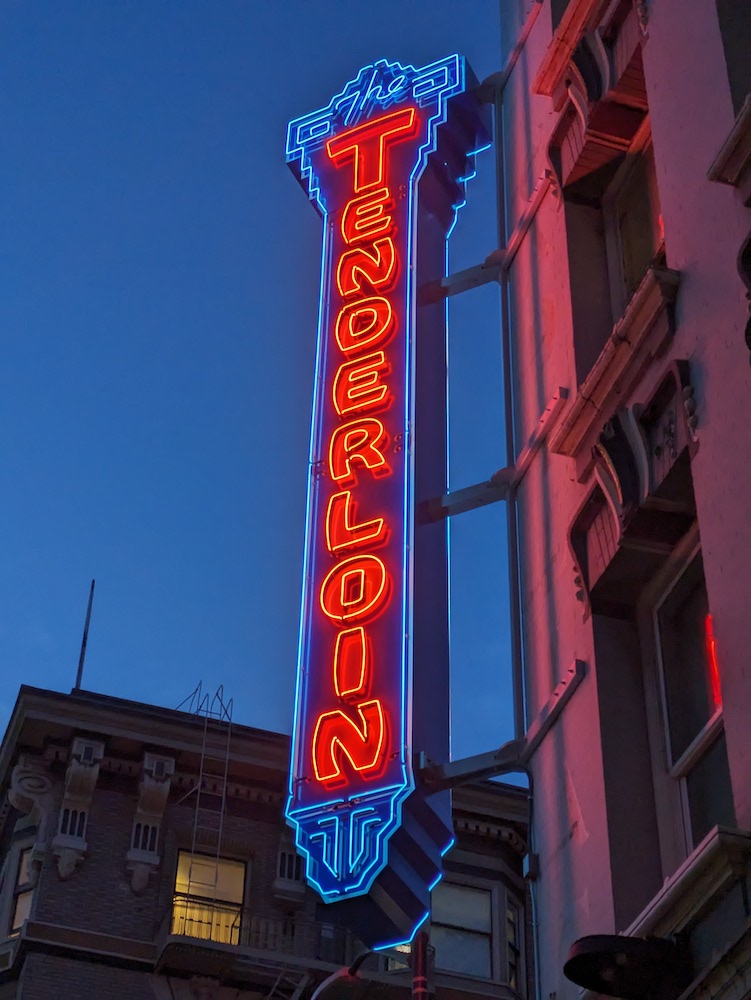
* In Part 1, we get to know TENDERLOIN MUSEUM's executive director, KATIE CONRY. She's originally from Oceanside, California, just outside of LA, where her parents are from. They were both teachers but were priced out of the big city, a situation all too familiar around here. * * * Katie left home as soon as she could—when she was 18 and it was time to go to college. She had felt lonely and alienated in her hometown. But almost from the moment she arrived in Berkeley, she loved it and felt connected. In the 20-plus years since, she hasn't left the Bay Area. * * * She moved across the Bay to San Francisco after graduation in the mid-2000s, settling in the Mission, the neighborhood she's lived in ever since. Katie and Jeff reminisce about several Mission spots they both frequented around that time. * * * In the early 2010s, Katie got a job at Adobe Books https://www.adobebooks.com/, helping the bookstore raise money to make the move from 16th Street to its current spot on 24th Street. In that fundraising process, the store was turned into a co-op and its art gallery a non-profit. * * * This experience is how Katie started in events and working with artists. She later worked part-time at museums like the California Academy of Sciences, the Contemporary Jewish Museum, and The Exploratorium, working on private events for those institutions. * * * Katie was originally hired at the Tenderloin Museum https://www.tenderloinmuseum.org/ as their program manager when the museum opened in 2015. The next year, she became its executive director (Alex Spoto does a lot of public programming now). * * * From here, we dive into the history of TLM. It was the brainchild of journalist and activist Randy Shaw, who was inspired by what he saw at New York City's Tenement Museum https://www.tenement.org/. The non-profit that runs TLM was formed in 2009 and they opened their museum doors to the public in 2015. The permanent collection in their gallery spotlights stories of working-class resistance movements and marginalized communities. The museum was successful early, largely because of its public programming. They sponsored showings of the film (1967), which turned out to be very popular. * * * From here, our discussion pivots to the history of the Tenderloin itself. Katie shares that it (not the Castro) was the first gay hood in San Francisco. It was a high-density neighborhood filled with affordable housing, a liminal space in an urban setting. Then we hear the story of the neighborhood after the 1906 earthquake, which destroyed just about everything except the Hibernia Bank building. * * * The Tenderloin was rebuilt quickly, though. The Cadillac Hotel, where the museum is located today, opened in 1908 and was meant to house folks who were working to rebuild The City. The single room occupancies (SROs) left people hungry for entertainment, of which there was soon plenty. * * * Women were living on their own in the Tenderloin, and in response, moral crusaders came after them. These high-and-mighty types had successfully shut down the sex-worker presence in San Francisco's Barbary Coast in 1913, forcing members of that industry to the Tenderloin. And so, perhaps naturally, those same crusaders came after sex-industry women in the Tenderloin. * * * The first sex-worker protest in the US happened in the TL after Reggie Gamble stormed a church and gave an impromptu speech. But it wasn't enough. Those same self-righteous white men effectively shut down the Tenderloin in 1917, an occasion for which TLM did a centennial celebration in 2017. * * * Check back next week for more Tenderloin History in Part 2 of this episode. * * * We recorded this podcast at the Tenderloin Museum https://www.tenderloinmuseum.org/ in November 2023. * * Photography by Jeff Hunt
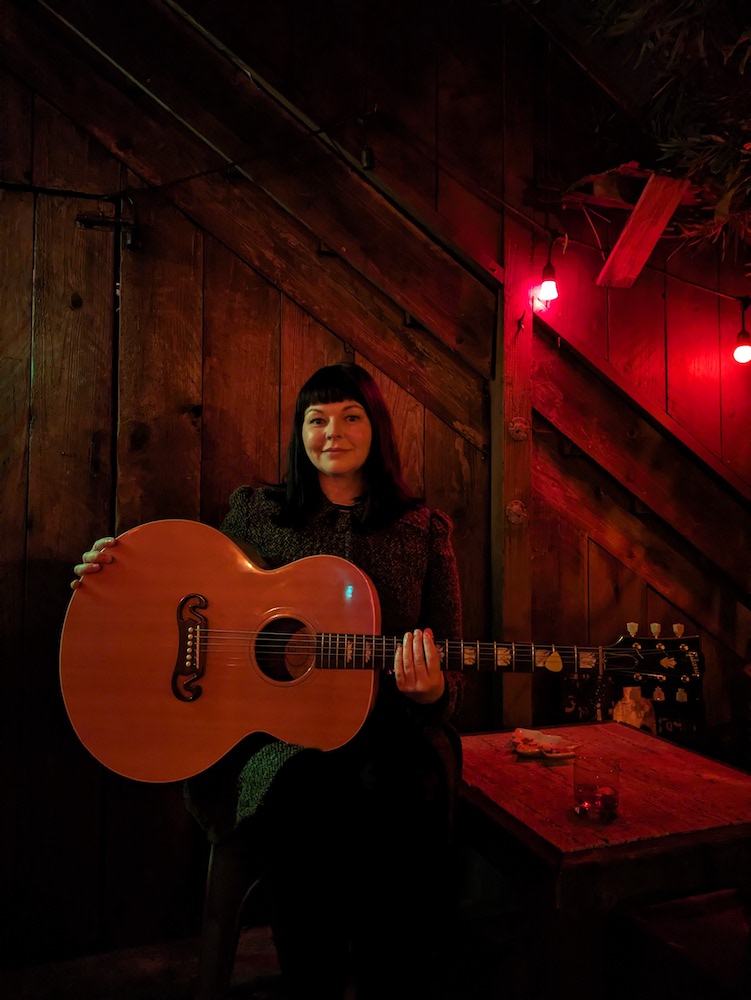
* We begin Part 2 with my asking the question everyone wants to know: Is "Meredith Edgar" her real name or a stage name? You'll have to listen in to find out. * * Then she shares the various day jobs she's had over the years, some worse than others. She worked a little retail, then got an esthetician's license and worked in dermatology. Meredith says that she's always wanted to help people. * * That work eventually drove her to go back to college, which she did at St. Edward's in Austin, where she earned a degree in psychology. While in Austin, she worked at the SIMS Foundation https://simsfoundation.org/, a mental-health non-profit for musicians in the area. An internship there led to a job, one she describes as one of her favorites to this day. * * Then, thanks to my propensity for chatter, we dive into a sidebar on Austin and whether folks in that city do a good job of taking care of their own. Meredith is quick and correct in pointing out that, like here, Austin artists and musicians often get priced out of a city that's always becoming more expensive to live in. * * After that, Meredith tells us about her time in Italy for a stint, which inevitably leads to another sidebar, this time on Spain and Italy. And finally, after all that set up, I get to share my story of discovering Meredith. * * Meredith was married, but then divorced. She had lived in Venice, but after Italy, she moved back to The City she was born in ... just before COVID hit. She managed to find a job and an apartment just in time, though. * * When the pandemic did take hold, she started doing live streams on Instagram. She had really wanted to give her music a push, and like many musicians, took to streaming as a way to continue connecting with audiences. Once it was safe, Meredith started playing masked shows in outdoor places, something she says "really saved" her, both socially and creatively. She had been living alone and feeling that isolation that the pandemic exacerbated for so many of us. * * Now she says that she's got herself to a good point. She's summoning patience and has managed to find community here. Meredith recorded an album at Women's Audio Mission https://womensaudiomission.org/ in 2021 and hopes to record again this year. She says that among writing, rehearsing, recording, and playing out, the latter is her favorite. * * We end Part 2 with Meredith's response to our theme this season: "We're all in it." * * The songs you hear after our conversation ends are: "Louisiana Rain" and "Blue." * * Catch Meredith at any of the following upcoming shows: * * Jan. 11 at Rite Spot (I'll be there!) * Jan. 21 at Spec's * Jan. 25 again at Rite Spot * * We recorded this episode at Royal Cuckoo Organ Lounge in the Mission in November 2023. * * Photography by Jeff Hunt
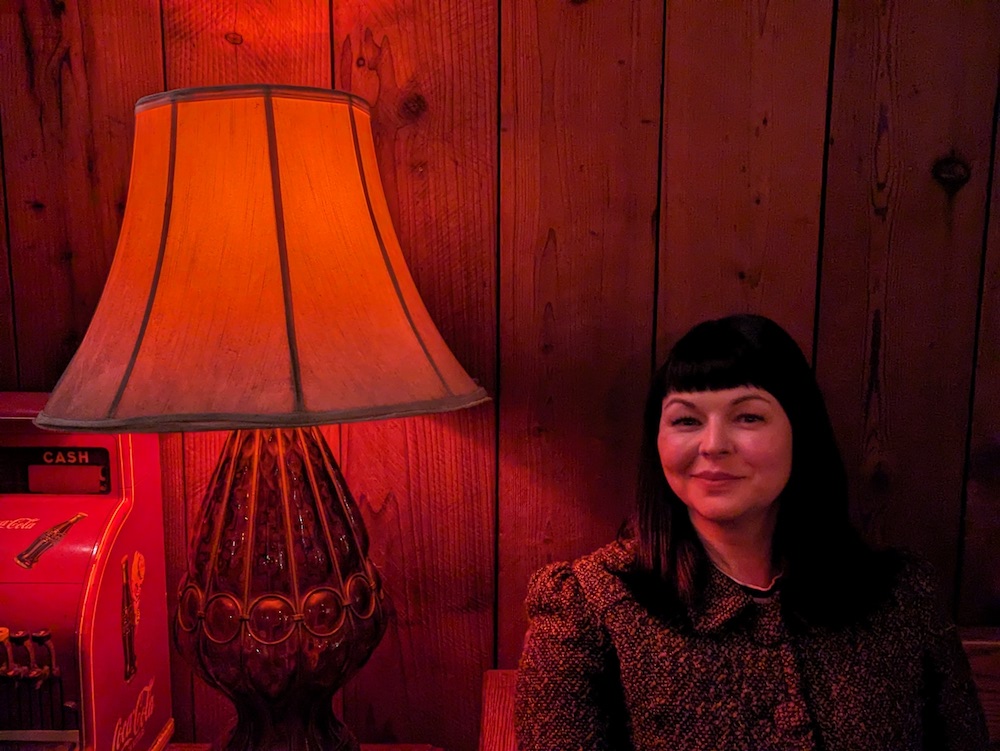
* Discovering Meredith Edgar is one of my best memories of 2023. * * In Part 1 of this episode, get to know this singer/songwriter who was born in San Francisco. Her parents had been here a while, but soon after giving birth to Meredith, the family moved around a bit, first to the South, then to the Northeast, and finally, back to the South Bay. * * "Silicon Valley" was vastly different than the other places Meredith spent her early life in. When her family moved there, she was in third grade and happy to be in a more diverse place. She ended up spending her middle and high school years in the South Bay, eventually spending more and more time in The City. * * Music was always an integral part of Meredith's life. As she puts it, her parents have "eclectic taste in music." She says that there was always music playing—at home, in the car. Her dad also played guitar. * * Meredith started playing violin at 4. Later, she joined her junior high choir. And by the time high school rolled around, she had started playing guitar, writing songs, and playing out. "Out" at that time meant open mics at Red Rock Coffee in Mountain View, and Meredith shares the story of her first time doing that. She says that she's deeply grateful to have found music, fast-forwarding to tell the story of her dog's passing away in late September of this year and how playing helped her grieve. * * Then we go back again to her late-teen years. Meredith was ready to not be in the suburbs anymore. She and her friends came to SF to go to shows or go dancing at spots like Pop Scene (330 Ritch) and 1984 (Cat Club). When she made the leap north to live in The City, she didn't play out right away. But the South Bay band she was still a part of fizzled out. * * When she first got here, she was in a bad relationship that also eventually ended. After that, Meredith's music picked back up. She worked at Macy's in cosmetics and shares a fun sidebar about kittens and puppies up for adoption over the holidays at the department store. * Around 2007 or so, she picked up music yet again, writing, playing out, doing solo shows, playing originals and covers. She preferred to be solo because of her desire to be self-sufficient. * * We end Part 1 with a chat about her siblings. Meredith's brother is six years younger than she is and is an artist here in The City. Her sister is a year older than her, but didn't grow up with the family. In fact, they didn't know about her until Meredith was 18. She says that they're good friends now. * * Check back next week for Part 2 and a bonus episode of Meredith playing a few songs just for you. * * Meredith's website * Follow Meredith Edgar on Instagram * * We recorded this episode at Royal Cuckoo Organ Lounge in November 2023.
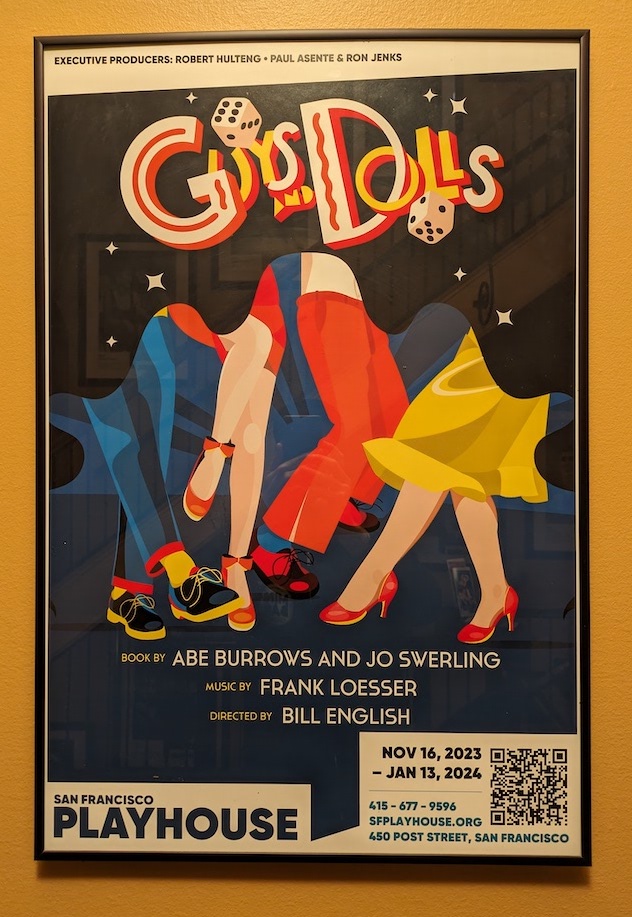
We begin Part 2 with talk of how Bill and Susi’s love of the work needed to get SF Playhouse started really helped them overcome any fear that might’ve hindered them. Their first brick-and-mortar spot on Sutter Street was meant to be retrofitted. The landlords wouldn’t lease it to the new acting company, but they’d rent it cheaply one month at a time. To get themselves up and running, they staged a play they’d done before, one that was good for the holidays that were coming up. The play was by Joe Bologna and Renée Taylor. To drum up ticket sales, Bill and Susi would walk down to Union Square, where there used to be a spot folks could line up for discount theater tickets. They handed out SF Playhouse flyers and it taught them that they had sales acumen and hustle. That original space had a hole in the ceiling, which made it cold. But Bill’s day job in these days was carpentry, which he learned doing set building. Susi came in with her business background, which we learned a little about in Part 1. She set up the books, but also acted in plays. Both of them directed and acted, in fact. Susi still worked her day job as a CPA, but became an indie contractor, and then an HR professional. She did all this to support her theater work at night. Fast-forward four years and Bill had phased out of carpentry. Susi had so many ideas of what they could do with their space—she wanted real seats, not fold-ups. They painted, hung Christmas lights for ambience, and handed out blankets to theater-goers. Their first “season,” which they now admit wasn’t a true season at all, ended with a staging of by Rebecca Gilman, a popular play at the time. Bill describes it as a dark, difficult play, which he liked. He felt it challenged the audience. He says that the nature of the play required critics to come because no one in the Bay Area was staging it. Artistic directors came, probably wondering why SF Playhouse dared to do it. As luck would have it, this all helped to put them on the map. The Chronicle called it an intriguing play young theater company. Susi had wanted to do , a play about a group of suburban housewives whose husbands had locked themselves into a meat locker in the basement. The dilemma: To let the men out or not? This time, the Chronicle said: It’s good, better in fact than the New York production of the same play. Bill had wanted to play El Gallo in , so they got another director and did it. They got some bigger Bay Area names to act in it, and it ran all summer. They remained in that first location for three years, until the retrofit work finally happened. They were bummed to leave and were told they could come back once the work was completed. But when that day came, the landlords informed them that to move back in, they’d need to pay five times their previous rent and fork over $1 million up-front. They balked at such a ridiculous sum. But as luck would have it, a spot became available across Sutter, and they moved in in 2006. They stayed on Sutter from then until 2012, when the space inside the Elks Lodge building on Post opened. They pounced and have been there ever since. SF Playhouse was established as a non-profit theater from Day 1. Susi thought it was the way to go. Doing so meant that could get donors and subscribers and at least aim to break even. The spot on Post opened as they were doing at their old location on Sutter. It was so popular that they were turning folks away. Time for a bigger theater, they decided. The space on Post had been empty for years. It was originally an Elk’s Lodge meeting hall, but had been converted to a 700-seat theater toward the end of the 20th century. Bill had always imagined 200-250 seats as the ideal capacity. He’d learned about non-profit theaters from various trips to New York. Susi shares the story of what they encountered when they took over. The Elks had created it, but it had a bad energy when SF Playhouse came in. An Elks bartender told Susi that the place had ghosts … and they gave off bad juju. Susi connected with a friend of a friend who could look at the space. This person wanted to left alone there for two hours. She came back from that and told them some of the spirits were angry and others excited. And so this person invited those who weren’t happy to leave, while those creative ghosts who happy could stay and help. Susi says that when she came back after this, the place felt great and has ever since. Then we talk about the current run of at SF Playhouse (which my wife, Erin, and I saw and absolutely loved). Bill, who’s directing the show, describes it as a satire on black-and-white thinking and the polarization so prevalent in our world today. This leads us to discuss Bill’s idea of the theater as an “Empathy Gym.” Visitors come to see another point of view. Everything that SF Playhouse does comes out of that idea. In addition to visiting their website for tickets and info, you can call 415-677-9596 or email info@sfplayhouse.org. They’re on Instagram and TikTok @sfplayhouse.
SUSI DAMILANO was born in Germany and raised in the South Bay. Many of her German aunts married US servicemen, but Susi's mom married a German man and the family soon moved to Silicon Valley. Susi shares a history of that area, noting thatnot too long ago, it was primarily orchards. Growing up, Susi would cut through those orchards to get to school. Now that area is housing. She grew up in the 1970s and graduated high school then. As a young adult in the '70s and '80s, Susi visited SF often and says she always dreamed of living in "the big city." She would listen to her parents’ stories of racing down hills and being escorted home by cops, and got excited. Susi and her friend who had a car would drive up to The City and up and down Polk Street, cruising and people-watching. Despite the allure of San Francisco, she ended up going to college in San Diego at SD State. She liked it there enough—the weather, the people. An accounting major, she says that the job market wasn't great in that area, and so she returned home to the South Bay and got a job at CPA firm in San Jose, where she worked a handful of years with clients like the fledgling Apple Computer. Still, she couldn't shake wanting to live in SF. She found a job at another CPA firm, this time in The City. She lived in the Marina on Chestnut and was there during the 1989 Loma Prieta earthquake. Susi loved being here and got her taste for theater from reading Herb Caen columns. She started going to live theater and loved it. Around this same time, she was getting burnt out on her accounting job. A friend dared her to dream what else she could do. She decided that she wanted an Oscar, even though she didn’t act (yet). To get started, Susi took an acting class in Sunnyvale. Then we meet BILL ENGLISH, Susi's husband and cofounder of SF Playhouse. Originally from Evanston, Illinois, Bill spent his high school and college years in Tempe, Arizona. Then it was back to Illinois for grad school at Northwestern in Evanston. Bill says that he was an instrumentalist earlier in his life and never thought much about theater. He played in orchestra his freshman year at ASU for a theater production, and it was here that he was “hit by lightning.” From the orchestra pit, he looked up and decided that he wanted to be on stage. He tried out for and got some roles, first backing and then eventually, lead parts. He had always been a singer. Bill says that both his parents are musicians—his dad was a band director, in fact. He decided right away that he preferred the stage to playing music. As a kid, Bill came to San Francisco from time to time with his family and loved it. He says that he always associated SF with theater. He didn’t end up pursuing theater after college, but instead played piano in rock and country bands. He moved around a bit, from Chicago and Phoenix to LA and eventually The City. This was the early 1980s and he had just had a daughter, which meant he couldn’t do music anymore. In his limited spare time, Bill tried out for some plays. And he's been in it ever since. At this point in Part 1, Bill and Susi share the story of their meeting. It was the late '90s, and Susi was taking an acting class at the Jean Shelton school here. Bill had studied there, too, and they had some friends in common. Their first meeting was on a street outside a theater. She was starstruck but figured he had no idea who she was. Susi volunteered to work concessions to get a theater ticket, which is where she first crossed paths with the young performer. She thought: That guy’s cute! Over the next couple of years, she started seeing him at parties. Bill came to a show, and Susi was there with one of his friends. The friend asked if Susi wanted to join them (after the show) for a drink at a spot across the street from the Clift Hotel. At the bar, Bill was bemoaning the lack of new scripts, but a friend of Susi’s had one that needed producing. And so Susi told him as much. She recalls his reaction being something along the lines of: “Sure. I've heard this before.” But Susi followed through and sent him the script in the mail. She got an answering machine message from him soon after this saying that the script she'd sent him was good. He also complimented her for following through. He asked her to dinner, and it turned out to be their first date ... sorta. This was 1997, the same night that Princess Diana died (August 31, to be exact). They and a couple of friends were soon involved in a play that doubled as their courtship. They were married in 1999. After the run of the play, they were all still friends and decided to start a little theater company. They called it DreamStackers. And that company evolved into SAN FRANCISCO PLAYHOUSE https://www.sfplayhouse.org/sfph/ in 2003. Check back this Thursday for Part 2 on SF Playhouse and Bill and Susi. We recorded this podcast at SF Playhouse https://www.sfplayhouse.org/sfph/ in November 2023. Photography by Jeff Hunt

In Part 2, Rudy picks up where he left off in Part 1, talking about the origin of UNITED PLAYAZ and a race riot at Balboa High School back in 1994. Rudy gathered those students who'd been involved in the violence to talk and determine their own solutions. And that's exactly what they did. They told Rudy and other adults that there was nothing to do at the school, and out of that discovery, the school implemented many programs to better engage kids. In 2005, Mauricio Vela gave Rudy the blessing to bring United Playaz to Rudy's home hood of South of Market. Rudy shares that story of first getting funding, then getting their building on Howard Street. They moved in around 2008/2009. And in 2015, UP bought the building. We talk about the origin of UP's motto: “It takes the hood to save the hood …” That story starts in New Orleans post-Katrina, where Rudy saw what the people were doing for themselves to recover when officials at every level failed them. The phrase was inspired by what he saw there, including drug dealers, drug users, and "thugs" helping out in the community against unimaginable tragedy and stiff odds. Today, UP has chapters all over the country, but their scope has evolved over time. Rudy shares a story of having talked with Stanley "Tookie" Williams, who was in San Quentin at the time. Tookie told Rudy to "work with the little kids," not just those at the high school level. Nowadays, as Rudy puts it, they work with every age group, “from the elementary to the penitentiary (their prison re-entry program).” Some in UP programs had been locked up for 30, 40, and 50 years. Some of them work with young kids today. We end this podcast with talk of changes in the South of Market, the massive gentrification in that neighborhood that's occurred over the last several decades, and the relationships Rudy has built to counteract that. We recorded this episode at the United Playaz Clubhouse in South of Market in November 2023. Photography by Jeff Hunt

In Part 1, we meet RUDY CORPUZ, a born-and-raised San Franciscan who grew up in the South of Market. Rudy's parents came to the US from the Philippines before he was born. His dad was in the army, which was his ticket to this country. And he brought his wife and some of Rudy's older siblings with him. They went first to Boston, then to Seattle, folllowed by San Pedro, California, and finally, to San Francisco. The family's first landing spot in The City was Hunters-Point. The family then moved a little north to the South of Market. Rudy is the youngest of nine siblings. His early days in SOMA took place in the 1970s and ‘80s. He recalls many other ethnicities and lots and lots of families living in SOMA back in those days, and says that he learned a lot from his neighborhood. He ran with a crew of kids that spent a lot of time on Market Street going to shops, arcades, and theaters. He fondly recalls a South of Market community center called Canon Kip, where he'd go as a kid to play basketball, attend study halls, engage in other forms of recreation, and go on field trips. Rudy cites his time at Canon Kip as playing a role in his current work with United Playaz. At this point in the recording, I asked Rudy to rattle off San Francisco schools he's attended. The list includes: Buena Vista and Patrick Henry elementary schools, Potrero Middle School, and Mission High School. In addition to his native SOMA neighborhood, Rudy spent a lot of time in Potrero Hill, getting around mostly on Muni busses. This was the mid-'80s/early '90s, i.e., the crack era. Rudy shares that he both sold used the drug. His usage got bad, to the point that he crashed. He points to the death of his dad in 1987 as a major contributor to his behavior. He didn’t know what to do with the pain of losing his dad, and so he turned to drugs. Rudy got busted in 1988 and was sent to adult jail. For the next several years, he was In and out of trouble (and jail). It took him a while, but eventually, he figured out that he was broken. Around this time, an adult at the Canon Kip community center offered to get Rudy into City College. He was still in a low period, but when he got to CCSF, he was blown away by the abundance of "pretty women" he saw there. He and I had a hearty laugh about that. He got a part-time job convincing other teenagers to go to CCSF, and discovered that he liked helping people. In 1994, while waiting for a job assignment, he spotted a posting on a job board. "Gang Prevention Counselor (Filipino)." A light bulb when off. He got the job, which was based in Bernal Heights. In his new gig, Rudy was tasked with finding Filipino gangs in Bernal/District 11. This brought him to Balboa High School, where h saw plenty of fights and sideshows. The school's principal told him that she needed his help. After a big riot between Filipinos and Blacks on Oct. 8, 1994, Rudy got the kids who had been involved to sit down together at a table. And they were the ones who came up with their own solutions. They called it UNITED PLAYAZ https://unitedplayaz.org/. Check back next week for Part 2 and the history of the non-profit. Photography by Jeff Hunt We recorded this episode at the United Playaz Clubhouse in the South of Market in November 2023.
In Part 2, Traci tells us that, after six months in Australia, during which she had put her things in storage here in The City, she came back and got those things right back out. She got a place to live and a job, both of which were relative easy back then. But, she says, SF was getting weird and crowded. It was the late-‘90s, so the dotcom boom was well under way. She started working at different restaurants as a server. Then, after some shorter travels abroad and a cross-country road trip, she got an office job. That lasted four-and-a-half years. She wanted a house in San Francisco and was trying to save up for that. Then, another economic bottom fell out and she was out of work. This was followed by a low period in her life, one that involved a lot of drinking and amassing debt. When she became too broke to travel, Traci got a job serving at Cha Cha Cha in the Mission and climbed her way out of debt. At this point in the recording, Traci rattles off a handful SF bars she’s worked or filled in at. Then I briefly share my own story of finding Boozenation, and Traci shares how she found us (how she found Bitch Talk, to be perfectly honest). Her story involved seeing us at The Saloon days before the shutdown in 2020. And it was the pandemic that inspired Traci to start her own podcast about bartenders and service industry workers. Two years later, Boozenation is going strong. When I asked her what’s next, she told me that in 2024, she wants to dive into some of the darker issues around the service industry, things like wage theft, sexual harassment, sexual assaults that anyone who works in the industry is all too familiar with. Traci says that she wants to take her time in the New Year and do it right. We end the podcast with Traci rattling off some of her favorite spots around town. They include, but are not limited to: __ __ Find Boozenation Podcast on Apple Podcasts, Google Podcasts, Spotify, and traciramos.com. Photography by Michelle Kilfeather
In Part 1, we meet and get to know a bit about Traci's past. She grew up in Modesto. Her dad’s family is Puerto Rican and they arrived in the Central Valley from the East Bay. Traci's mom’s mom came to California via Mexico and Spain, while her mom’s dad is Native American, Cherokee to be exact. That man, Traci's grandpa, his mom had three sets of kids from three men, but grandpa didn’t talk about that. Traci is an only child. She and her family visited the East Bay when she was a kid, but they didn’t really come to San Francisco. Traci says her impression of the East Bay is that it was like Modesto, but more crowded and noisier. Sometime after the 1989 Loma Prieta earthquake, Traci came to The City to go to SF State, where she graduated from the school's BECA program around 4.5 years later. She says that the decision where to go to college ultimately came down to SF State or Sac State. But in the end, she wanted to be in SF. She and friends had been coming to The City to see shows and concerts. Here, she rattles off quite an impressive list of bands she saw back then, including Duran Duran at The Fillmore. At State, Traci lived in the dorms, which, after the quake, were showing obvious signs of damage. To her young mind, it didn't matter. She was where she wanted to be. She had always loved the fog, most likely owing to the intense summer heat in Modesto. While in school, she worked around town in cafes and restaurants. After graduation, she had saved up enough money to buy a one-way ticket to Madrid. She travelled around Europe a bit for a year, then came back to SF and worked various jobs. Then, a year later, Traci picked up again and went to Australia, this time on a round-trip ticket. We end Part 1 with some of Traci's fondest memories of New Zealand and the ways that that island nation compare to California. Photography by Michelle Kilfeather
Part 4 starts off with me and Joanna doing the math trying to figure out how long she's worked at Vesuvio. Turns out it's right around 20 years. She started out as a waitress. The woman who was supposed to train her ended up not showing up that day, and Joanna really didn’t know what she was doing. But she winged it. A customer saw her inexperience and helped her out with some sage advice. The conversation moves on to cover many of the ins and outs of serving vs. bartending. She says that, back in the day, yelling matches happened at Vesuvio sometimes, but that it's much mellower these days. Then we get to the pandemic and their eventual closure. Vesuvio was Joanna’s only job at the time, one that had her working five days a week. She says that many regulars, folks who live alone, weren’t sure what to do when the bar had to shut down. Like many of us, they thought it would be only a week. So Joanna borrowed her parents’ car and drove up to Cloverdale to spend what she figured would be a short time with friends. She ended up staying there for four months. Vesuvio reopened in late 2020, but closed again in December after a positive case from one of its staff. In January 2021, they opened for good. And when they did, Joanna says it was like starting over. Now we get around to chatting about Wacky Wednesdays, the music shows in Kerouac Alley which effectively (and finally) prompted us to do an episode on one of our favorite spots in The City. Joanna gives context to the situation that inspired her to create the music events. Bars weren’t busy. Things were weird. Everyone felt anxious. “Let’s do something fun,” she thought. She had run an art fair in the alley pre-pandemic, for which she scheduled bands and vendors. She used that idea as a base for what became Wacky Wednesdays. She asked friends's bands to play. They said yes. She approached the bar about paying bands. They said yes. (These days, Vesuvio has sponsors for the events.) In 2023, there were 13 shows and 29 bands. They're currently on hiatus for the winter, but will start up again next June. It turns out that Chad, a bartender at Vesuvio, as well as some others she knows, knew how to do sound. The shows would be free—no tickets—and bands are OK to cancel if need be. The shows were a hit right away. In fact, someone is making a zine about them and they've gotten good press. Joanna assures us that Wacky Wednesdays are coming back in the summer of 2024 and says she already has a wishlist of bands she'll try to book for the alley. For more info, follow Joanna or Vesuvio on Instagram. Or just do yourself a favor and go meet a buddy for drink at the coolest bar in The City. Once they start again, calendars will appear at Vesuvio. Photography by Michelle Kilfeather https://www.instagram.com/luckykilfeather/
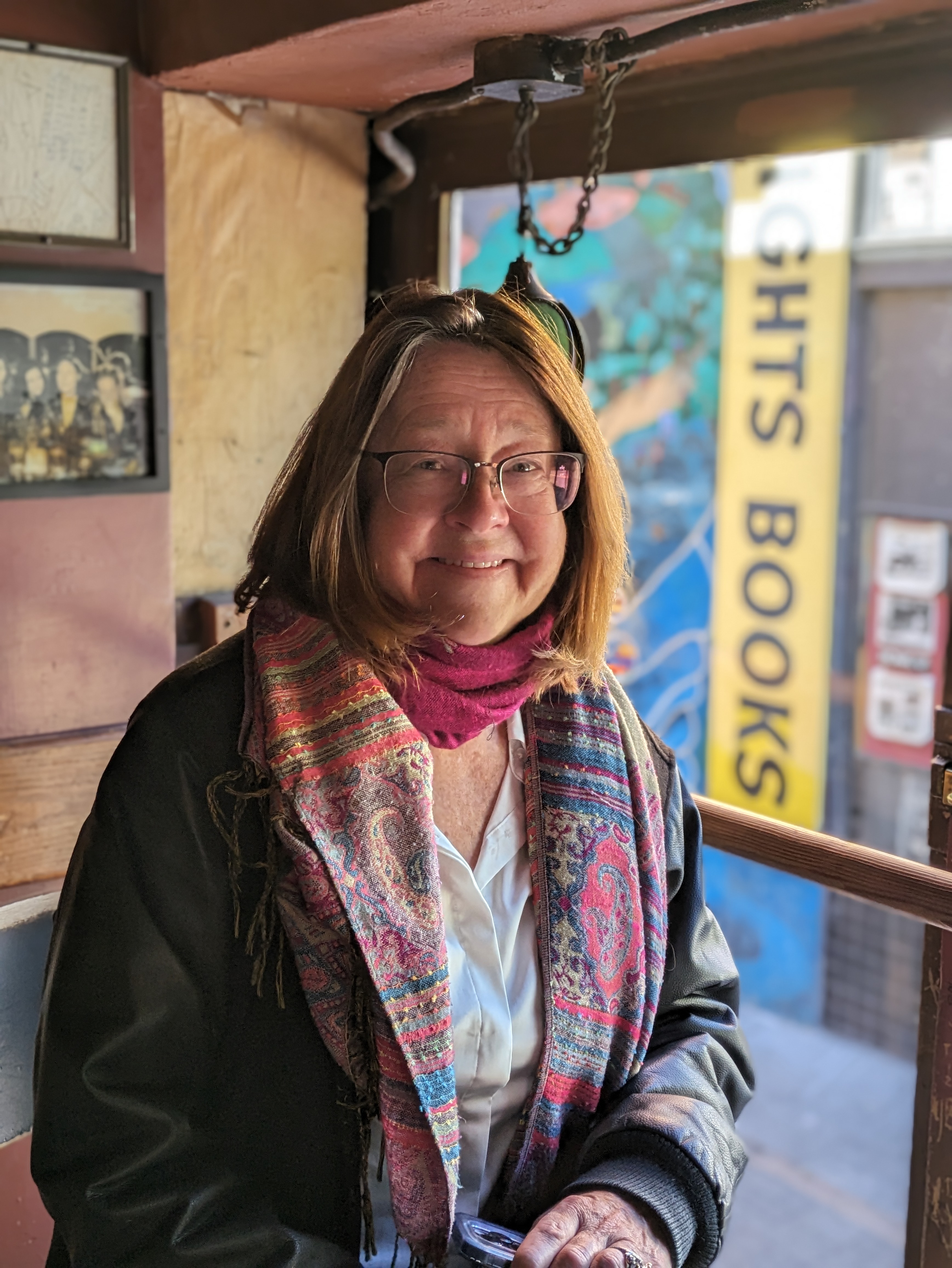
In Part 3, we meet Vesuvio bartender Joanna Lioce. Originally from Newport, RI, where her dad was a rock critic, the family moved to LA when he got a job with the down there. They landed in Orange County, in fact, a place Joanna left as soon as she could. In fact, the day after she graduated high school, Joanna went to Europe. While she was away, her dad got a job at the and her mom, a pediatric nurse, worked as a public-health official in Berkeley. Joanna was in Europe shortly before Sept. 11, and though she had planned to stay overseas longer, the event made her wonder … but mom said “don’t come home.” On a family trip to Ireland when Joanna was 8, she had decided that she wanted to be a bartender. Now it was 2002, and she dropped her bag at a hostel and got a bartending job at O’Shay’s Merchant, a pub across the street from the Brazen Head in Dublin. She stayed in Dublin until Christmas, then returned to SoCal, where she had fronted a Riot Grrrrl band called Julia Warhola. But by now, several band members had started doing heroin, so she quit the band and moved to the Bay Area where her family was. Joanna first went to school in the Peralta System in the East Bay, then she got into SF State, where she eventually got her degree. She also finished college at Cambridge in England to study Shakespeare. While going to SF State, she moved to the Mission, specifically 18th and Linda near the Women’s Building. She found the place through a Craigslist ad and ending up with six roommates, none of whom she knew previously. Her room set her back only $400, but she wasn’t feeling it. From the Mission, Joanna moved to Lower Haight. And 13 years ago, she settled in to her place on Nob Hill, where she lives today. She had a job, hosting then bartending, at Stinking Rose in North Beach. She liked it all right, but when her boss gave credit for a makeover of the bar that she had done to a male co-worker, she knew she had to leave. She gave her two weeks’ notice and went for a drink at Vesuvio. While there, a bartender she had befriended offered her the job. She was 21. It was 2003. She’s been working at Vesuvio ever since. Photography by Michelle Kilfeather https://www.instagram.com/luckykilfeather/

In Part 2, we hear how Janet got a job cocktail waitressing at The Mab, that infamous old punk club on Broadway near Vesuvio. Mab owner Ness Aquino hired her for that and she dug it. She had been to many shows in LA when she lived there and loved the scene. She lived in the Basque Hotel at 15 Romolo, made good money, and stuff was cheap back in the late '70s. Janet describes herself as a lightweight, which meant she couldn’t really hang out as late as most people around her. Eventually, she wanted to do more than cocktail, so she got a job bartending at Coffee Gallery on Grant … on the 6 a.m. shift, no less. The manager of Vesuvio saw her opening Coffee Gallery one day and asked her to open for them instead. This was 1979. In addition to her 6 a.m. shift at Vesuvio, Janet worked a few other jobs. Then she started working more at Vesuvio and liking it more and more. Early morning patrons, many of them merchant seamen, often comprised the “Dawn Patrol,” guys coming in from nearby SROs that didn’t have heat. Cocktailing was hard, and it got old fast, so she switched back to bartending. As we learned in Part 1, the Feins had taken over at Vesuvio around 1967 or 1968, and they brought in Shawn O’Shaughnessy around that time to establish the aesthetic of the place. Janet tells us that the place feels mostly the same today, though they’ve added stuff here and there over the years. At this point in the conversation, we take a sidebar to talk about Ron Fein’s aesthetic and discipline. His intention was always to keep the joint looking and feeling more or less consistent, employing a discipline to chase trends to that end. Ron’s son and daughter eventually became more involved. But seeing an opportunity and acting on it, Janet and her family have co-owned Vesuvio with Fein family since 1997. She invokes the saying, “Sweep the floor to own the store.” Janet has also been Vesuvio’s principal manager since ’97. The conversation shifts to talk of the pandemic, which she says was “almost an extinction event” for the bar. But Janet believes that Vesuvio was small enough to get control over the situation. She’s quick to point to federal, state, and even local help, describing it as “invaluable.” It was The City’s government that came through in letting them operate outside in the alley. And that leads us to Whacky Wednesdays (a bit of a tease of next week’s episodes … stay tuned). Janet says the shows have been so much fun, but she of course wishes they had more space in Jack Kerouac Alley. They really helped to raise spirits during early days of the pandemic. In 2021, not much else was going on by way of live events. But more of that in Part 3 next week. We end Part 2 with my asking Janet what it means to her to be part of a San Francisco institution like Vesuvio. Listen in for her answer, which I loved. And check back Tuesday for Part 3, when we’ll meet longtime Vesuvio bartender and Whacky Wednesdays creator Joanna Lioce. Photography by Jeff Hunt
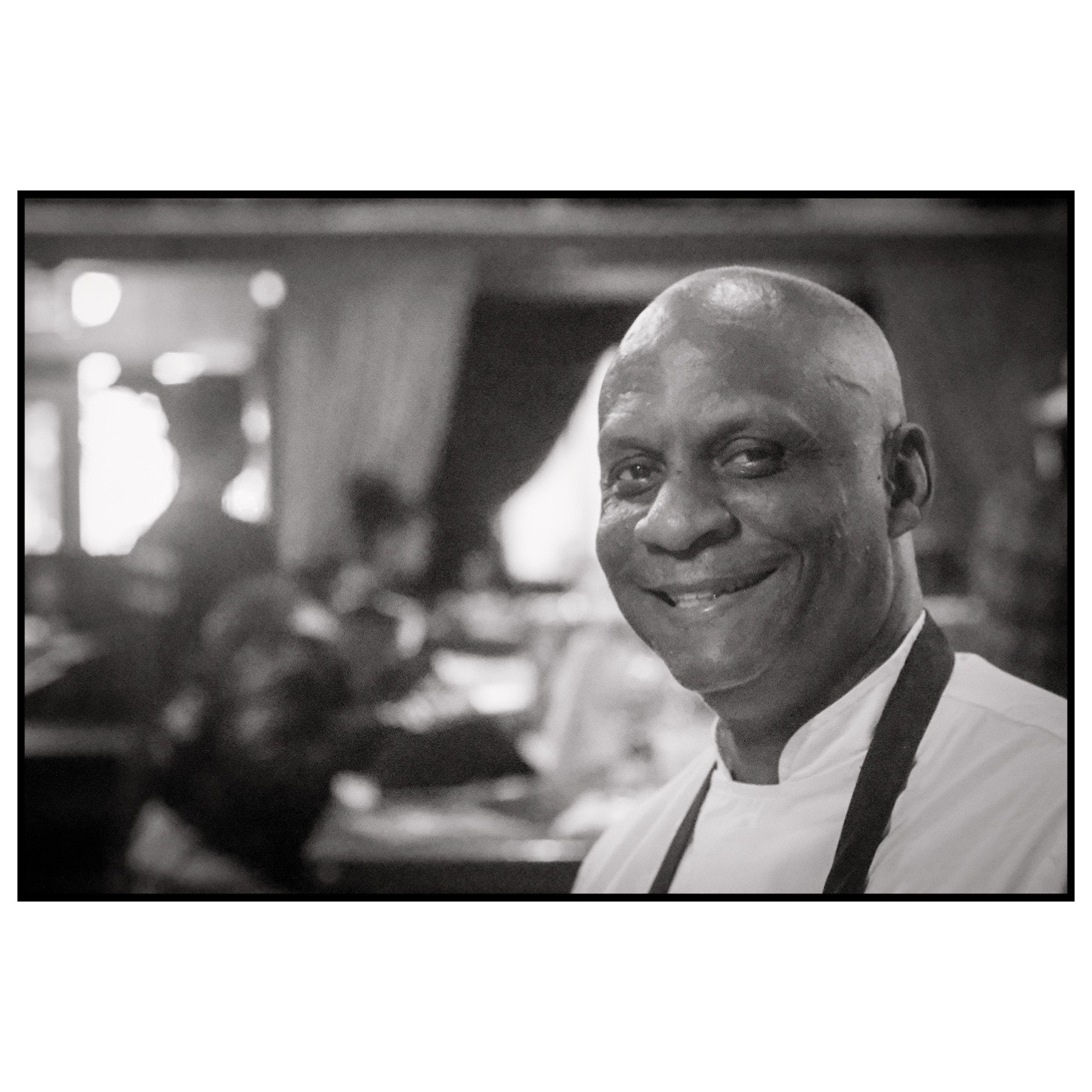
This episode is six years overdue. That's because Storied: SF got started in a booth upstairs at one of our favorite spots in all The City: VESUVIO CAFÉ. In Part 1, we sit down in that same booth where it all began in 2017 to chat with Vesuvio co-owner JANET CLYDE. We begin with a talk about what a great place for bars San Francisco is. Janet brings up touristic spots we love, as I had joined my wife for Irish coffees at the Buena Vista https://www.thebuenavista.com/home/home.html just before our recording in North Beach. Then Janet begins to lay out the history of Vesuvio. The location was originally an Italian bookstore called Cavalli Books, which moved first to the current City Lights spot, and then over to Stockton Street. Then, probably in the 1930s or early '40s, a woman known as Mrs. Mannetti opened Vesuvio as a restaurant. In 1948, Henry Lenoir bought the place from her and turned it into a bar. Lenoir was a Swiss/French bon vivant. He ran it as Vesuvio through the end of the 40s and into the 50s. But by the early '60s, with the Korean War, the place changed as society changed, and Henri wasn’t feeling this generational shift at all. He sold the place to Ron Fein, who brought on Leo Riegler to run the bar. Riegler had run Coffee Gallery on Grant, which served beer and wine only. He was an Austrian bon vivant, and he came to Vesuvio and overhauled the bar. Ron Fein hired Shawn O’Shaughnessy to give the place the look and feel we're all familiar with to this day. O'Shaughnessy was inspired by Japanese art, aliens, and other worlds. Janet talks about the “I’m itching to get away from Portland, Oregon” sign, which hangs over the entrance to Vesuvio and which O'Shaughnessy derived from a postcard. We then shift the conversation a little to talk about Vesuvio and the Beat Movement. The bookstore across the alley became City Lights in 1954 when Lawrence Ferlinghetti took over. And that brought writers into the bar. Before that, according to Janet, Vesuvio was a Bohemian hang, really a cross-section of San Francisco. People who worked at the nearby Pacific Exchange (later known as the Pacific Stock Exchange), insurance salespeople, advertisers ... Janet describes the place as “suits and ties having a really good time …” When she arrived, in the late 1970s, the area was home to punk clubs, strip joints, bars, restaurants. Janet had hitchhiked from LA with the intention of landing in Seattle. She was born in Missouri but raised near Cape Canaveral, Florida. She left her family there and moved to LA but never really dug it much. A trip north in 1978 changed her life forever. Check back Thursday for Part 2 with Janet Clyde. For more on the history of Vesuvio, read this article on Found SF. This podcast was recorded at Vesuvio Café https://www.instagram.com/vesuviobarsf/?hl=en in North Beach in October 2023. Photography by Jeff Hunt

Earlier this year, I got to see a couple movies as part of the 66th annual San Francisco International Film Festival. It was awesome. SFFILM https://sffilm.org/, the non-profit that puts the festival on each April, is kicking off its documentary mini-fest tonight. This bonus episode is a quick chat with Jessie Fairbanks, SFFILM's director of programming. Enjoy our talk and go see some killer documentaries this weekend! This episode was recorded over Zoom in October 2023.
In Part 2, Teresa shares how she came to find out about CHEF EDDIE BLYDEN through a mutual friend. She was persistent in her efforts to track Eddie down, and once she did, she asked him to teach the youth in the nascent Old Skool program, which was still taking place at Teresa’s house. Eddie agreed to join the Old Skool https://www.oldskoolcafe.org/ crew and he brought in other SF chefs. They did supper salons and pop-ups as well as gala fundraisers with as many as 250 guests. Chef would cook outside the events, which were volunteer-run and meant to raise money for their own brick-and-mortar space. Later, years after Eddie had moved on and as she was preparing for the 10-year anniversary of the Old Skool spot just off Third Street, Teresa reached out again to her chef friend. Eddie Blyden was born in Nigeria. His dad was born in Sierra Leone, and his mom was from Massachusetts. He has lived in the US, the Virgin Islands, Africa, and Europe. He was living in Zurich, Switzerland, when a friend told Eddie he was opening brewery in The City. This is what brought him to the Bay—he moved here to help open 21st Amendment. Eddie says that he has remained here for nearly three decades because of the beauty, the proximity to so many diverse landscapes, the food scene, and the laid-back way of life we enjoy. After they opened 21st Amendment, he left briefly to work in Philadelphia, but came back to work at Magnolia Brewing as they were ramping up to open The Alembic. He lists off many restaurants and hotels, in SF and the East Bay, where worked for years before going private as well as doing some catering. The Old Skool chef tells us that the menu at the supper club was inspired by the youth who've worked there, drawing from several family food lines from Central America and other parts of the world. He cites three challenges of running the kitchen at OSC: 1. the food itself; 2. working with youth around the food; and 3. the youth and their life challenges. He enjoys it to this day, pointing to what he considers a “village of people, adults and youth.” Photography by Michelle Kilfeather
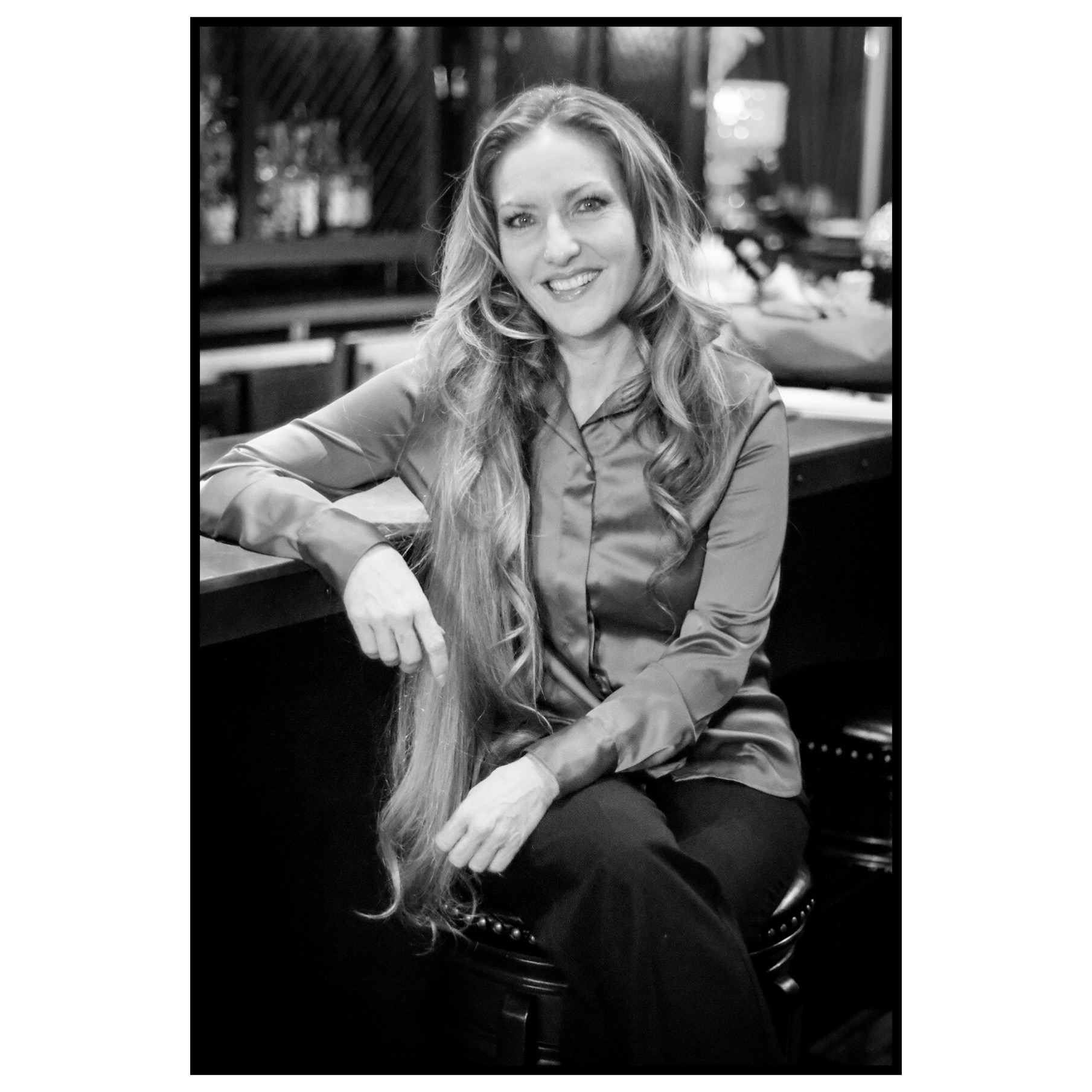
Welcome to Season 6 of the Storied: San Francisco https://www.storiedsf.com/ podcast! We really couldn't dream of a better place to kick things off than Bayview's OLD SKOOL CAFÉ. In Part 1, we meet TERESA GOINES, the founder and president of Old Skool. Originally from Tucson, Teresa spent a lot of time growing up in the country (which we call desert) outside Tucson. She left to get a bachelor's degree in psychology at UC Santa Barbara. She had planned to become a therapist, citing her father's severe disability with instilling a caretaker mentality in her from a young age. She had always wanted to alleviate suffering in others. But after college, Teresa had an opportunity to work with youth in the Santa Barbara County prison, as she was also interested in law enforcement. She says she wanted to mitigate trauma at its source. In her time spent time with incarcerated youth, Teresa heard stories of mere survival over hope and promise. Many inmates got few or no visitors and no mail. These were 14- and 15-year-olds. Teresa felt like society had thrown them away, but despite it all, they were hungry for love and opportunity. Teresa started a career exploration program for the youth where she brought in firefighters and computer programmers and took kids to the local city college. Through these efforts, she saw them starting to hope. But as soon as they were released from prison, they'd go right back to the street economies they were familiar with. Many youth would tell Teresa that they wanted to be back in prison, because it was safer there and there's more love. Thinking about how to stop this cycle is what led to Old Skool Café. But how she got there is its own story. She lived in Guadalajara for a stint, and then went to New York City for a job opportunity that ended falling apart before she began. This was 2001, and her original start date was Sept. 10. A college friend who was from San Francisco and moved back here after graduation told her, "Come here." Teresa decided to try it ... "for a year." Upon arrival on New Year's Eve 2001, she worked in a gang prevention program and Head Start. The vision of Old Skool started coming together in 2004, with dinners set in her home at the outset. At the end of 2005, she quit her job to do Old Skool full-time. To inform the nascent operation, Teresa listened to incarcerated kids talk about what they got out of being in gangs and translated that to its themes: belonging and purpose. She wanted to offer those ideas in different forms and the ideas came in three parts: 1. She wanted to break the cycle of going back to jail, 2. She saw that SF is a foodie city and that we love music here, and 3. The City is a tourist destination with a huge hospitality industry, and hospitality jobs can be taken just about anywhere. It didn't hurt that servers get tips in cash, and cash competes with life on the street. The more introverted youth could be back of house at a restaurant, using their creativity and focus back there and seeing people up front love what they do. Teresa always saw room in the operation for entertainment. She noticed that her youth crew included comedians, poets, dancers, and singers. To secure a space for Old Skool outside her home, Teresa connected with local church leaders, who told her that churches needed to get behind her vision. A group of Bayview pastors had a place in mind and gave Teresa a good deal on rent. Eventually, she had a chance to buy the building that housed Old Skool, and so she learned how to raise money. One donor gave them $300K, which allowed them to get a matching loan for the same amount. Old Skool paid off its loan at the end of 2019, right before the pandemic. In terms of what's next at Old Skool, Teresa points to their growing team of adults and youth, both formerly incarcerated and kids from the foster system. Folks in other cities have reached out asking for an Old Skool of their own, and now the SF team has a chance to explore that. We end Part 1 with Teresa expressing how very important it is to them that Old Skool Café is rooted in San Francisco. Old Skool's hours are as follows: Happy hour every Wednesday from 4:30 to 7:30 p.m. Dinner Thursdays through Saturdays from 5 to 9 p.m. Visit Old Skool's website https://www.oldskoolcafe.org/ for more info and to sign up for their newsletter. Follow them on Instagram https://www.instagram.com/oldskoolcafe/. And look for Part 2, when we'll hear more from Old Skool CHEF EDDIE BLYDEN, next week wherever you get podcasts. We recorded this podcast at Old Skool Cafe in the Bayview in September 2023. Photography by Michelle Kilfeather
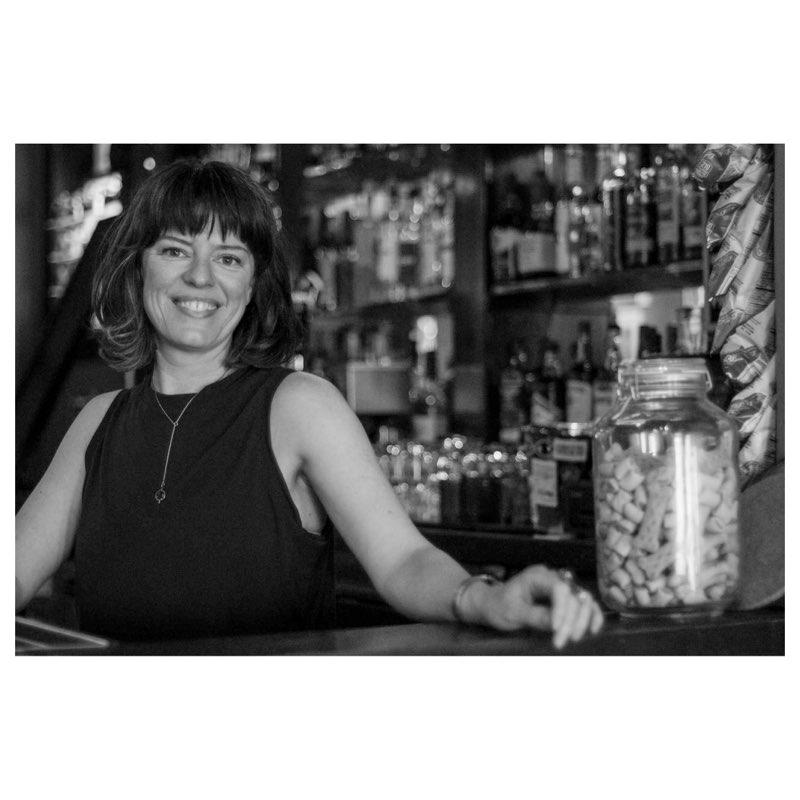
In Part 3, we meet Mini Bar's Operations Manager, ERIN KEHOE. Erin is a sixth-generation San Franciscan. Her uncle researched family history, which was complicated by the fact that her grandma was orphaned. When you consider time in the state of California, her family history goes back here to when it was part of Mexico. Much like John, she was born at Kaiser on Geary. In fact, Erin says, John's mom delivered her and her twin sister. She comes from a lineage of twins, actually. Her mom was one of four sets of twins. Erin's dad was a firefighter with the SFFD, though the family lived down in South San Francisco when Erin was young. They did spend lots of time at her grandma's place in the Sunset, the same house her dad and his brothers grew up in and which the family sold only recently. Erin remembers trips into The City when she young to go to places like Ghirardelli Square, the Emporium, and I. Magnin department store. They went to some football games at Candlestick, but not so much Giants games. She says that she grew up somewhat sheltered until, as a teenager, she and her twin sister discovered goth and industrial music. She recalls stories of calling in to Live 105 for ticket giveaways and how her mom would drop her and sister off at places like Slim's. Around the time they turned 18, the sisters started going to clubs and places like the Trocadero. This got her into the SF nightlife scene, and she says she "never looked back." But her job at Mini Bar is her first bartending gig. Erin did work in the service industry for 20+ years, at joints like the Peppermill in Daly City, B44 and Café Bastille on Belden Lane, and then at both the original and the current location of Bar Crudo. That restaurant's 2009 move to Divisadero is how Erin started coming to Mini Bar. She met John quickly and right away, he wanted her to work at Mini Bar. Only problem was—she didn't bartend (yet). Fast-forward to 2021, when her friend Susan was bartending at Mini and asked Erin yet again to consider coming on, which she did. Four months later, they asked her to manage the bar. Erin takes her work seriously, and she thinks that she was someone Mini Bar could count on. She picked up the bartending side quickly, but didn't know where to start with curating art shows. And so, she went through archived Mini Bar emails and found people she recognized. From there, she put together a show, and then things started rolling. Erin soon met Anita Beshirs (curator of the current show at Mini Bar), and the two are good friends now. She says she's honored to be part of art and community. When the conversation shifts to our upcoming show, Hungry Ghosts, Erin mentions that she had wanted to branch out and try something different. Joining forces with a podcast feels for her like the beginning of something new at Mini Bar. We end Part 3 with a chat about the current show at the bar, which Erin says "is very SF." "Around Town" features Jack Keating, Millie Kwong, Missstencil, Anne-Louise Petersson, and Danielle Bellantonio. "Anita crushed it," Erin says, congratulating her friend. We agree. We hope to see you all at Mini Bar on August 17 at 6 p.m. for the opening of Hungry Ghosts. Thanks for listening throughout our fifth season, and we'll see you soon!
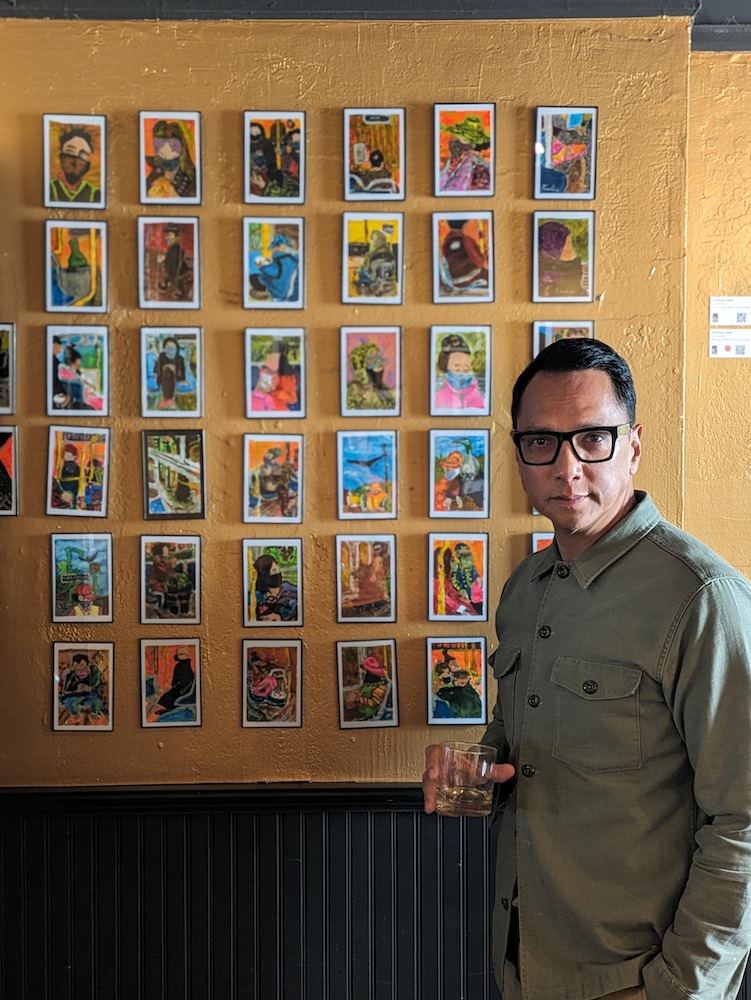
We open Part 2 with a discussion on the nature of neighborhood bars. An opportunity arose for John when he left the corporate world. His then-wife, Sommer Peterson, reminded him of his idea to open a bar when she also left the 9 to 5. Sommer researched spots in the general area of Divisadero and stood in lines at City Hall. After scouting a couple other locations, they found the current spot, which looked like it would work. Sommer and John worked out an agreement with the landlord and they got to work building the space out to become a bar. John's childhood friend, Nerius Mercado, asked to be part of this new adventure, and came on as a co-owner, which he remains to this day. Molly Bradshaw, whom you might remember from our episode this season about MISSION BOWLING CLUB, was a good friend of Sommer's growing up. Molly knew bartending and also wanted in. The four formed a partnership and signed the initial lease in early 2008. John and I go on a sidebar on Divisadero neighborhood history at this point in the recording. We also delve a little into John's personal history. He lived at McAllister and Masonic as a kid before his family moved, first to the Inner Richmond and then to Anza Vista. We trace some history of the Mini Bar location. When they signed the lease, there had most recently been an artist who lived there and effectively turned it into a live/work studio. Before that, it was a produce market. And before that, according to one patron, it used to be a Black video store run by her dad. Sommer and John had talked about making it a community space and the importance of art that comes from the neighborhood. They talked with neighborhood groups about their plans to get feedback and share their plans. Shortly after signing the lease and starting the build-out, they ran into issues. A neighbor wanted money to drop his protest of their opening, which put the approval of their liquor license on hold. They were forced to stop the build-out while they waited for an ABC hearing in Sacramento. At the time, Mark Leno was SF's rep in the state legislature, so John reached out to his brother to see whether they had any connections. Leno sat on the SF Nightlife Commission then. The very next day, John got a call from ABC to let him know that they would issue a provisional license and work on the build-out could resume. A week later, on Friday, August 15, 2008, Mini Bar opened its doors to patrons. They hadn't yet established a price list, a little hiccup in the face of the enormous task of building a bar from scratch. John asked his partners to call nearby bars and restaurants to see what the market rate was, which pushed the opening back by a whole hour. No bigs. John ends the podcast talking about the importance he places on having clean bathrooms. That's where patrons spend alone time, after all. "Respect them in their alone time, and they'll respect you back," he says. Not a bad way to run a business. Check back next week for Part 3 with Mini Bar's bar manager and one of its two art curators, Erin Kehoe.
