


TED Talks Daily (HD video)


About
Available on








Community
1058 episodes
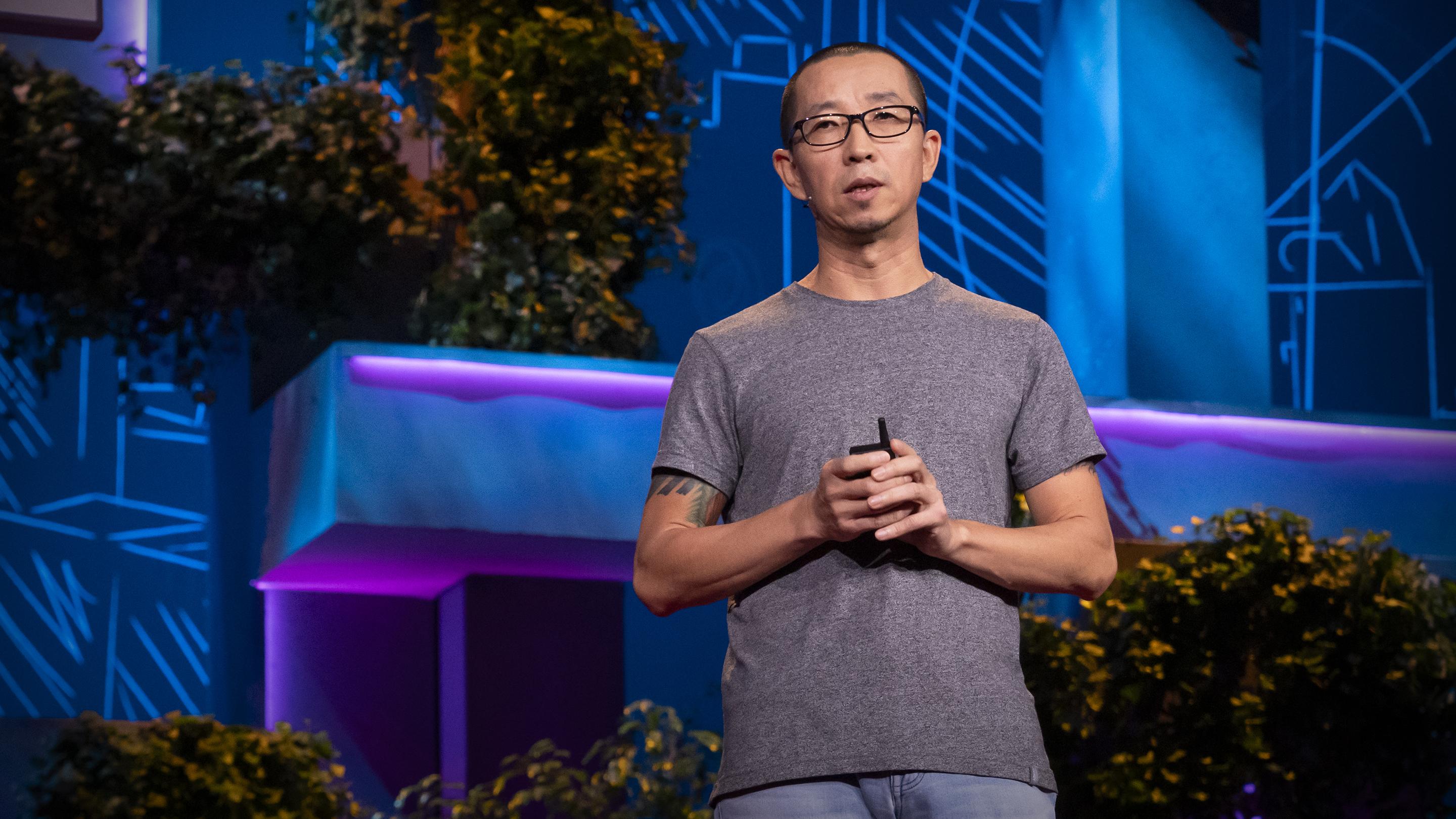
Xiaojun "Tom" Wang grew up in the Chinese province of Shanxi, the world's largest coal producer. Each year, more than a billion tons of coal are dug out of Shanxi's mountains, and the impacts are devastating — from massive landslides to damaged cultural sites and threats to human health. Wang illuminates the need for sustainable alternatives to protect the environment and ancestral homes, underscoring the rich heritage and untapped potential of provinces like his own.

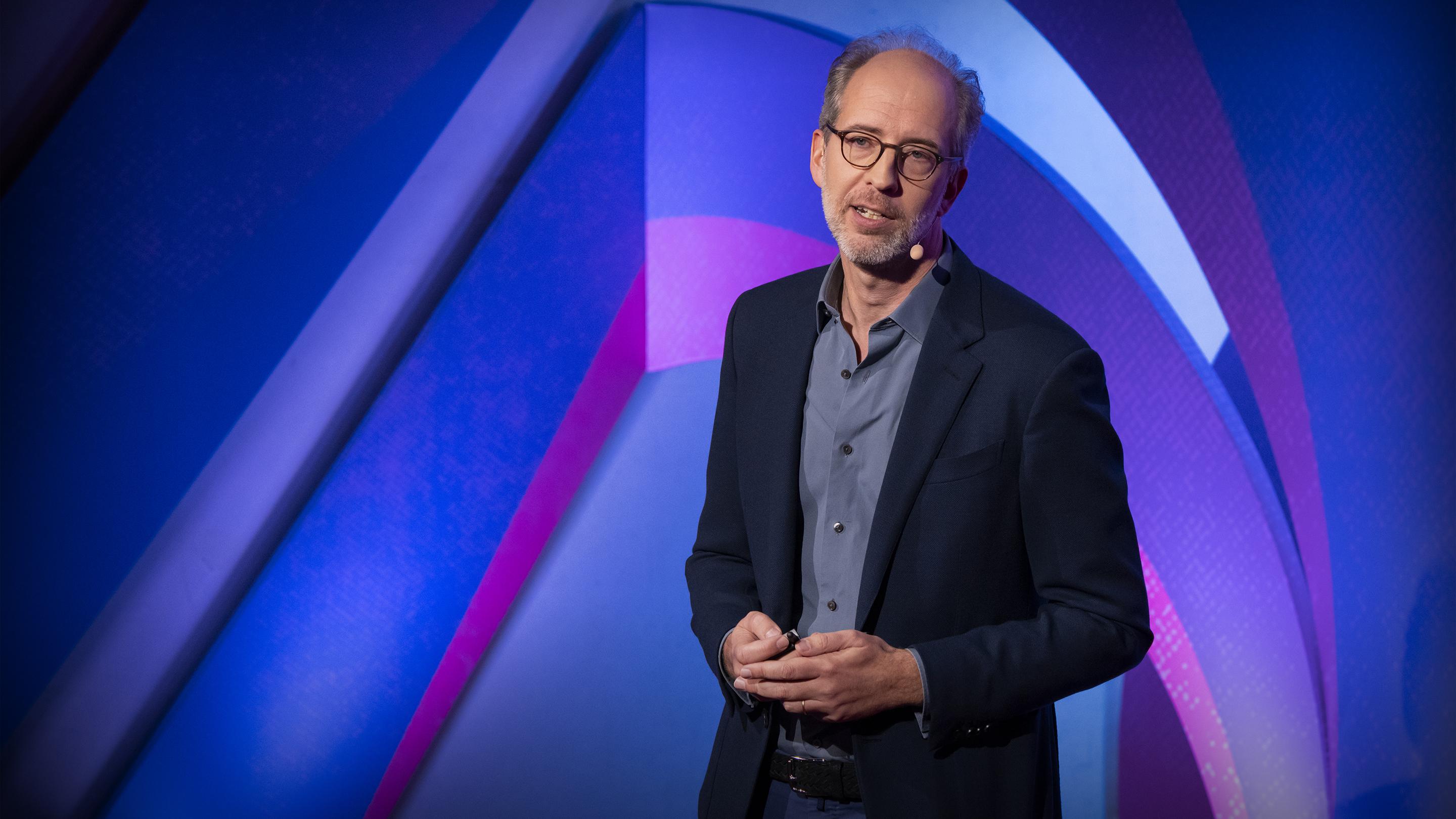
Economic crises can and do happen. But for every true crisis, there are many false alarms, says economist Philipp Carlsson-Szlezak. He explains how to live with the media’s pervasive economic doomsaying, why we should stop treating financial forecasts like a precise science — and what we should embrace instead.
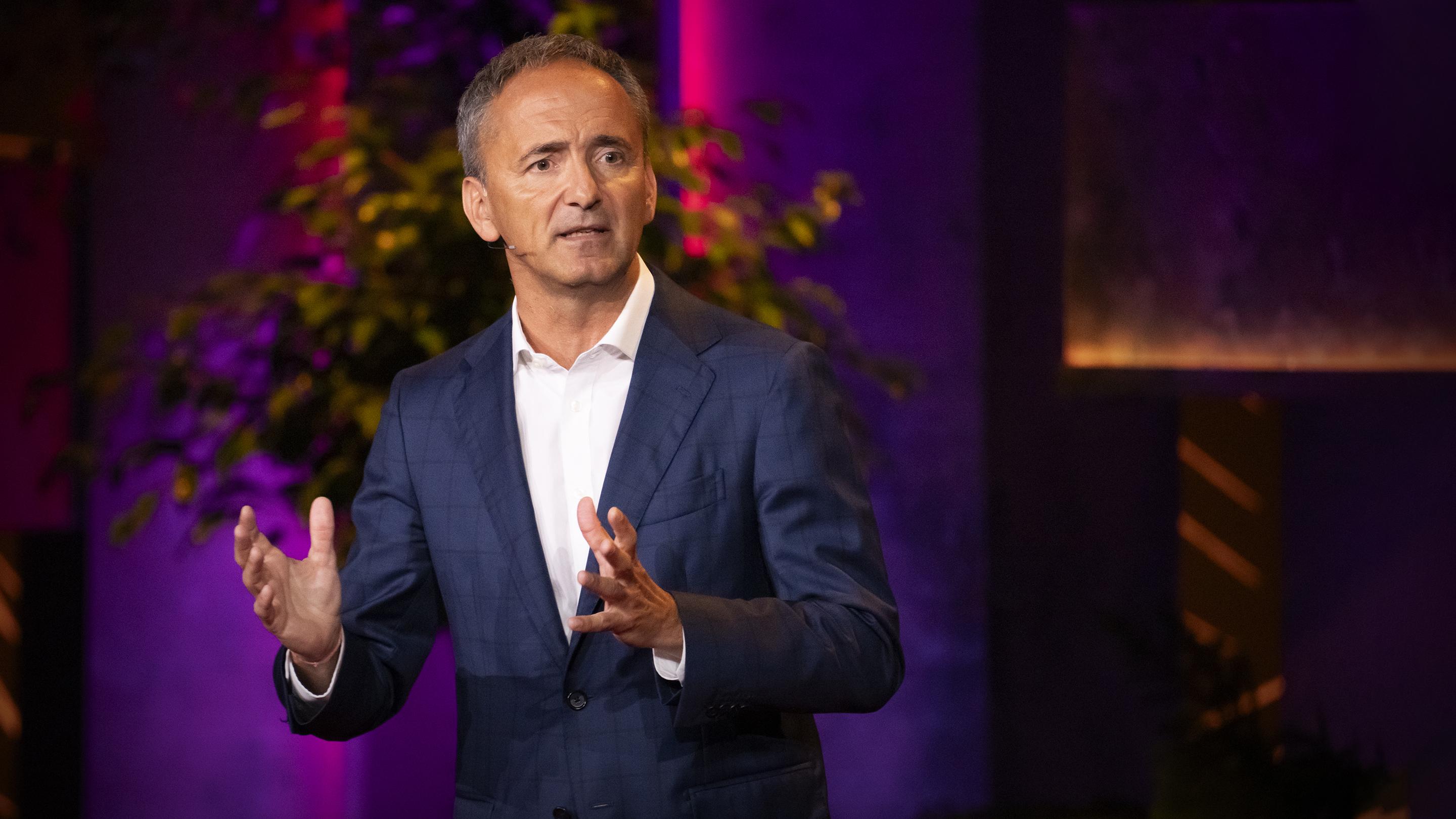
"If we want to avoid a climate disaster, we need much more radical leadership," says Jim Snabe, who knows a thing or two about leadership as chairman of the world's largest maritime shipping company. In a stirring talk, he encourages companies to take big, bold actions to tackle climate change — and invites anyone to join the TED Future Forum, a new initiative focused on the role of business in advancing solutions to the climate crisis.
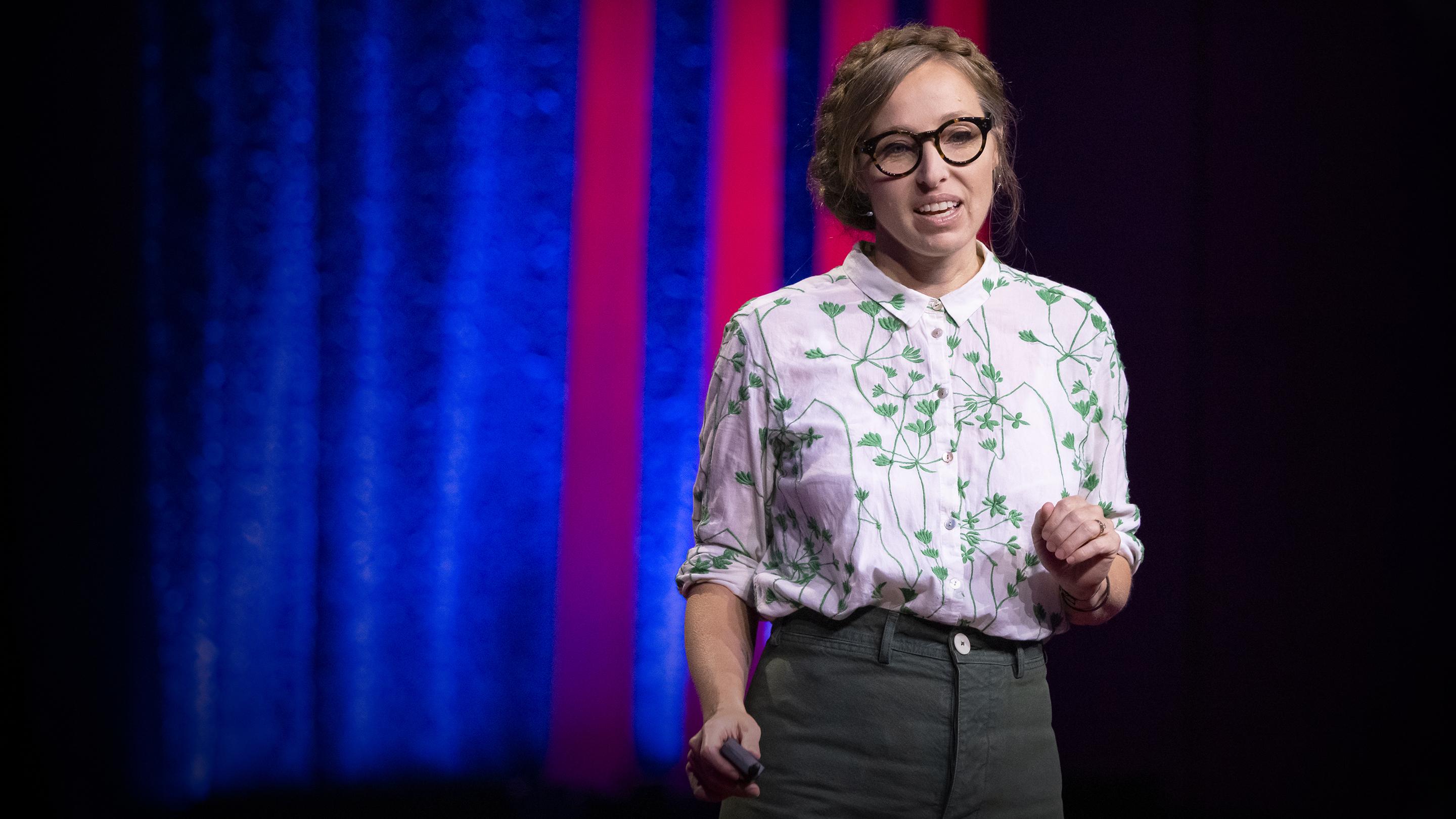
Many gardeners work hard to maintain clean, tidy environments ... which is the exact opposite of what wildlife wants, says ecological horticulturist Rebecca McMackin. She shows the beauty of letting your garden run wild, surveying the success she's had increasing biodiversity even in the middle of New York City — and offers tips for cultivating a garden that can be home to birds, bees, butterflies and more.
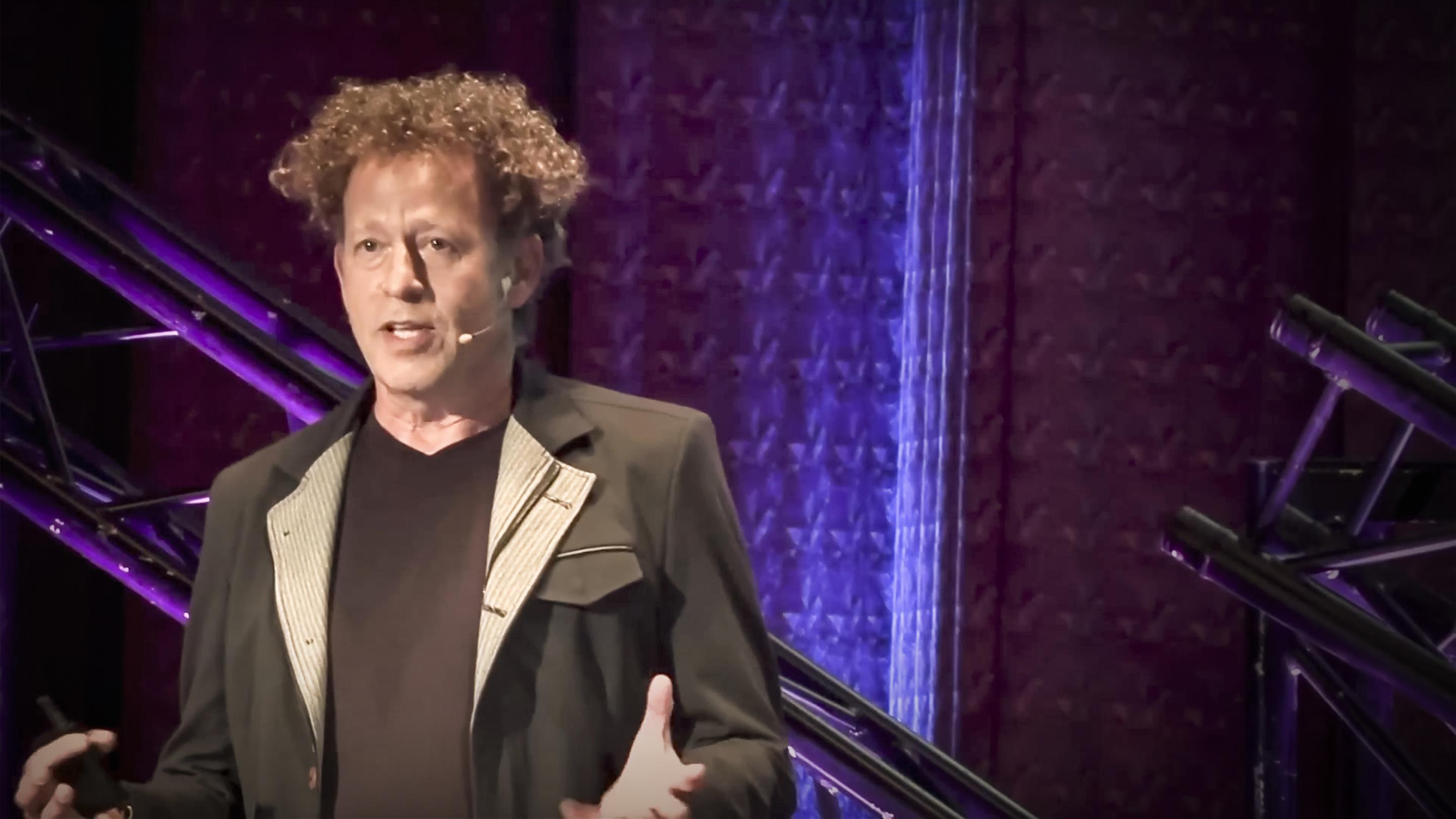
Why hasn't the dream of having a robot at home to do your chores become a reality yet? With three decades of research expertise in the field, roboticist Ken Goldberg sheds light on the clumsy truth about robots — and what it will take to build more dexterous machines to work in a warehouse or help out at home.
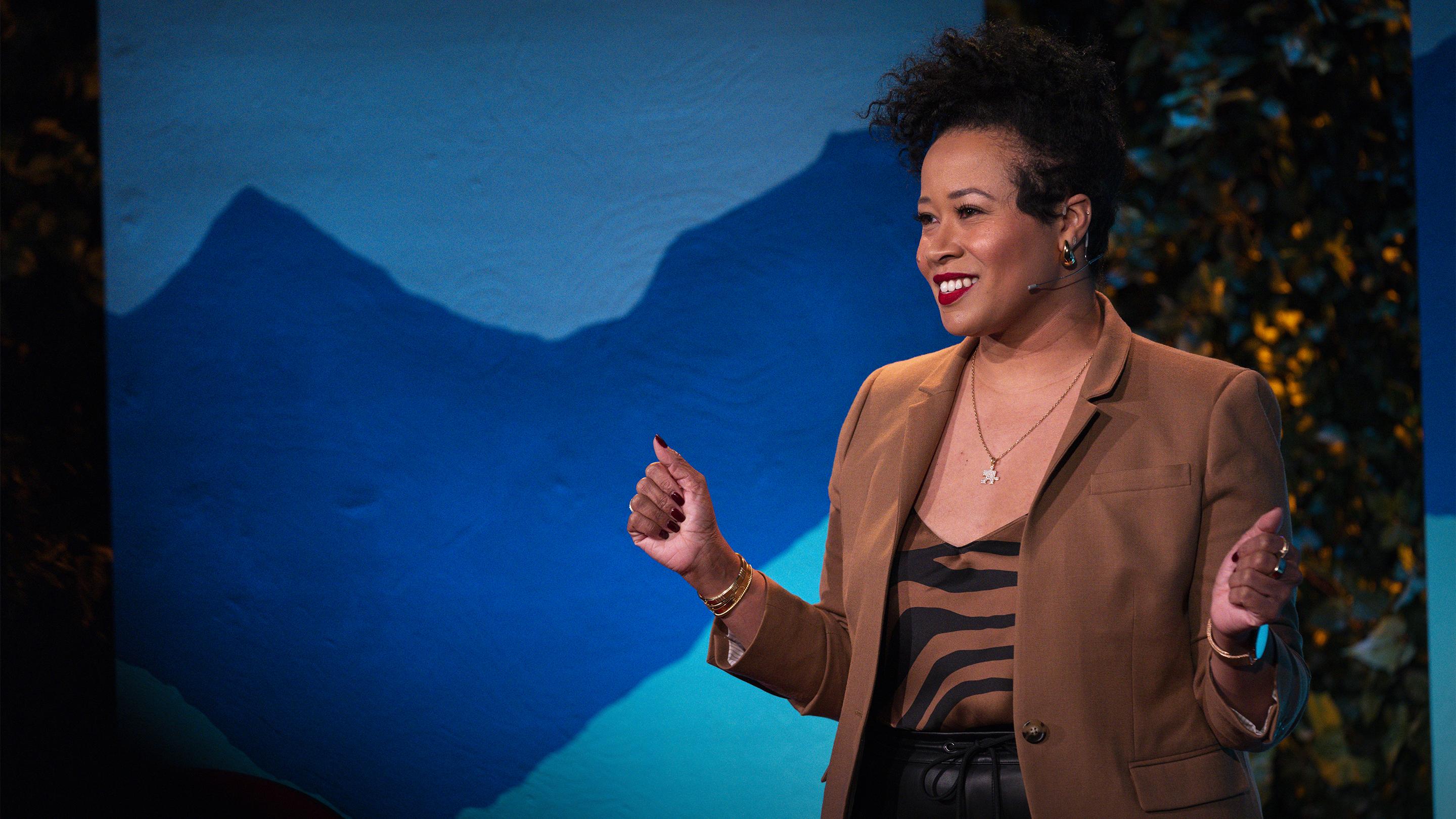
How can you effectively support people at work and in your community, especially when they're different from you? Inclusion strategist Amber Cabral shares three steps you can take to build connection — emphasizing that even small, everyday actions can make a big difference to those around you.
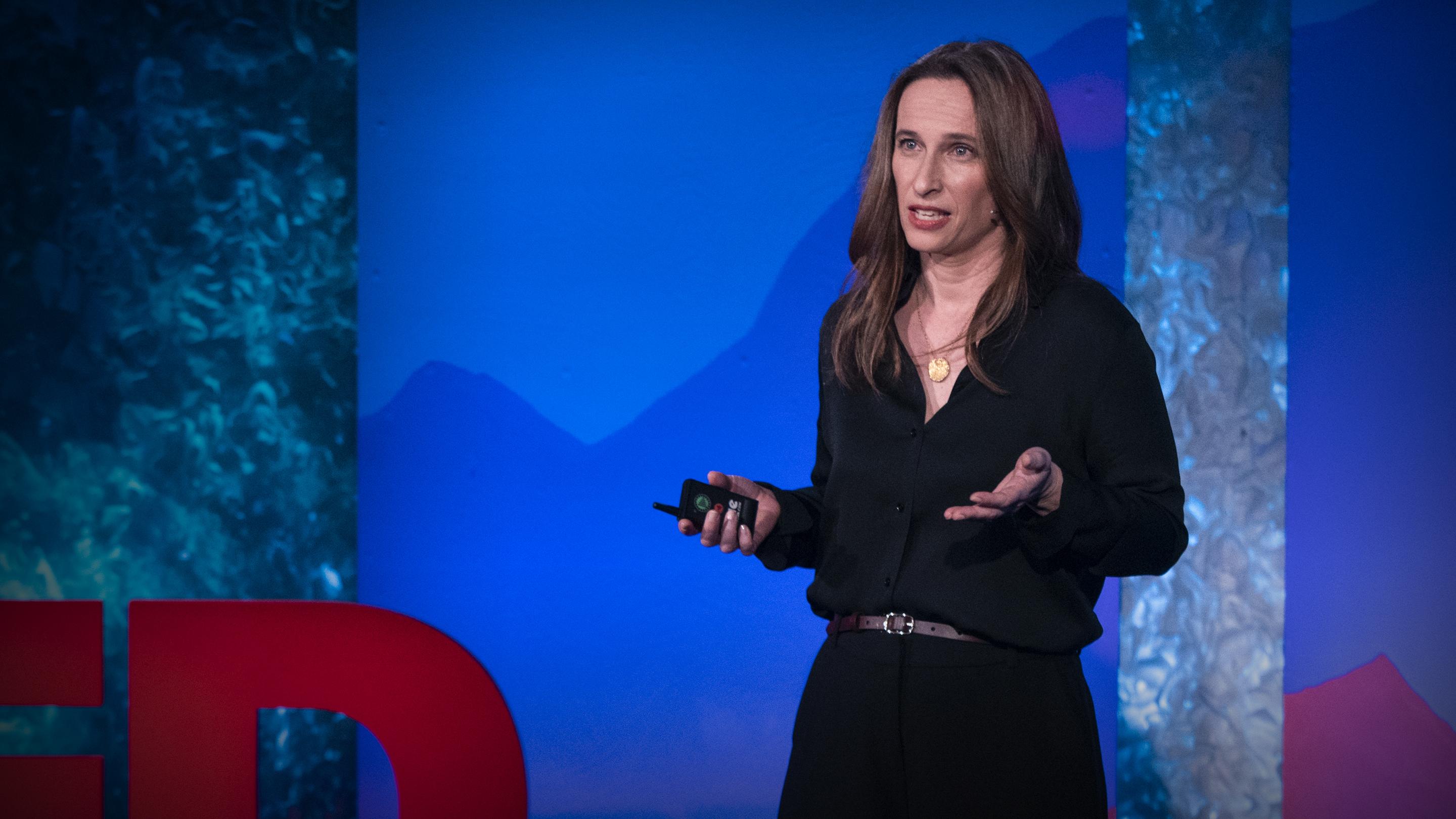
How much should business leaders speak out about threats to democracy? It's a question many corporations are wrestling with these days. Business and democracy leader Daniella Ballou-Aares shows why companies have both the ability and the responsibility to engage in protecting elections and the rule of law — and why their bottom lines may depend on doing so.
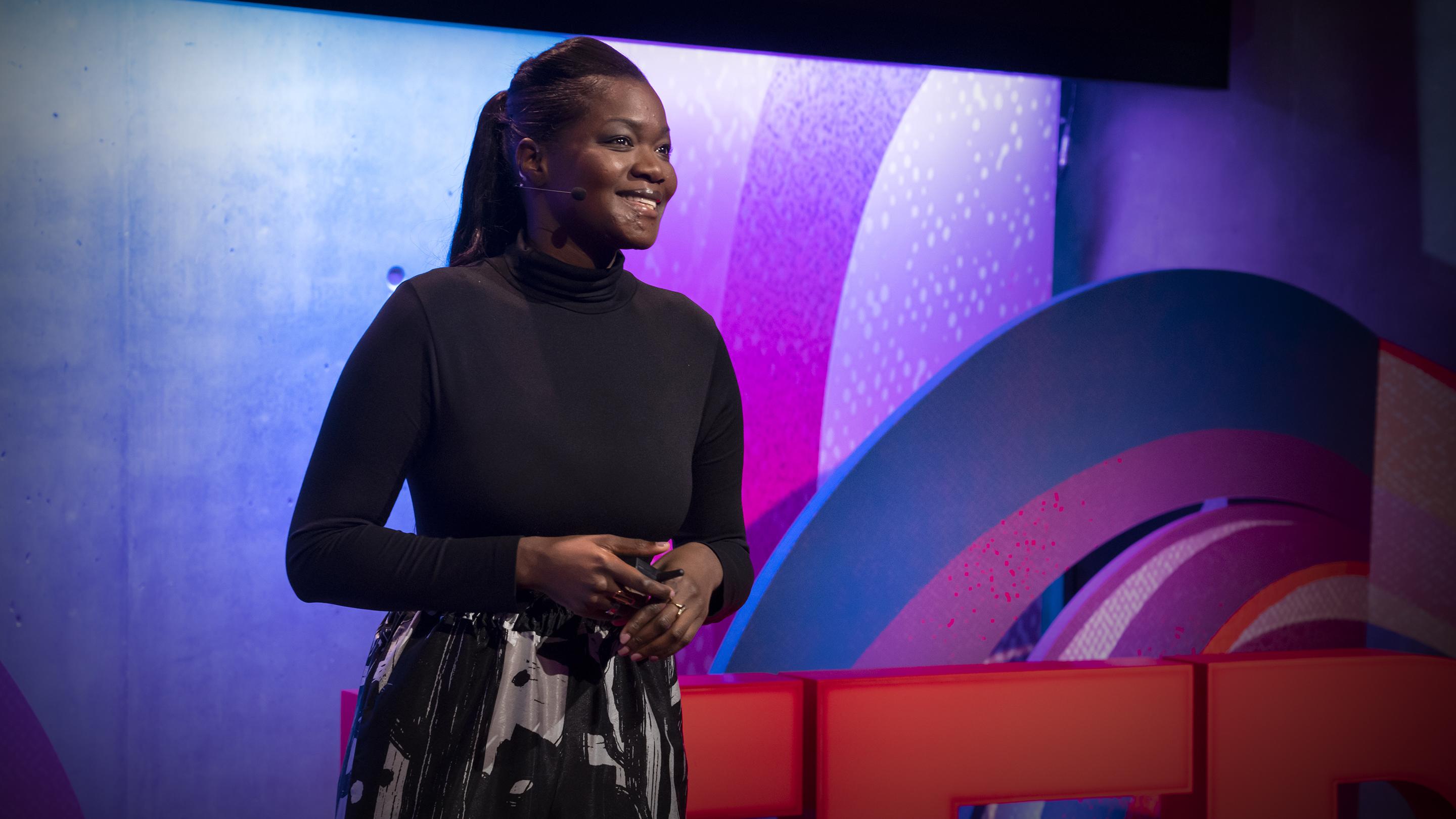
Buying cheap clothing online can be satisfying, but it comes with not-so-hidden environmental costs. When designer Diarra Bousso was growing up in Senegal, her family bought and created new outfits for longevity rather than on impulse — an intention she carries forth in her fashion tech brand. Outlining three sustainable principles, including crowdsourcing designs and limiting excess inventory, Bousso shows it's possible to decrease waste while increasing profit — and shares how to apply this wisdom across the fashion industry.
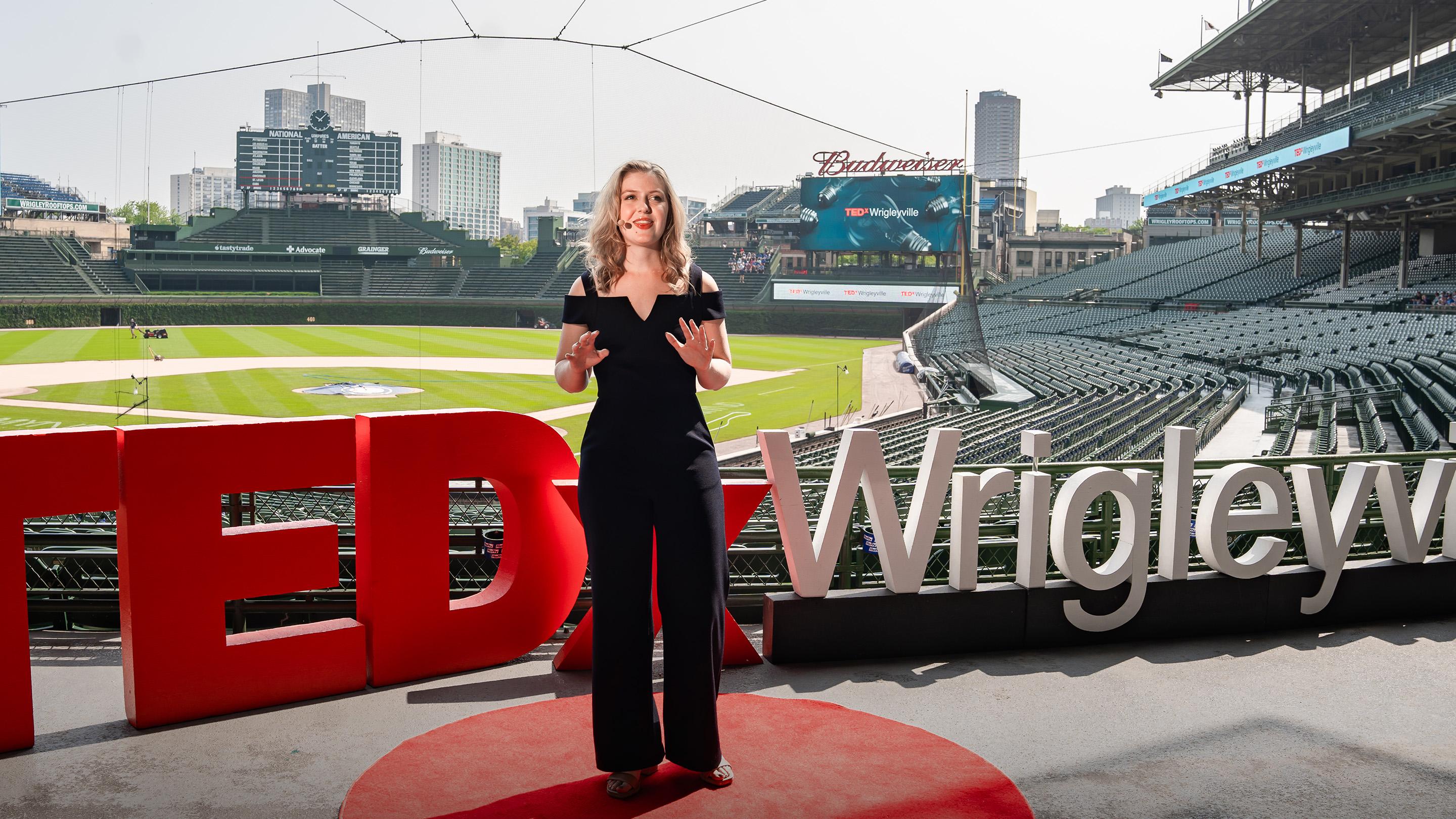
As companies introduce AI into the workplace to increase productivity, an uncomfortable paradox is emerging: people are often responsible for training the very systems that might displace them. AI ethics advocate Madison Mohns presents three leadership principles to embrace technological progress while prioritizing your coworkers' well-being — paving the way for a future where AI enhances human potential.
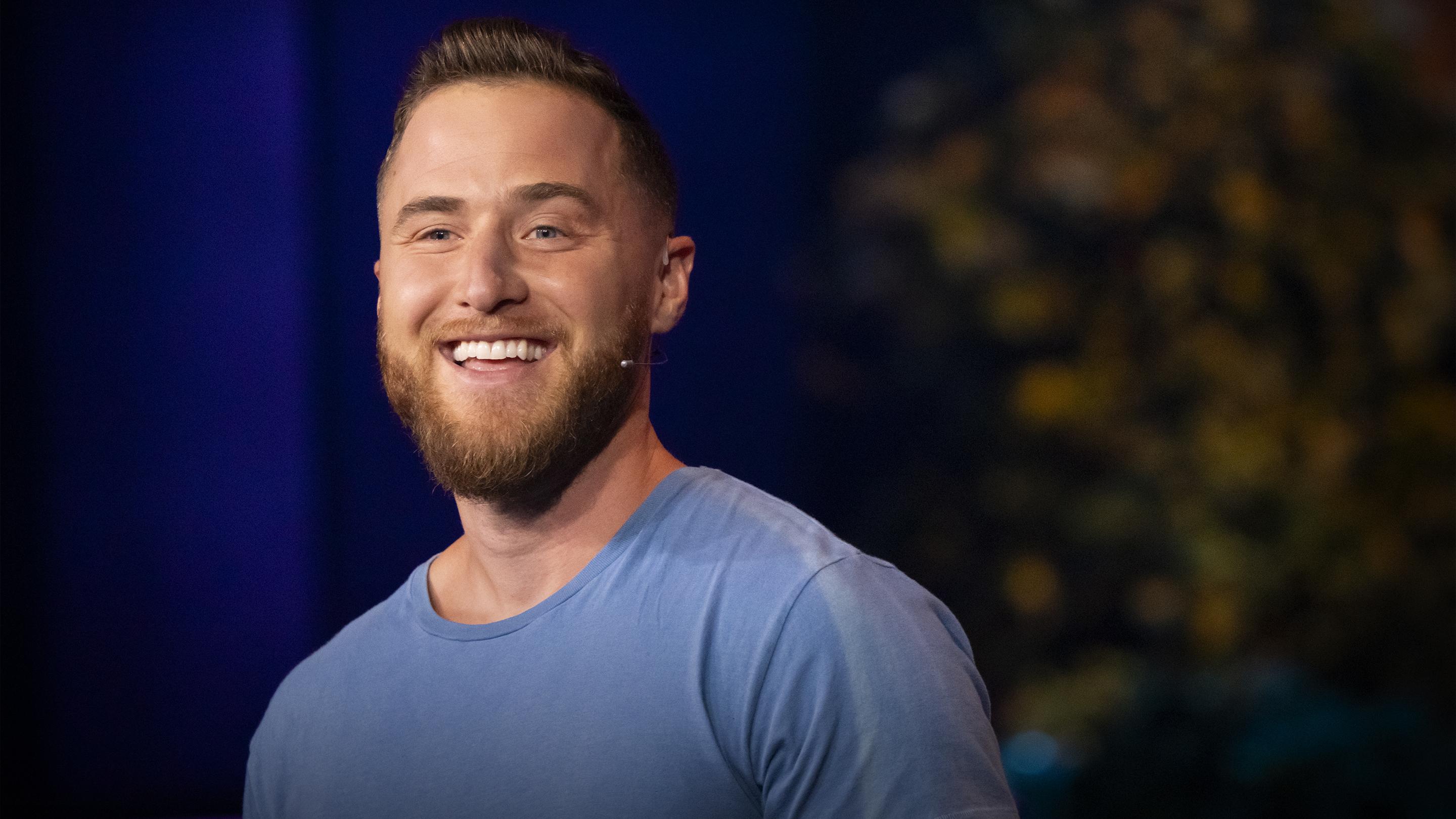
Singer-songwriter Mike Posner took a break from his music to take a walk — a very long walk, across the entire United States. He shares five lessons he learned from his epic, eventful trek (snakes might be involved) and how it helped him find the key to happiness. (He also performs two hit songs: "I Took a Pill in Ibiza" and "Could You Do the Same.")
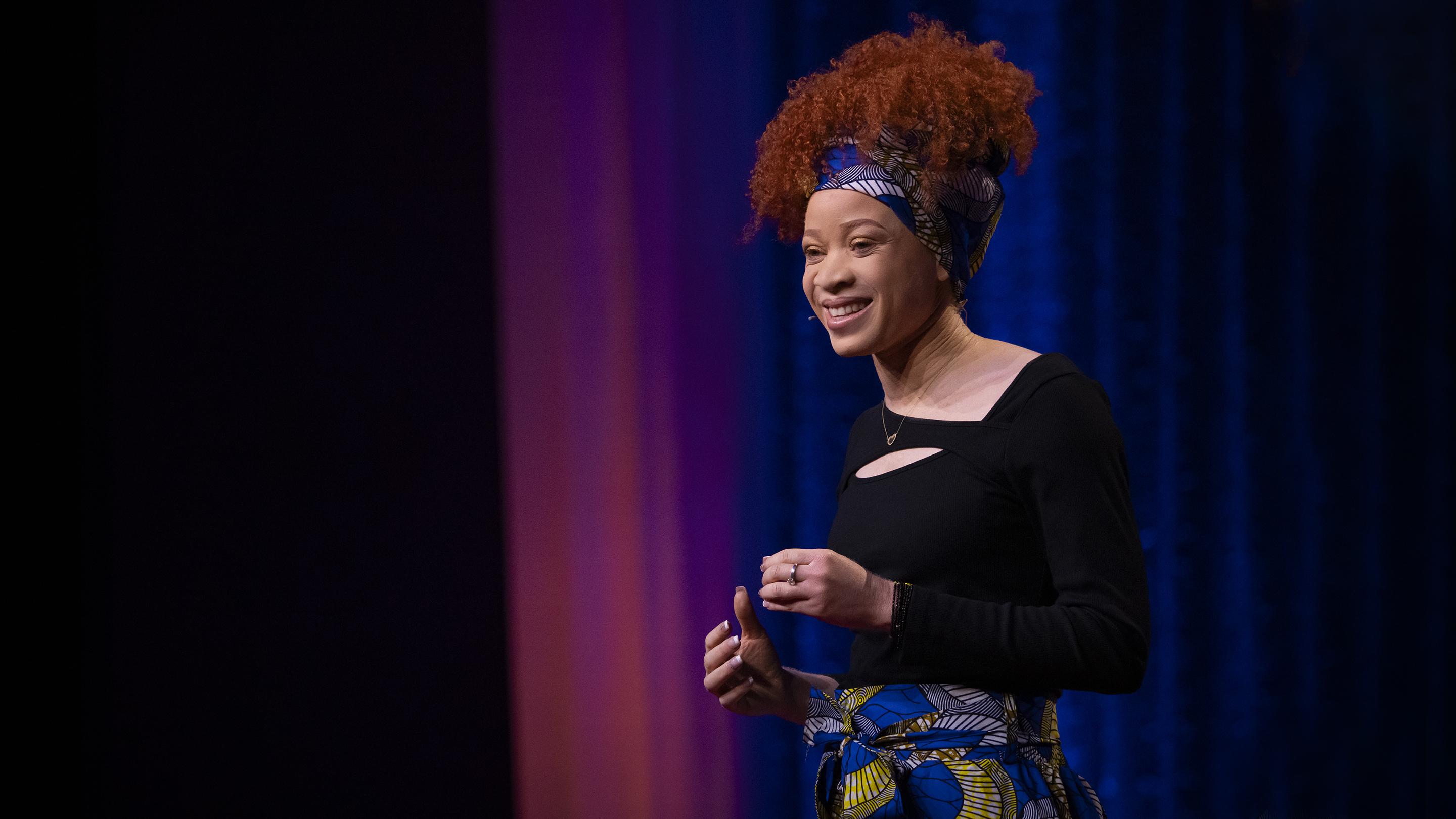
Chantale Zuzi Leader is one of the millions of displaced people around the world. In a deeply moving talk, she reflects on losing her family, home and sense of safety — only to break through and ultimately find community and hope. It's an astounding story of resilience that speaks to today's refugee crisis.
Organ transplants save lives, but they come with challenges: every minute a healthy donated organ is on ice increases risk. And even if things go perfectly, rejection of the organ is still possible. Cardiothoracic surgeon Abbas Ardehali introduces cutting-edge medical advances in machine perfusion — a portable platform that keeps organs alive outside of the body — that could help put time back on the patient's side.
Hundreds of millions of people lack access to electricity in Sub-Saharan Africa, relying on highly polluting diesel and firewood for power and light. Working to brighten the future in her home country of Malawi and beyond, energy access innovator Tombo Banda makes the case for mini-grids — localized energy systems powered by solar energy that are quick and cheap to deploy — and shares ideas for making them more profitable and scalable.

After bringing her son to a summer camp for gender-nonconforming children, photographer Lindsay Morris launched a project to share the campers' stories with the world. One of them, Reed J. Williams, is now a powerful advocate for transgender youth. Together, Morris and Williams reveal two sides to the LGBTQ+ experience — one as a mother, one as a trans woman — and offer insight into the power of community.
Hundreds of millions of migrant workers travel within their countries to seek out means of survival — often leaving behind all they know for months or even years. Many face poverty and exploitation, and they need a robust social safety net to protect them, says migrant advocate and 2023 Audacious Project grantee Ashif Shaikh. He shares how his grassroots organization Migrants Resilience Collaborative is making life-changing benefits like social security and health care accessible to those who need them while also amplifying migrant voices — paving the way towards a world that supports the workers actually building it. (This ambitious idea is a part of the Audacious Project, TED's initiative to inspire and fund global change.)

We're still in the dark about what 95 percent of our universe is made of — and the standard model for understanding particle physics has hit a limit. What's the next step forward? Particle physicist Alex Keshavarzi digs into the first results of the Muon g-2 experiment at Fermilab in Chicago, which found compelling evidence of new particles or forces existing in our universe — a finding that could act as a window into the subatomic world and deepen our understanding of the fabric of reality.
Women are routinely underestimated, overlooked, interrupted, talked over or mistaken for someone more junior at the workplace. Author Mary Ann Sieghart calls this the "authority gap" — all the ways women are (still) taken less seriously than men, despite proven competence and expertise. She explains how we can close this pernicious gap and why everyone wins when we do so.
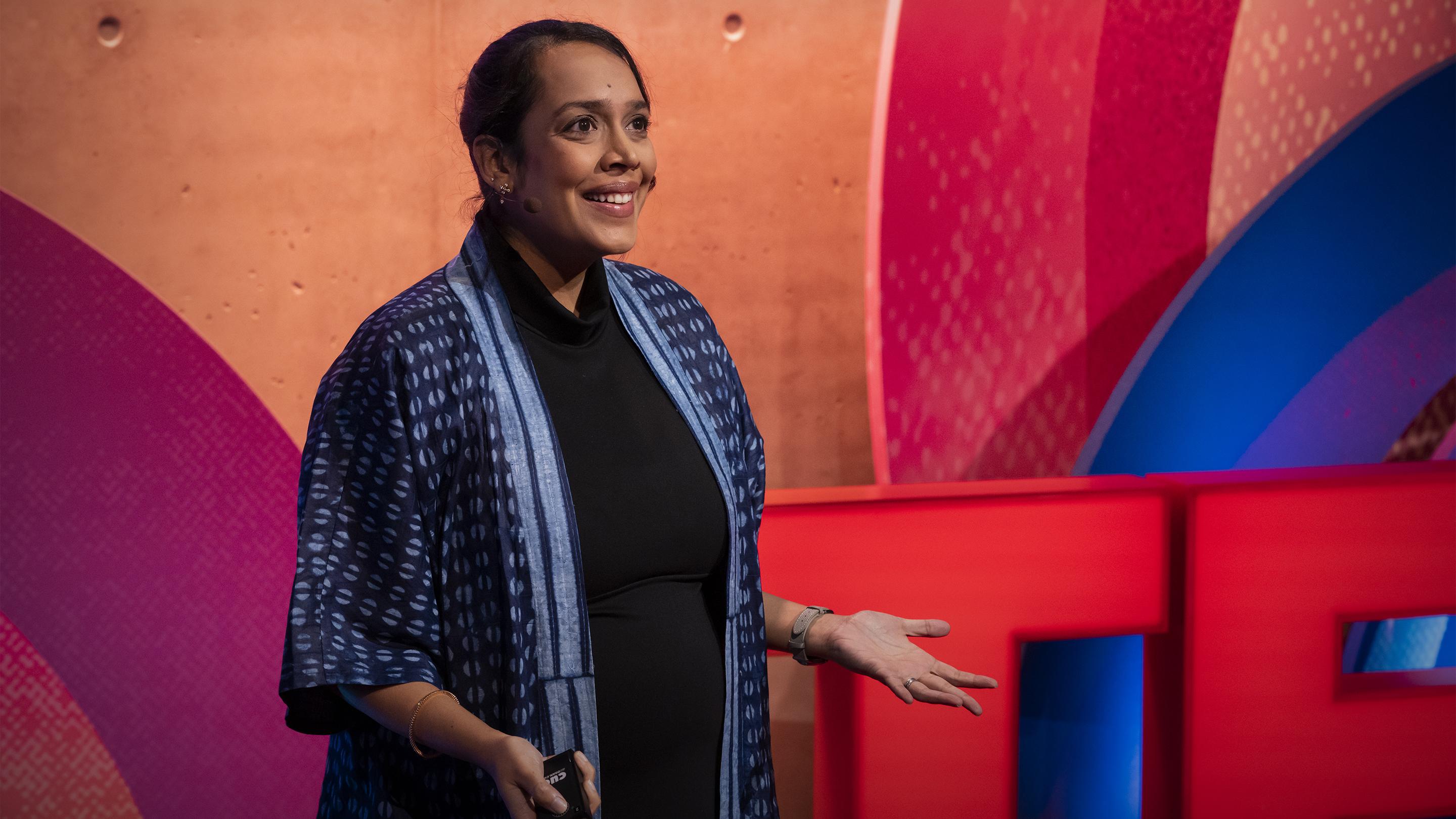
The pastoralists in Africa sustainably produce meat and milk to help feed the continent. But their way of life — and work — is under threat. Food systems advocate Shruthi Baskaran-Makanju explains how best to preserve these vital communities and why they're key to solving the nutritional challenges of Africa's children.
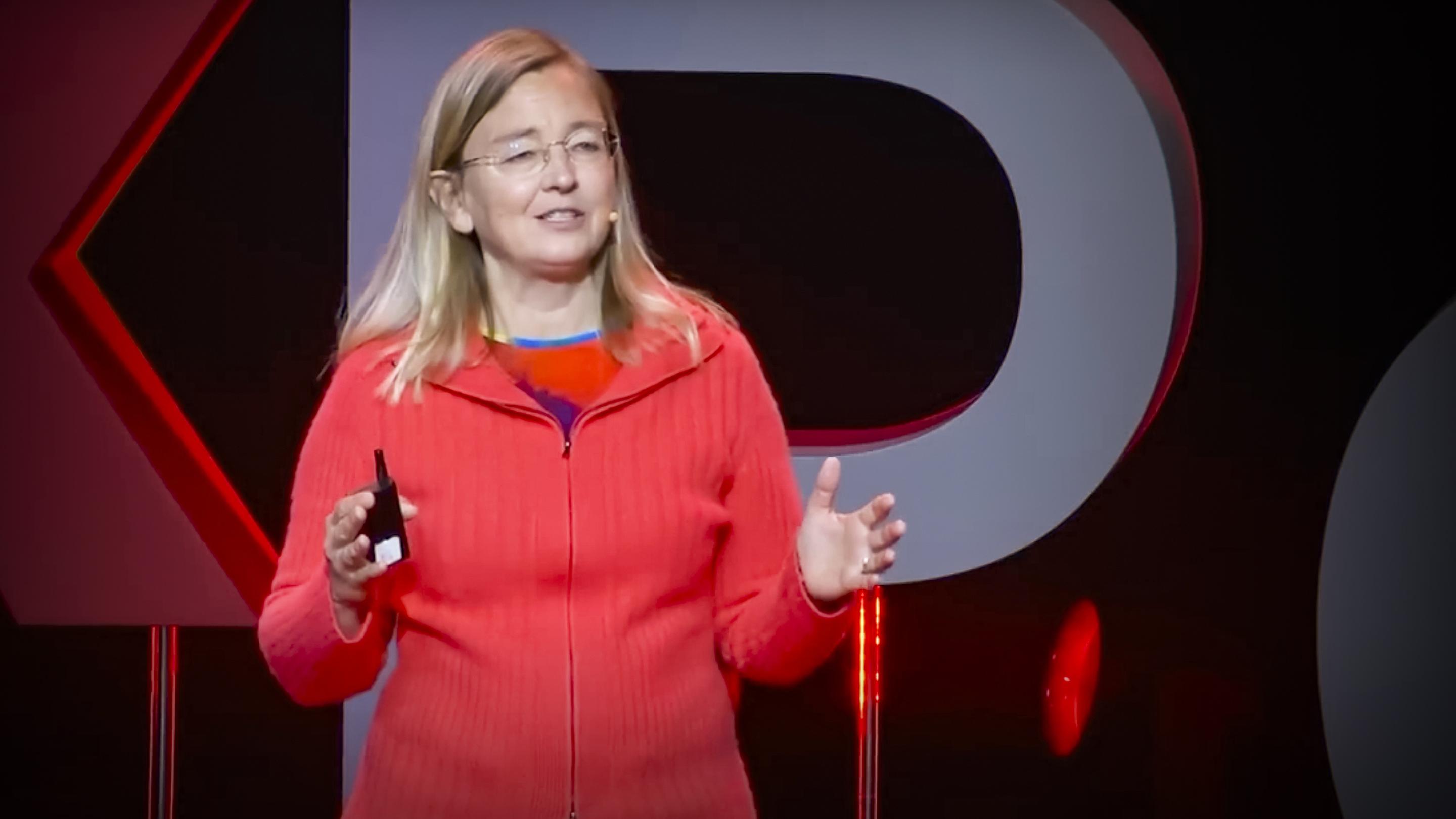
"How can you say what you mean without being mean?" asks CEO coach and author Kim Scott. Delving into the delicate balance between caring and challenging when leading in the workplace, she introduces "radical candor" as the way to give constructive criticism, compassionately.
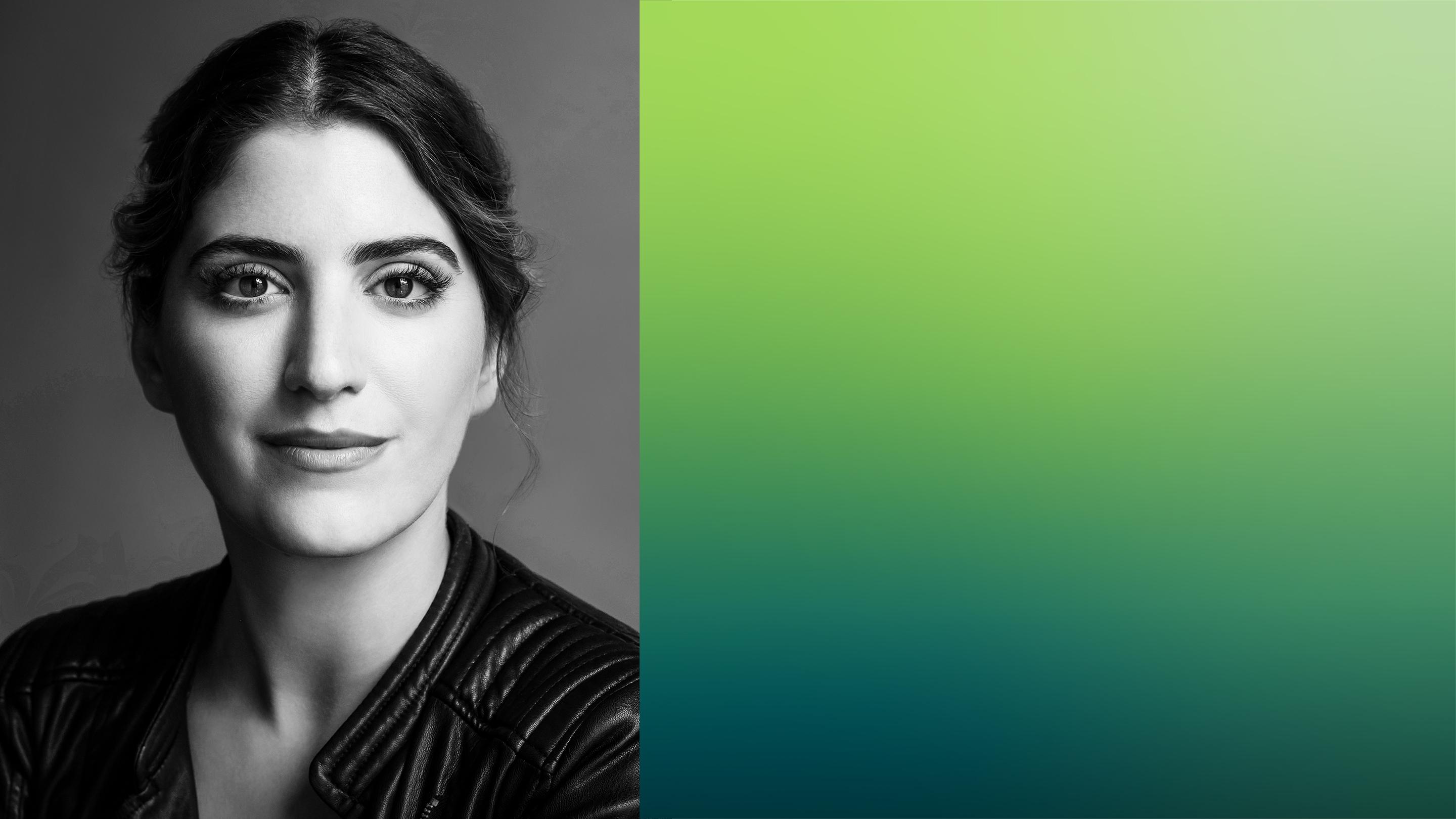
How can you find strength during life's most difficult moments? Author Suleika Jaouad's experience detailed in the documentary "American Symphony," an intimate portrait of her life as she grapples with illness, is a testament to finding a pathway to healing through artistic expression. In this sweeping conversation with TED's Susan Zimmerman, Jaouad reveals how following curiosity can lead to inspiration — even when it feels like there is none to be found. (Visit ted.com/membership to join TED today and access more exclusive events like this one.)
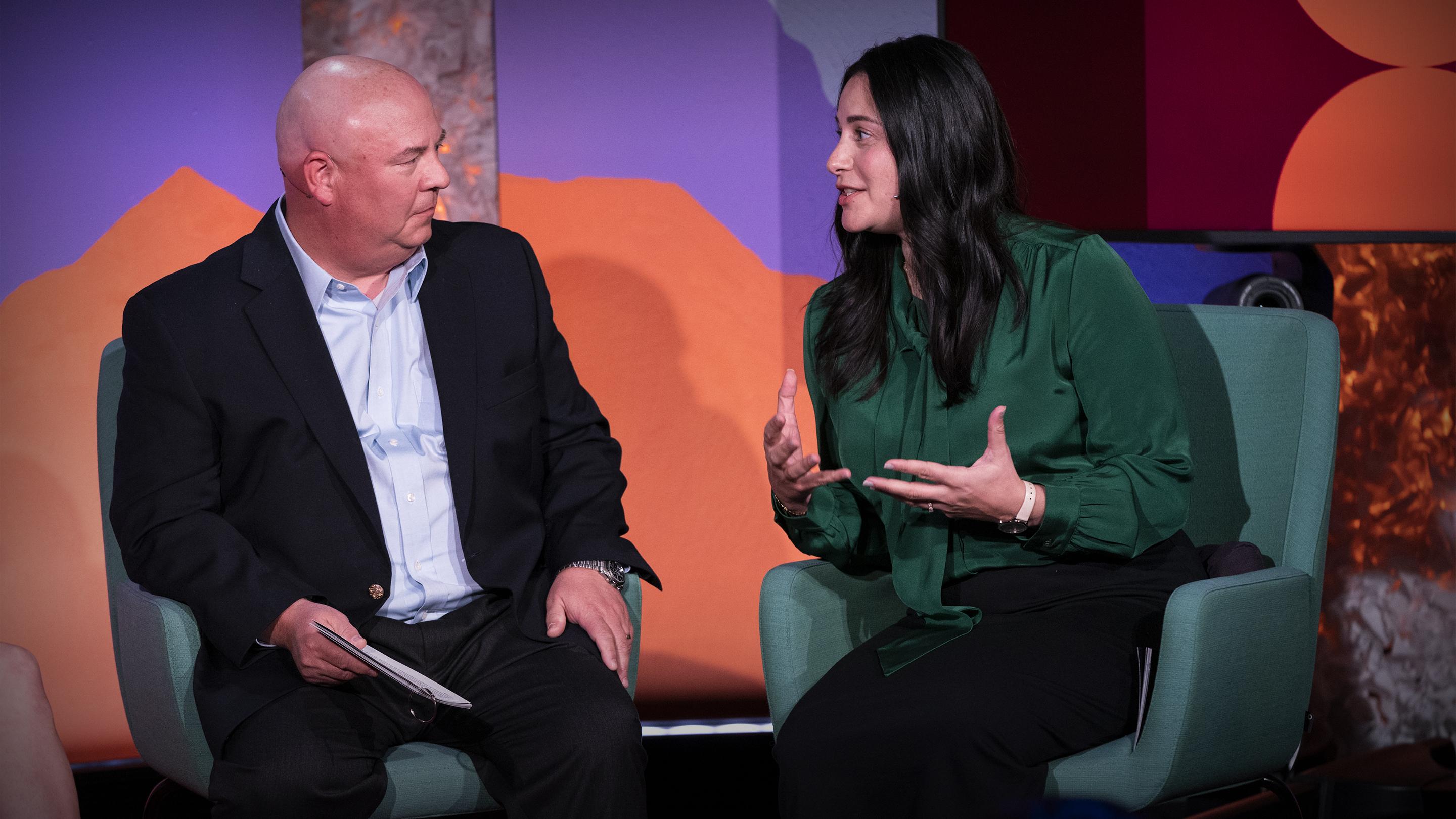
On paper, law professor Samar Ali and public affairs strategist Clint Brewer seem to come from very different — and perhaps opposing — backgrounds. But their friendship shows why political polarization in the US isn't as intractable as we might think. In an enlightening conversation, they talk about how to address deepening divides in the US and around the globe — and show the value in discarding the "scare script" by which we demonize others. (This conversation is hosted by TED curator Cloe Shasha Brooks.)
"Sustainability has become more marketing than action," says environmental business journalist Esha Chhabra. Challenging conventional business models solely focused on profit, she shares how regenerative companies that embed purpose into every facet of their operations can drive real change — and make things better for people and the planet.

We don't have to sacrifice our freedom for the sake of technological progress, says social technologist Divya Siddarth. She shares how a group of people helped retrain one of the world's most powerful AI models on a constitution they wrote — and offers a vision of technology that aligns with the principles of democracy, rather than conflicting with them.

Mahogany-N-Motion, a student-run women's dance group from Spelman College in Atlanta, Georgia, delivers a drumline-infused performance that brings the crowd to its feet.
Standardized testing is deeply woven into the fabric of US education, but does it foster genuine learning? Educator Tanishia Lavette Williams sheds light on the racial biases, financial costs and limited effectiveness of this kind of testing — calling for a fundamental shift to prioritize teacher-led instruction and empower students.
In an ode to the Persian language, author Leili Anvar unfurls the work of 13th-century mystic poet Rumi and reflects on how poetry gives meaning to our lives.

What if you could own more clothes without crowding your closet or growing your carbon footprint? Introducing the dematerialized future of your wardrobe, digital fashion entrepreneur Karinna Grant talks about the brands selling pixelated clothes via NFTs and augmented reality — and explores the creative and sustainable potential of fashion that transcends physical constraints.
Did you know the world's largest tropical forest is partly formed by seeds emerging from poop? Ecologist Ludmila Rattis reveals the surprisingly fruitful benefits of letting nature take care of its own business, sharing how the digestive habits of tapirs — pig-like creatures that roam Amazonia — spread seeds that help regenerate the forest and promote climate resilience worldwide. (Even nature's waste is put to good use!)
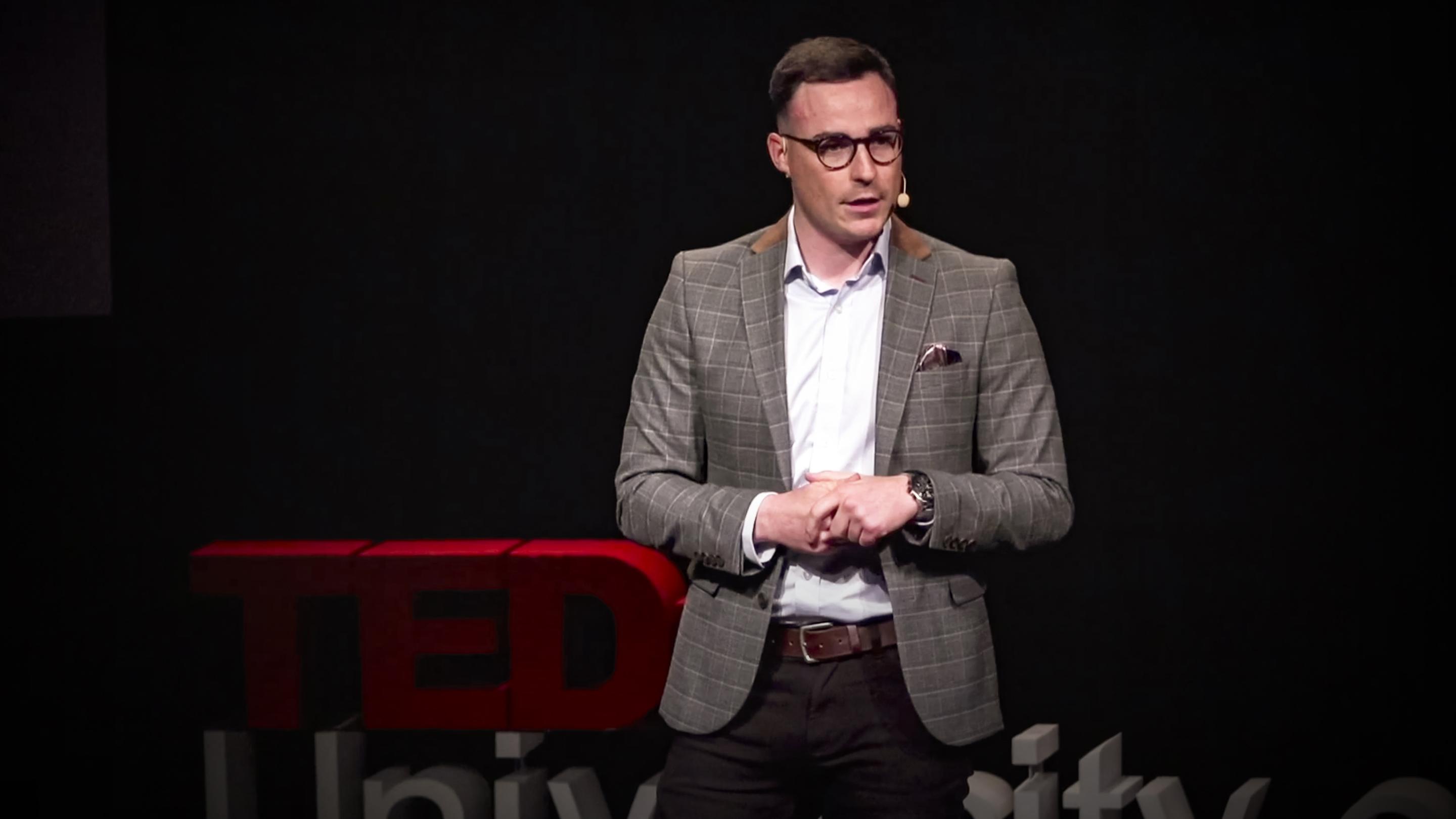
Is cybercrime getting easier? Cybersecurity expert Ryan Pullen dives into his work investigating massive digital breaches and testing security blindspots — which led to him gaining access to the software controls of a well-known building in London. Learn more about how cybercriminals exploit human vulnerabilities and hear the latest on how to recognize and protect yourself from scams.

A supportive community is the key to cultivating resilience and unlocking healing. Sharing the story of a transformative recovery program for survivors of sexual violence in the Democratic Republic of the Congo, human rights activist Christine Schuler Deschryver details how her team at City of Joy empowers people to reclaim their lives after trauma and turn their pain into power. (This talk contains a graphic story. Discretion is advised.)
